- Company Articles
- Products and Technology
- Product knowledge
- High-Temperature Saddle Pipe Clamps: Suitable for Industrial Oven Pipe Systems?

High-Temperature Saddle Pipe Clamps: Suitable for Industrial Oven Pipe Systems?
Related Product
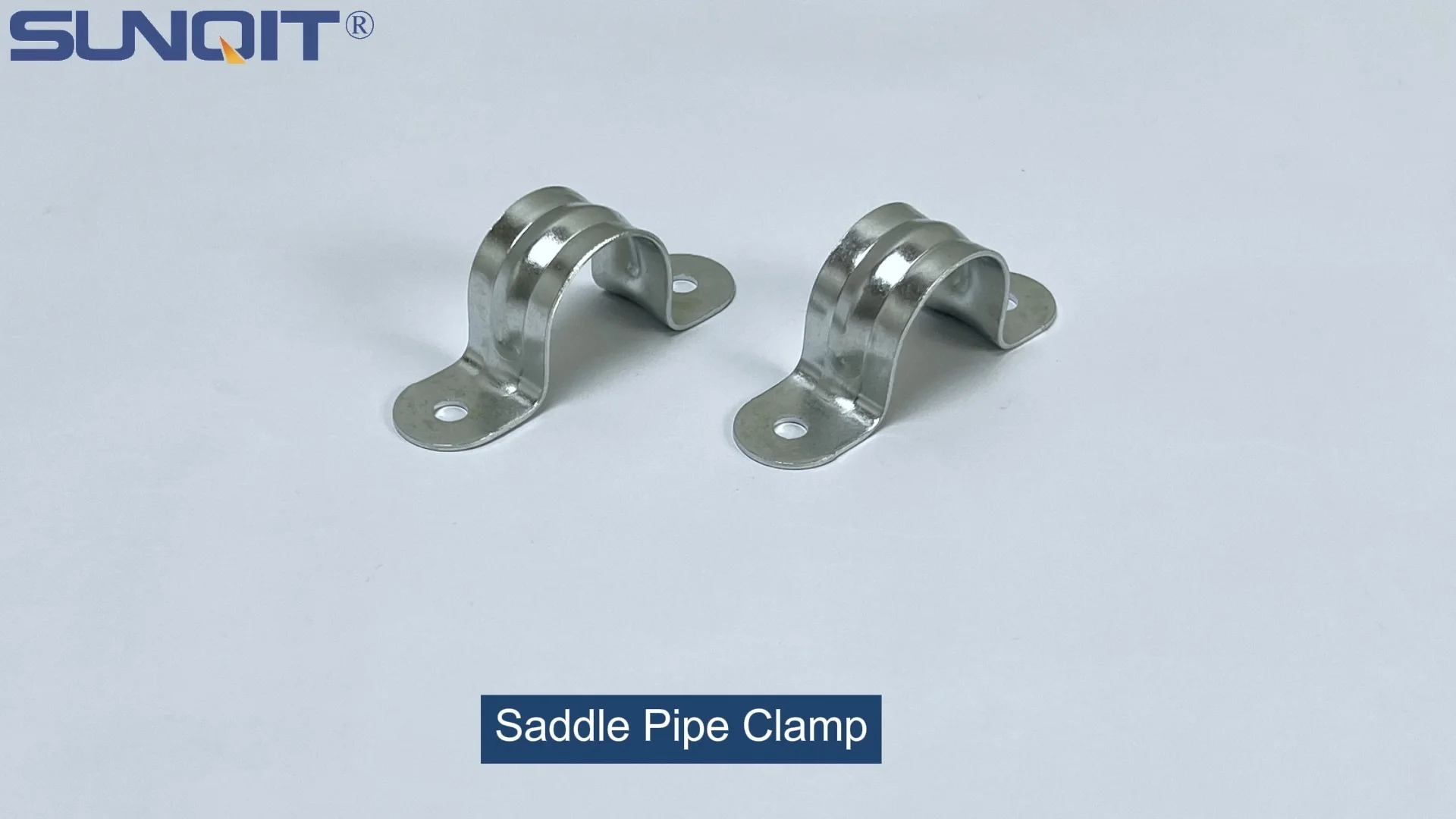
Saddle Pipe Clamp
Saddle pipe clamp, used for board connect with pipe, usually for table top installation.
Walk into any manufacturing facility with industrial ovens, and you'll immediately sense the energy—machinery humming, workers focused, and the faint warmth radiating from massive, insulated chambers. These ovens are workhorses, handling everything from curing automotive paints to heat-treating aerospace components, and even baking ceramics to perfection. But behind their roaring efficiency lies a quieter, equally critical system: the network of pipes that keeps them running. These pipes carry gases, coolants, or raw materials, and without proper support, they can sag, leak, or even rupture—especially when temperatures soar into the hundreds of degrees. That's where the humble pipe clamp comes in. But not just any clamp will do. In high-heat environments like industrial ovens, the choice of clamp can make or break operational reliability. Today, we're diving deep into one specific type: the high-temperature saddle pipe clamp. Are they really the best fit for industrial oven pipe systems? Let's explore.
The Backbone of Industrial Oven Pipe Systems: Why Clamps Matter
Before we get into saddle pipe clamps specifically, let's talk about why pipe support matters in industrial ovens. Imagine a pipe carrying natural gas to fuel an oven that reaches 600°C. If that pipe isn't secured properly, even a small vibration from nearby machinery could jostle it out of place. Over time, that movement wears down connections, creates leaks, or worse, causes the pipe to kink—cutting off fuel flow and shutting down production. In food processing plants, ovens baking bread or pastries rely on steam pipes; a loose clamp here could lead to steam leaks, uneven heating, and batches of spoiled product. The stakes are high, and the solution starts with choosing the right clamp.
Most industrial pipes face two major challenges in oven environments: extreme heat and thermal expansion. When metal pipes heat up, they expand—sometimes by millimeters, sometimes more, depending on the material and temperature. When they cool, they contract. A clamp that's too rigid can't accommodate this movement, leading to stress cracks or snapped bolts. On the flip side, a clamp that's too loose won't hold the pipe steady, risking sagging or misalignment. Add in factors like corrosion (from moisture or chemicals in the air) and heavy loads (pipes filled with dense materials), and it's clear: pipe clamps in these settings need to be tough, flexible, and built to last.
What Are Saddle Pipe Clamps, Anyway?
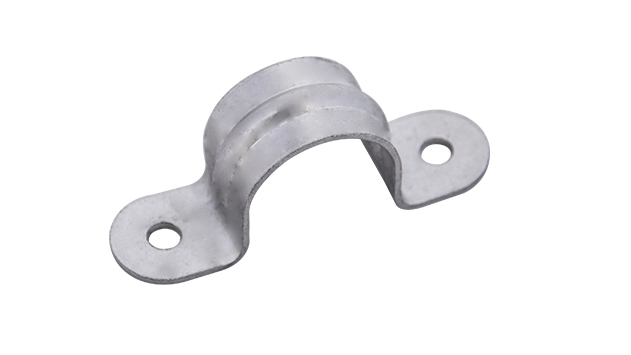
If you're not familiar with saddle pipe clamps, let's start with the basics. A saddle pipe clamp is a type of pipe support designed to cradle the pipe from below, like a saddle (hence the name). It typically consists of a curved "saddle" that matches the pipe's diameter, a base plate that attaches to a surface (like a wall, beam, or rack), and bolts or screws that secure the pipe in place. Unlike U-bolts, which wrap around the pipe and require nuts on both ends, saddle clamps often have a single bolt or a quick-release mechanism, making installation faster. They're popular in industrial settings because they distribute the pipe's weight evenly, reducing stress on the pipe itself, and they're adjustable—meaning you can tighten or loosen them as needed to account for thermal movement.
But not all saddle clamps are created equal. Standard saddle clamps, made from mild steel or plastic, work fine in low-temperature environments—think office HVAC systems or residential plumbing. But in industrial ovens, where temperatures can exceed 500°C, those materials fail quickly. Plastic melts, mild steel warps or corrodes, and even some metals lose their strength when heated. That's why high-temperature saddle pipe clamps are engineered with specialized materials and designs. They're not just "clamps"—they're heat-resistant workhorses built to thrive where other supports would wither.
The Heat Test: Why Material Choice Makes or Breaks High-Temperature Clamps
When it comes to high-temperature applications, the first question to ask is: What's this clamp made of? In industrial ovens, the most common material for saddle pipe clamps is stainless steel—and for good reason. Stainless steel, especially grades like 316 or 304, is prized for its ability to withstand extreme heat without losing structural integrity. 316 stainless steel, for example, can handle continuous temperatures up to 800°C, making it ideal for ovens used in automotive paint curing (which often reach 400–500°C) or aerospace component heat treatment (up to 700°C). But stainless steel isn't just heat-resistant; it's also corrosion-resistant, thanks to its chromium content, which forms a protective oxide layer on the surface. That's a big plus in environments where moisture, chemicals, or steam are present—like food processing or pharmaceutical manufacturing.
This is where the stainless steel pipe series comes into play. Many industrial facilities opt for stainless steel pipes not just for their durability, but also for their compatibility with high-temperature clamps. When you pair a stainless steel pipe with a stainless steel saddle clamp, you create a system that's resistant to both heat and corrosion, reducing the risk of galvanic corrosion (a common issue when dissimilar metals touch). It's a match made in industrial heaven, ensuring that both the pipe and its support age at the same rate, minimizing maintenance headaches.
But stainless steel isn't the only option. Some high-temperature clamps use ceramic coatings or Inconel (a nickel-chromium alloy) for even higher heat resistance—up to 1,200°C. These are rare, though, and often overkill for most industrial ovens. For the majority of applications, stainless steel strikes the perfect balance between performance, cost, and availability. That's why you'll see it used in everything from small batch ovens to large-scale production lines.

Saddle Pipe Clamps vs. Other High-Temp Clamps: A Head-to-Head Comparison
Saddle pipe clamps aren't the only game in town for high-temperature pipe support. Let's compare them to other common options to see why they stand out:
- U-bolts: These are the old reliables—two bolts bent into a "U" shape, with nuts on the ends to secure the pipe to a mounting plate. They're strong and cheap, but in high heat, their rigidity is a downside. U-bolts don't flex with thermal expansion, so they can create stress points on the pipe. They also take longer to install, requiring two nuts to be tightened evenly to avoid warping the pipe.
- Clevis Clamps: These have a "clevis" (a U-shaped bracket) that holds the pipe, with a pin or bolt securing it. They're more flexible than U-bolts but can be bulky, making them hard to fit in tight spaces around ovens. Their moving parts (like pins) can also seize up in high heat if not properly lubricated.
- Spring Clamps: Designed to "spring" open and closed, these are great for quick installation but lack the load capacity needed for heavy industrial pipes. In high temperatures, the spring tension weakens, causing the clamp to loosen over time.
Saddle pipe clamps, by contrast, offer the best of both worlds: strength and flexibility. Their curved saddle design cradles the pipe, distributing weight evenly to prevent sagging. Most high-temperature models also include slotted mounting holes, allowing the clamp to shift slightly as the pipe expands or contracts—no more stress cracks. They're also compact, making them easy to install in the tight spaces between oven walls and machinery. And because they use a single bolt (or even a lever for quick-release models), they're faster to install than U-bolts or clevis clamps—saving maintenance crews valuable time during overhauls.

Key Features to Look for in High-Temperature Saddle Pipe Clamps
Not all high-temperature saddle pipe clamps are created equal. When shopping for one, keep an eye out for these critical features:
Material Thickness: Thicker stainless steel (at least 3mm) means better heat resistance and load capacity. A thin clamp might warp under heavy pipes or high heat, while a thicker one will hold steady.
Corrosion Resistance: Look for clamps labeled "316 stainless steel" if your facility uses chemicals or has high humidity. 316 contains molybdenum, which boosts its resistance to saltwater, acids, and industrial fumes—common in food processing or chemical plants.
Load Capacity: Check the clamp's maximum weight rating. A pipe filled with water or dense materials will weigh more than an empty gas pipe. Clamps should be rated for at least 1.5 times the pipe's operating weight to account for vibration and thermal stress.
Adjustable Design: Slotted mounting holes or swivel bases allow the clamp to move with thermal expansion. Avoid fixed-mount clamps in high-heat environments—they'll fight against the pipe's natural movement.
Compatibility with Pipe Sizes: Saddle clamps are designed for specific pipe diameters (e.g., 1-inch, 2-inch). Using a clamp that's too small will pinch the pipe; too large won't hold it secure. Many manufacturers offer adjustable saddle clamps that fit a range of sizes, which is helpful if you have mixed pipe diameters in your system.
Bolt Quality: The bolts or screws holding the clamp together matter too. Look for high-temperature bolts made from stainless steel or nickel alloys—regular steel bolts will rust or snap in extreme heat. Some clamps even come with heat-resistant washers to prevent the bolt from seizing to the saddle.
Installation 101: How to Install Saddle Pipe Clamps in High-Heat Environments
Even the best clamp will fail if installed incorrectly. Here's a step-by-step guide to installing high-temperature saddle pipe clamps in industrial oven systems:
1. Inspect the Pipe and Mounting Surface First: Before installing, check the pipe for dents, rust, or corrosion—these can weaken the pipe and cause the clamp to slip. The mounting surface (wall, beam, or rack) should also be clean and level. If it's covered in grease or paint, sand it down to ensure the clamp's base plate makes solid contact.
2. Choose the Right Spacing: How far apart should clamps be? As a rule of thumb, for a 2-inch stainless steel pipe carrying gas, space clamps every 4–5 feet. For heavier pipes (like those carrying water or slurry), reduce spacing to 3–4 feet. In ovens with extreme temperature swings, closer spacing (3 feet max) helps prevent sagging during expansion.
3. Torque the Bolts Properly: Over-tightening can warp the pipe or strip the threads; under-tightening leaves the pipe loose. Most manufacturers provide torque specs (e.g., 25 Nm for 316 stainless steel clamps). Use a torque wrench to get it right—your future self (and maintenance team) will thank you.
4. Account for Thermal Expansion: If the pipe runs horizontally through the oven, install one clamp as a "fixed" point (fully tightened) and the rest as "sliding" points (bolts loosely tightened in slotted holes). This lets the pipe expand toward the sliding clamps without stress. For vertical pipes, use clamps with swivel bases to allow for upward/downward movement.
5. Test Before Heating: After installation, gently shake the pipe to ensure it's secure but not rigid. If it moves more than 1/4 inch, tighten the clamp slightly. If it doesn't move at all, loosen the bolts in the slotted holes to allow for expansion. Then, run the oven through a test cycle (heating to operating temp and cooling) to check for leaks or movement before full production.
Real-World Success: Industries Thriving with High-Temperature Saddle Pipe Clamps
Still not convinced saddle pipe clamps are right for your industrial oven? Let's look at some real-world examples where they've made a difference:
Automotive Manufacturing: A major car plant in Ohio was struggling with frequent downtime in their paint curing ovens. The ovens reach 450°C to cure paint on car bodies, and the gas supply pipes were supported by standard U-bolts. Over time, the U-bolts would rust (from moisture in the paint booths) and snap, causing gas leaks and shutdowns. After switching to 316 stainless steel saddle pipe clamps with slotted mounting holes, they saw a 90% reduction in clamp failures. The maintenance manager noted, "We used to replace U-bolts every 6 months; now, these saddle clamps have been in place for 2 years and still look brand new."
Aerospace Heat Treatment: An aerospace facility in Washington uses ovens to heat-treat titanium components for jet engines, with temperatures hitting 700°C. Their coolant pipes, carrying water to cool oven walls, were supported by clevis clamps that seized up in the heat, making adjustments impossible. Switching to high-temperature saddle clamps with quick-release levers cut maintenance time by 50%—crews can now adjust clamps in minutes, not hours, during scheduled shutdowns.
Ceramics Production: A ceramics factory in Italy bakes tiles at 800°C, using natural gas pipes supported by spring clamps. The springs weakened in the heat, causing pipes to sag and leak gas. After installing heavy-duty stainless steel saddle clamps with 5mm thickness, pipe sagging was eliminated, and gas leaks dropped to zero. "We used to lose a day of production every month to pipe repairs," the plant owner said. "Now, we haven't had a shutdown in over a year."
Maintenance Matters: Keeping Your Saddle Pipe Clamps in Top Shape
Even the best clamps need a little TLC to last. Here's how to maintain high-temperature saddle pipe clamps in industrial ovens:
Inspect Regularly: Check clamps monthly for signs of wear: rust, bent saddle curves, or loose bolts. In high-heat areas, bolts can loosen as metal expands and contracts, so give them a gentle tug to ensure they're tight (but not over-tightened).
Clean Gently: Wipe clamps with a dry cloth to remove dust or debris—avoid harsh chemicals, which can damage the stainless steel's protective oxide layer. For greasy or oily environments (like automotive plants), use a mild detergent and water, then dry thoroughly to prevent water spots.
replace When Needed: If a clamp's saddle is bent, the bolts are stripped, or there's signs of deep corrosion (pitting), replace it immediately. A damaged clamp can't support the pipe safely, and waiting to replace it could lead to costly leaks or downtime.
Lubricate Moving Parts: If your clamps have levers or swivel bases, apply a high-temperature lubricant (like graphite or silicone-based grease) every 6 months. This prevents seizing in extreme heat and keeps adjustments smooth.
Material Showdown: Which High-Temp Clamp Material Is Right for You?
Still unsure which material to choose for your saddle pipe clamps? The table below compares the most common options for industrial oven environments:
| Material | Max Temperature Resistance | Corrosion Resistance | Load Capacity (Per Clamp) | Cost (Relative) | Best For |
|---|---|---|---|---|---|
| 316 Stainless Steel | Up to 800°C | Excellent (resists saltwater, acids) | 50–100 kg | Medium-High | Chemical plants, food processing, coastal facilities |
| 304 Stainless Steel | Up to 650°C | Good (resists freshwater, mild chemicals) | 40–80 kg | Medium | General manufacturing, automotive paint ovens |
| Carbon Steel (Heat-Treated) | Up to 550°C | Poor (rusts easily without coating) | 60–120 kg | Low | Dry, indoor environments with low corrosion risk |
| Ceramic-Coated Steel | Up to 1,000°C | Good (coating resists chemicals) | 30–60 kg | High | Extreme-heat ovens (e.g., metal forging, glass manufacturing) |
For most industrial ovens (temperatures 400–600°C, moderate corrosion risk), 304 stainless steel saddle clamps are the sweet spot—balancing performance and cost. If you're in a coastal area or use chemicals, splurge on 316 stainless steel. For ovens over 800°C, ceramic-coated steel is worth the investment, but expect to pay more.
Conclusion: High-Temperature Saddle Pipe Clamps—A Smart Choice for Industrial Ovens
When it comes to supporting pipes in industrial ovens, high-temperature saddle pipe clamps aren't just a good option—they're often the best option. Their durable stainless steel construction (from the stainless steel pipe series) stands up to extreme heat and corrosion, while their adjustable design accommodates thermal expansion. They're easy to install, low-maintenance, and versatile enough to handle everything from gas lines to steam pipes. Whether you're running a small bakery oven or a massive aerospace heat-treating facility, a well-chosen saddle pipe clamp will keep your pipes secure, your production on track, and your maintenance costs down.
So, are high-temperature saddle pipe clamps suitable for industrial oven pipe systems? Absolutely. But don't just take our word for it—ask the automotive plant that cut downtime by 75%, or the ceramics factory that eliminated gas leaks. The proof is in the performance. When you're ready to upgrade your pipe support system, remember: the right clamp isn't an expense—it's an investment in reliability.