- Company Articles
- Products and Technology
- Product knowledge
- Home Appliance Frames: 2.0mm Stainless Steel Pipe Aesthetics & Strength

Home Appliance Frames: 2.0mm Stainless Steel Pipe Aesthetics & Strength
Related Product
2.0mm Stainless Steel Pipe
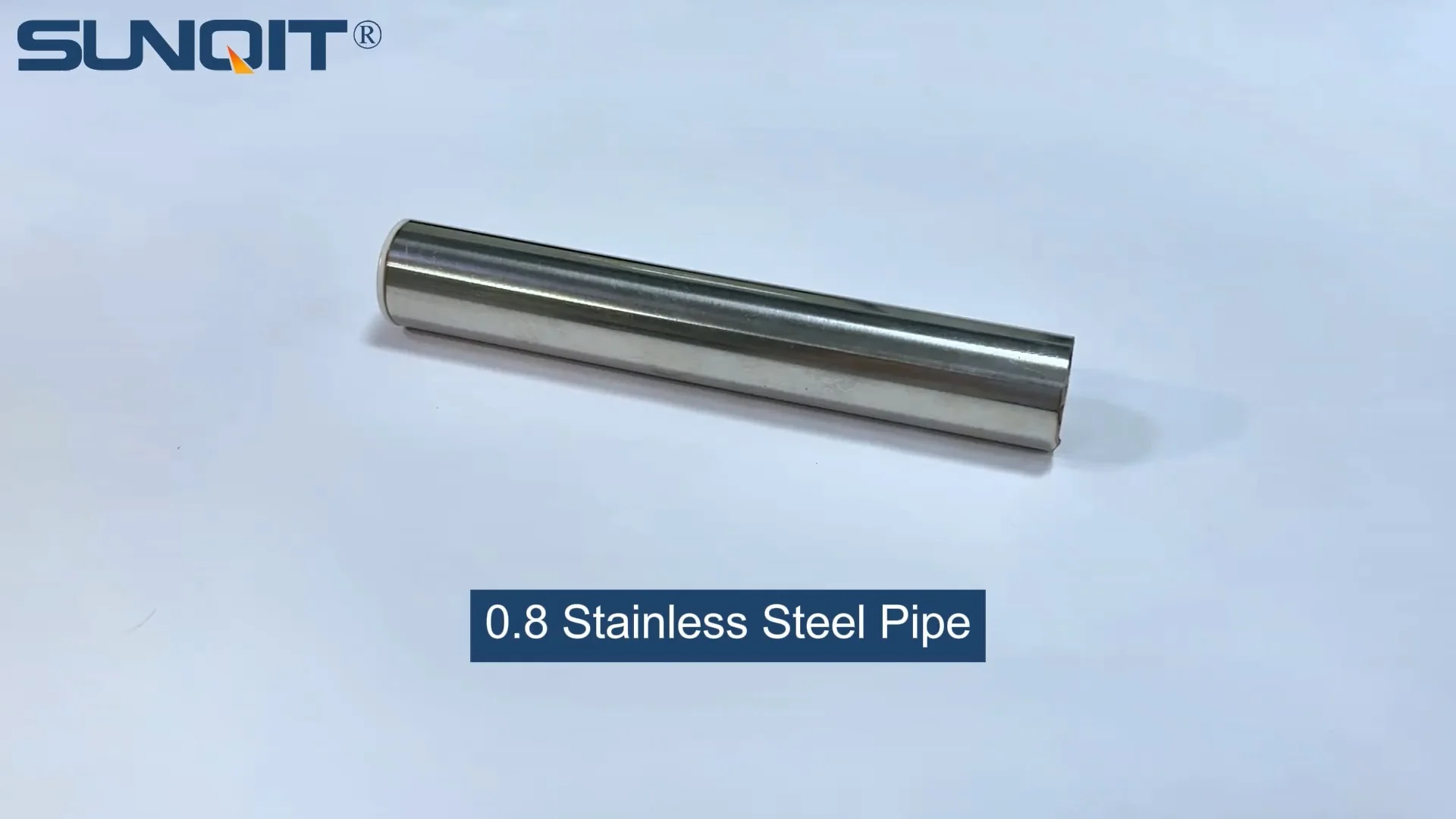
Stainless steel pipe, lean pipe, diameter is 28mm, material is SS201 or SS304, SS201 is normally used in the market. It knows a KARAKURI, KAIZEN material for industrial plant to improve efficiency, save labor cost, standard management.
Walk into any modern kitchen, laundry room, or living space, and you'll likely spot a lineup of home appliances that blend seamlessly into the decor—refrigerators with sleek finishes, ovens that look more like built-in furniture, and washing machines that could double as design statements. But behind these polished exteriors lies a critical component that often goes unnoticed: the frame. Far more than just a "hidden support system," the frame of a home appliance dictates its durability, safety, and even its overall aesthetic. And in recent years, one material has emerged as a standout choice for crafting these essential structures: 2.0mm stainless steel pipe. It's not just about being strong (though it certainly is); it's about merging that strength with a level of beauty that turns functional parts into design assets. Let's take a deep dive into why 2.0mm stainless steel pipe is redefining what home appliance frames can be, and how it's bridging the gap between "built to last" and "built to impress."
The Unsung Hero: Why Home Appliance Frames Matter More Than You Think
Before we get into the specifics of 2.0mm stainless steel pipe, let's talk about why appliance frames deserve our attention. Think of a refrigerator: its frame isn't just holding up the doors or the exterior panel—it's supporting the weight of gallons of milk, stacks of leftovers, and heavy glass shelves, day in and day out. An oven's frame? It's withstanding extreme temperatures, vibrations from fans, and the constant opening and closing of a door that might weigh 50 pounds or more. Even smaller appliances, like microwaves or blenders, rely on their frames to stay stable during use, preventing accidents and ensuring internal components (like motors or heating elements) stay aligned.
But frames aren't just about function—they're also key to an appliance's "personality." A bulky, poorly designed frame can make even a high-tech appliance look clunky, while a sleek, well-engineered one can elevate it from "utilitarian" to "luxurious." For homeowners, this matters: appliances are investments, and we want them to look as good as they perform, especially in spaces where they're on full display (hello, open-concept kitchens!). For manufacturers, the frame is a chance to differentiate their products—offering something that feels premium, durable, and thoughtfully designed.
Why 2.0mm Stainless Steel Pipe Stands Out in the Stainless Steel Pipe Series
Stainless steel has long been a go-to material for industrial and commercial applications, thanks to its strength and resistance to corrosion. But within the broader stainless steel pipe series , 2.0mm stainless steel pipe has carved out a unique niche in home appliances—and for good reason. Let's start with the basics: stainless steel is an alloy of iron, chromium, and often nickel or manganese, which gives it that signature resistance to rust and staining. The "2.0mm" refers to the thickness of the pipe wall, and this specific measurement strikes a near-perfect balance between durability and practicality.
Why not thicker, like 3.0mm? While thicker pipes would certainly be strong, they'd add unnecessary weight to appliances, making them harder to install, move (if needed), and more expensive to manufacture. Thinner options, like 1.5mm or 1.2mm stainless steel, might save on cost and weight but compromise on long-term strength—especially for appliances that bear heavy loads or face daily wear and tear. 2.0mm hits that sweet spot: sturdy enough to handle the demands of a busy household, yet lightweight enough to keep appliances manageable. It's no wonder manufacturers are increasingly turning to this thickness as their "gold standard" for premium appliance frames.

Aesthetics: When Strength Meets Sleek Design
Let's be honest: "stainless steel" might conjure up images of industrial factories or hospital equipment—hardly the stuff of interior design dreams. But 2.0mm stainless steel pipe is changing that perception, proving that strength doesn't have to mean sacrificing style. One of its biggest aesthetic advantages is its clean, minimalist profile. Unlike bulkier materials (looking at you, thick plastic or cast iron), 2.0mm stainless steel pipes can be shaped into sleek, linear frames that complement modern, contemporary, and even traditional decor.
Take finish options, for example. Manufacturers can opt for a brushed stainless steel finish, which adds a subtle texture that hides fingerprints and smudges—perfect for high-touch appliances like refrigerator doors. Or, for a more luxurious look, a polished finish can create a mirror-like sheen that reflects light and pairs beautifully with glass, wood, or marble accents. Imagine a built-in oven with a 2.0mm stainless steel frame trim: the thin, precise lines of the pipe frame draw the eye without overwhelming the space, making the oven feel like a deliberate design choice rather than just a utility.
Another aesthetic win? The way 2.0mm stainless steel pipe integrates with other materials. It plays well with glass (think: a refrigerator door frame that frames the glass panel, adding structure without blocking visibility), matte black accents (a popular trend in modern kitchens), and even warm woods (balancing the coolness of steel with natural textures). Unlike plastic frames, which can look cheap or dated, stainless steel ages gracefully—developing a subtle patina over time that adds character, rather than looking worn out.

Strength: More Than Just "Tough"—Built to Last Generations
Of course, aesthetics alone wouldn't make 2.0mm stainless steel pipe a top choice for appliance frames. Its real superpower lies in its strength—and not just "can it hold a heavy pot" strength, but "will it still be holding that pot in 10 years" strength. Let's break down what makes this material so durable, starting with its resistance to corrosion. Kitchens and laundry rooms are humid, messy places: steam from boiling pots, detergent spills, food splatters, and even the occasional flood from a overflowing sink. For most metals, this environment is a death sentence—rust would set in, weakening the frame and ruining its appearance. But 2.0mm stainless steel pipe? Its chromium content forms a thin, invisible layer of chromium oxide on the surface, which acts as a shield against moisture and chemicals. No rust, no pitting, no degradation—even after years of exposure.
Then there's tensile strength—the measure of how much pulling force a material can withstand before breaking. 2.0mm stainless steel pipe typically has a tensile strength of around 500-700 MPa (megapascals), which is significantly higher than many plastics (around 20-80 MPa) or even some aluminum alloys (around 300-500 MPa). What does that mean for your appliances? It means the frame can support heavy internal components—like the compressor in a refrigerator or the drum in a washing machine—without bending, warping, or cracking over time. Even better, stainless steel is ductile, meaning it can bend slightly under stress (like if you accidentally bump a fridge door hard) and return to its original shape, rather than snapping or deforming permanently.
And let's not forget about impact resistance. Dropping a heavy pan on an oven door, slamming a refrigerator drawer shut, or even moving an appliance and scraping it against a wall—these are all common household accidents. 2.0mm stainless steel pipe holds up surprisingly well to these mishaps, thanks to its density and toughness. Unlike plastic frames, which can crack or shatter on impact, or aluminum, which dents easily, stainless steel is more likely to show a minor scratch (which can often be buffed out) than sustain serious damage. For homeowners, that translates to appliances that look newer, longer—even with kids, pets, and the chaos of daily life.
The Role of Precision: Lean Pipe Joints and Seamless Assembly
A strong material is only as good as the way it's put together—and here's where lean pipe joint technology comes into play. These specialized joints are designed to connect stainless steel pipes (and other materials, like aluminum) with minimal fuss, creating sturdy, precise connections that don't compromise the frame's aesthetics. Unlike traditional welding, which can leave bulky, uneven seams, or screws and bolts that stick out like sore thumbs, lean pipe joints are engineered for clean lines and tight fits.
Imagine assembling an appliance frame: using lean pipe joints, manufacturers can connect 2.0mm stainless steel pipes at exact angles (90 degrees, 45 degrees, etc.) with just a few turns of a tool. The joints themselves are often made from durable plastics or coated metals that blend in with the pipe, so the frame looks seamless—like it was carved from a single piece, rather than assembled from parts. This precision isn't just about looks, though: tight, consistent joints mean the frame is more stable, with less "play" or wobble, which improves the appliance's overall performance and safety. For example, a washing machine with a frame assembled using lean pipe joints will vibrate less during the spin cycle, reducing noise and wear on internal parts.
How Does It Compare? A Look at Other Frame Materials
To really appreciate 2.0mm stainless steel pipe, it helps to see how it stacks up against other common frame materials. Let's break it down with a quick comparison:
| Material | Aesthetic Appeal | Strength & Durability | Corrosion Resistance | Weight | Cost-Effectiveness |
|---|---|---|---|---|---|
| 2.0mm Stainless Steel Pipe | Sleek, modern; customizable finishes (brushed, polished) | High tensile strength; resistant to dents/impact | Excellent (no rust in humid environments) | Moderate (balanced for appliance use) | Mid-range; higher upfront cost, but long-term value |
| Aluminum Profile | Lightweight, modern; limited finish options | Moderate strength; prone to bending under heavy loads | Good, but less than stainless steel | Lightweight | Low to mid-range; cheaper but less durable |
| 1.5mm Stainless Steel Pipe | Similar to 2.0mm, but thinner profile | Lower tensile strength; more prone to warping | Excellent (same as 2.0mm) | Lighter | Lower upfront cost; higher long-term replacement risk |
| Plastic (PVC/ABS) | Limited; prone to yellowing/fading | Low strength; cracks under impact or heat | Poor (swells in moisture; stains easily) | Very lightweight | Low upfront cost; high replacement cost |
As the table shows, 2.0mm stainless steel pipe outperforms alternatives in key areas like strength, durability, and corrosion resistance, while still holding its own in aesthetics and weight. Aluminum profiles, for example, are popular for their lightweight nature, but they're no match for stainless steel when it comes to withstanding heavy loads or resisting dents. Plastic is cheap, but it ages poorly and can't handle the heat or moisture of kitchen environments. Even thinner stainless steel pipes (like 1.5mm) fall short in long-term strength—great for lightweight appliances, but risky for something like a refrigerator that's expected to last 15+ years.
Real-World Impact: Appliances That Work as Hard as You Do
Enough theory—let's talk about how 2.0mm stainless steel pipe actually improves everyday life. Take the refrigerator, for instance. The frame of a fridge isn't just about holding the doors; it supports the weight of the entire unit, the contents inside (which can easily top 500 pounds for a family-sized model), and the mechanical components like the condenser and evaporator coils. A 2.0mm stainless steel frame ensures the fridge stays stable, even when fully loaded, and resists bending or warping over time—meaning the doors seal properly (keeping food cold!) and the unit doesn't "walk" or vibrate on the floor.
Or consider a front-loading washing machine. These appliances spin at high speeds (up to 1,600 RPM for some models), creating intense vibrations. A weak frame would amplify that noise and movement, making the machine a nuisance. But a frame built with 2.0mm stainless steel pipe and secured with lean pipe joints stays rigid, absorbing vibrations and keeping the machine steady. The result? A quieter laundry room and a machine that lasts longer, since less movement means less wear on internal parts.
Even smaller appliances benefit. Think of a stand mixer with a stainless steel frame: it stays stable on the counter while mixing thick dough, and the frame's sleek finish complements the mixer's design, making it a countertop staple you're proud to display. These aren't just "nice-to-haves"—they're quality-of-life improvements that make appliances feel like investments, not just tools.
The Future of Home Appliance Frames: What's Next?
As homeowners demand more from their appliances—better performance, longer lifespans, and designs that elevate their spaces—manufacturers are doubling down on materials like 2.0mm stainless steel pipe. But the innovation doesn't stop there. We're already seeing trends like "invisible frames," where 2.0mm stainless steel pipes are integrated so seamlessly into appliance exteriors that you barely notice they're there—think of a refrigerator with a stainless steel frame hidden behind a wood panel, giving it the look of custom cabinetry with the strength of steel.
There's also growing interest in sustainability. Stainless steel is 100% recyclable, and 2.0mm pipes, with their long lifespan, reduce the need for frequent replacements (and thus, less waste). Some manufacturers are even experimenting with recycled stainless steel in their pipe production, further lowering the environmental impact without sacrificing quality. And as smart home technology advances—with appliances that connect to Wi-Fi, have touchscreens, or include sensors—strong, stable frames will become even more critical, as these features add weight and complexity that require reliable support.
Conclusion: More Than a Pipe Dream—A New Standard for Quality
At the end of the day, 2.0mm stainless steel pipe is more than just a material choice for home appliance frames—it's a statement. It says, "We care about both how this appliance looks and how it performs. We want it to last, to fit into your life, and to make your space better." In a world where so many products are built to be replaced, 2.0mm stainless steel pipe stands out as a beacon of durability, proving that strength and beauty can coexist.
Whether you're shopping for a new fridge, oven, or washing machine, take a moment to appreciate the frame—even if you can't see it. Chances are, if it's built with 2.0mm stainless steel pipe, it's designed to keep up with your life, look great while doing it, and be there for the long haul. And isn't that what we all want from our appliances? Something that works hard, looks good, and never lets us down. With 2.0mm stainless steel pipe, that's not just a goal—it's a reality.