- Company Articles
- Products and Technology
- Product knowledge
- Home Appliance Lines: 1.2mm Stainless Steel Pipe Ensuring Workstation Longevity

Home Appliance Lines: 1.2mm Stainless Steel Pipe Ensuring Workstation Longevity
Related Product
1.2mm Stainless Steel Pipe
Stainless steel pipe, lean pipe, diameter is 28mm, material is SS201 or SS304, SS201 is normally used in the market. It knows a KARAKURI, KAIZEN material for industrial plant to improve efficiency, save labor cost, standard management.
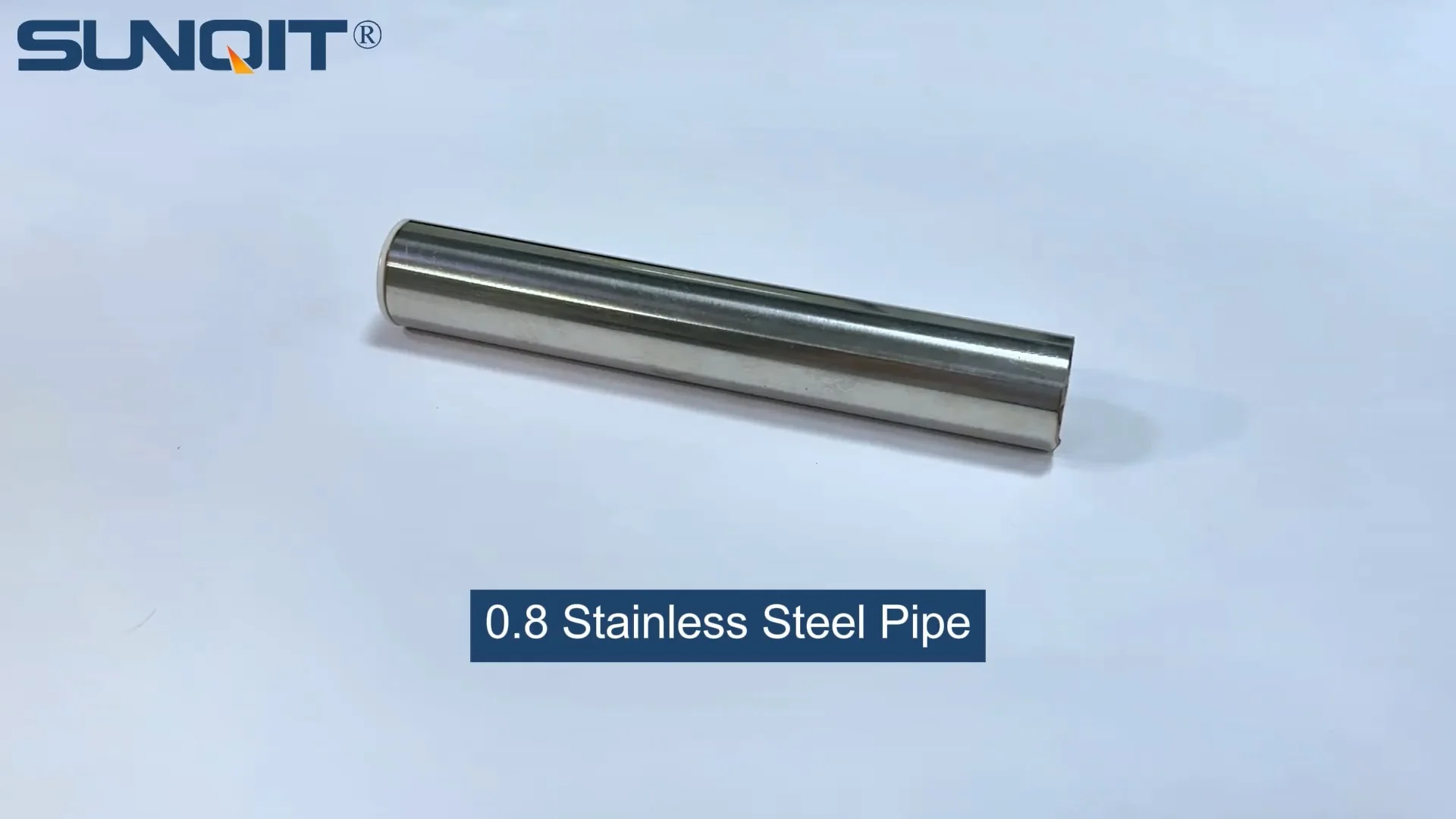
How the right material choice transforms durability and efficiency in high-pressure manufacturing environments
The Hidden Cost of Flimsy Workstations in Home Appliance Factories
Walk into any home appliance manufacturing plant, and you'll be met with a symphony of activity: robots assembling refrigerators, workers fitting control panels onto washing machines, and conveyor belts humming as parts zip from one station to the next. In the middle of all this chaos stand the unsung heroes of production: the workstations. These tables, racks, and mobile trolleys are where the magic happens—where components are sorted, assembled, and inspected before becoming part of the appliances we use daily.
But here's the thing: not all workstations are built to keep up with the demands of home appliance production. Imagine a workstation tasked with holding 50-pound metal brackets for oven doors, day in and day out. Or one that's wheeled across factory floors dozens of times daily, only to be hosed down at the end of shifts to remove grease and cleaning chemicals. Over time, flimsy materials bend, rust, or break, turning these essential tools into liabilities. Factories end up replacing workstations every 12–18 months, draining budgets and disrupting workflows with unplanned downtime.
The root of the problem often boils down to material choice. Many facilities opt for cheaper options like plastic-coated pipes or thin aluminum, assuming they'll "get the job done." But in the high-stakes world of home appliance manufacturing—where precision, speed, and reliability are non-negotiable—cutting corners on workstation materials ends up costing more in the long run. That's where 1.2mm stainless steel pipe comes in. This unassuming material is quietly revolutionizing how factories build and maintain their workstations, turning short-lived setups into long-term assets.
Why Home Appliance Lines Demand More Than "Good Enough" Workstations
To understand why 1.2mm stainless steel pipe is a game-changer, let's first break down what makes home appliance manufacturing so tough on workstations. Unlike industries that handle lightweight components, home appliance plants deal with heavy, often abrasive parts. A single dishwasher tub, for example, can weigh 30 pounds; multiply that by hundreds of units per shift, and you're looking at a workstation surface that's under constant stress.
Then there's the issue of environment. Factories use industrial cleaners to wipe down surfaces, and many parts (like metal brackets or glass panels) come coated in oils or lubricants. These chemicals can eat away at cheaper materials: plastic coatings peel, aluminum corrodes, and thin steel develops rust spots that weaken the structure over time. Add in the physical movement—workstations on caster wheels being pushed across uneven concrete floors, or roller tracks vibrating as parts slide along them—and it's clear: workstations here need to be built like tanks, not toys.
Perhaps the biggest pressure, though, is the push for lean manufacturing. Home appliance brands are always looking to trim waste, reduce downtime, and speed up production cycles. A workstation that breaks mid-shift? That's waste. A rack that can't support the weight of incoming parts, causing delays? That's waste. And replacing a workstation every year? That's not just waste—it's a drain on resources that could be invested in better technology or employee training.
So, what if there was a material that could stand up to all this? One that laughs off heavy loads, shrugs at chemical exposure, and keeps rolling (literally, with those caster wheels) for years, not months? Enter 1.2mm stainless steel pipe—a material that's quietly becoming the backbone of durable, long-lasting workstations in the industry.

1.2mm Stainless Steel Pipe: The Unsung Hero of Workstation Longevity
At first glance, 1.2mm might not sound like much. It's about the thickness of two credit cards stacked together. But when it comes to stainless steel, that 1.2mm is a sweet spot—thick enough to handle heavy loads without adding unnecessary weight, and thin enough to keep workstations mobile and adaptable. Let's dive into why this specific material and thickness are making waves.
Strength that doesn't quit : Stainless steel is known for its tensile strength, and 1.2mm hits the mark perfectly for workstation frames. Tensile strength measures how much stress a material can take before breaking; 1.2mm stainless steel pipe typically boasts a tensile strength of around 500–600 MPa (that's megapascals, for the non-engineers). To put that in perspective: a single 1.2mm stainless steel pipe can support over 200kg of weight without bending. That means even when workers stack heavy motor parts or glass oven doors on a lean pipe workbench built with this material, the frame stays rigid and true.
Corrosion resistance that outlasts the competition : Stainless steel contains chromium, which forms a thin, invisible layer on the surface that resists rust and corrosion. This is a game-changer in factories where cleaning chemicals or oily residues are part of daily life. Unlike aluminum (which can corrode when exposed to certain acids) or plastic-coated pipes (which scratch and peel, exposing the metal underneath), 1.2mm stainless steel pipe keeps its protective layer intact. I visited a refrigerator factory in Ohio last year where they'd installed stainless steel workstations over five years ago—they still looked new, save for a few minor scratches. The plant manager told me, "We used to replace plastic-coated workbenches every 18 months. These? We haven't touched 'em except to tighten a caster wheel here and there."
Flexibility to fit any workflow : One of the best things about stainless steel pipe is how adaptable it is. It pairs seamlessly with standard lean manufacturing components—think joints, brackets, and roller tracks —so factories can customize workstations to their exact needs. Need a U-shaped assembly line? Bend the pipes (carefully, with the right tools) into the shape. Want a mobile workstation? Attach caster wheels to the base. The 1.2mm thickness strikes the perfect balance between rigidity and flexibility, making it easy to build everything from simple tables to complex material racks without sacrificing strength.
| Material | Thickness | Max Load Capacity (per pipe) | Corrosion Resistance | Estimated Lifespan in Factory Use | Maintenance Needs |
|---|---|---|---|---|---|
| 1.2mm Stainless Steel Pipe | 1.2mm | 200–250kg | Excellent (resists rust, chemicals) | 5–7 years | Minimal (occasional caster wheel tightening) |
| 1.5mm Plastic-Coated Steel Pipe | 1.5mm (with 0.3mm plastic coating) | 150–180kg | Poor (coating peels; steel rusts underneath) | 1–2 years | High (replace coating, treat rust spots) |
| 2.0mm Aluminum Pipe | 2.0mm | 120–150kg | Fair (resists mild chemicals; prone to pitting in harsh environments) | 2–3 years | Moderate (clean with specialized solutions to prevent corrosion) |

Building a Better Workstation: How 1.2mm Stainless Steel Integrates with Lean Systems
Workstations aren't just standalone tables—they're part of a larger ecosystem. In home appliance manufacturing, that ecosystem is all about lean systems: minimizing waste, streamlining flow, and keeping production moving like a well-oiled machine. 1.2mm stainless steel pipe doesn't just make workstations durable; it makes them smarter, too, by integrating seamlessly with the tools that drive lean efficiency.
Take the lean pipe workbench , for example. These workstations are designed to keep tools and parts within arm's reach, reducing the time workers spend searching for what they need. A lean pipe workbench built with 1.2mm stainless steel pipe can support not just the work surface, but also overhead racks for tools, side shelves for parts bins, and even built-in roller tracks for moving partially assembled components to the next station. Because the steel is strong, you don't have to worry about the shelves sagging under the weight of heavy tools, or the roller track vibrating loose after months of use.
Then there are the caster wheels. Workstations on wheels are a staple in lean environments—they let teams reconfigure the production line on the fly, adapting to changes in demand or new product launches. But a caster wheel is only as good as the frame it's attached to. A flimsy frame will wobble, making the workstation hard to push and increasing the risk of parts falling off. With 1.2mm stainless steel, the frame stays stable, even when fully loaded. I spoke to a line supervisor at a washing machine plant who told me, "We used to have aluminum workstations on casters—they'd shake so bad when we moved them, we'd have to stop and reposition parts. Now, with stainless steel, we roll 'em across the floor, and everything stays put. It's like night and day."
Roller tracks, too, benefit from stainless steel's durability. These tracks use a series of small wheels to let parts slide from one workstation to the next, reducing the need for manual lifting. But if the track's frame is weak, it can bend under the weight of parts, causing jams. 1.2mm stainless steel pipe provides a rigid base, ensuring the track stays straight and the wheels keep turning smoothly. In one factory I visited, they'd installed a 20-foot roller track made from stainless steel pipe over three years ago. "We've had zero jams since we put it in," the plant engineer said. "Before, with the plastic track, we'd have to stop production once a week to unstick parts. Now? It just works."
The Long-Term Payoff: Why Investing in 1.2mm Stainless Steel Pipe Saves Money
Let's talk numbers—because at the end of the day, factories care about the bottom line. A 1.2mm stainless steel pipe workstation might cost more upfront than a plastic-coated or aluminum one. Depending on the size, you could be looking at a 30–40% higher initial price tag. But here's the thing: that higher cost is an investment, not an expense. Let's break down the math.
A typical plastic-coated workstation costs around $300 and lasts 18 months. Over five years, that's 3.33 replacements (since 5 years = 60 months; 60/18 = 3.33), totaling $1,000. A 1.2mm stainless steel workstation? It costs around $450 upfront but lasts 5–7 years. Even at the low end (5 years), that's $450 total—less than half the cost of replacing plastic workstations. And that's not even counting the hidden costs: downtime when a workstation breaks, labor hours spent installing new ones, or the risk of damaged parts from a wobbly table.
Then there's the impact on productivity. A durable workstation means fewer interruptions. Workers don't have to stop mid-task to adjust a sagging shelf or clean up a rust stain that's made a part slippery. They can focus on what they do best: building appliances. Over time, that adds up to more units produced, happier employees (no one likes working with faulty equipment), and a stronger reputation for reliability—all of which boost the bottom line.
One factory manager I interviewed put it best: "We used to see workstation replacements as a 'necessary evil.' Now, with stainless steel, we see them as a one-time purchase. It's like buying a good pair of boots—you pay more upfront, but they last so long, you actually save money in the end. And honestly? The peace of mind is priceless. I don't lie awake at night worrying about a workstation breaking during the morning rush anymore."
Looking Ahead: The Future of Workstations in Home Appliance Manufacturing
As home appliance manufacturing continues to evolve—with more automation, smarter factories, and a greater focus on sustainability—the demand for durable, adaptable workstations will only grow. 1.2mm stainless steel pipe is well-positioned to lead the way, thanks to its unique blend of strength, corrosion resistance, and flexibility.
Sustainability, in particular, is a big driver. Factories are under pressure to reduce their carbon footprint, and replacing workstations every year is anything but sustainable. Stainless steel is 100% recyclable, and its long lifespan means fewer resources are used in production and transportation over time. It's a material that aligns with the industry's push to "build once, build right."
There's also the rise of modular workstations. As factories shift to producing smaller batches of specialized appliances (think smart refrigerators with custom features or energy-efficient washing machines), they need workstations that can be reconfigured quickly. 1.2mm stainless steel pipe's compatibility with standard joints and accessories makes it easy to disassemble and rebuild workstations as needs change—no need to buy entirely new setups.
At the end of the day, though, the biggest reason stainless steel will remain a staple is simple: it works. In an industry where reliability is everything, a workstation built with 1.2mm stainless steel pipe doesn't just meet expectations—it exceeds them, day in and day out, year after year.
Final Thoughts: Durability Isn't a Luxury—It's a Necessity
Home appliance factories are busy, high-pressure places. They're filled with hardworking people, cutting-edge technology, and a relentless drive to make better products faster. In all that chaos, the last thing anyone needs is a workstation that lets them down.
1.2mm stainless steel pipe isn't just a material—it's a solution. It's the difference between a workstation that lasts 18 months and one that lasts 5 years. It's the difference between constant downtime and smooth, uninterrupted production. And it's the difference between seeing workstations as a cost to be minimized and as an investment in the factory's future.
So, the next time you walk into a home appliance factory, take a look at the workstations. Chances are, the ones that are still going strong—supporting heavy loads, resisting rust, and rolling smoothly on their caster wheels—are built with 1.2mm stainless steel pipe. It's not the flashiest technology in the plant, but it's one of the most important. After all, in manufacturing, as in life, the strongest foundations are the ones you don't have to think about. They just work.