- Company Articles
- Products and Technology
- Product knowledge
- How 0.8mm Stainless Steel Pipe Enhances Lean Manufacturing Sustainability

How 0.8mm Stainless Steel Pipe Enhances Lean Manufacturing Sustainability
Related Product
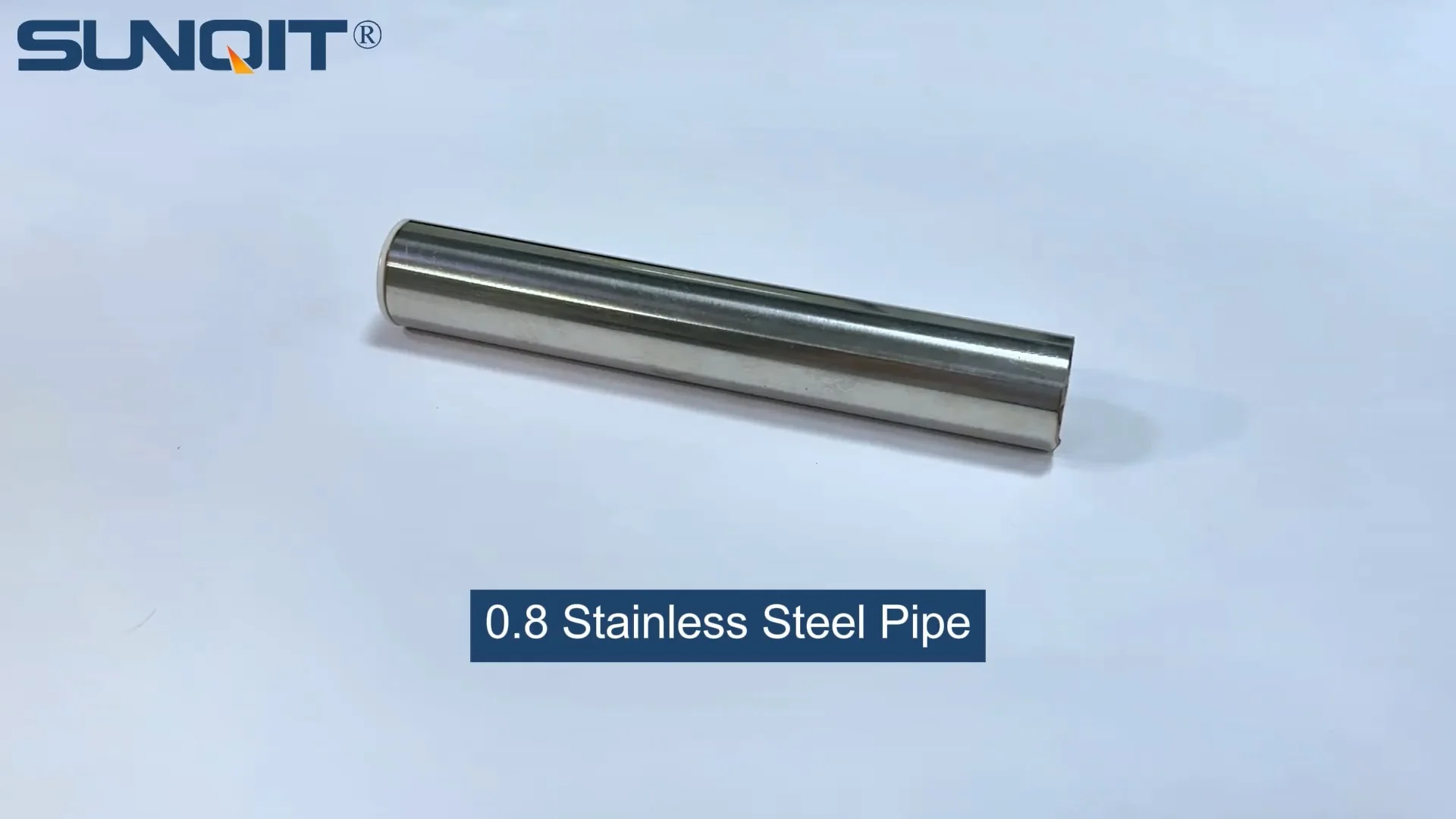
0.8mm Stainless Steel Pipe
Stainless steel pipe, lean pipe, diameter is 28mm, material is SS201 or SS304, SS201 is normally used in the market. It knows a KARAKURI, KAIZEN material for industrial plant to improve efficiency, save labor cost, standard management.
Balancing efficiency, durability, and environmental responsibility in modern production
The Manufacturing Crossroads: Efficiency, Cost, and the Planet
In today's fast-paced manufacturing landscape, leaders face a delicate balancing act: meeting rising consumer demand, keeping operational costs in check, and adhering to increasingly strict sustainability regulations. For decades, the industry has leaned on "lean manufacturing" as a guiding philosophy to cut waste, boost productivity, and streamline processes. But as the world grapples with climate change, a new layer of complexity has emerged: how to make lean systems sustainable —not just efficient.
At the heart of this challenge lies material choice. The components that build production lines—from workbenches to flow racks, conveyors to storage systems—directly impact a facility's carbon footprint, operational costs, and ability to adapt to changing needs. Enter the 0.8mm stainless steel pipe: a seemingly unassuming material that's quietly revolutionizing how manufacturers approach lean sustainability. Thinner than traditional steel pipes yet surprisingly robust, this innovation bridges the gap between waste reduction, long-term durability, and environmental responsibility. Let's explore how it's reshaping the future of manufacturing.
Lean Manufacturing: More Than Just Efficiency—A Commitment to Value
Before diving into the specifics of 0.8mm stainless steel pipe, it's critical to ground ourselves in what lean manufacturing truly entails. Coined by Toyota in the 1950s, the term "lean" refers to a systematic approach to minimizing waste ( muda ) without sacrificing productivity. Waste, in this context, isn't just physical scraps; it includes overproduction, waiting times, unnecessary transportation, defects, and underutilized talent. The goal? To create more value for customers with fewer resources.
But in 2025, "value" has expanded beyond just product quality and cost. Today's consumers and regulators demand transparency around environmental impact, pushing manufacturers to embed sustainability into their lean frameworks. This means rethinking not only how things are made but what they're made of. A material that supports quick reconfiguration (reducing downtime waste) but requires frequent replacement (creating material waste) misses the mark. Conversely, a material that's ultra-durable but heavy and inflexible (increasing transportation and energy waste) isn't lean, either. The ideal material must align with both efficiency and sustainability—and that's where 0.8mm stainless steel pipe shines.

0.8mm Stainless Steel Pipe: The Sweet Spot of Strength and Material Efficiency
Stainless steel has long been a staple in manufacturing for its corrosion resistance, strength, and hygiene. But traditional stainless steel pipes often come with a tradeoff: thickness. Pipes with 1.2mm or 1.5mm walls offer undeniable durability, but they're heavy, resource-intensive to produce, and costly. For lean systems that prioritize flexibility—think modular workbenches or reconfigurable flow racks—this bulk can be a liability.
The 0.8mm stainless steel pipe disrupts this paradigm. By reducing wall thickness to 0.8mm, manufacturers achieve a rare balance: strength without excess . Modern metallurgical advancements, including precision rolling and alloy optimization, ensure that even at this thinner gauge, the pipe retains impressive tensile strength (up to 500 MPa) and impact resistance. This means it can support the weight of components, tools, and products in most assembly and storage applications—from lightweight electronics to medium-duty automotive parts—without bending or warping over time.
But why 0.8mm specifically? Engineering tests show this thickness is the "sweet spot" for lean applications. Thinner pipes (0.5mm or less) risk compromising structural integrity, especially when paired with lean pipe joints or used in load-bearing setups like material racks. Thicker pipes (1.0mm+) offer marginal gains in strength but require significantly more raw material, driving up costs and carbon emissions during production. For most manufacturers, 0.8mm hits the target: just enough material to perform, not a millimeter more.

Supporting Lean Principles: Waste Reduction Through Modularity
Lean manufacturing thrives on adaptability. A production line that can be reconfigured in hours (not weeks) to accommodate a new product, seasonal demand, or process improvement is a line that stays competitive. This is where the 0.8mm stainless steel pipe, paired with lean pipe and accessories , becomes a game-changer.
Unlike rigid, welded steel structures, 0.8mm stainless steel pipes use friction-fit or bolted joints—think 90° fixed lean pipe joints, parallel lean pipe joints, or swivel roller balls—to connect components. This modularity allows teams to disassemble, rearrange, and reassemble workbenches, flow racks, or conveyors with minimal tools and downtime. For example, a electronics manufacturer producing smartphones can quickly retool a workbench to assemble tablets by swapping out a few pipes and adding new brackets. No need to scrap the entire setup or purchase new equipment—reducing both waste and capital expenditure.
This flexibility directly addresses two key lean wastes: overprocessing (spending time and resources on unnecessary setup) and defects (producing subpar products due to ill-fitting equipment). By enabling rapid reconfiguration, 0.8mm stainless steel pipe ensures that production lines evolve with value —not just volume—keeping teams focused on continuous improvement ( kaizen ).
Sustainability by Design: From Cradle to Cradle
Sustainability isn't just about reducing waste during production—it's about considering a product's entire lifecycle. The 0.8mm stainless steel pipe excels here, with three key environmental benefits:
1. Material Efficiency: Thinner walls mean less stainless steel per linear meter. Compared to a 1.2mm pipe, an 0.8mm pipe uses ~33% less raw material. For a manufacturer using 10,000 meters of pipe annually, that translates to approximately 2,400kg of steel saved—equivalent to reducing CO₂ emissions by over 5 tons (based on steel production averages). This "lightweighting" also cuts transportation costs: lighter pipes mean fewer truckloads, lowering fuel consumption and emissions during delivery.
2. Longevity = Less Replacement: Stainless steel's inherent corrosion resistance and the 0.8mm pipe's optimized strength mean it outlasts alternatives like plastic-coated lean pipes or aluminum. In humid warehouses or food-processing facilities, where rust and degradation are constant threats, stainless steel maintains its integrity for 10–15 years—double the lifespan of plastic-coated options. Fewer replacements mean less waste sent to landfills and fewer resources spent on manufacturing new components.
3. 100% Recyclability: Stainless steel is one of the most recyclable materials on the planet, with a recycling rate of over 90% globally. Unlike plastic, which degrades during recycling, stainless steel retains its properties indefinitely, making it a "cradle-to-cradle" material. When a production line is finally retired, 0.8mm stainless steel pipes can be melted down and reformed into new pipes, automotive parts, or even consumer goods—closing the loop on resource use.
Real-World Applications: Building Sustainable Lean Systems
To understand the impact of 0.8mm stainless steel pipe, let's look at three common manufacturing setups where it's making a difference:
1. Flow Racks for Just-In-Time (JIT) Production: Flow racks are the backbone of JIT systems, ensuring materials move smoothly from storage to assembly lines. Traditional flow racks often use heavy steel or aluminum, which are durable but hard to adjust. By using 0.8mm stainless steel pipes for the rack frame and pairing them with stainless steel swivel roller balls (1 inch), manufacturers create lightweight, corrosion-resistant flow racks that can be reconfigured to hold different part sizes. A case study from a mid-sized automotive supplier found that switching to 0.8mm stainless steel flow racks reduced setup time by 40% and cut annual material replacement costs by $12,000—all while lowering the facility's carbon footprint by 8 tons per year.
2. ESD Workbenches for Electronics Manufacturing: Electrostatic discharge (ESD) workbenches are critical for assembling sensitive electronics like circuit boards. These workbenches require a stable, grounded surface and often need to support tools, monitors, and anti-static mats. 0.8mm stainless steel pipe, with its conductivity and strength, provides an ideal frame. Unlike plastic or aluminum, stainless steel dissipates static charge safely, reducing the risk of component damage. A semiconductor plant in Taiwan reported a 30% drop in ESD-related defects after upgrading to stainless steel workbenches, along with a 25% reduction in bench weight—making them easier to move during line reorganizations.
3. Modular Conveyor Systems: Conveyors are essential for moving products between production stages, but they're often rigid and energy-intensive. 0.8mm stainless steel pipe, when combined with roller track and accessories, creates lightweight conveyor frames that use less power to operate (due to reduced weight) and can be extended or shortened as needed. A beverage bottling plant in Germany replaced its aluminum conveyor frames with 0.8mm stainless steel, citing better resistance to cleaning chemicals (a common issue with aluminum) and a 15% reduction in energy use from lighter belt drives.
How Does It Compare? A Material Showdown
To put the 0.8mm stainless steel pipe's benefits into perspective, let's compare it to three common alternatives in lean manufacturing:
| Material | Cost (per meter) | Durability (lifespan) | Recyclability | Weight (kg/m) | Sustainability Score* |
|---|---|---|---|---|---|
| 0.8mm Stainless Steel Pipe | $8–$12 | 10–15 years | 100% recyclable; retains properties | 2.1 | 9/10 |
| 1.2mm Aluminum Pipe | $10–$15 | 7–10 years | 100% recyclable; high energy to recycle | 1.8 | 7/10 |
| Plastic-Coated Lean Pipe (1.5mm steel core) | $6–$9 | 3–5 years (coating degrades) | Low (plastic coating contaminates recycling) | 2.5 | 4/10 |
| 0.8mm Galvanized Steel Pipe | $5–$7 | 5–8 years (prone to rust in humid environments) | 90% recyclable; zinc coating limits reuse | 2.0 | 6/10 |
*Sustainability score based on material efficiency, recyclability, and lifecycle impact (1=low, 10=high)
The data speaks for itself: 0.8mm stainless steel pipe offers the best balance of cost, durability, and sustainability. While aluminum is lighter, its higher price and energy-intensive recycling process make it less appealing for budget-conscious, eco-focused facilities. Plastic-coated pipes are cheaper upfront but require frequent replacement, creating more waste in the long run. Galvanized steel, though affordable, lacks stainless steel's corrosion resistance—critical for facilities with high humidity or strict hygiene standards (e.g., food processing, pharmaceuticals).
Challenges and Considerations: Making the Switch
No material is perfect, and 0.8mm stainless steel pipe is no exception. Its thinner walls require careful handling during installation—dropping or bending pipes can weaken them, though modern joint designs (like internal rotary aluminum joints) help mitigate this risk. Additionally, while stainless steel is recyclable, sourcing responsibly produced stainless steel matters. Look for suppliers who use recycled steel scrap (up to 60% of stainless steel production can come from scrap) and energy-efficient manufacturing processes to maximize sustainability gains.
Cost is another consideration. 0.8mm stainless steel pipe is often 10–15% more expensive upfront than plastic-coated or galvanized steel. But when factoring in lifecycle costs—fewer replacements, lower energy use, and recyclability—the total cost of ownership (TCO) is typically 20–30% lower over 10 years. For manufacturers focused on long-term sustainability, this is a worthwhile investment.
The Future of Lean: Small Pipes, Big Impact
As lean manufacturing evolves to embrace sustainability, materials like 0.8mm stainless steel pipe will become increasingly central. Its ability to support waste reduction, flexibility, and environmental responsibility aligns with the industry's dual goals of efficiency and planet stewardship. Whether used in flow racks, workbenches, or conveyor systems, it's a testament to how innovation in material science can turn "lean" into "green."
For manufacturers ready to take the next step, the message is clear: don't overlook the basics. The pipes, joints, and frames that build your production line are more than just tools—they're the foundation of a sustainable future. And with 0.8mm stainless steel pipe, that foundation has never been stronger, lighter, or more responsible.