- Company Articles
- Products and Technology
- Product knowledge
- How 1.0mm Stainless Steel Pipe Enhances Flexibility in Material Handling Carts

How 1.0mm Stainless Steel Pipe Enhances Flexibility in Material Handling Carts
Related Product
1.0mm Stainless Steel Pipe
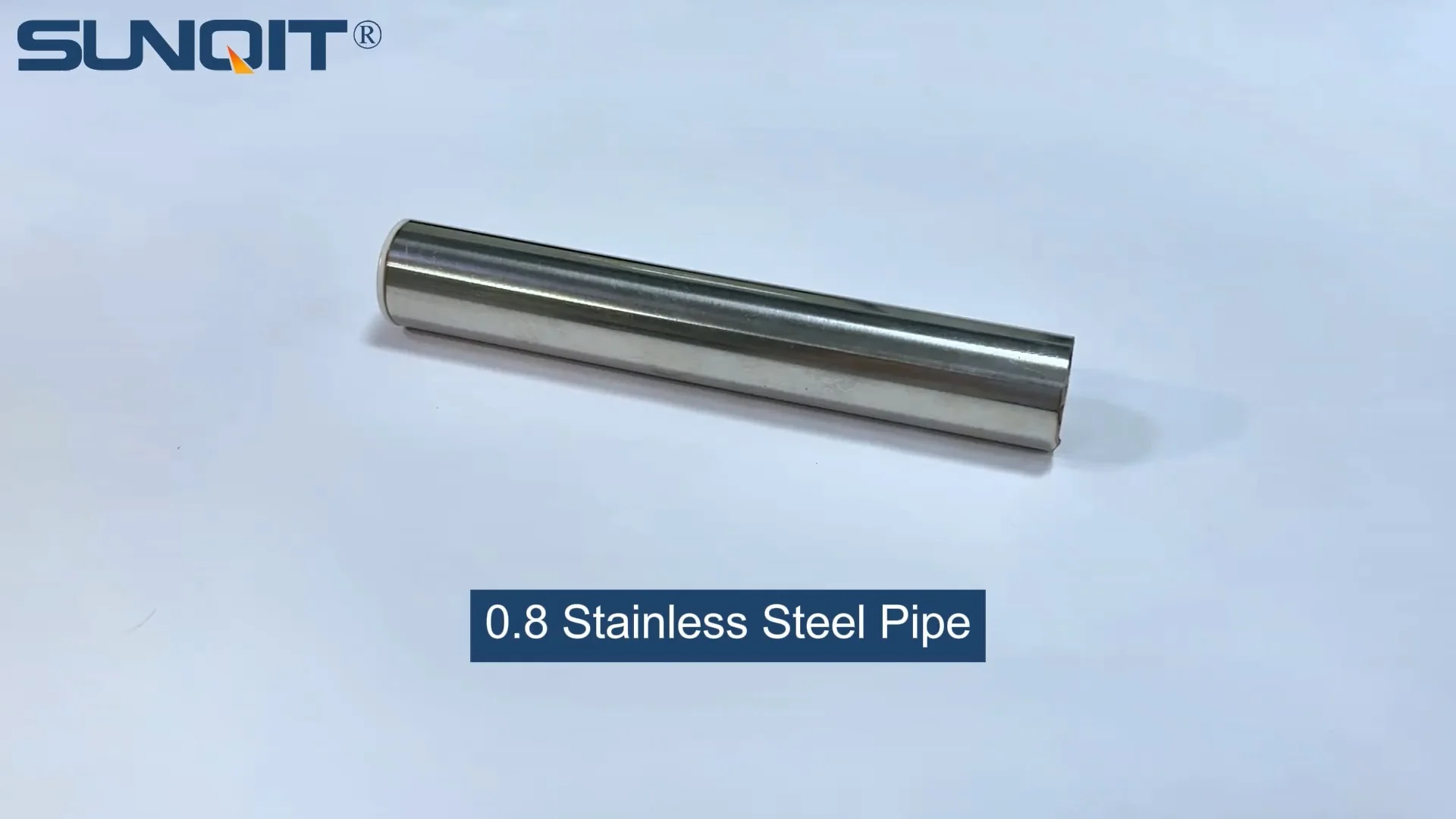
Stainless steel pipe, lean pipe, diameter is 28mm, material is SS201 or SS304, SS201 is normally used in the market. It knows a KARAKURI, KAIZEN material for industrial plant to improve efficiency, save labor cost, standard management.
Introduction: The Unsung Hero of Material Handling
Walk into any warehouse, factory, or distribution center, and you'll notice a quiet workhorse keeping operations moving: material handling carts. These unassuming tools—whether they're shuttling components between assembly lines, transporting finished goods to shipping docks, or organizing inventory on the shop floor—are the backbone of efficient logistics. But here's the thing: not all carts are created equal. Many operations still rely on rigid, one-size-fits-all solutions that struggle to adapt to changing needs. Carts that are too heavy to maneuver, too flimsy to handle daily wear, or too fixed in design to reconfigure for new tasks can slow down workflows, increase worker fatigue, and even lead to costly delays.
That's where the 1.0mm stainless steel pipe comes in. Part of the broader
stainless steel pipe series
, this specific thickness has emerged as a game-changer for material handling cart design. It's not just about strength (though it has plenty); it's about striking the perfect balance between durability and flexibility. Imagine a cart that can be easily adjusted to carry different load sizes, withstands the humidity of a food processing plant, and is light enough for a single worker to push across a warehouse floor. That's the promise of 1.0mm stainless steel pipe—and it's transforming how businesses approach material handling.
What Makes 1.0mm Stainless Steel Pipe Special?
Let's start with the basics: what exactly is 1.0mm stainless steel pipe, and why does that 1.0mm thickness matter? Stainless steel is already prized for its corrosion resistance, thanks to its chromium content, which forms a protective oxide layer on the surface. But when you pair that with a 1.0mm wall thickness, something magical happens. It's thin enough to be lightweight and easy to work with, yet thick enough to handle the rigors of daily use. Unlike heavier steel pipes (which can make carts cumbersome) or thinner options (which risk bending under load), 1.0mm hits the sweet spot.
Think of it as the Goldilocks of material handling components: not too heavy, not too weak, but just right. This balance is what gives it its flexibility—both in terms of physical adaptability (bending, cutting, and assembling into custom shapes) and operational adaptability (adjusting to new tasks, environments, and load requirements). And because it's part of the stainless steel pipe series, it integrates seamlessly with a range of accessories, from
lean pipe joints
to casters, making it easy to build or modify carts without starting from scratch.

Flexibility in Design: Beyond "One and Done" Carts
One of the biggest frustrations with traditional material handling carts is their rigidity. A cart built for transporting small electronic components might be useless when your operation shifts to bulkier items. A cart designed for a dry warehouse might rust and degrade in a cold storage facility. With 1.0mm stainless steel pipe, that rigidity melts away. Here's how:
Modular Assembly with Lean Pipe Joints
: The real secret to its flexibility lies in how it pairs with
lean pipe joints
. These simple, often plastic or metal connectors allow you to snap, clamp, or screw pipes together into virtually any configuration. Need a cart with three shelves instead of two? Just add a few extra pipes and joints. Want to adjust the height of the handle to reduce worker strain? Loosen a joint, reposition the pipe, and tighten—no welding, no specialized tools, no downtime. This modularity means your cart can evolve with your needs, rather than becoming obsolete when operations change.
Lightweight Yet Strong
: At 1.0mm thick, the pipe is surprisingly lightweight. A typical 1-meter length weighs just over 0.5 kg, making it easy to handle during assembly or reconfiguration. But don't let the weight fool you—stainless steel's inherent strength means it can support heavy loads without bending. For example, a basic cart frame built with 1.0mm stainless steel pipe can comfortably carry 150-200 kg, depending on the design. This combination of lightness and strength makes it ideal for carts that need to be both maneuverable and robust.
Adaptable to Environments
: Unlike plastic pipes that warp in high heat or aluminum that dents easily, stainless steel holds up in tough conditions. Its corrosion resistance makes it perfect for humid environments (like food processing plants or greenhouses), while its temperature tolerance works in both freezers and warm factories. This means you can use the same base pipe to build carts for multiple areas of your facility, reducing the need for specialized equipment.

Durability: Built to Last, Not Just to Work
Flexibility is great, but what good is a cart that falls apart after a few months? Here's where 1.0mm stainless steel pipe truly shines: it's built to endure the daily grind. Let's break down its durability factors:
Corrosion Resistance
: Stainless steel's chromium oxide layer acts as a shield against rust and corrosion. This is a huge advantage over carbon steel (which needs constant painting or coating) or plastic (which can degrade from chemical exposure). In a warehouse where carts are regularly cleaned with disinfectants or exposed to spills, this resistance translates to less maintenance and longer lifespans.
Impact Resistance
: Accidental bumps into walls,, or other carts are inevitable in busy facilities. The 1.0mm thickness gives the pipe enough "give" to absorb minor impacts without denting, while stainless steel's toughness prevents cracks or splits. Compare this to aluminum pipes, which can bend permanently under similar force, or plastic pipes that might shatter.
Low Maintenance
: Unlike wooden carts that splinter, painted steel that chips, or plastic that fades, stainless steel requires almost no upkeep. A quick wipe with a damp cloth is usually enough to keep it clean. The lean pipe joints, too, are designed for longevity—many are made from high-quality plastics or zinc-plated steel that resist wear and tear, even with frequent adjustments.
Real-World Applications: From Turnover Trolley and Rack to Custom Workstations
To truly understand the impact of 1.0mm stainless steel pipe, let's look at some common applications where it's making a difference:
Example 1: The Adaptable Turnover Trolley
A
turnover trolley and rack
is used to store and transport items like bins, boxes, or small parts. Traditional versions are often fixed in size, with shelves at set heights. But with 1.0mm stainless steel pipe, a manufacturer of automotive parts was able to build a turnover trolley that adjusts to different bin sizes. By using lean pipe joints, they can move shelves up or down by 5cm increments, accommodating everything from shallow component bins to deep storage boxes. The stainless steel also holds up to the oil and grease common in automotive shops, ensuring the trolley stays functional for years.
Example 2: Cleanroom-Ready Material Cart
In pharmaceutical or electronics manufacturing, cleanrooms require strict hygiene standards. A food packaging plant in California needed carts that could withstand daily sanitization with harsh chemicals without rusting or contaminating products. They chose 1.0mm stainless steel pipe for its corrosion resistance and smooth surface (which doesn't trap dirt or bacteria). The modular design also allowed them to add features like removable shelves for easy cleaning and
caster wheels
with locking brakes to prevent movement during loading/unloading. Today, these carts are a staple in their cleanroom, requiring minimal maintenance and reducing the risk of product contamination.
Example 3: Ergonomic Assembly Line Cart
Worker ergonomics is a top priority for many manufacturers, as strained muscles and repetitive motion injuries can lead to lost productivity. A furniture assembly plant was struggling with high turnover due to worker complaints about heavy, hard-to-push carts. They switched to carts built with 1.0mm stainless steel pipe, which reduced the overall weight by 30% compared to their old steel carts. They also used lean pipe joints to adjust the handle height to match the average worker's waist level, reducing back strain. The result? A 25% decrease in reported injuries and a noticeable boost in morale.
Comparing Materials: Why 1.0mm Stainless Steel Beats the Rest
You might be wondering: why not use aluminum pipe, plastic-coated lean pipe, or even wood? Let's break down how 1.0mm stainless steel pipe stacks up against common alternatives:
| Material | Weight (1m length) | Max Load Capacity (per pipe) | Corrosion Resistance | Flexibility in Design | Best For |
|---|---|---|---|---|---|
| 1.0mm Stainless Steel Pipe | ~0.55 kg | 150-200 kg (cart frame) | Excellent (resists water, chemicals, humidity) | High (modular with lean pipe joints) | Heavy-duty, wet, or corrosive environments; adaptable carts |
| Aluminum Pipe (1.0mm) | ~0.3 kg | 100-150 kg (cart frame) | Good (but prone to denting) | High (similar modularity) | Lightweight, dry environments; temporary or low-load carts |
| Plastic-Coated Lean Pipe (1.2mm steel core) | ~0.6 kg | 120-180 kg (cart frame) | Poor (coating can chip, exposing steel core to rust) | High (standard lean pipe joints) | Dry, low-corrosion areas; budget-friendly, short-term use |
| Wooden Frame | ~1.2 kg (pine, 1m length) | 80-120 kg (depending on wood type) | Poor (absorbs moisture, warps, rots) | Low (fixed design, hard to modify) | Light, non-abrasive loads; temporary or aesthetic uses |
As the table shows, 1.0mm stainless steel pipe offers the best balance of weight, strength, corrosion resistance, and flexibility. While aluminum is lighter, it's less durable for heavy loads or harsh environments. Plastic-coated pipe is cheaper but risks corrosion if the coating is damaged. Wood is heavy and rigid, making it a poor choice for adaptable carts. For operations that need carts to last, adapt, and perform in diverse conditions, stainless steel is the clear winner.
The Role of Accessories: Caster Wheel and Beyond
A cart is only as good as its components, and 1.0mm stainless steel pipe plays well with a range of accessories that enhance its functionality. Here are a few key ones:
Caster Wheels
: No cart is complete without
caster wheel
s, and stainless steel pipe frames pair perfectly with these. Whether you need swivel casters for tight corners, locking casters for stability during loading, or heavy-duty casters for rough floors, the lightweight yet strong frame ensures the wheels can do their job without overloading. For example, a cart with four 5-inch locking casters and a stainless steel frame can glide smoothly across concrete floors, even with a full load, reducing worker effort.
Shelves and Panels
: Stainless steel pipe works with wire mesh, plywood, or plastic shelves, which can be attached using clamps or brackets. This allows you to customize the cart for different items—wire shelves for airflow (great for perishables), solid panels for small parts that might fall through, or anti-slip mats for fragile items.
Tool Holders and Hooks
: Need to keep tools, tape, or labels handy? Add hooks or holders made from smaller stainless steel pipes or accessories. These can be clamped to the cart frame, keeping essentials within reach and reducing time spent searching for tools.
Sustainability: A Pipe That Keeps On Giving
In today's world, sustainability is more than a buzzword—it's a business imperative. 1.0mm stainless steel pipe aligns with green initiatives in several ways:
Long Lifespan
: Unlike plastic or wooden carts that need replacement every 2-3 years, a stainless steel cart can last 10+ years with minimal maintenance. This reduces waste and the environmental impact of manufacturing new carts.
Recyclable
: Stainless steel is 100% recyclable. When a cart finally reaches the end of its life (decades down the line), the pipes and joints can be melted down and reused, reducing reliance on raw materials.
Energy Efficiency in Production
: While stainless steel production does require energy, its longevity means the total energy footprint over its lifecycle is often lower than that of shorter-lived materials, which need to be produced and transported more frequently.
Conclusion: Flexibility That Drives Efficiency
Material handling carts might not get the same attention as high-tech machinery, but they're critical to keeping operations running smoothly. And at the heart of a great cart is the right material. 1.0mm stainless steel pipe—with its unique blend of flexibility, durability, and adaptability—isn't just a component; it's a solution to the common frustrations of rigid, short-lived, or inefficient carts.
Whether you're building a
turnover trolley and rack
, a custom workstation, or a heavy-duty transport cart, this pipe empowers you to create tools that grow with your business. Its modularity with
lean pipe joints
, compatibility with
caster wheel
s and other accessories, and resistance to corrosion and wear make it a smart investment for any operation looking to boost efficiency, reduce costs, and support workers.
So the next time you're evaluating material handling equipment, don't overlook the humble pipe. Sometimes, the smallest components—like a 1.0mm stainless steel pipe—can make the biggest difference in how your business moves forward.