- Company Articles
- Products and Technology
- Product knowledge
- How 1.2mm Stainless Steel Pipe Contributes to Cost-Effective Lean Manufacturing

How 1.2mm Stainless Steel Pipe Contributes to Cost-Effective Lean Manufacturing
Related Product
1.2mm Stainless Steel Pipe
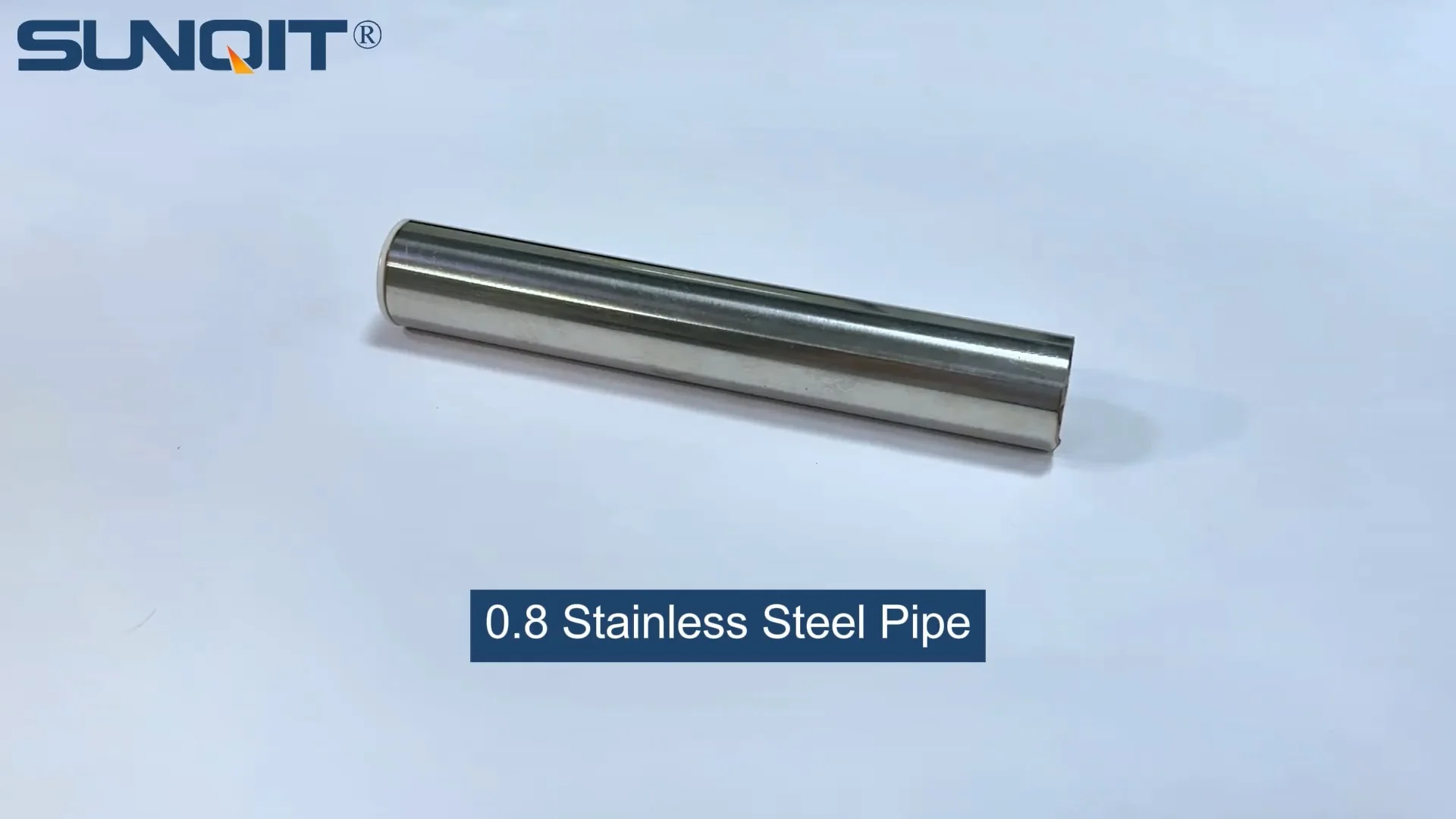
Stainless steel pipe, lean pipe, diameter is 28mm, material is SS201 or SS304, SS201 is normally used in the market. It knows a KARAKURI, KAIZEN material for industrial plant to improve efficiency, save labor cost, standard management.
The unsung hero of efficient, waste-free production lines
The Heartbeat of Lean: Why Every Component Matters
In the world of manufacturing, where every second and every dollar counts, lean manufacturing isn't just a buzzword—it's a lifeline. At its core, lean is about stripping away waste: excess time, unnecessary materials, redundant processes. It's about creating systems that flow like water—smooth, adaptable, and unbroken. But here's the thing: even the best lean strategies stumble if they're built on flimsy foundations. That's where the right materials come in. Today, we're diving into a component that's quietly revolutionizing lean systems worldwide: the 1.2mm stainless steel pipe.
You might be thinking, "A pipe? How can a simple pipe make or break a lean system?" Let's start with the basics. In any production environment—whether you're assembling electronics, packaging food, or building machinery—you rely on structures: workbenches where operators stand for hours, flow racks that move parts from A to B, conveyors that keep products moving, and frames that hold tools and materials within arm's reach. These structures aren't just "furniture"; they're the backbone of your workflow. If they're rickety, they slow down work. If they're hard to adjust, they trap you in rigid processes. If they corrode or break, they become a source of constant waste—wasted time fixing them, wasted money replacing them, and wasted space cluttering up your floor.
Traditional materials often fall short here. Wooden workbenches warp under heavy tools. Regular steel pipes rust in humid factories, leaving stains on products and requiring frequent repainting. Thick metal frames are sturdy but so heavy that reconfiguring a production line feels like rearranging boulders. So, what if there was a material that's strong enough to handle daily wear, flexible enough to adapt to changing needs, and durable enough to outlast years of use? Enter the 1.2mm stainless steel pipe.
What Makes 1.2mm Stainless Steel Pipe Special?
Let's break down the specs first. At just 1.2mm thick, this pipe is surprisingly lightweight—but don't let that fool you. Stainless steel is inherently strong, and the 1.2mm gauge strikes a perfect balance: thick enough to support heavy loads (we're talking hundreds of pounds of tools, parts, or products) but thin enough to keep the overall weight of structures low. That combination—strength plus lightness—is a game-changer for lean systems, where adaptability is key.
Then there's the "stainless" part. Unlike regular steel, stainless steel contains chromium, which forms a protective layer against corrosion. In factories where moisture, oils, or chemicals are part of the daily grind, this isn't just a nice-to-have—it's essential. Imagine a food packaging plant where a rusted flow rack drips orange residue onto packaging materials, or an electronics assembly line where a corroded workbench leg shorts out sensitive components. With 1.2mm stainless steel pipe, those nightmares vanish. It stands up to spills, humidity, and even occasional exposure to cleaning agents, meaning less time spent on maintenance and more time focused on production.
But perhaps its biggest superpower is versatility. Thanks to standardized lean pipe joints, these pipes snap together like building blocks. No welding, no drilling, no specialized tools. A single operator can assemble a workbench in an hour, reconfigure a flow rack in 30 minutes, or disassemble a conveyor section and rebuild it elsewhere in the plant by lunchtime. This isn't just convenience—it's the very essence of lean. When your structures are modular, you stop wasting time waiting for contractors to modify them. You stop being stuck with a "one-size-fits-all" layout that doesn't fit tomorrow's orders. You start adapting —quickly, cheaply, and without disrupting the entire line.

From Waste to Wealth: The Cost-Saving Magic of Modularity
Let's talk numbers—because in manufacturing, every decision comes down to the bottom line. At first glance, 1.2mm stainless steel pipe might seem pricier than, say, a wooden plank or a basic steel tube. But lean manufacturing teaches us to look beyond the upfront cost; we need to calculate the total cost of ownership (TCO). That includes maintenance, replacement, labor, and even the cost of waste generated by inefficient tools. Let's break this down with a real-world example: a small electronics plant that switched from wooden workbenches and regular steel flow racks to 1.2mm stainless steel structures.
Before the switch, the plant had 10 wooden workbenches. Every 6–8 months, the tops would warp from the weight of soldering irons and circuit boards, leaving gaps where small parts (like screws or resistors) would fall through. Replacing a bench top cost $150 and took 2 hours of downtime per bench. Then there were the steel flow racks: they rusted in the plant's air-conditioned but humid environment, so every year, the maintenance team spent a week sanding, priming, and repainting them—costing $800 in materials and 40 labor hours. worst of all, when the plant landed a new client with different product dimensions, reconfiguring the rigid steel racks was impossible. They had to buy entirely new racks, costing $3,000 and creating a pile of "old but still usable" racks that cluttered the warehouse.
After switching to 1.2mm stainless steel pipe workbenches and flow racks, here's what changed: The workbench tops, made with stainless steel frames and durable plastic surfaces, didn't warp. Three years later, they still look new. The flow racks, assembled with lean pipe joints, never rusted—no more annual repainting. And when the new client came in? The team disassembled the old racks, re-cut a few pipes (using basic hand tools), and reassembled them to fit the new product size. Total cost for reconfiguration: $0 in new materials, 8 hours of labor. Over three years, the plant saved an estimated $12,000 in replacement parts, maintenance, and downtime. That's the TCO difference.
To put this in perspective, let's look at a side-by-side comparison of traditional materials and 1.2mm stainless steel pipe. The table below shows the average costs over a 5-year period for a mid-sized production line with 20 workbenches and 10 flow racks:
| Cost Category | Traditional Materials (Wood/Regular Steel) | 1.2mm Stainless Steel Pipe | 5-Year Savings with Stainless Steel |
|---|---|---|---|
| Initial Material Cost | $15,000 (lower upfront) | $20,000 (higher upfront) | -$5,000 (initial investment) |
| Maintenance (Repairs, Repainting) | $8,000 (warped wood, rusted steel) | $500 (occasional joint tightening) | +$7,500 |
| Replacement Parts (Benches, Racks) | $12,000 (replacing 50% of structures) | $0 (no replacements needed) | +$12,000 |
| Labor for Reconfiguration | $6,000 (hiring contractors, downtime) | $1,000 (in-house team, minimal downtime) | +$5,000 |
| Total 5-Year Cost | $41,000 | $21,500 | +$19,500 |
The numbers speak for themselves. What starts as a higher upfront cost quickly becomes a massive savings when you factor in durability, flexibility, and reduced waste. This is why more and more lean system managers are calling 1.2mm stainless steel pipe "the smartest investment they never knew they needed."

Beyond the Numbers: How Stainless Steel Pipes Shape a Lean Culture
Lean manufacturing isn't just about tools and materials—it's about culture. It's about empowering teams to identify waste and solve problems. 1.2mm stainless steel pipes don't just build better structures; they build better habits. Here's how:
Ownership : When operators can adjust their own workbenches (lowering or raising the height with a few twists of a lean pipe joint) to fit their posture, they feel more in control of their workspace. Happy, comfortable operators are more engaged and less likely to cut corners—a win for quality and morale.
Adaptability : In a lean system, "continuous improvement" is the mantra. If a team notices that a flow rack is causing bottlenecks, they shouldn't have to wait for engineering to design a new one. With stainless steel pipes and modular lean pipe joints, they can sketch a new design on a napkin, grab a few extra pipes, and test it the same day. This kind of agility turns "we need to fix this" into "we fixed this"—fast.
Clarity : A cluttered, disorganized workspace is a breeding ground for waste. Stainless steel structures, with their clean lines and customizable layouts, help keep tools and materials where they belong. No more hunting for a missing tool or stepping over misplaced parts. When everything has a place, the workflow speeds up, and mistakes drop.
Take the example of a automotive parts supplier I worked with last year. Their assembly line operators had been complaining for months about a conveyor that was too low, forcing them to bend over for hours. The old conveyor was a fixed steel structure, so management kept putting off the fix, citing "high costs." After switching to a 1.2mm stainless steel pipe conveyor, the maintenance team (not even the engineering department!) adjusted the height in 45 minutes using extra pipes and joints from the storage closet. The next day, operator fatigue reports dropped by 30%. That's the power of a material that puts control back in the hands of the people who use it.
Myth-Busting: "Stainless Steel Is Too Fancy for Our Plant"
I've heard the objections. "We're not a high-end facility—we don't need 'stainless steel.'" Or, "Won't thin-walled pipes bend under heavy loads?" Let's tackle these head-on.
First, "fancy" is a misnomer. Stainless steel isn't just for hospitals or luxury kitchens. In manufacturing, it's a practical choice. The 1.2mm thickness is intentional: it's thin enough to be lightweight but thick enough to handle the daily abuse of a production line. A single 1.2mm stainless steel pipe can support up to 50kg of weight when properly mounted—more than enough for most tools, parts, or products. And because the pipes are often used in frames (with multiple pipes distributing weight), they can handle even heavier loads without bending.
Second, "we don't need corrosion resistance." Think again. Even if your plant isn't "wet," there's always moisture: sweat from operators, steam from coffee machines, humidity in the air during summer months. Regular steel starts rusting the moment the paint chips—stainless steel? It stays shiny. And for plants that do handle liquids (like food processing or cosmetics), stainless steel is non-negotiable to meet hygiene standards. It's easy to clean, doesn't harbor bacteria, and won't leach chemicals into products.
Finally, "we can't afford it." As we saw earlier, the TCO tells a different story. But if upfront cost is still a concern, many suppliers offer bulk pricing for lean pipe wholesale orders, bringing the per-unit cost down. Plus, you don't have to replace everything at once. Start with high-waste areas—like workbenches that need constant repairs or flow racks that are always causing bottlenecks. The savings from those first changes will fund the rest.
The Future of Lean: Where Stainless Steel Pipes Meet Innovation
As manufacturing evolves—with smaller batches, faster product cycles, and more customization—lean systems need to get even more agile. 1.2mm stainless steel pipes are already keeping up, thanks to innovations in accessories and design. For example, new lean pipe joint designs allow for 360-degree rotation, making it easier to build curved conveyors or angled workbenches. Lightweight but strong aluminum guide rails, often paired with stainless steel pipes, create smoother flow for delicate products. And caster wheels with stainless steel frames let entire structures roll from one part of the plant to another, turning fixed workstations into mobile cells.
Looking ahead, we'll likely see even more integration between stainless steel pipes and smart manufacturing tools. Imagine a workbench frame with built-in sensor mounts (attached via lean pipe joints) that track production metrics, or flow racks with embedded RFID tags (secured to stainless steel surfaces) that automatically log inventory levels. The modularity of stainless steel pipes makes it easy to add these technologies without rebuilding the entire structure—another win for lean adaptability.
Final Thoughts: The Pipe That Powers Progress
At the end of the day, lean manufacturing is about respect—respect for your team's time, respect for your customers' needs, and respect for your company's resources. Choosing the right materials is an act of that respect. 1.2mm stainless steel pipe might not be the flashiest technology in your plant, but it's the quiet workhorse that keeps your lean system running smoothly, adaptably, and cost-effectively.
So, the next time you walk through your production line, take a look at the structures around you. Are they holding you back, or are they lifting you up? If it's the former, maybe it's time to consider the unsung hero of lean systems: a pipe that's strong, flexible, and built to last. Your bottom line, your team, and your customers will thank you.