- Company Articles
- Products and Technology
- Application Cases
- How 1.2mm Stainless Steel Pipe Improves Workplace Safety in Manufacturing

How 1.2mm Stainless Steel Pipe Improves Workplace Safety in Manufacturing
Related Product
1.2mm Stainless Steel Pipe
Stainless steel pipe, lean pipe, diameter is 28mm, material is SS201 or SS304, SS201 is normally used in the market. It knows a KARAKURI, KAIZEN material for industrial plant to improve efficiency, save labor cost, standard management.
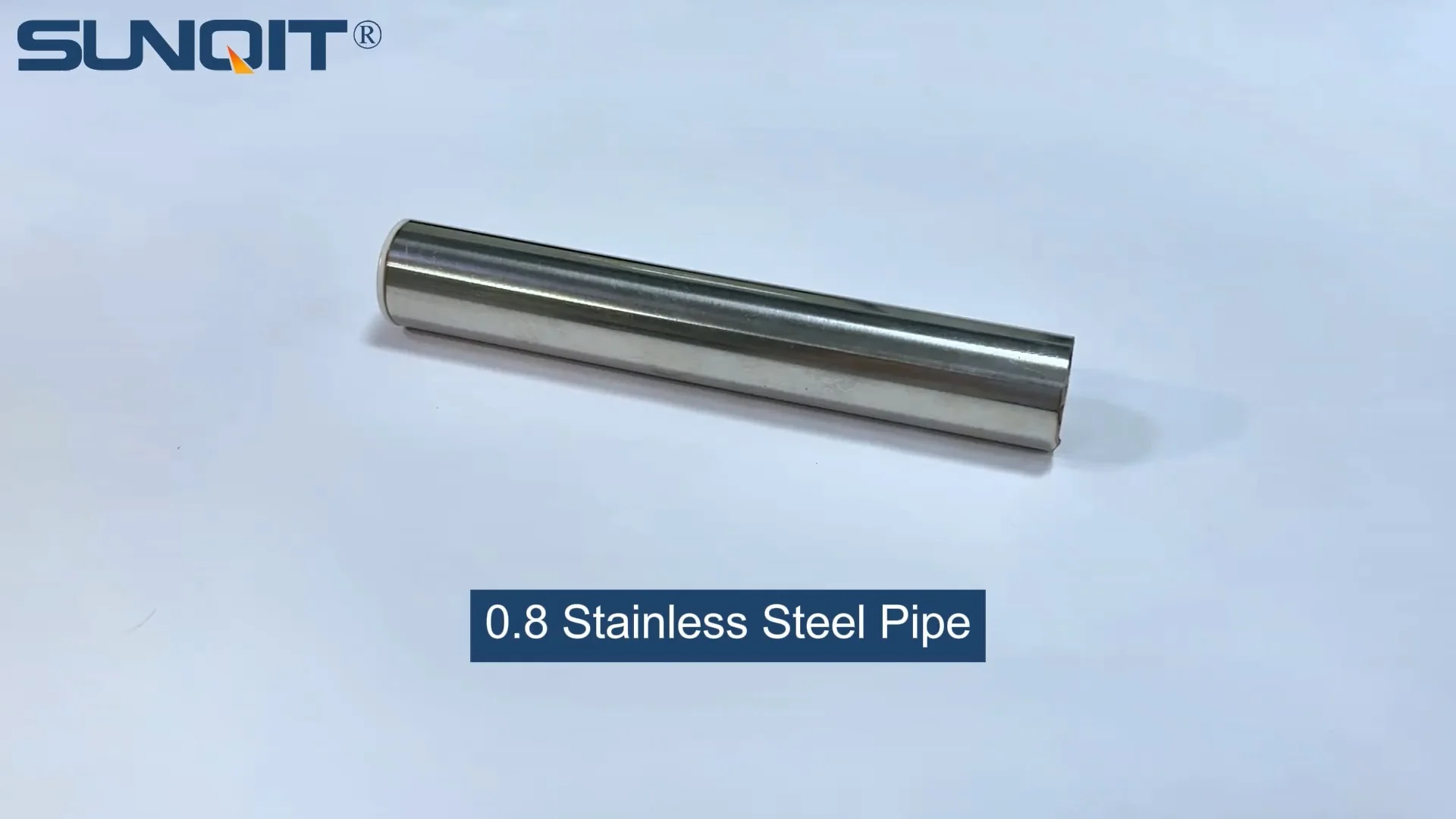
Walk into any manufacturing facility, and you'll quickly realize that safety isn't just a poster on the wall—it's the invisible backbone that keeps operations running. Every tool, every rack, every inch of the workspace plays a role in protecting the people who keep production moving. But in the rush to meet deadlines or cut costs, safety can sometimes take a backseat to efficiency. That's where small, intentional choices in materials make a world of difference. Today, we're diving into one such material: the 1.2mm stainless steel pipe. It might not sound glamorous, but this unassuming component is quietly revolutionizing workplace safety in factories, assembly lines, and warehouses across the globe. Let's explore how this thin yet mighty pipe is turning hazardous work environments into spaces where workers feel secure, productive, and valued.
The Stakes of Safety: Why Manufacturing Workplaces Can't Afford to Cut Corners
Before we get into the specifics of stainless steel pipes, let's ground ourselves in why workplace safety matters—beyond the obvious moral obligation. According to the Occupational Safety and Health Administration (OSHA), manufacturing facilities report over 2.5 injuries per 100 full-time workers annually, with many of these incidents linked to equipment failure or unstable infrastructure. A single accident can cost a company tens of thousands of dollars in medical bills, lost productivity, and workers' compensation claims. Worse, it can shatter team morale, turning a once-motivated crew into a group of employees who second-guess their every move.
Common culprits? Wobbly workbenches that tip when loaded with tools, rusted material racks that collapse under the weight of inventory, and flimsy conveyor rails that jam and create pinch points. These aren't just minor inconveniences—they're ticking time bombs. And all too often, the root cause boils down to the materials used to build that infrastructure. When corners are cut on material quality, safety becomes an afterthought.
Meet the Unsung Hero: 1.2mm Stainless Steel Pipe
Enter the 1.2mm stainless steel pipe. Part of the broader stainless steel pipe series , this particular (specification) strikes a near-perfect balance between strength, weight, and durability. Let's break down why it's become a go-to choice for safety-focused manufacturers.
The Science of Stainless Steel: Why It's Built to Last
Stainless steel gets its name from its ability to resist staining and corrosion, thanks to a chromium-rich oxide layer that forms on its surface. When exposed to oxygen, this layer self-repairs, preventing rust from taking hold—even in damp or chemical-heavy environments. For manufacturers dealing with oils, coolants, or cleaning agents, this is a game-changer. Unlike carbon steel, which rusts and weakens over time, or aluminum, which can corrode in acidic settings, stainless steel holds its ground.
But why 1.2mm specifically? Thicker pipes (say, 2.0mm) would add unnecessary weight, making installations cumbersome and driving up material costs. Thinner pipes (0.8mm) might save money upfront but lack the tensile strength to support heavy loads, bending or warping under pressure. At 1.2mm, the pipe is rigid enough to withstand daily wear—think workers leaning on workbenches, boxes being slid onto racks, or parts rolling along conveyor tracks—without adding bulk.
To put it in perspective: A 1.2mm stainless steel pipe has a tensile strength of around 500 MPa (megapascals), meaning it can handle about 50 kilograms of force per square millimeter before deforming. For context, that's strong enough to support the weight of a small car when properly installed in a rack system. In a factory setting, where the average workbench might hold 100-200 kg of tools and parts, that's more than enough strength to keep things stable.

Building a Safer Workspace: Real-World Applications
Theory is great, but how does this pipe actually improve day-to-day safety? Let's look at three critical areas where 1.2mm stainless steel pipe shines: workbenches, material racks, and conveyor systems.
1. Workbenches That Stand Firm, Even on Long Shifts
The workbench is the heart of any manufacturing station. It's where assembly happens, tools are stored, and workers spend hours each day. A shaky workbench isn't just annoying—it's dangerous. Imagine a technician balancing a delicate circuit board while the bench wobbles; one wrong move, and the board could slip, leading to cuts from broken components or even electrical hazards.
Traditional workbenches often cut corners: wooden tops that warp with moisture, flimsy aluminum frames that bend under heavy tools, or plastic-coated pipes that chip and expose underlying metal to rust. replace that frame with 1.2mm stainless steel, and suddenly the workbench becomes a rock-solid foundation. The stainless steel legs and cross-braces resist warping, even when exposed to oil spills or repeated impacts from dropped tools. The smooth, non-porous surface is easy to clean, preventing the buildup of grime that can lead to slips. And because it doesn't rust, the bench stays stable for years—not just months.
Take Maria, a shift supervisor at a mid-sized electronics plant I visited last year. "We used to replace our workbenches every 2-3 years," she told me. "The old aluminum ones would start to creak after six months, and by year two, you could see the legs bending. We had a near-miss when a bench collapsed under a soldering station—luckily, no one was hurt, but it was a wake-up call. We switched to stainless steel frames with 1.2mm pipe, and five years later, those benches still look brand new. The technicians say they feel more confident working on them, and we haven't had a single incident since."
2. Material Racks That Don't Buckle Under Pressure
Material storage is another safety hotspot. Walk through a warehouse, and you'll often see racks stuffed to the brim with boxes, cartons, or raw materials. Overloading is common—especially when deadlines loom—and weak racks pay the price. A corroded steel rack might split at the joints; a plastic rack could crack in cold temperatures. The result? A cascade of falling inventory, risking crushed toes, sprains, or worse.
1.2mm stainless steel pipe racks are built to handle this chaos. Whether it's a material rack b (3 row and 3 floor) setup or a custom-designed storage system, the pipe's strength ensures that even overloaded shelves stay level. The corrosion resistance is a lifesaver in humid environments, like food processing plants or automotive facilities where water and chemicals are part of daily operations. Unlike wooden racks, which can splinter and create sharp edges, or aluminum racks that dent, stainless steel racks maintain their integrity, preventing debris from falling onto walkways.
John, a warehouse manager at a beverage bottling company, shared a story about their switch to stainless steel racks: "We used to have issues with our old metal racks rusting near the washdown area. The rust would weaken the joints, and every few months, we'd find a shelf sagging under the weight of soda crates. We'd prop it up with 2x4s, but that was just a band-aid. After switching to 1.2mm stainless steel racks, the rust stopped. Even when the sprinklers go off during cleaning, the racks don't corrode. Last month, we accidentally stacked 50 extra cases on a shelf—way more than the recommended load—and it didn't budge. That peace of mind? Priceless."
3. Conveyors That Keep Rolling (Safely)
Conveyor systems are the arteries of manufacturing, moving parts from station to station. But when conveyor rails bend or misalign, the whole line grinds to a halt. Worse, a jammed conveyor can create pinch points where fingers or clothing get caught. 1.2mm stainless steel roller tracks solve this by maintaining their shape, even under constant use. The smooth surface of the pipe reduces friction, allowing parts to glide without catching, while the material's durability resists wear from metal-on-metal contact.
In automotive assembly plants, where conveyors run 24/7, this reliability is critical. A single conveyor breakdown can delay production by hours, costing thousands in lost output. Stainless steel roller tracks (built with 1.2mm pipe) require minimal maintenance—no painting to prevent rust, no frequent replacements due to bending—and their consistent alignment reduces jams, keeping workers safe and production on track.

How Does It Stack Up? A Material Comparison
You might be wondering: Why not use aluminum lean pipe or plastic-coated lean pipe instead? Both are common in manufacturing, and they're often cheaper upfront. Let's put them head-to-head with 1.2mm stainless steel pipe to see where the safety edge lies.
| Material | Tensile Strength (MPa) | Corrosion Resistance | Weight (kg/m) | Maintenance Needs | Safety Edge |
|---|---|---|---|---|---|
| 1.2mm Stainless Steel Pipe | ~500 | Excellent (resists rust, oils, chemicals) | 0.8-1.0 | Low (occasional cleaning) | High stability, no sharp edges from corrosion, long-term durability |
| Aluminum Lean Pipe (1.2mm) | ~300 | Good (but prone to pitting in acidic environments) | 0.5-0.7 | Moderate (may need anodizing to prevent corrosion) | Lighter, but bends under heavy loads; risk of collapse over time |
| 1.2mm PE Coated Lean Pipe | ~400 (core steel) | Poor (coating chips, exposing steel to rust) | 0.7-0.9 | High (repair chips, replace when rust spreads) | Initial slip resistance, but coating wear leads to instability and rust hazards |
The table tells the story: stainless steel outperforms aluminum and plastic-coated pipes in tensile strength and corrosion resistance, two critical factors for safety. While aluminum is lighter, its lower strength makes it riskier for heavy loads. Plastic-coated pipes start strong but degrade quickly, creating hidden weaknesses as the coating chips. Stainless steel, on the other hand, offers consistent performance over time—no hidden surprises, no sudden failures.
Choosing the Right Supplier: Quality Matters
Not all stainless steel pipes are created equal. To reap the safety benefits, you need to work with a reputable stainless steel pipe series supplier —one that prioritizes quality over cost-cutting. Here's what to look for:
- Certifications: Ensure the supplier's pipes meet industry standards, like ISO 9001 for quality management or OSHA guidelines for workplace safety. Reputable suppliers will happily share test reports for tensile strength and corrosion resistance.
- Material Purity: Avoid "stainless steel" that's actually low-grade alloy with minimal chromium. Ask for the material grade (304 or 316 are ideal for manufacturing; 316 offers extra corrosion resistance for harsh environments).
- Precision Manufacturing: Look for pipes with consistent wall thickness (no thin spots!) and smooth, burr-free edges. Sharp edges from poor cutting can cause lacerations during installation.
- Customization Options: A good supplier will cut pipes to your exact length, pre-drill holes for joints, or even assemble racks and workbenches off-site. This reduces on-site installation time and ensures components fit perfectly—no jury-rigging required.
Skip the cheap imports from suppliers who can't provide these guarantees. Saving a few dollars per meter might seem tempting, but it's not worth the risk of a pipe that bends under pressure or rusts after six months.
Beyond Safety: The Long-Term Value of Investing in Stainless Steel
Let's talk about cost—because we know it's top of mind. 1.2mm stainless steel pipe is pricier upfront than aluminum or plastic-coated options. But safety isn't just an expense; it's an investment. Consider this: A stainless steel workbench might cost $300 more than an aluminum one, but it lasts 3-4 times longer. Over a decade, that stainless steel bench costs less than replacing aluminum benches every 2-3 years. Add in the savings from fewer accidents, lower maintenance, and higher worker productivity, and the ROI becomes clear.
There's also the sustainability angle. Stainless steel is 100% recyclable, and its long lifespan reduces waste. Unlike plastic-coated pipes, which end up in landfills when the coating fails, stainless steel can be melted down and reused, making it a greener choice for eco-conscious manufacturers.
The Future of Workplace Safety: Innovations in Stainless Steel Design
As manufacturing evolves, so too does the role of stainless steel pipes. Suppliers are now integrating smart features, like pre-drilled holes for IoT sensors that monitor load levels on racks or vibration on conveyors. If a rack is overloaded, the sensor sends an alert to supervisors, preventing collapse before it happens. Modular systems are also on the rise, allowing facilities to reconfigure workbenches or racks quickly as production needs change—no need to replace entire structures.
Another trend? Specialized coatings for even better grip. While stainless steel is naturally slip-resistant, some suppliers now offer textured surfaces that reduce the risk of tools or parts sliding off workbenches—ideal for high-precision assembly lines.
Conclusion: Safety Starts with the Right Foundation
At the end of the day, workplace safety isn't about grand gestures—it's about the small, intentional choices that add up. The 1.2mm stainless steel pipe might not grab headlines, but it's a testament to how investing in quality materials can transform a workplace. From rock-solid workbenches to unyielding material racks, this pipe provides the stability workers need to focus on their jobs, not their safety.
So, to all the manufacturers, supervisors, and safety officers reading this: The next time you're updating your facility, think beyond the bottom line. Think about Maria's technicians, who no longer worry about wobbly workbenches. Think about John's warehouse crew, who can stack inventory without fear of collapse. Think about the workers who go home safe to their families each night.
Safety isn't just a policy—it's a promise. And with 1.2mm stainless steel pipe, it's a promise you can keep.