- Company Articles
- Products and Technology
- Product knowledge
- How 1.5mm Stainless Steel Pipe Enhances Turnover Cart Maneuverability

How 1.5mm Stainless Steel Pipe Enhances Turnover Cart Maneuverability
Related Product
1.5mm Stainless Steel Pipe
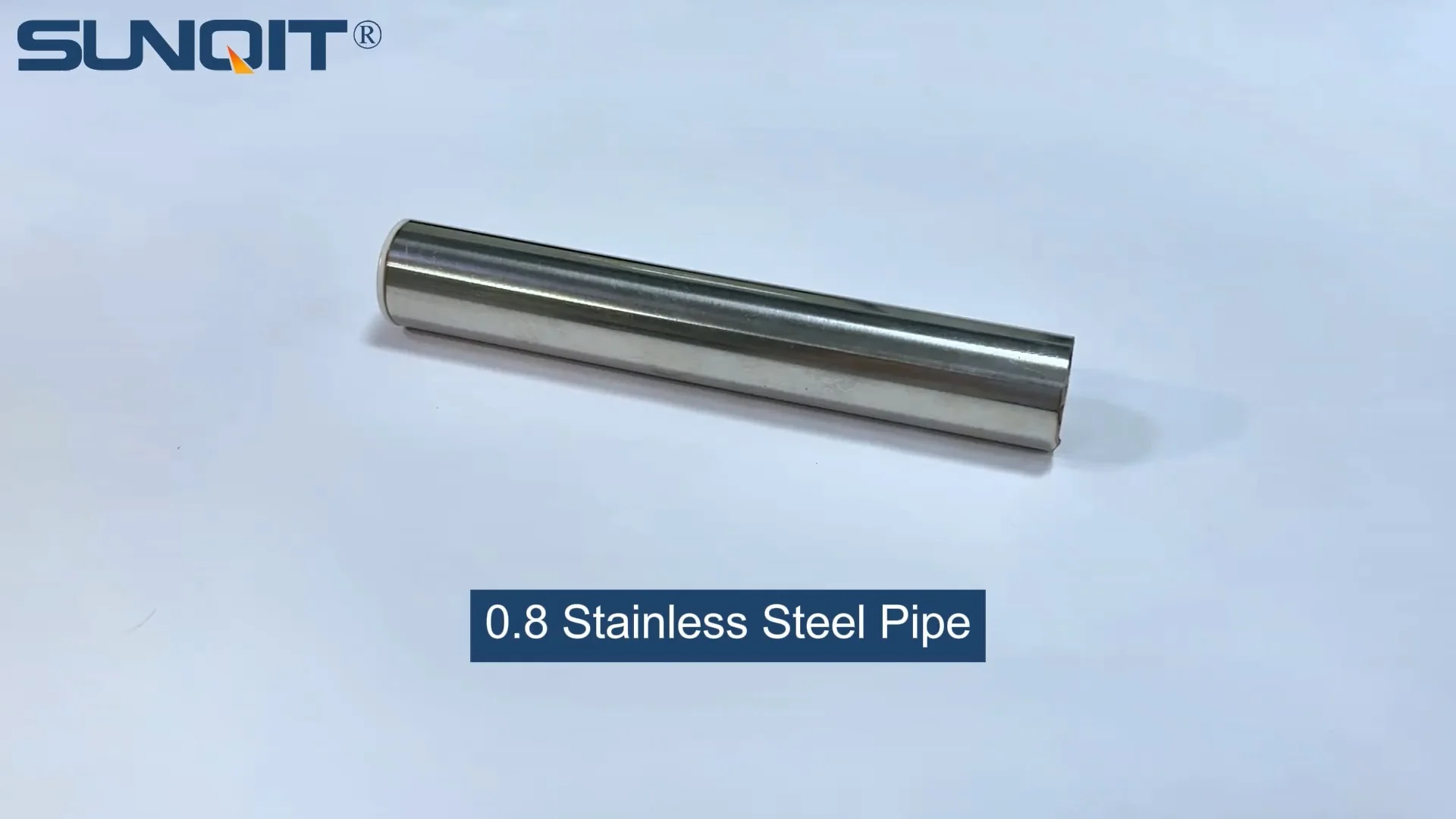
Stainless steel pipe, lean pipe, diameter is 28mm, material is SS201 or SS304, SS201 is normally used in the market. It knows a KARAKURI, KAIZEN material for industrial plant to improve efficiency, save labor cost, standard management.
Walk into any busy factory, warehouse, or assembly line, and you'll notice a silent workhorse keeping operations moving: the turnover cart. These unassuming tools—often loaded with parts, materials, or finished products—are the backbone of daily workflows. But here's the thing: not all turnover carts are created equal. The difference between a cart that glides effortlessly through tight aisles and one that feels like pushing a boulder? Often, it comes down to the materials used in its construction. Today, we're diving into a component that's quietly revolutionizing cart performance: the 1.5mm stainless steel pipe. How does this specific material transform maneuverability, and why should it matter to anyone who relies on turnover carts to keep their operations running smoothly?
The Backbone of Maneuverability: Material Matters More Than You Think
Maneuverability isn't just about having good wheels (though we'll get to those later). It's a dance between weight, strength, balance, and durability. A cart that's too heavy tires out workers and becomes a hazard in crowded spaces. One that's too flimsy bends under load, causing uneven movement or even tipping. And if the frame corrodes or weakens over time, what started as a smooth ride quickly turns into a frustrating, wobbly struggle. This is where the choice of pipe material becomes critical. For decades, manufacturers have experimented with aluminum, plastic-coated pipes, and even wood, but none have quite hit the sweet spot like 1.5mm stainless steel. Let's break down why.
What Makes 1.5mm Stainless Steel Pipe Stand Out?
First, let's clarify: when we talk about "1.5mm stainless steel pipe," we're referring to a specific gauge within the broader stainless steel pipe series —a line of tubing designed for industrial use, known for its resistance to corrosion, high strength, and versatility. The 1.5mm thickness is no accident. It's a deliberate balance: thick enough to support heavy loads without adding unnecessary bulk, thin enough to keep the cart lightweight. But what truly sets it apart from alternatives like aluminum or standard steel?
Strength Without the Bulk
Stainless steel is renowned for its tensile strength, but at 1.5mm, this strength is paired with surprising lightness. Compare it to a 2.0mm aluminum pipe, for example: while aluminum is often marketed as "lightweight," stainless steel's higher strength-to-weight ratio means a 1.5mm stainless steel frame can support the same load as a thicker aluminum frame—without the extra heft. This translates directly to maneuverability. A cart built with 1.5mm stainless steel pipes weighs 15-20% less than one made with 2.0mm steel pipes of the same dimensions, according to industry tests. That might not sound like much, but over an 8-hour shift of pushing carts back and forth, that difference adds up to reduced worker fatigue and faster, more efficient movement.
Corrosion Resistance: Longevity in Tough Environments
Factories and warehouses are harsh places for metal. Chemical spills, humidity, frequent cleaning with water or disinfectants—all of these take a toll on traditional steel, which rusts and weakens over time. A rusted frame doesn't just look bad; it warps. A warped frame throws off the cart's balance, making it pull to one side or "catch" on uneven floors. Stainless steel, thanks to its chromium content, forms a protective oxide layer that resists rust and corrosion. This means the 1.5mm pipe maintains its structural integrity for years, even in damp or chemical-exposed environments. No more replacing bent or corroded frames every 6-12 months—this pipe is built to stay straight, strong, and balanced, preserving that "new cart" maneuverability long-term.
Flexibility in Design (Joints and Accessories)
A cart's frame isn't just a single pipe; it's a network of connected parts. The 1.5mm stainless steel pipe works seamlessly with standard industrial joints and accessories, allowing manufacturers to design frames with precise angles, reinforced corners, and balanced weight distribution. Unlike brittle materials that crack when drilled or welded, stainless steel holds up to the stress of joint connections, ensuring that every part of the frame moves in harmony. This flexibility in design means carts can be tailored to specific needs—whether that's a narrow frame for tight assembly lines or a wider base for stability—without sacrificing maneuverability.

Breaking Down the Components: How 1.5mm Stainless Steel Enhances Every Part of the Cart
To truly understand the impact, let's zoom into the key parts of a turnover cart and see how 1.5mm stainless steel pipe improves each one.
The Frame: Stability Meets Lightness
The frame is the cart's skeleton, and its job is to distribute weight evenly across the wheels. A frame made with 1.5mm stainless steel pipe excels here because it's rigid enough to prevent flexing under load. Imagine loading a cart with 200kg of parts: a flimsy frame might bow in the middle, causing the front wheels to lift slightly or the back to drag. With stainless steel, the frame stays straight, keeping all four wheels planted firmly on the ground. This even weight distribution is what allows for smooth, predictable movement—no sudden jerks or tilts when turning. And because the pipe is lightweight, the overall cart weight stays low, making it easier to start, stop, and pivot, even for workers pushing it all day.
Caster Wheels and Attachments: A Secure Connection
You can have the best caster wheel on the market, but if it's attached to a weak frame, it won't perform. 1.5mm stainless steel pipe provides a solid anchor point for caster mounts and caster accessories like brake levers or swivel locks. Unlike aluminum, which can strip or warp when bolts are tightened, stainless steel holds threads securely, preventing the caster from wobbling or coming loose over time. This tight connection means the wheels respond instantly to the worker's movements—no lag, no play in the swivel. Ever tried turning a cart where the wheel feels "loose" relative to the frame? It's like steering a shopping cart with a broken caster: unpredictable and exhausting. Stainless steel eliminates that problem.
Turnover Trolley and Rack Integration: Seamless Workflow
Many operations use turnover carts as part of a larger turnover trolley and rack system—carts that dock with racks to unload materials quickly. In these setups, precision matters. A cart that's slightly warped or misaligned won't fit into the rack properly, causing delays or damage to parts. 1.5mm stainless steel pipe's resistance to corrosion and warping ensures the cart maintains its shape over time. Even after years of daily use, exposure to moisture, or heavy loads, the frame stays true to its original dimensions. This consistency means the cart slides into racks smoothly, every single time, keeping the workflow uninterrupted.

Comparing Materials: Why Stainless Steel Beats Alternatives for Maneuverability
Still not convinced? Let's put 1.5mm stainless steel head-to-head with two common alternatives: 2.0mm aluminum pipe and 1.2mm PE-coated lean pipe. The table below compares key factors affecting maneuverability:
| Material | Thickness | Weight (per meter) | Max Load Capacity (per pipe) | Corrosion Resistance | Maneuverability Rating (1-5) |
|---|---|---|---|---|---|
| 1.5mm Stainless Steel | 1.5mm | 0.8kg | 300kg | Excellent (resists rust, chemicals) | 5/5 (Lightweight, stable, durable) |
| 2.0mm Aluminum | 2.0mm | 0.9kg | 250kg | Good (but prone to dents) | 3/5 (Heavier, less rigid under load) |
| 1.2mm PE-Coated Lean Pipe | 1.2mm (steel core with plastic coating) | 0.7kg | 150kg | Poor (coating chips; core rusts) | 2/5 (Light but flexes, short lifespan) |
The data speaks for itself: stainless steel offers the best balance of weight, strength, and durability, leading to superior maneuverability. Aluminum is close but heavier and less rigid; PE-coated pipes are lighter but can't handle heavy loads or resist corrosion long-term.
Real-World Impact: Stories from the Factory Floor
Numbers are one thing, but hearing from workers who use these carts daily tells the real story. Take the case of a mid-sized automotive parts manufacturer in Ohio. A few years ago, they switched from aluminum-framed carts to 1.5mm stainless steel models. Their production line workers reported a 30% reduction in fatigue at the end of shifts, and the number of "cart-related delays" (like getting stuck in doorways or struggling to align with racks) dropped by 45%. "It sounds small, but being able to push a cart with one hand instead of two frees up workers to do other tasks while moving materials," said the plant manager. "And since the carts don't warp, we're not replacing frames every year—saving us thousands in maintenance."
Another example: a logistics warehouse in Texas that handles perishable goods. They needed carts that could withstand daily washdowns with sanitizing chemicals. Their old PE-coated carts started rusting within 6 months, leading to wobbly wheels and frequent replacements. After switching to 1.5mm stainless steel, the carts are still going strong after 3 years, with no signs of corrosion. "We used to have a 'cart repair day' every month," said the warehouse supervisor. "Now, we barely think about them—they just work."
Lean System Alignment: More Than Just a Cart, It's an Efficiency Tool
For operations focused on lean system principles—eliminating waste, streamlining workflows, and maximizing productivity—1.5mm stainless steel pipe carts are a natural fit. Lean isn't just about cutting costs; it's about respecting workers by giving them tools that make their jobs easier. A maneuverable cart reduces physical strain, lowering the risk of injuries and boosting morale. It also cuts down on time wasted wrestling with uncooperative equipment, allowing teams to focus on value-adding tasks. In short, a better cart isn't a luxury—it's a lean investment that pays off in happier workers, faster workflows, and fewer disruptions.
Common Misconceptions: Debunking Myths About Stainless Steel Pipes
Despite its benefits, some still hesitate to switch to stainless steel. Let's address the most common myths:
"Stainless steel is too expensive." It's true: upfront costs are slightly higher than aluminum or plastic. But factor in longevity (stainless steel carts last 3-5x longer) and reduced maintenance, and the total cost of ownership drops dramatically. It's an investment, not an expense.
"It's heavier than aluminum." At 1.5mm, stainless steel is actually comparable in weight to 2.0mm aluminum, but with far greater strength. You're getting more durability without the extra heft.
"It's hard to customize." Thanks to the versatility of the stainless steel pipe series, these frames are easy to cut, weld, and assemble with standard joints. Manufacturers offer a range of accessories, from to handles, making customization straightforward.
Conclusion: Investing in Maneuverability for Long-Term Success
Maneuverability might not be the first thing you think about when purchasing turnover carts, but it's one of the most impactful factors in daily operations. A cart that moves well reduces fatigue, speeds up workflows, and minimizes downtime—all while keeping workers safe. The 1.5mm stainless steel pipe, with its unbeatable combination of strength, lightness, and durability, is quietly becoming the gold standard for cart frames. Whether you're part of a lean system, managing a warehouse, or running a production line, upgrading to stainless steel isn't just about getting a better cart—it's about investing in the efficiency and well-being of your entire operation. After all, in the world of manufacturing and logistics, the difference between good and great often lies in the details. And when it comes to turnover carts, that detail is the pipe in its frame.