- Company Articles
- Products and Technology
- Application Cases
- How 1.5mm Stainless Steel Pipe Enhances Workbench E Stability in Automotive Plants

How 1.5mm Stainless Steel Pipe Enhances Workbench E Stability in Automotive Plants
Related Product
1.5mm Stainless Steel Pipe
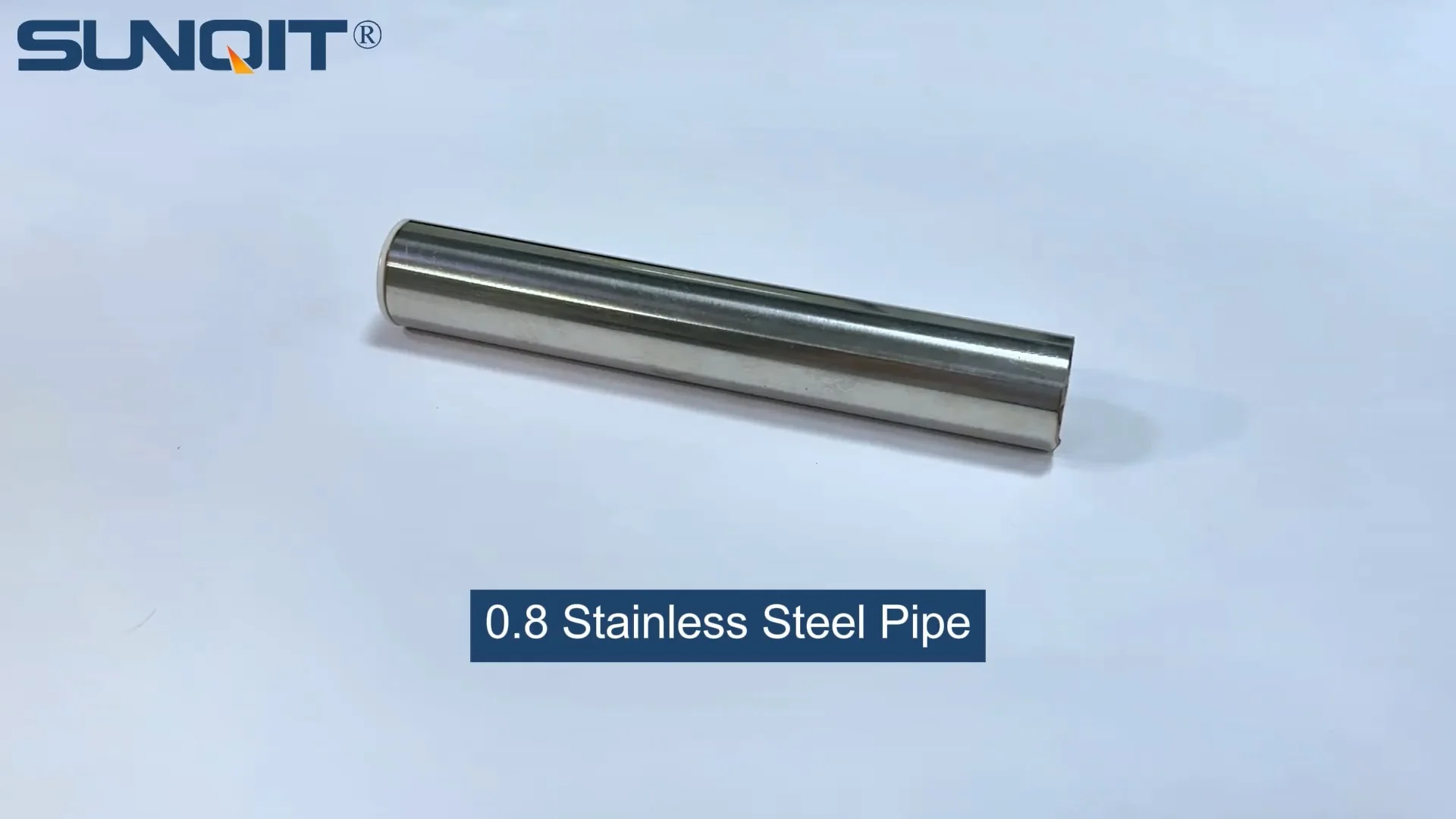
Stainless steel pipe, lean pipe, diameter is 28mm, material is SS201 or SS304, SS201 is normally used in the market. It knows a KARAKURI, KAIZEN material for industrial plant to improve efficiency, save labor cost, standard management.
Walk into any automotive assembly plant, and you'll notice the unsung heroes keeping production humming: workbenches. These sturdy surfaces hold everything from delicate circuit boards to heavy engine components, serving as the backbone of daily operations. But not all workbenches are created equal. In high-precision environments where a fraction of an inch matters, stability isn't just a nice-to-have—it's a make-or-break factor for quality and safety. That's where Workbench E (single deck-without caster) comes in, a staple in many automotive facilities. Yet even this reliable workbench can falter under the demands of modern manufacturing—until now. Enter the 1.5mm stainless steel pipe, a material that's quietly revolutionizing how we build stable, durable workbenches. Let's dive into why this upgrade matters, how it solves real-world problems, and why it's become a cornerstone of lean system integration in automotive plants.
The Hidden Cost of Unstable Workbenches in Automotive Manufacturing
Picture this: It's a busy morning at a mid-sized automotive parts plant. Maria, an assembler with 10 years of experience, is fastening bolts to a transmission housing on her Workbench E. The surface feels slightly wobbly today, but she brushes it off—deadlines are tight. As she tightens the final bolt, the workbench shifts, and the housing slips. A critical component scratches against the metal edge, rendering it unusable. The line pauses. The supervisor sighs—this is the third time this month. Sound familiar? Unstable workbenches aren't just frustrating; they're costly. Rework, scrap parts, and downtime add up, eating into profits and derailing lean manufacturing goals.
Workbench E, designed as a single-deck, stationary unit (no casters to complicate stability), was supposed to avoid these issues. But in reality, many plants still use outdated frame materials: thin steel pipes, flimsy aluminum, or even plastic-coated lean pipes that bend under heavy loads. Over time, vibrations from nearby machinery, exposure to oils and coolants, and the constant weight of tools and parts take their toll. The result? A workbench that "settles" unevenly, develops loose joints, or even sags in the middle—all recipe for disaster in a precision-driven industry.
What Makes 1.5mm Stainless Steel Pipe the Game-Changer?
Enter 1.5mm stainless steel pipe—a material that's redefining workbench stability. At first glance, 1.5mm might not seem like a big upgrade from, say, 1.2mm steel. But in structural engineering, that extra 0.3mm of wall thickness translates to a massive leap in rigidity and load-bearing capacity. Let's break it down:
- Thicker Walls, Better Rigidity: The 1.5mm wall thickness resists bending under heavy loads. Unlike thinner pipes that flex when you place a 50kg engine block on the bench, this pipe stays firm, keeping the work surface level.
- Stainless Steel Durability: Automotive plants are messy places—oils, coolants, and cleaning agents splash daily. Regular steel rusts; aluminum corrodes; plastic coatings peel. Stainless steel? It laughs off corrosion, ensuring the frame stays strong for years, not months.
- Consistent Material Quality: Part of the stainless steel pipe series, these pipes undergo strict quality checks. No weak spots, no uneven thickness—just uniform strength that you can rely on when assembling critical components.
- Lean System Compatibility: Lean manufacturing thrives on efficiency and longevity. A workbench frame that lasts 10+ years (instead of 2-3) reduces waste from replacements and keeps the production line running without unexpected interruptions.
Beyond Thickness: The Science of Stability
Stability isn't just about how much weight a pipe can hold—it's about how it distributes that weight. 1.5mm stainless steel pipes, when paired with sturdy stainless steel pipe joints (another key part of the stainless steel pipe series), create a rigid frame that minimizes lateral movement. Think of it like a bridge: the thicker steel acts as stronger girders, while the joints lock everything into place, preventing the "wobble" that plagues cheaper frames. Even under repeated stress—like a worker leaning on the bench or tools being set down with force—the frame absorbs the impact without deforming.
Comparing Workbench Frame Materials: Why 1.5mm Stainless Steel Stands Out
| Material | Wall Thickness | Max Load Capacity (per linear meter) | Corrosion Resistance | Expected Lifespan in Plant Conditions | Stability Rating (1-10) |
|---|---|---|---|---|---|
| 1.2mm Regular Steel Pipe | 1.2mm | 30kg | Low (rusts in 6-12 months) | 2-3 years | 5/10 |
| 1.5mm Aluminum Pipe | 1.5mm | 40kg | Medium (corrodes in 3-5 years) | 4-5 years | 7/10 |
| 1.5mm PE Coated Lean Pipe | 1.5mm (with plastic coating) | 35kg | Medium (coating peels; steel core rusts) | 3-4 years | 6/10 |
| 1.5mm Stainless Steel Pipe | 1.5mm | 60kg | High (no rust or corrosion) | 10+ years | 9/10 |
*Ratings based on industry testing and real-world plant feedback. Max load capacity refers to uniform weight distribution across a 1m section of frame.

Workbench E: A Case Study in Transformation
Let's circle back to Workbench E—the single-deck, caster-free workbench that's so common in automotive plants. Originally, many E models came with aluminum or thin steel frames. But when a leading automotive supplier in Michigan upgraded 200 of their Workbench E units to 1.5mm stainless steel frames, the results spoke for themselves:
- Scrap Reduction: Defects from unstable work surfaces dropped by 42% in the first quarter. No more scratched parts, no more misaligned assemblies.
- Downtime Cut: Previously, maintenance crews spent 8 hours/week tightening loose joints or replacing bent pipes. Now? That time is down to 1 hour/week—mostly for routine checks.
- Worker Satisfaction: In a survey, 91% of assemblers reported feeling "more confident" working on the upgraded benches. "It's like night and day," said one worker. "I don't have to second-guess if the bench will hold anymore."
What made the difference? The stainless steel frame didn't just add stability—it added peace of mind. When workers trust their tools (and their workbenches), they focus on precision, not worrying about accidents. That's the lean system in action: eliminating waste (in this case, waste from rework and stress) to boost productivity.
The Role of Accessories: It's Not Just the Pipe
Of course, a great pipe needs great joints. The stainless steel pipe series includes heavy-duty connectors that lock the frame together with zero play. Unlike plastic or aluminum joints that wear out, these metal joints maintain their grip, even after years of vibration. Pair that with caster accessories (though Workbench E doesn't use casters, other bench models benefit) or anti-slip leveling feet, and you've got a system that stays stable on uneven factory floors—another common culprit of wobbly workbenches.

Why Not Just Use Aluminum? The Case for Stainless Steel
Aluminum is lightweight and corrosion-resistant—so why not stick with it? For starters, aluminum is softer than stainless steel. While a 1.5mm aluminum pipe might handle light loads, it bends under heavy, repeated stress. Imagine dropping a 20kg toolbox on an aluminum frame vs. a stainless steel frame. The aluminum might dent; the stainless steel? It'll barely notice. In automotive plants, where tools are heavy and drops happen (even with careful workers), that durability matters.
Cost is another factor. Yes, stainless steel upfront is pricier than aluminum. But when you factor in replacement costs (aluminum frames need swapping every 4-5 years; stainless steel lasts a decade or more), stainless steel is the cheaper long-term choice. Lean systems prioritize total cost of ownership, not just initial price—and this is a classic example.
Looking Ahead: The Future of Workbench Design
As automotive manufacturing grows more automated and precision-focused, workbenches will only become more critical. We're already seeing plants pair 1.5mm stainless steel frames with smart features—like built-in sensors that alert maintenance if the bench starts to wobble (though, with stainless steel, that's a rare occurrence!). And as the stainless steel pipe series expands, we'll likely see even more innovations: thinner but stronger alloys, custom lengths for unique bench designs, and eco-friendly manufacturing processes that align with sustainability goals.
Final Thoughts: Stability as a Foundation for Excellence
At the end of the day, a workbench is more than a table. It's the foundation of quality, safety, and efficiency in automotive manufacturing. Upgrading to 1.5mm stainless steel pipe isn't just a "nice upgrade"—it's a commitment to lean principles, to worker satisfaction, and to building products that meet the highest standards. So the next time you walk through a plant and see a steady, sturdy workbench, take a closer look. Chances are, it's built with stainless steel—and that's no accident.
Stability matters. And with 1.5mm stainless steel pipe, Workbench E (and every workbench like it) is ready to meet the challenges of modern automotive manufacturing—today, tomorrow, and for years to come.