- Company Articles
- Products and Technology
- Application Cases
- How 1.5mm Stainless Steel Pipe Supports Continuous Improvement in Lean Lines

How 1.5mm Stainless Steel Pipe Supports Continuous Improvement in Lean Lines
Related Product
1.5mm Stainless Steel Pipe
Stainless steel pipe, lean pipe, diameter is 28mm, material is SS201 or SS304, SS201 is normally used in the market. It knows a KARAKURI, KAIZEN material for industrial plant to improve efficiency, save labor cost, standard management.
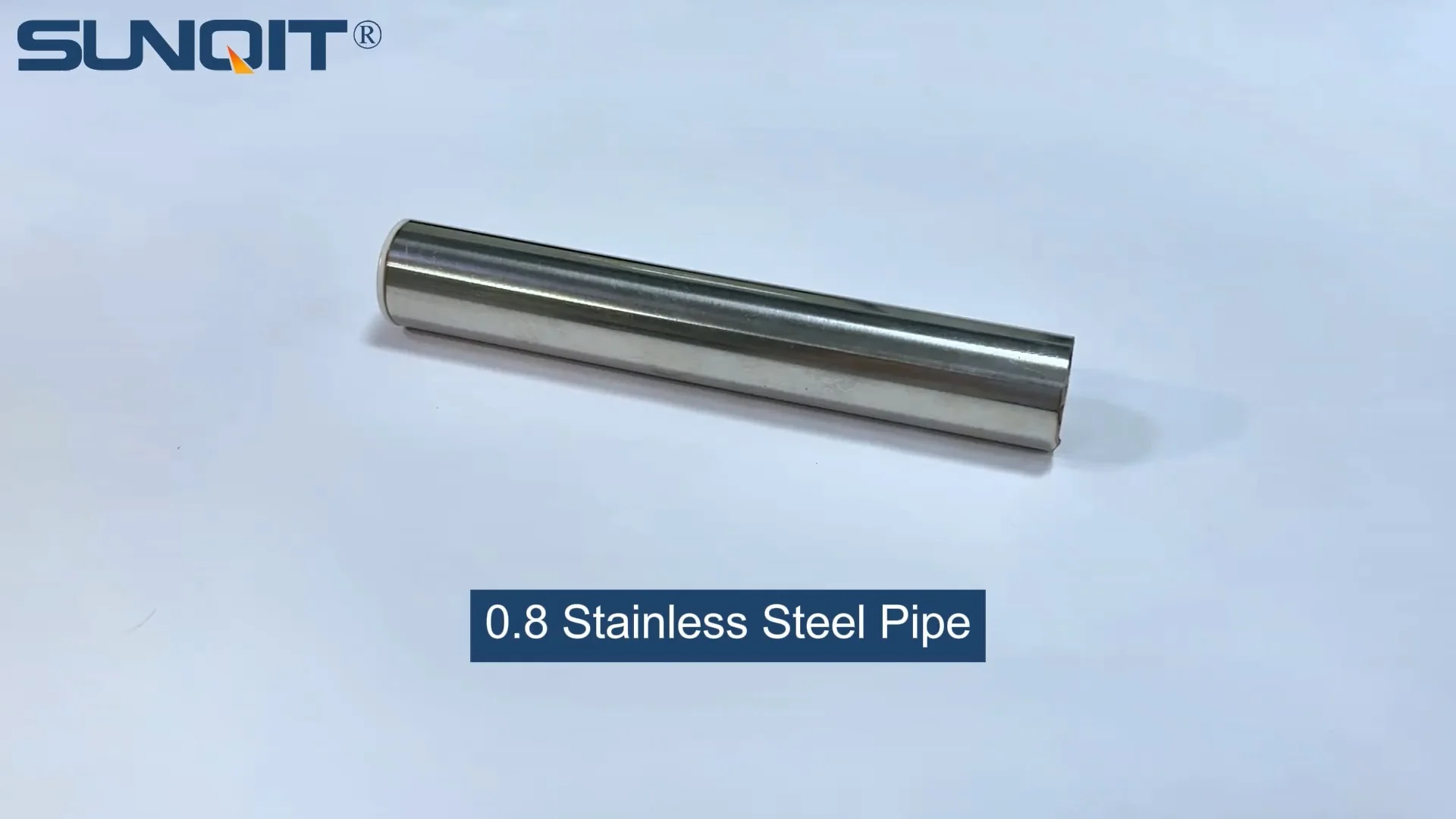
In the fast-paced world of manufacturing, where every second counts and efficiency is the name of the game, lean lines have become the backbone of successful operations. At the heart of these lines—often overlooked but critically important—are the tools and materials that keep workflows moving, workers productive, and processes adaptable. Among these, the 1.5mm stainless steel pipe stands out as a quiet hero, enabling the continuous improvement that defines lean manufacturing. It's not just a piece of metal; it's a catalyst for smoother days on the factory floor, fewer delays, and teams that can evolve right alongside shifting production needs. Let's dive into how this unassuming component plays a pivotal role in building lean systems that don't just work, but grow better over time.
Lean Lines and Continuous Improvement: More Than Just a Buzzword
Before we talk about pipes, let's ground ourselves in what lean lines truly mean. Lean manufacturing isn't about cutting corners or skimping on quality—it's about eliminating waste in every form: wasted time, wasted movement, wasted materials, and even wasted potential. Continuous improvement, or kaizen as it's known in lean circles, is the ongoing effort to make small, meaningful changes that add up to big results. It's the assembly line worker suggesting a better way to arrange tools, the supervisor noticing a bottleneck in material flow, and the team coming together to reconfigure a workbench to cut down on steps.
But here's the thing: continuous improvement can't happen in a vacuum. It needs tools that are as adaptable as the ideas fueling it. If your workbenches are bolted to the floor, if your flow racks can't be adjusted when a new product line launches, or if your conveyors rust and break after a few months of use, even the best suggestions from your team will hit a wall. That's where material handling equipment—specifically, the 1.5mm stainless steel pipe—steps in. It's the flexible, durable foundation that turns "what if?" into "let's try."
The 1.5mm Stainless Steel Pipe: Why This Thickness? Why Stainless Steel?
Walk into any manufacturing facility, and you'll see pipes everywhere—holding up shelves, framing workbenches, guiding products along conveyors. But not all pipes are created equal. The 1.5mm stainless steel pipe has emerged as a standout choice for lean lines, and for good reason. Let's break down its superpowers:
1. The Sweet Spot of Thickness: Strength Without the Bulk
At 1.5mm thick, this pipe strikes a perfect balance. Think about it: A thinner pipe (say, 1.2mm) might save on weight, but it could bend under the weight of heavy tools or stacks of components. A thicker pipe (like 2.0mm) adds strength, but it also adds heft—making it harder for workers to during reconfigurations and driving up material costs. The 1.5mm thickness? It's strong enough to support the daily grind of a busy factory—whether it's holding a loaded workbench or a flow rack stacked with parts—yet light enough that two people can easily assemble or adjust a structure without specialized equipment.
2. Stainless Steel: Built to Last (Even When the Going Gets Tough)
Stainless steel isn't just for fancy kitchen appliances. In manufacturing, where floors can be wet, chemicals might be present, or humidity runs high, corrosion is the enemy. A regular steel pipe would rust, weaken, and need replacing—creating downtime and unexpected costs. Stainless steel, with its chromium-rich composition, forms a protective layer that resists rust and corrosion. That means a 1.5mm stainless steel pipe installed today could still be going strong five, ten, or even fifteen years down the line. For maintenance teams, that's fewer emergency repairs. For production teams, that's one less thing to worry about when they're focused on meeting deadlines.
3. Smooth, Consistent, and Worker-Friendly
Ever tried to assemble something with a pipe that's rough, dented, or coated in sharp edges? It's frustrating, time-consuming, and even dangerous. 1.5mm stainless steel pipes are typically finished with a smooth surface, making them easy to handle and safe to work around. No more scraped knuckles when adjusting a flow rack or assembling a turnover trolley. Plus, their consistent diameter ensures that accessories like lean pipe joints, caster wheels, and roller track connectors fit snugly every time—no guesswork, no jerry-rigging, just reliable performance.
How Does It Stack Up? A Quick Comparison
| Material/Thickness | Strength | Weight (per meter) | Corrosion Resistance | Best For |
|---|---|---|---|---|
| 1.2mm Steel (Non-Stainless) | Moderate (bends under heavy loads) | ~1.8kg | Low (prone to rust) | Light-duty, dry environments |
| 1.5mm Stainless Steel | High (supports heavy tools/parts) | ~2.2kg | High (resists rust, chemicals) | Daily use in diverse, busy factories |
| 2.0mm Stainless Steel | Very High (overkill for most tasks) | ~2.9kg | High | Extreme heavy-duty applications (rare in lean lines) |

From Workbench to Conveyor: How 1.5mm Stainless Steel Pipes Power Lean Tools
Now, let's get practical. How does this pipe translate to real-world lean tools? Let's look at three key applications where it shines: workbenches , flow racks , and conveyors . These are the workhorses of the factory floor, and the right pipe makes all the difference.
workbench">
1. Workbenches: Where the Magic (and the Assembly) Happens
Picture this: An assembly line worker spends 8 hours a day at a workbench, piecing together small components. If that workbench is wobbly, if the height is wrong, or if tools are scattered across a cluttered surface, every task takes a little longer. Over a week, a month, a year—that adds up to hundreds of wasted hours. A well-designed workbench, built with 1.5mm stainless steel pipes, changes that.
Stainless steel pipes form the frame, paired with lean pipe joints that lock securely but can be loosened when it's time to adjust. Add a sturdy tabletop, maybe some caster wheels (another keyword!), and suddenly that workbench can be moved to where it's needed most. Need to lower the height for a new worker? Swap out a few pipes. Want to add a shelf for tools? Attach it with quick-connect joints. Because the 1.5mm steel is strong, the bench stays stable even when loaded with parts, so workers don't waste time readjusting or worrying about wobbles.
And let's not forget cleanrooms or environments where hygiene matters (think food packaging or medical device manufacturing). Stainless steel is easy to wipe down and sanitize, unlike wooden benches that absorb spills or painted steel that chips and harbors bacteria. For ESD workbenches (static-sensitive electronics assembly), the pipe's conductivity can even be controlled with specialized coatings—another example of its adaptability.
2. Flow Racks: Keeping Materials Moving, Not Waiting
Flow racks are the unsung heroes of material handling. They're the shelves where components "flow" from the back to the front, so the next part is always ready—no more reaching, bending, or searching. But a flow rack is only as good as its frame. 1.5mm stainless steel pipes form the backbone, supporting rows of roller tracks (often with swivel roller balls or plastic roller track guide rails) that let boxes and bins glide smoothly.
Here's why stainless steel matters here: Flow racks are often near production lines, where spills (oil, coolant, cleaning solutions) are common. A rusted frame would weaken over time, leading to sagging shelves and stuck rollers. With stainless steel, the frame stays strong, and the rollers keep moving. The 1.5mm thickness also means the rack can hold multiple layers of heavy parts without bowing, so you can maximize vertical space without sacrificing safety.
Remember continuous improvement? When a new product line requires taller bins or wider spacing between rollers, the flow rack can be reconfigured. Loosen the joints, add or remove pipes, adjust the angle of the roller tracks—and boom, the rack adapts. No need to buy a whole new rack; just reuse the existing pipes and accessories. That's waste reduction in action.
conveyor">
3. Conveyors: The Lifeline of Material Flow
Conveyors move products from point A to point B, whether it's a short roller track between workstations or a long belt conveyor spanning the factory. The frames and supports for these systems need to be tough—they're under constant stress from moving parts, vibrations, and varying loads. 1.5mm stainless steel pipes are up to the task.
Take roller conveyors, for example. The stainless steel frame holds the roller track placon mounts and connectors, ensuring the rollers stay aligned. Even when heavy pallets roll over them day in and day out, the 1.5mm steel doesn't flex or warp. In wet or dusty environments (like a warehouse with frequent washdowns), stainless steel resists corrosion, so the conveyor keeps running without rusted parts jamming the works.
And because the pipes are lightweight relative to their strength, conveyor sections can be modular. Need to extend a conveyor by 5 feet for a new workstation? Add a few pipes and rollers. Need to reroute it around a new machine? Disassemble and rebuild. It's like building with giant Tinkertoys—only these Tinkertoys keep a factory running.

Fitting Into the Lean System: More Than Just Pipes, It's a Ecosystem
A single pipe doesn't make a lean system— the right pipe, paired with the right accessories , does. 1.5mm stainless steel pipes work seamlessly with a range of components that turn them into fully functional tools:
- Lean Pipe Joints: These are the connectors that let you build angles, T-junctions, and crosses. Stainless steel joints (like 90° fixed lean pipe joints or parallel lean pipe joints) lock pipes in place securely but can be adjusted with a wrench when needed.
- Caster Wheels: Attach casters to a pipe frame, and suddenly your workbench or turnover trolley is mobile. The pipe's strength ensures the trolley doesn't tip, even when loaded, while the casters roll smoothly over factory floors.
- Roller Tracks and Swivel Balls: As we mentioned with flow racks, these turn static shelves into dynamic material flow systems. The pipes provide the stable base for these moving parts.
- End Caps and Covers: Plastic pipe end caps or covers finish off pipe ends, preventing snags on clothing or damage to parts—small details that add up to a safer, more efficient workspace.
Together, these components create a modular ecosystem. A lean system supplier can provide all the pieces, but the real magic is how easily they come together. A team can build a custom material rack in an afternoon, or reconfigure a conveyor overnight—all because the 1.5mm stainless steel pipes are strong, compatible, and ready to adapt.
The Real Impact: Stories From the Factory Floor
Let's step out of the technical details and into the shoes of those who use these pipes every day. Meet Carlos, a production supervisor at a small electronics assembly plant. A year ago, his team was struggling with a bottleneck: parts for a new smartphone model were stored on a rickety wooden shelf across the room from the assembly line. Workers had to walk back and forth dozens of times a day, adding minutes to each unit. "We knew we needed a flow rack," Carlos recalls, "but the old steel ones we had were rusted, and adjusting them took forever. We'd tried 1.2mm pipes before, but they bent under the weight of the component bins."
Then Carlos' team switched to 1.5mm stainless steel pipes. They built a 3-row, 3-floor flow rack (sound familiar?) right next to the assembly line, using lean pipe joints and roller tracks. "Overnight, the walk time disappeared," Carlos says. "Workers grab the next bin without turning around. And when we launched a larger phone model, we just adjusted the roller spacing—no new rack needed. The stainless steel hasn't rusted, even with the cleaning sprays we use daily. Maintenance? We haven't touched it in a year. That's continuous improvement in action."
Or consider Maria, who manages a medical device cleanroom. "We can't have rust or flaking paint in here—it contaminates the products," she explains. "Our old workbenches were aluminum, which was light but not as strong. We switched to 1.5mm stainless steel frames with aluminum honeycomb tabletops, and they're perfect. Sturdy enough for our microscopes and tools, easy to sanitize, and we can reconfigure them when we add new equipment. The team even suggested adding a small shelf for documentation—we built it in 20 minutes with leftover pipes and a joint. That's the power of adaptability."
Looking Ahead: The Future of Lean and Material Handling
As manufacturing evolves—with more automation, shorter product lifecycles, and a greater focus on sustainability—the need for adaptable, durable tools will only grow. 1.5mm stainless steel pipes are well-positioned to meet these demands. They're recyclable, reducing waste at the end of their long lifespan. They're compatible with newer materials like aluminum profiles (another keyword!) for hybrid systems that combine strength and lightweight design. And as lean principles spread beyond manufacturing into logistics, healthcare, and even retail, the humble pipe will continue to play a role in creating efficient, waste-free spaces.
But perhaps the biggest reason it will endure is simple: it empowers people. Continuous improvement isn't about machines—it's about the workers, supervisors, and teams who know their processes best. When they have tools that bend to their ideas (literally, in the case of reconfigurable pipe frames), they're more engaged, more creative, and more invested in making things better. That's the true power of the 1.5mm stainless steel pipe: it doesn't just support the line—it supports the people behind the line.
Final Thoughts: The Pipe That Powers Progress
In the grand scheme of manufacturing, a 1.5mm stainless steel pipe might seem. It doesn't have the flash of a robotic arm or the complexity of a software system. But without it, the lean lines that drive modern production would grind to a halt. It's the quiet foundation that lets continuous improvement thrive—the tool that turns "we can't" into "we can, and we will."
So the next time you walk through a factory, take a look at the workbenches, flow racks, and conveyors. Chances are, there's a 1.5mm stainless steel pipe holding them together. And behind that pipe? A team of people committed to making every day a little better than the last. That's the story of lean manufacturing—and it all starts with the right tools.