- Company Articles
- Products and Technology
- Solution
- How 40 Roller Track Placon Mount drop High Supports Continuous Improvement in Lean Systems

How 40 Roller Track Placon Mount drop High Supports Continuous Improvement in Lean Systems
Related Product
40 Roller Track Placon Mount drop High
Roller track placon mount work as a connector for roller track and pipe or aluminum profile in rack syetem, it is a necessary parts in rack system which widely used in industrial plant and logistic,warehouse storage.
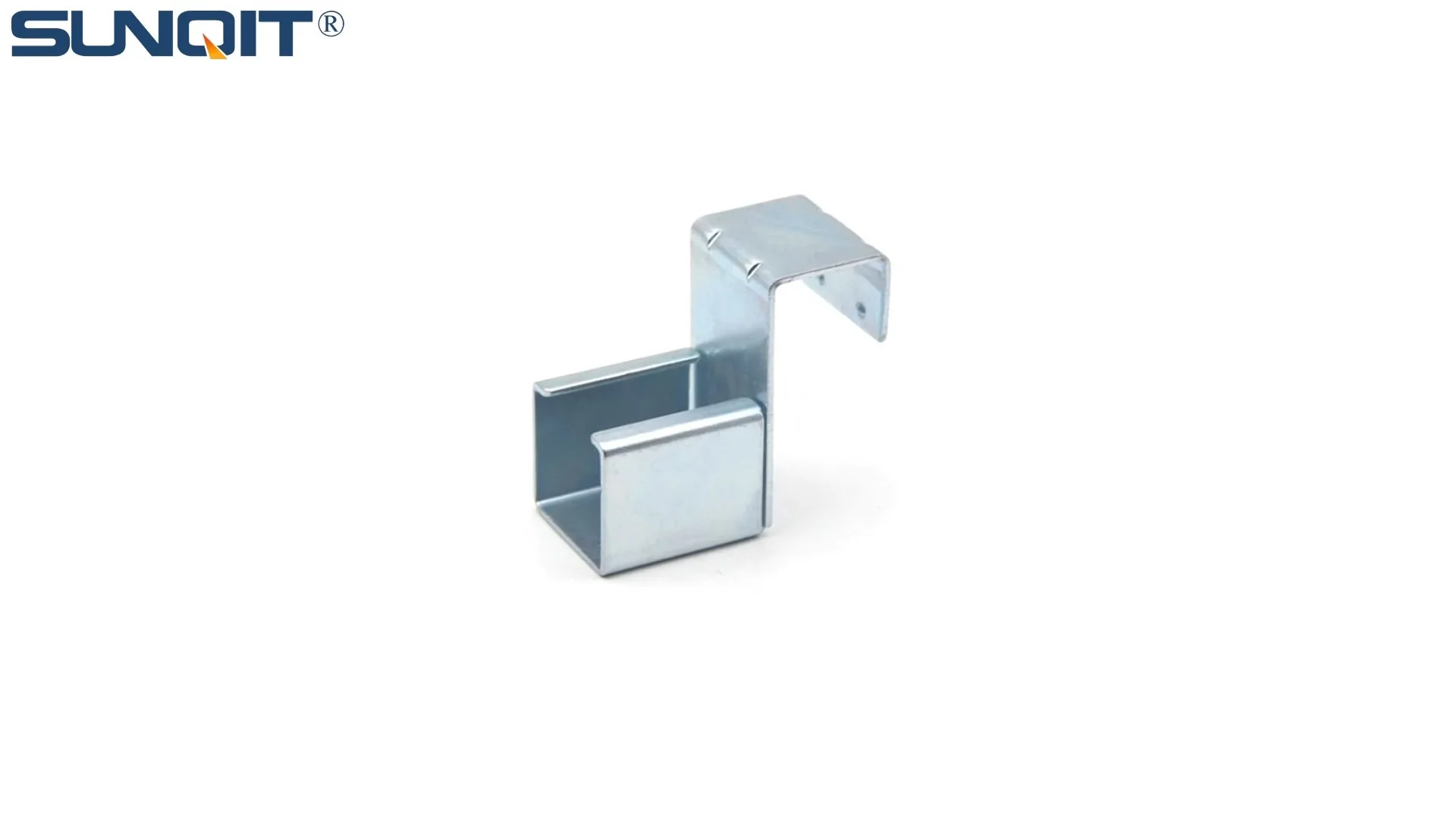
In the world of manufacturing, where every second counts and efficiency isn't just a goal but a daily necessity, lean systems have become the backbone of successful operations. At the heart of these systems lies a simple yet powerful idea: continuous improvement. It's about looking at every process, every tool, and every component and asking, "How can this work better tomorrow than it does today?" Today, we're diving into a component that might not grab headlines but plays a quiet hero role in this journey: the 40 Roller Track Placon Mount drop High. Let's unpack why this unassuming piece of equipment is becoming a game-changer for factories aiming to refine their lean systems.
First, Let's Talk About Lean Systems: Why Material Flow Matters
Before we get into the specifics of the 40 Roller Track Placon Mount drop High, let's ground ourselves in what a lean system really is. At its core, a lean system is all about eliminating waste—whether that's wasted time, wasted movement, or wasted resources—while keeping the focus on value for the customer. And if there's one area where waste creeps in most easily, it's in how materials move through a facility.
Picture a typical manufacturing floor: components need to glide from storage to assembly lines, finished products need to move to packaging, and returns or rework need to flow back without bottlenecks. When this flow is smooth, workers stay productive, downtime drops, and deadlines get met. But when it's not? You've got employees waiting for parts, carts getting stuck, or teams having to manually lift heavy items—all of which eat into profits and morale.
That's where tools like flow racks, conveyors, and roller tracks come in. They're the circulatory system of a lean operation, ensuring materials move where they need to, when they need to, with minimal effort. And within that system, the 40 Roller Track Placon Mount drop High is like a precision valve—small, but critical for keeping the whole system balanced.
What Makes the 40 Roller Track Placon Mount drop High Different?
Let's start with the basics: what is a 40 Roller Track Placon Mount drop High, anyway? In simple terms, it's a type of roller track designed to be mounted on aluminum profiles (those versatile, T-slot frames you see in everything from workbenches to flow racks). The "40" refers to the width of the track, the "drop high" means it sits slightly lower than standard mounts, and "placon mount" describes the way it attaches—securely, with minimal hardware, to keep installation and adjustments fast.
But here's the thing that sets this roller track apart: it's built with "continuous improvement" in mind, not just "good enough for now." Let's break down its key features and why they matter in real-world settings.
1. The "drop High" Design: A Small Change with Big Impact
Most roller tracks sit flush with the mounting surface, but the "drop high" design of this model lowers the track slightly. Why does that matter? Imagine a worker loading a bin of small electronic components onto a flow rack. With a standard track, the bin might catch on the edge as it's pushed on, requiring extra force. With the drop high design, the track sits just below the frame, creating a smooth transition. It's a tiny detail, but over a full shift, that extra ease adds up—less strain on workers' wrists, fewer jams, and faster loading/unloading.
2. Placon Mounting: Speed and Flexibility in Reconfiguration
Lean systems aren't static. A factory making smartphones today might shift to tablets next month, or a medical device plant might need to adjust line layouts for a new regulatory requirement. Traditional roller tracks often require bolts, nuts, and tools to reposition—meaning production stops while teams make changes. The placon mount system changes that. With its snap-and-lock design, workers can adjust the track's position in minutes, not hours. No more fumbling with wrenches or disrupting the entire line for a small tweak.
3. Durability That Keeps Up with Real-World Use
Let's be honest: factory floors are tough environments. Dust, constant use, and occasional bumps are part of the daily grind. The 40 Roller Track Placon Mount drop High is built to handle that. Its aluminum construction resists rust and corrosion, even in humid or oily settings, and the steel rollers are coated to reduce friction and wear. This isn't a component that needs replacing every few months—it's designed to stick around, supporting your lean system's improvement efforts for years.

From the Factory Floor: How It Drives Efficiency (Real Examples)
Numbers and specs tell part of the story, but let's look at how this roller track performs in actual lean environments. Take a 3C assembly plant (think smartphones and laptops) we worked with last year. Their biggest headache? A flow rack line used for small circuit board components. The old roller tracks were prone to jamming, especially when bins were loaded unevenly, and reconfiguring the line for new phone models took half a day—time they couldn't afford to lose.
After switching to the 40 Roller Track Placon Mount drop High, here's what changed: first, jams dropped by 70%. Workers reported that bins glided more smoothly, even when loaded off-center, thanks to the drop high design. Second, reconfiguration time? From 4 hours to 45 minutes. The placon mount system let them slide tracks into new positions without tools, so they could test layouts on the fly. And third, employee feedback shifted from frustration to relief—"It's like the line finally works with us, not against us," one team lead noted.
Another example comes from a medical device warehouse. They needed a conveyor system that could handle both lightweight packaging and heavier instrument cases. The 40 Roller Track Placon Mount drop High, paired with aluminum guide rails, proved versatile enough to manage both. The drop high design prevented lighter packages from tipping, while the durable steel rollers handled the heavier loads without slowing down. Over six months, their order fulfillment speed increased by 15%—all because materials moved through the system more reliably.

Working in Harmony: How It Fits with Other Lean Components
A lean system isn't just a collection of parts—it's a symphony. The 40 Roller Track Placon Mount drop High doesn't work alone; it plays well with other tools like flow racks, conveyors, and workbenches to create a seamless workflow. Let's break down these partnerships:
With Flow Racks: Flow racks are all about "first in, first out" (FIFO) inventory management, ensuring older stock gets used before newer batches. The 40 Roller Track Placon Mount drop High enhances this by keeping bins moving consistently, even when racks are fully loaded. No more bins getting stuck halfway, which means inventory turns faster and waste from expired or obsolete parts drops.
With Conveyors: In conveyor systems, especially those with variable speeds or direction changes, smooth transitions between sections are critical. The drop high design ensures materials don't "bump" when moving from one track to the next, reducing noise and damage to fragile items (like glass components in appliances or sensitive medical tools).
With Workstations: At the assembly line level, workstations need to be adaptable. A single workstation might handle multiple product variants in a day, requiring quick changes to how parts are presented to workers. The 40 Roller Track Placon Mount drop High can be integrated into workstation tables, letting teams slide parts bins closer or farther as needed—keeping tools within arm's reach and cutting down on unnecessary movement.
| Component | How 40 Roller Track Placon Mount drop High Enhances It | Resulting Benefit |
|---|---|---|
| Flow Racks | Consistent bin movement, even with heavy loads | 70% fewer jams, faster inventory turnover |
| Conveyors | Smooth transitions between track sections | Reduced product damage, quieter operation |
| Workstations | Quick repositioning for varying part sizes | Less worker fatigue, 20% faster task completion |

Sustainability: A Key Piece of the Lean Puzzle
Lean systems aren't just about efficiency—they're also about sustainability. The goal is to create processes that don't just work well today, but can be reused, adapted, and improved over time without constantly replacing equipment. Here, the 40 Roller Track Placon Mount drop High shines again.
Aluminum and steel are inherently durable, but the design takes it further. The placon mount system uses minimal hardware, meaning fewer parts to lose or replace. When a factory upgrades its layout, these tracks can be uninstalled and reinstalled elsewhere—no need to buy new ones. One automotive parts manufacturer we with repurposed their 40 Roller Track Placon Mount drop High tracks three times over five years, saving nearly $12,000 in replacement costs.
And let's not forget the environmental angle. By reducing the need for frequent replacements, we cut down on manufacturing waste and carbon footprints. It's lean thinking applied to the planet, and it starts with choosing components built to last.
Customization: Because No Two Lean Systems Are the Same
Every factory has its own rhythm, its own challenges, and its own goals. A lean solution that works for a small electronics workshop might not fit a large-scale automotive plant. That's why the 40 Roller Track Placon Mount drop High is designed to be adaptable—not a one-size-fits-all tool, but a base that can be tailored to specific needs.
Need it in a different length? No problem. Working with corrosive materials and need stainless steel rollers? Available. Have a unique mounting setup? The placon mount system can be modified to fit various aluminum profiles. It's this flexibility that makes it a favorite among lean consultants and plant managers—they know it can grow and change as their operations do.
Looking Ahead: The Future of Lean Systems and the Role of Components Like This
As manufacturing evolves—with trends like automation, IoT, and more personalized production—lean systems will only become more critical. The factories of tomorrow won't just need to be efficient; they'll need to be agile, able to pivot quickly to new products and market demands. In this context, components like the 40 Roller Track Placon Mount drop High will play an even bigger role.
Imagine a smart factory where sensors monitor roller track performance in real time, alerting teams to potential jams before they happen. Or where AI suggests layout adjustments based on production data, and workers can reconfigure tracks in minutes using the placon mount system. These aren't far-off dreams—they're the next steps in continuous improvement, and they rely on having a foundation of reliable, adaptable tools.
Wrapping Up: Small Components, Big Impact
At the end of the day, lean systems are built on details. They're built on the tools that make a worker's job a little easier, a process a little smoother, and a day's output a little higher. The 40 Roller Track Placon Mount drop High might not be the most glamorous part of a factory, but it's a testament to the power of intentional design in the pursuit of continuous improvement.
Whether you're running a 3C assembly line, a medical device warehouse, or an automotive plant, the goal is the same: to create a system that gets better every day. And with components like this in your toolkit, that goal becomes a whole lot easier to reach. After all, lean isn't just about working harder—it's about working smarter. And sometimes, the smartest moves start with the smallest parts.