- Company Articles
- Products and Technology
- Solution
- How 40 Steel Roller Track Green Contributes to LEED-Certified Manufacturing Facilities

How 40 Steel Roller Track Green Contributes to LEED-Certified Manufacturing Facilities
Related Product
40 Steel Roller Track Green
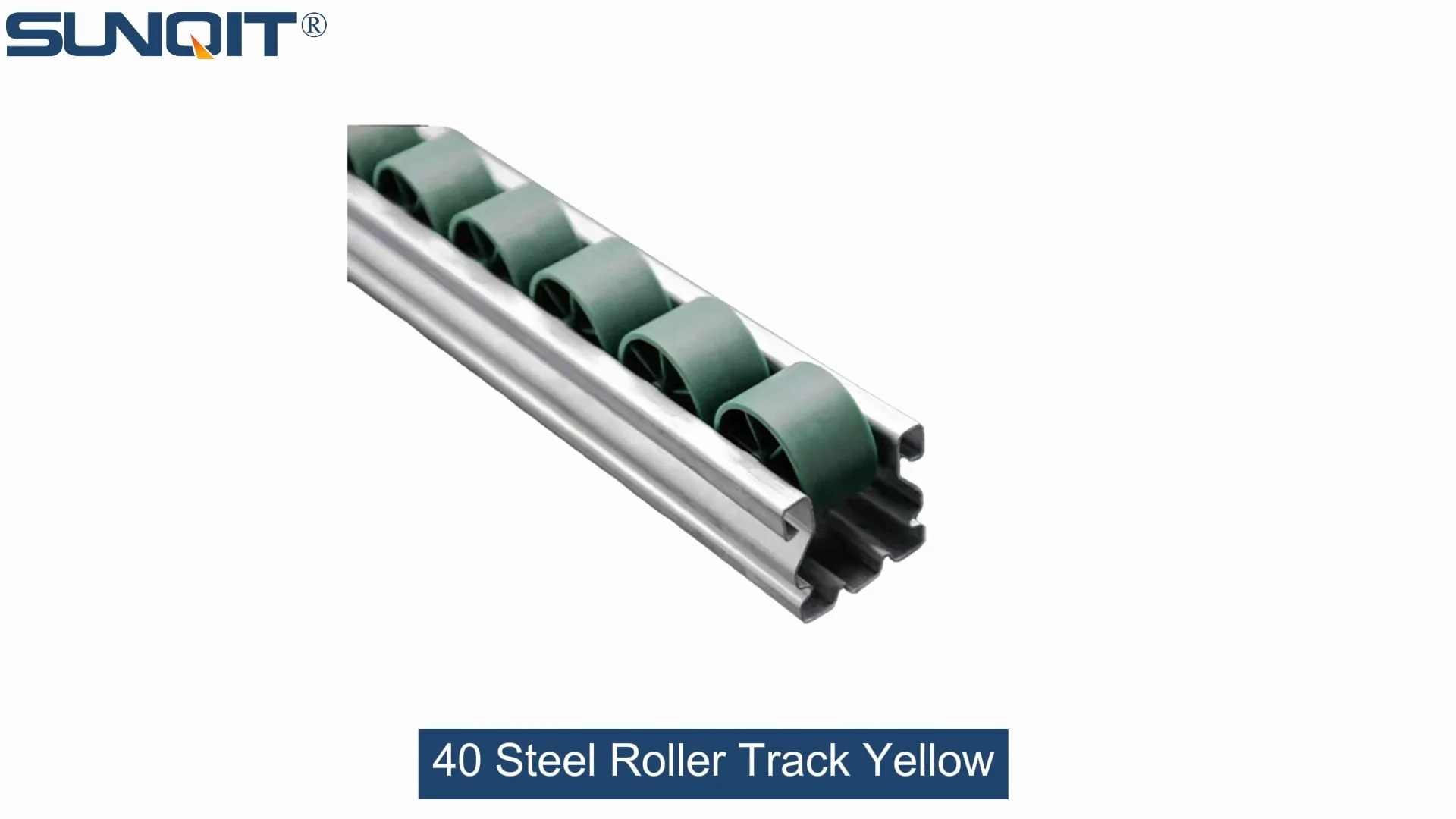
The roller track can be installed with multiple accessories to create different slopes and configurations of flow racks.All steel conveyor 40 roller track accessories are engineered to perfectly fit the sliding rail.
How 40 Steel Roller Track Green Contributes to LEED-Certified Manufacturing Facilities
In today's manufacturing world, sustainability isn't just an option—it's a necessity. Facilities across industries are racing to earn LEED certification, a globally trusted mark of green building excellence, to showcase their commitment to environmental stewardship and operational efficiency. But achieving LEED status isn't about big, one-time changes alone; it's about the small, intentional choices in every component of your facility. One such component that plays a pivotal role is the 40 Steel Roller Track Green, a versatile material handling solution that aligns perfectly with LEED's core principles. Let's explore how this seemingly simple product becomes a game-changer for LEED-certified manufacturing.
What Is 40 Steel Roller Track Green?
Before diving into its LEED contributions, let's get to know the 40 Steel Roller Track Green. This component is part of a lean system designed to optimize material flow in production lines, warehouses, and assembly areas. Made from high-quality steel with an eco-friendly green coating, it's built to last—yet flexible enough to adapt to changing needs. Unlike traditional rigid material handling systems, this roller track is modular, meaning it can be reconfigured, reused, and repurposed as your facility evolves. It's not just a piece of equipment; it's a sustainable investment in your facility's future.
LEED Criteria and the Role of 40 Steel Roller Track Green
LEED certification evaluates facilities across several key categories, including Material and Resources (MR), Energy and Atmosphere (EA), Innovation in Design (ID), and more. The 40 Steel Roller Track Green directly contributes to credits in multiple these areas, making it an essential tool for LEED aspirants.
1. Material and Resources (MR): Reducing Waste and Boosting Recyclability
LEED's MR category focuses on minimizing waste, using sustainable materials, and promoting recycling. The 40 Steel Roller Track Green excels here in several ways:
Recyclable Material:
Steel is one of the most recycled materials on Earth, with a recycling rate of over 90% for structural steel. When your facility eventually updates its material handling system, the steel from this roller track can be recycled into new products, diverting waste from landfills.
Eco-Friendly Coating:
The green coating on the roller track is a water-based, low-VOC (volatile organic compound) finish. This means it emits fewer harmful chemicals into the air during installation and use, aligning with LEED's requirements for low-emitting materials.
Durability and Reusability:
The 40 Steel Roller Track Green is designed to withstand heavy use over many years. Its modular design allows it to be disassembled and reassembled in different configurations, so you don't have to replace entire systems when your processes change. This reduces the need for new materials, cutting down on resource consumption.
2. Energy and Atmosphere (EA): Optimizing Energy Efficiency
Energy efficiency is a cornerstone of LEED certification, and the 40 Steel Roller Track Green plays a key role here by streamlining material handling processes. Here's how:
Reduced Manual Handling:
Smooth-rolling tracks mean materials move easily from one point to another, reducing the need for manual lifting or heavy machinery like forklifts. This not only cuts down on energy use but also lowers the risk of workplace injuries.
Integrated with Efficient Systems:
When paired with conveyors and flow racks, the 40 Steel Roller Track Green creates a seamless material flow system. Conveyors using this roller track can be equipped with sensors to start and stop based on material presence, eliminating unnecessary energy consumption. For example, a conveyor line in a 3C assembly facility might use this roller track to move components to the lean pipe workbench only when needed, saving energy that would otherwise be wasted on idle systems.
3. Innovation in Design (ID): Flexible Solutions for Evolving Needs
LEED rewards facilities that think outside the box with innovative, sustainable design choices. The 40 Steel Roller Track Green is a perfect example of this. Its modular design allows it to be part of a lean solution that adapts to your facility's changing requirements. For instance:
Adaptable Layouts:
If your production line needs to be rearranged for a new product, the roller track can be quickly reconfigured without replacing entire sections. This flexibility means your facility can stay agile while minimizing waste.
Compatibility with Other Components:
The 40 Steel Roller Track Green works seamlessly with aluminum profiles, lean pipe workbenches, and flow racks. This integration creates a cohesive system that supports lean manufacturing principles—reducing waste, improving efficiency, and enhancing sustainability.
Integration with Other Lean Solutions for Maximum Impact
The 40 Steel Roller Track Green doesn't work in isolation. When combined with other lean components, it creates a holistic system that amplifies its LEED contributions. Let's look at some key integrations:
Flow Racks: Organized, Sustainable Storage
Flow racks using the 40 Steel Roller Track Green are a staple in lean manufacturing. They allow materials to move from the back of the rack to the front as items are taken, reducing the need for manual restocking and minimizing waste. In a warehouse setting, these flow racks help optimize space, reduce energy use from forklifts, and ensure materials are used in a first-in-first-out (FIFO) manner—cutting down on expired or obsolete inventory.
Conveyors: Efficient Material Transport
Conveyors equipped with the 40 Steel Roller Track Green are essential for automated production lines. They transport components and finished products smoothly, reducing the need for manual labor and heavy machinery. For example, in a medical device manufacturing facility, a conveyor system with this roller track might move sterile components to the assembly area without human contact—improving hygiene while saving energy.
Lean Pipe Workbenches: Ergonomic, Sustainable Workspaces
Lean pipe workbenches are designed to support efficient assembly processes. When paired with the 40 Steel Roller Track Green, they create a workspace where materials flow directly to the operator, reducing movement and waste. In a consumer electronics facility, this setup might allow workers to assemble products with minimal reach, improving productivity and reducing fatigue—all while aligning with LEED's focus on sustainable, efficient operations.
Case Study: How a 3C Assembly Facility Used 40 Steel Roller Track Green to Earn LEED Certification
Let's take a real-world example (hypothetical but representative) of how the 40 Steel Roller Track Green helped a facility achieve LEED status. A mid-sized consumer electronics manufacturer wanted to earn LEED Silver certification for its new assembly plant. They implemented a lean solution centered around the 40 Steel Roller Track Green, integrating it with flow racks, conveyors, and lean pipe workbenches.
The results were impressive:
Waste Reduction:
By reusing and reconfiguring the roller track instead of replacing systems, the facility reduced construction and operational waste by 35%.
Energy Savings:
The optimized material handling system cut energy use in transport by 28%, leading to lower utility bills and fewer greenhouse gas emissions.
LEED Credits:
The facility earned credits in MR (for recyclable materials and waste reduction), EA (for energy efficiency), and ID (for innovative modular design). These credits were instrumental in helping them achieve LEED Silver certification.
This case study shows that the 40 Steel Roller Track Green isn't just a component—it's a strategic investment that pays off in both sustainability and operational performance.
Why Choose 40 Steel Roller Track Green for Your LEED Journey?
For facilities aiming for LEED certification, the 40 Steel Roller Track Green offers a unique combination of benefits:
Sustainability:
Its recyclable material, low-VOC coating, and modular design align with LEED's core principles.
Durability:
Built to last, it reduces the need for frequent replacements—saving money and resources.
Flexibility:
Adaptable to changing needs, it supports lean manufacturing and helps your facility stay agile.
Integration:
Works seamlessly with other lean components to create a cohesive, sustainable system.
Conclusion: The 40 Steel Roller Track Green as a LEED Enabler
Achieving LEED certification is a journey that requires careful planning and intentional choices. The 40 Steel Roller Track Green is more than just a material handling component—it's a key enabler of this journey. By contributing to LEED credits in multiple categories, supporting lean manufacturing principles, and offering long-term sustainability benefits, it's an essential tool for any facility looking to build a greener, more efficient future. Whether you're in 3C assembly, medical device manufacturing, or any other industry, this roller track is a smart investment that will help you reach your LEED goals while improving your bottom line.
In the end, sustainability isn't just about checking boxes for LEED—it's about creating a facility that's better for the environment, better for your employees, and better for your business. The 40 Steel Roller Track Green is a small step that makes a big difference in this journey.