- Company Articles
- Products and Technology
- Product knowledge
- How 40 Steel Roller Track White Wheel Supports Sustainable Manufacturing

How 40 Steel Roller Track White Wheel Supports Sustainable Manufacturing
Related Product
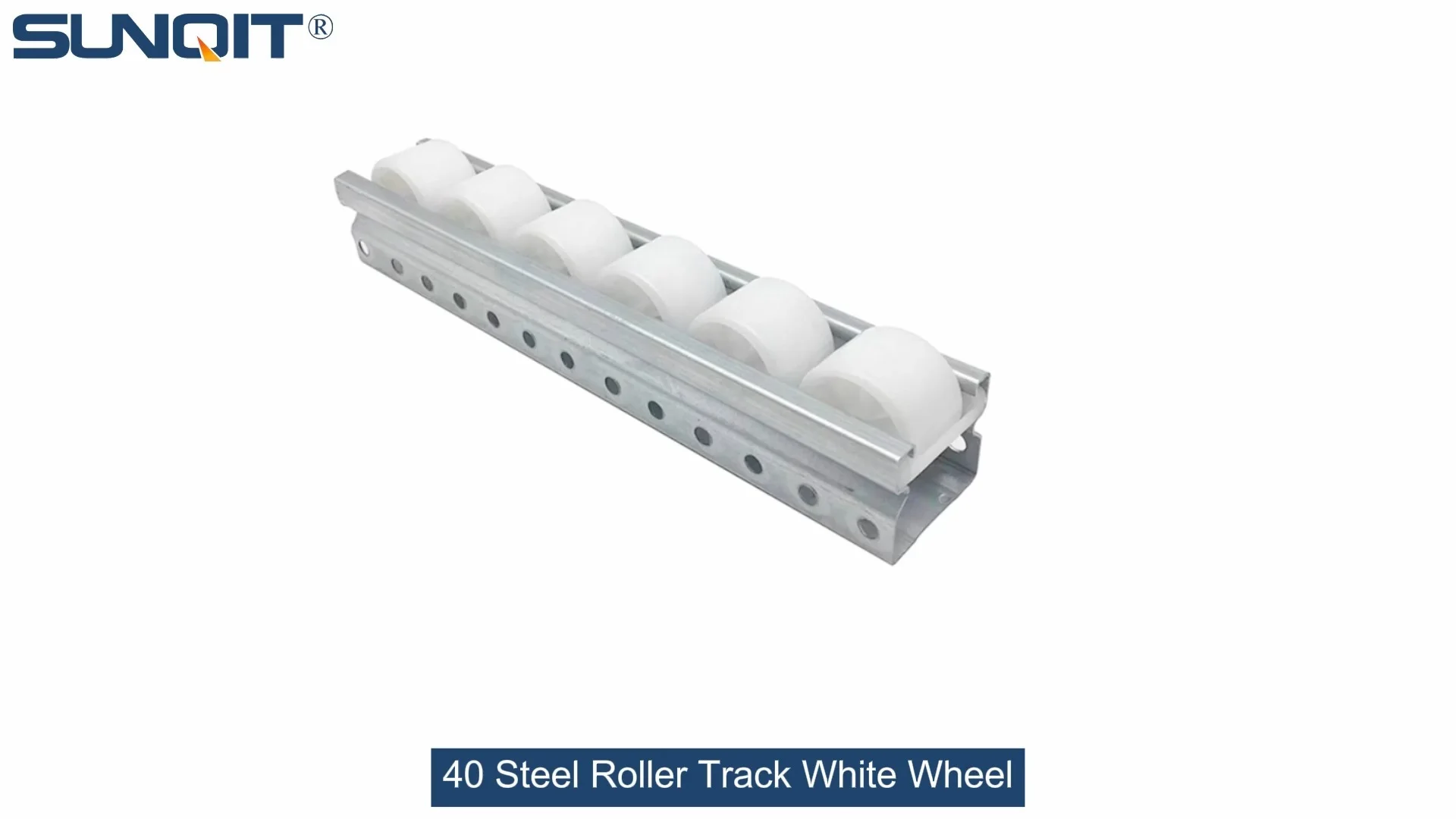
40 Steel Roller Track White Wheel
The roller track can be installed with multiple accessories to create different slopes and configurations of flow racks.All steel conveyor 40 roller track accessories are engineered to perfectly fit the sliding rail.
How 40 Steel Roller Track White Wheel Supports Sustainable Manufacturing
In today's fast-paced manufacturing landscape, sustainability isn't just a buzzword—it's a core value that drives decisions from production lines to supply chains. Manufacturers are constantly seeking ways to reduce waste, cut energy consumption, and build systems that stand the test of time. Among the many components that contribute to this goal, the 40 Steel Roller Track White Wheel emerges as a quiet hero, playing a pivotal role in creating efficient, eco-friendly operations. Let's dive into how this seemingly simple part makes a big difference in sustainable manufacturing.
What Makes the 40 Steel Roller Track White Wheel Unique?
The 40 Steel Roller Track White Wheel is more than just a rolling component. Crafted from high-quality steel with a smooth white coating, it's designed to balance durability, functionality, and sustainability. Its key features include:
- Durable Construction: Made from robust steel, this roller wheel resists wear and tear even in high-traffic industrial environments. Unlike cheaper plastic alternatives that break easily, it maintains its performance over years of use.
- Low-Friction Design: The smooth white coating reduces friction between the wheel and materials, allowing for seamless movement with minimal effort. This not only improves efficiency but also cuts down on energy needs.
- Corrosion Resistance: The white coating acts as a protective layer against rust and corrosion, extending the wheel's lifespan and reducing the need for frequent replacements.
- Recyclable Material: Steel is highly recyclable, meaning that at the end of its long life, the roller wheel can be melted down and repurposed into new products, minimizing waste.
Integration with Lean Systems for Maximum Sustainability
Lean manufacturing principles focus on eliminating waste and optimizing processes, which align perfectly with sustainable goals. The 40 Steel Roller Track White Wheel is a cornerstone of many lean systems, working hand in hand with components like lean pipes, flow racks, and conveyors to create efficient, eco-friendly setups.
For instance, flow racks equipped with these roller wheels use gravity to move materials from one end to another, eliminating the need for electric-powered conveyors in certain applications. This not only saves energy but also reduces the carbon footprint of the production line. When combined with lean pipes, these flow racks can be easily reconfigured as production needs change—no need to discard old systems and build new ones from scratch. This reusability is a key aspect of sustainable manufacturing, as it cuts down on waste and resource consumption.
Conveyors using these rollers also benefit from their low-friction design. Less friction means less power is required to keep materials moving, leading to lower electricity usage, cutting both costs and carbon emissions. Whether it's a small assembly line or a large-scale warehouse operation, these rollers help streamline processes while keeping sustainability at the forefront.
Sustainable Benefits That Add Up
The impact of the 40 Steel Roller Track White Wheel on sustainability goes beyond its individual features. Let's break down the key benefits it brings to manufacturing operations:
1. Reduced Waste Through Reusability
One of the biggest contributors to manufacturing waste is the frequent replacement of short-lived components. The 40 Steel Roller Track White Wheel's durability means it can be reused across multiple projects and setups. When a production line is modified or a flow rack is repurposed, these rollers can be easily transferred to new systems, avoiding the need to dispose of old parts and purchase new ones. This reusability aligns with the lean of "reusable, sustainable improvement," helping manufacturers build systems that adapt without generating unnecessary waste.
2. Lower Energy Consumption
Energy efficiency is a critical part of sustainable manufacturing. The low-friction design of the 40 Steel Roller Track White Wheel reduces the amount of power needed to move materials. For conveyors, this translates to lower electricity usage, cutting both costs and carbon emissions. In flow racks, the use of gravity (enabled by these smooth rollers) means no electricity is required at all for material movement—an eco-friendly solution that's both efficient and cost-effective.
3. Long Lifespan Minimizes Landfill Impact
With a lifespan that's significantly longer than plastic or low-quality metal rollers, the 40 Steel Roller Track White Wheel reduces the number of components that end up in landfills. Its corrosion-resistant coating ensures it stays in good condition for years, so manufacturers don't have to replace them as often. When the rollers do reach the end of their life, their steel construction makes them fully recyclable, closing the loop on material usage.
4. Cost Savings That Fuel Sustainable Investments
Sustainability often requires upfront investments, but the 40 Steel Roller Track White Wheel delivers long-term cost savings that make these investments possible. Fewer replacements mean lower maintenance costs, and reduced energy use cuts utility bills. These savings can then be redirected toward other sustainable initiatives, like upgrading to renewable energy sources or implementing waste-reduction programs.
Comparing Traditional Rollers vs. 40 Steel Roller Track White Wheel
| Metric | Traditional Plastic Rollers | 40 Steel Roller Track White Wheel |
|---|---|---|
| Average Lifespan | 6-12 months | 5-10 years |
| Energy Efficiency | High friction, higher energy use | Low friction, lower energy use |
| Recyclability | Limited (often non-recyclable) | Fully recyclable steel |
| Reusability | Low (easily damaged) | High (durable, transferable) |
| Waste Generation | High (frequent replacements) | Low (long lifespan, recyclable) |
Real-World Applications Across Industries
The 40 Steel Roller Track White Wheel isn't limited to one type of manufacturing—it's a versatile component that supports sustainable practices across a range of industries. Let's look at some examples:
3C Assembly: Adapting to Fast Changes Without Waste
In the 3C (computers, communications, consumer electronics) industry, product cycles are short, and production lines need to adapt quickly. Using flow racks with 40 Steel Roller Track White Wheels allows manufacturers to reconfigure their setups without discarding components. When a new product is introduced, the rollers can be reused in new flow racks or conveyors, reducing waste and keeping operations flexible. This adaptability is key to staying competitive while maintaining sustainable practices.
Medical Device Manufacturing: Clean, Durable, and Sustainable
Medical device manufacturing requires high standards of cleanliness and reliability. The smooth white coating of the 40 Steel Roller Track White Wheel is easy to clean, making it ideal for sterile environments. Its durability ensures that it can handle the rigorous demands of medical production lines without frequent replacements, reducing waste and maintaining efficiency. Additionally, the recyclability of the steel aligns with the medical industry's growing focus on sustainability.
Warehousing and Logistics: Efficient Material Handling With Less Energy
Warehouses are hubs of material movement, and energy use can be significant. Flow racks equipped with 40 Steel Roller Track White Wheels allow for gravity-fed material handling, eliminating the need for powered equipment in many areas. This not only cuts energy costs but also reduces the carbon footprint of warehouse operations. The rollers' durability means they can handle heavy loads day after day, ensuring that warehouses operate efficiently without generating unnecessary waste.
Custom Lean Solutions: Maximizing Sustainability With Integrated Systems
The true power of the 40 Steel Roller Track White Wheel lies in its integration with comprehensive lean solutions. Manufacturers often need custom setups tailored to their specific needs, and combining these rollers with lean pipes, workstations, and conveyors creates systems that are both efficient and sustainable.
For example, a custom flow rack designed for a 3C assembly line might use 40 Steel Roller Track White Wheels alongside lean pipes to create a flexible, reusable structure. This setup allows for easy reconfiguration as production needs change, reducing waste and keeping the line efficient. Similarly, a custom conveyor system using these rollers can be designed to minimize energy use while maximizing throughput, aligning with both lean and sustainable goals.
These custom solutions not only address immediate manufacturing needs but also build a foundation for long-term sustainability. By choosing components like the 40 Steel Roller Track White Wheel that prioritize reusability and efficiency, manufacturers can create systems that grow with their business without compromising on environmental responsibility.
Conclusion: Small Components, Big Impact
Sustainable manufacturing is a journey made up of many small, intentional choices. The 40 Steel Roller Track White Wheel may seem like a minor component, but its contribution to reducing waste, cutting energy use, and enabling reusability is significant. It's a testament to how thoughtful design and durable materials can create solutions that benefit both businesses and the planet.
As manufacturers continue to embrace lean and sustainable practices, components like the 40 Steel Roller Track White Wheel will play an increasingly important role. By integrating these rollers into their operations, they can build efficient, eco-friendly systems that stand the test of time—proving that sustainability and profitability can go hand in hand.