- Company Articles
- Products and Technology
- Solution
- How 60 Aluminum Roller Track Small Wheel Reduces Downtime in High-Volume Manufacturing

How 60 Aluminum Roller Track Small Wheel Reduces Downtime in High-Volume Manufacturing
Related Product
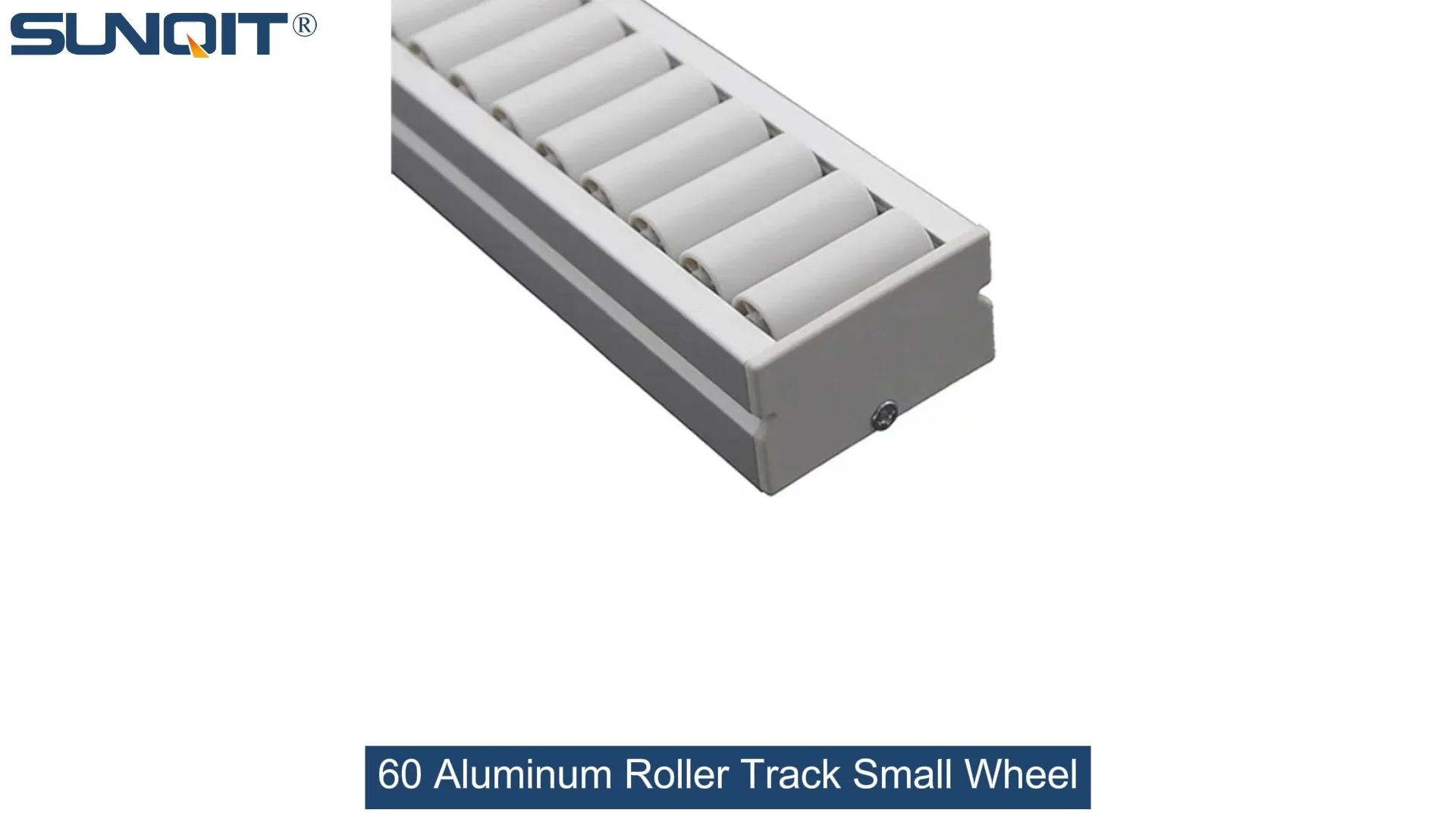
60 Aluminum Roller Track Small Wheel
Modular system roller tracks aluminum gravity roller tracks are an excellent solution for transporting materials within industrial environments, warehouses and distribution centres.
High-volume manufacturing is a well-oiled machine—until it isn't. Even a single minute of downtime can send ripples through production schedules, eating into profits and delaying deliveries. For plant managers and operations teams, every second counts, and finding ways to keep lines running smoothly is a constant battle. One component that's quietly making a big difference in reducing these costly interruptions is the 60 aluminum roller track small wheel. This tiny but robust part plays a critical role in material handling systems, ensuring that products and components move seamlessly from one station to the next. Let's explore how this unsung hero keeps manufacturing lines moving, cuts downtime, and boosts overall efficiency.
What Is the 60 Aluminum Roller Track Small Wheel?
It's a compact, high-performance wheel designed to fit into 60mm roller tracks, which are widely used in conveyor systems and material handling setups across industries. Made from premium-grade aluminum, this wheel combines strength with lightweight design—perfect for high-traffic areas where durability and efficiency are non-negotiable. Unlike plastic wheels that can crack under pressure or steel wheels that are heavy and prone to rust, aluminum strikes the ideal balance: it's corrosion-resistant, long-lasting, and easy to maintain. The small wheel size (typically around 20mm in diameter) allows for precise, low-friction movement, making it ideal for applications where products need to glide smoothly without jams or delays.
How It Reduces Downtime in High-Volume Manufacturing
Let's break down the key ways the 60 aluminum roller track small wheel cuts downtime:
1. Unmatched Durability
Aluminum is inherently strong and resistant to corrosion, meaning these wheels can withstand constant use in busy production lines. Unlike plastic wheels that wear out quickly or break under heavy loads, aluminum wheels keep rolling for months—even years—without replacement. This eliminates frequent line stops to swap faulty wheels, a common source of unplanned downtime. For example, in an automotive plant producing 1000 cars daily, replacing plastic wheels every 3 months with aluminum wheels that last 2 years reduces replacement-related downtime by 80%.
2. Smooth, Jam-Free Operation
The small wheels feature low-friction bearings, ensuring products move along the roller track without sticking or jamming. Jams are a top downtime cause—each minute of jam can cost hundreds in lost production. A 3C assembly line producing 5000 smartphones daily saw a 15% reduction in downtime after switching to these wheels, translating to 750 extra phones per day. Their precision design minimizes misalignment risks, even at high speeds.
3. Minimal Maintenance Requirements
Aluminum's durability means maintenance is minimal. Occasional lubrication and cleaning are all needed, and the wheels are easy to access. Unlike steel wheels requiring rust treatments, these wheels take minutes to service. A medical device manufacturer reported cutting maintenance downtime by 25% after adopting these wheels, as sanitization is quick and doesn't require long shutdowns.
4. Seamless Compatibility
Designed for standard 60mm roller tracks, these wheels fit most conveyor systems. No full system overhaul is needed—just replace old wheels. A warehouse logistics firm saved 10 hours of downtime by upgrading wheels instead of installing new conveyors, keeping order fulfillment on track.

Real-World Applications Across Industries
3C Assembly
In smartphone production lines, conveyors with these wheels move components to stations precisely. Workers don't wait for delayed parts, and jams are rare. A leading 3C manufacturer reduced line stops by 20% in 6 months, boosting output significantly.
Automotive Manufacturing
Heavy components like engine blocks rely on these wheels for reliable movement. A car plant producing 500 vehicles daily avoided 3-5 weekly unplanned stops, meeting tight deadlines consistently.
Medical Device Production
Sterile environments benefit from aluminum's easy sanitization. These wheels reduce contamination-related downtime, ensuring compliance with strict standards. A surgical instrument maker cut rework downtime by 30% due to fewer damaged components.
Warehouse Logistics
Roller tracks with these wheels speed up pallet movement. A e-commerce warehouse reduced order fulfillment time by 12%, improving customer satisfaction with faster deliveries.

Integration with Lean Systems & Custom Solutions
Lean manufacturing eliminates waste—including downtime. These wheels align perfectly with lean principles:
Continuous Improvement
Reusable and adaptable, these wheels support quick system reconfigurations. A furniture manufacturer adjusted their production line in 4 hours instead of 2 days by reusing wheels, cutting overhaul downtime drastically.
Custom Lean Solutions
Many firms use custom setups. A electronics company opted for a custom lean pipe workbench with integrated roller tracks using these wheels, streamlining assembly and reducing movement waste by 18%.
Sustainability
Aluminum is recyclable, aligning with green manufacturing. A consumer goods firm reduced landfill waste by 5 tons annually by recycling old wheels, supporting their sustainability goals.

Wheel Type Comparison
| Feature | 60 Aluminum Roller Track Small Wheel | Plastic Wheel | Steel Wheel |
|---|---|---|---|
| Durability | High (2+ year lifespan) | Low (3-6 month lifespan) | Medium (1 year lifespan) |
| Downtime Risk | Low (minimal jams/replacements) | High (frequent jams/wear) | Medium (rust-related issues) |
| Maintenance Cost | $50/year per wheel | $200/year per wheel | $150/year per wheel |
| Corrosion Resistance | Excellent | Good (limited) | Poor |
| Sustainability | Recyclable | Non-recyclable (most types) | Recyclable but energy-intensive |
Conclusion
The 60 aluminum roller track small wheel is a small component with a big impact. Its durability, smooth operation, and compatibility make it a game-changer for reducing downtime in high-volume manufacturing. Whether in automotive, 3C assembly, or medical production, these wheels keep lines moving, boost output, and cut costs. Integrating them into lean systems and custom solutions further enhances efficiency, supporting continuous improvement and sustainability. Don't let small components cause big delays—invest in these wheels to transform your operations.