- Company Articles
- Products and Technology
- Solution
- How 60 Aluminum Roller Track White Enhances Ergonomics in Assembly Workstations

How 60 Aluminum Roller Track White Enhances Ergonomics in Assembly Workstations
Related Product
60 Aluminum Roller Track White
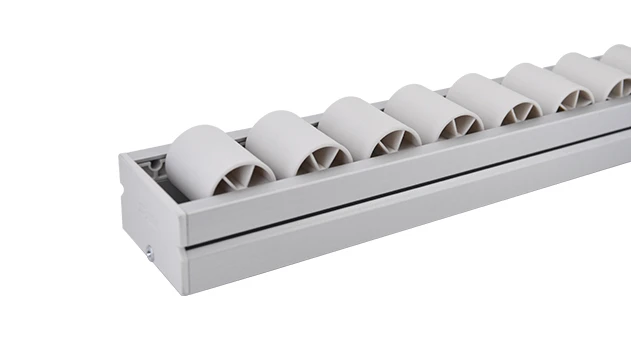
Modular system roller tracks aluminum gravity roller tracks are an excellent solution for transporting materials within industrial environments, warehouses and distribution centres.
How 60 Aluminum Roller Track White Enhances Ergonomics in Assembly Workstations
Introduction
Assembly line workers are the backbone of manufacturing, but their daily tasks often come with hidden costs—chronic pain from repetitive motions, back strain from lifting heavy parts, and fatigue from inefficient material flow. For factories in industries like 3C electronics, medical devices, and automotive parts, these issues aren't just human concerns; they directly impact productivity, employee retention, and bottom-line results. This is where the 60 Aluminum Roller Track White comes in: a simple yet powerful component that's redefining ergonomics in assembly workstations. More than just a piece of metal, it's a tool that puts worker comfort first while boosting operational efficiency. In this article, we'll explore what makes this roller track unique, how it addresses key ergonomic challenges, and why it's becoming an essential part of modern lean manufacturing systems.
From reducing manual handling effort to integrating seamlessly with ESD workstations, the 60 Aluminum Roller Track White is designed to adapt to the needs of both workers and factories. Whether you're assembling a smartphone chassis or a medical device component, this roller track turns static workstations into dynamic, worker-friendly spaces. Let's dive deeper into what makes this component a game-changer.
What Is the 60 Aluminum Roller Track White?
The 60 Aluminum Roller Track White is a specialized aluminum extrusion profile engineered to optimize material flow in assembly lines. The "60" refers to its 60mm width, making it ideal for medium to large parts like automotive components, 3C device shells, or medical instrument casings. Crafted from high-grade aluminum alloy, it balances lightweight portability with exceptional durability—resistant to corrosion, scratches, and wear even under heavy daily use. The white rollers are made from food-grade plastic (safe for industries like medical) and are designed to glide smoothly, requiring minimal force to move parts.
One of the key strengths of this roller track is its compatibility with a wide range of accessories. It works seamlessly with roller track connectors, aluminum profile end caps, and adjustable leveling feet, allowing it to be integrated into any workstation setup—from lean pipe workbenches to custom ESD workstations. Unlike fixed metal tracks, it's easy to reconfigure: you can adjust its length, angle, or position in minutes, making it perfect for factories that need to adapt to changing production needs.
Another standout feature is its versatility. It can be used as a standalone component or part of a larger lean system, such as flow racks or flexible production lines. Whether you're looking to streamline material delivery to a single workstation or overhaul an entire assembly line, this roller track provides the flexibility to do so without investing in expensive new equipment.
Core Ergonomic Benefits of the 60 Aluminum Roller Track White
1. Reduced Manual Handling Strain
Manual handling is one of the leading causes of workplace injuries in manufacturing. Lifting, dragging, or pushing heavy parts (like a 2kg 3C device chassis) hundreds of times a day puts immense strain on the lower back, shoulders, and arms. The 60 Aluminum Roller Track White eliminates this problem by letting parts glide with minimal effort. Workers no longer need to lift or drag components—they simply push them along the smooth rollers, reducing physical exertion by up to 90%.
For example, consider a worker assembling brake components for an automotive factory. Each component weighs around 3kg, and the worker handles 60 components per hour. Without the roller track, this translates to 180kg of lifting per hour—enough to cause significant back strain over time. With the roller track, the worker uses just a fraction of that force, leading to fewer musculoskeletal injuries and a more comfortable workday.
2. Optimal Posture & Reach
Poor posture is another common issue in assembly workstations. Workers often bend over to reach parts on low shelves or stretch their arms to grab components from distant bins, leading to neck pain, shoulder tension, and chronic back problems. The 60 Aluminum Roller Track White solves this by being fully adjustable—you can mount it at elbow height on a lean pipe workbench, ensuring parts are always within easy reach.
Take a medical device assembly line: workers assemble small, delicate parts like syringe plungers. By mounting the roller track at elbow height, workers can keep their backs straight and their arms at a comfortable angle, eliminating the need to hunch over or stretch. This not only reduces pain but also improves precision—workers are less likely to make mistakes when their posture is relaxed.
3. Seamless Material Flow
Inefficient material flow forces workers to spend valuable time walking to grab parts, which increases fatigue and reduces productivity. The 60 Aluminum Roller Track White acts as a mini flow rack within the workstation, delivering parts directly to the assembly point. This means workers don't have to leave their stations to get supplies—parts glide to them, keeping them focused on their tasks.
In a 3C electronics factory, for instance, the roller track feeds screws, nuts, and screen panels directly to the worker's hands. This cuts down on walking time by 30% and lets workers assemble more devices per hour. The smooth flow also reduces the risk of parts being dropped or damaged, saving the factory money on wasted materials.
4. ESD Protection for Sensitive Components
For industries like 3C assembly or medical device manufacturing, static electricity is a major risk. It can damage sensitive electronic components, leading to costly defects. The 60 Aluminum Roller Track White can be integrated into ESD workstations to provide static dissipation. The aluminum material is conductive, so it safely redirects static charges away from parts, protecting them from damage.
Workers assembling smartphone motherboards, for example, no longer have to worry about static shocks or ruined components. The roller track ensures that every part they handle is free from static, leading to fewer defects and higher product quality. This integration also simplifies compliance with industry standards for ESD protection, making it easier for factories to pass audits.
5. Durability & Sustainability
The 60 Aluminum Roller Track White is built to last. Made from high-quality aluminum extrusion profile, it can withstand heavy use (up to 1,000 parts per day) without bending or breaking. This reduces maintenance costs and downtime—factories don't have to replace worn-out tracks every few months. Additionally, since it's part of a lean system, it's reusable and recyclable, aligning with modern sustainability initiatives.
Unlike plastic tracks that end up in landfills after a year, this aluminum roller track can be repurposed for new tasks or recycled at the end of its life. This not only saves money but also reduces the factory's environmental footprint, making it a responsible choice for eco-conscious manufacturers.
Real-World Applications Across Industries
3C Electronics Assembly
3C electronics factories assemble small, delicate components like smartphones, tablets, and laptops. The 60 Aluminum Roller Track White is ideal here because it's lightweight, ESD-compatible, and easy to customize. Workers use it to slide screen panels, battery packs, and chassis parts to their assembly stations, reducing strain and improving precision. For example, a factory assembling wireless headphones uses the roller track to feed earbud components directly to workers, cutting down on assembly time by 25%.
Medical Device Manufacturing
Medical device factories require clean, sterile work environments. The 60 Aluminum Roller Track White is easy to clean and resistant to corrosion, making it perfect for this industry. It's used to assemble components like surgical tools, syringe pumps, and diagnostic devices. Workers can glide parts along the track without touching them directly, reducing the risk of contamination. A medical device factory in Shenzhen uses this roller track to assemble IV catheters, reporting a 15% reduction in contamination-related defects.
Automotive Parts Assembly
Automotive factories handle heavy parts like brake pads, engine components, and door panels. The 60 Aluminum Roller Track White's durability makes it ideal for this sector. Workers use it to move heavy parts from the supply area to the assembly point, reducing back strain and improving safety. An automotive parts factory in Guangzhou uses this roller track to assemble transmission components, leading to a 20% drop in workplace injuries.
Ergonomic Impact Comparison: Traditional vs. Roller Track Workstations
| Ergonomic Factor | Traditional Assembly Station | 60 Aluminum Roller Track Setup | Worker Impact |
|---|---|---|---|
| Manual Handling Effort | High (lifting/dragging heavy parts) | Low (gliding parts with minimal push) | Reduced back/arm strain; fewer musculoskeletal injuries |
| Posture & Reach | Workers bend/hunch to reach parts; frequent stretching | Parts at elbow height; no bending or stretching | Improved posture; less neck/shoulder pain |
| Material Flow Efficiency | Workers walk to grab parts (30% of time wasted) | Parts glide directly to assembly point | Less fatigue; higher productivity |
| Static Protection | No built-in protection (risk of ESD damage) | Integrated ESD (if paired with ESD workstation) | No static shocks; fewer defective components |
| Reconfigurability | Fixed setup (hard to adapt to new tasks) | Flexible (easily adjusted/reconfigured) | Adaptable to changing production needs; less downtime |
| Maintenance Cost | High (frequent replacement of worn parts) | Low (durable aluminum construction) | Reduced downtime; lower operational costs |
Case Study: Transforming a 3C Assembly Line with the 60 Aluminum Roller Track White
Background: XYZ Electronics (Shenzhen)
XYZ Electronics is a leading 3C assembly factory specializing in smartphone production. Before implementing the 60 Aluminum Roller Track White, the factory faced several challenges: 20% of workers reported back pain monthly, productivity was 20 smartphones per hour per worker, and static-related defects accounted for 5% of all products.
Challenges
1. Workers had to lift and drag smartphone chassis (2kg each) from bins to their workstations, leading to back strain.
2. Parts were stored on low shelves, forcing workers to hunch over to reach them.
3. Static electricity damaged sensitive components like motherboards and screens.
4. Inefficient material flow meant workers spent 30% of their time walking to grab parts.
2. Parts were stored on low shelves, forcing workers to hunch over to reach them.
3. Static electricity damaged sensitive components like motherboards and screens.
4. Inefficient material flow meant workers spent 30% of their time walking to grab parts.
Implementation Process
The factory decided to integrate the 60 Aluminum Roller Track White into their lean pipe workbenches. Here's how they did it:
1. Assessed worker needs: Surveyed workers to identify pain points and determine optimal track height.
2. Customized setup: Mounted the roller track at elbow height using aluminum profile connectors and adjustable leveling feet.
3. Integrated ESD protection: Paired the roller track with ESD workstations to prevent static damage.
4. Trained workers: Showed employees how to use the roller track and adjust it for different tasks.
1. Assessed worker needs: Surveyed workers to identify pain points and determine optimal track height.
2. Customized setup: Mounted the roller track at elbow height using aluminum profile connectors and adjustable leveling feet.
3. Integrated ESD protection: Paired the roller track with ESD workstations to prevent static damage.
4. Trained workers: Showed employees how to use the roller track and adjust it for different tasks.
Results
After three months of implementation, the factory saw significant improvements:
1. Back pain reports dropped from 20% to 2%.
2. Productivity increased to 25 smartphones per hour per worker (a 25% gain).
3. Static-related defects fell from 5% to 0.5%
4. Worker satisfaction scores rose by 30%.
1. Back pain reports dropped from 20% to 2%.
2. Productivity increased to 25 smartphones per hour per worker (a 25% gain).
3. Static-related defects fell from 5% to 0.5%
4. Worker satisfaction scores rose by 30%.
Worker Feedback
"I used to go home with a sore back every day, but now I feel fine," said Li Mei, a senior assembly worker. "The roller track makes my job so much easier—I don't have to lift heavy parts anymore. And since parts come directly to me, I can focus on assembling instead of walking around."
How to Implement the 60 Aluminum Roller Track White in Your Workstation
Integrating the 60 Aluminum Roller Track White into your assembly line is a straightforward process. Follow these steps to get the most out of this component:
1. Assess Your Needs:
Start by identifying the parts you handle (size, weight, sensitivity to static) and the ergonomic pain points in your current setup. For example, if workers are lifting heavy parts, prioritize a roller track with high weight capacity.
2. Choose the Right Accessories:
select accessories like roller track connectors (to attach the track to your workstation), aluminum profile end caps (to prevent parts from sliding off), and adjustable leveling feet (to set the optimal height). If you need ESD protection, pair the track with an ESD workstation.
3. Mount the Track:
Install the roller track at elbow height on your lean pipe workbench. Ensure it's level and stable—use a spirit level to check. If you're using it for gravity flow, tilt it slightly (1-2 degrees) to let parts glide smoothly.
4. Test & Adjust:
Have workers test the setup and provide feedback. Adjust the track's position or angle if needed. For example, if parts are sliding too fast, reduce the tilt; if they're not moving, increase it slightly.
5. Train Workers:
Teach employees how to use the roller track safely and efficiently. Show them how to adjust the track for different tasks and how to clean it to maintain its performance.
6. Monitor & Improve:
Check in with workers regularly to see if the setup is meeting their needs. Since the track is part of a lean system, you can reconfigure it easily as your production needs change.
Conclusion
The 60 Aluminum Roller Track White is more than just a component—it's a tool that puts worker comfort at the center of manufacturing. By reducing manual handling strain, improving posture, streamlining material flow, and protecting sensitive components, it's transforming assembly workstations into ergonomic, efficient spaces. For factories in industries like 3C electronics, medical devices, and automotive parts, this roller track is a smart investment that pays off in higher productivity, fewer injuries, and happier workers.
Whether you're looking to upgrade a single workstation or overhaul your entire assembly line, the 60 Aluminum Roller Track White offers the flexibility, durability, and ergonomic benefits you need. It's a small change that makes a big difference—for your workers and your bottom line.
How 60 Aluminum Roller Track White Enhances Ergonomics in Assembly Workstations
Introduction
Assembly line workers are the backbone of manufacturing, but their daily tasks often hide silent tolls—chronic pain from repetitive motions, back strain from lifting heavy parts, and fatigue from inefficient material flow. For factories in 3C electronics, medical devices, and automotive sectors, these issues aren't just human concerns; they hit productivity, retention, and profits hard. Enter the 60 Aluminum Roller Track White: a simple yet transformative component redefining ergonomics in assembly workstations. More than metal and rollers, it's a tool that puts worker comfort first while boosting operational efficiency. This article explores its unique value, how it solves key ergonomic challenges, and why it's become a staple in modern lean manufacturing systems.
From cutting manual handling strain to integrating with ESD workstations, this roller track adapts to workers and factories alike. Whether assembling a smartphone chassis or medical device component, it turns static workstations into dynamic, worker-friendly spaces. Let's dive into what makes it a game-changer.
What Is the 60 Aluminum Roller Track White?
The 60 Aluminum Roller Track White is a specialized aluminum extrusion profile designed for seamless material flow in assembly lines. The "60" denotes its 60mm width—ideal for medium to large parts like automotive components or 3C device shells. Crafted from high-grade aluminum alloy, it balances lightweight portability with exceptional durability: corrosion-resistant, scratch-proof, and built to handle heavy daily use. Its white rollers (food-grade plastic) glide smoothly, requiring minimal force to move parts.
Key to its appeal is compatibility with a wide range of accessories: roller track connectors, aluminum profile end caps, and adjustable leveling feet. This lets it integrate into any setup—from lean pipe workbenches to custom ESD workstations. Unlike fixed metal tracks, it reconfigures in minutes: adjust length, angle, or position to adapt to changing production needs, perfect for agile factories.
It's also versatile as part of larger lean systems—flow racks, flexible production lines, or standalone workstations. Whether streamlining a single station or overhauling an entire line, it avoids costly new equipment investments.
Core Ergonomic Benefits
1. Reduced Manual Handling Strain
Manual handling is a top cause of workplace injuries. Lifting or dragging 2kg 3C chassis hundreds of times daily strains backs, shoulders, and arms. The roller track eliminates this: parts glide with minimal push, cutting physical exertion by up to 90%. For an automotive brake component worker handling 60 3kg parts hourly, this drops daily lifting from 1,440kg to near-zero—slashing injury risks.
2. Optimal Posture & Reach
Poor posture from bending or stretching leads to chronic pain. The roller track mounts at elbow height on lean pipe workbenches, keeping parts within easy reach. For medical device workers assembling syringe plungers, this means straight backs and relaxed arms—no hunching or stretching, boosting precision and comfort.
3. Seamless Material Flow
Inefficient flow wastes 30% of worker time walking for parts. The roller track acts as a mini flow rack, delivering parts directly to assembly points. A 3C factory using it for smartphone components cut walking time by 30%, increasing output by 25% while reducing part damage.
4. ESD Protection for Sensitive Parts
Static electricity damages 3C and medical components. The roller track integrates with ESD workstations: conductive aluminum redirects static charges, eliminating shocks and defects. A smartphone factory saw static-related defects drop from 5% to 0.5% after implementation.
5. Durability & Sustainability
Made from high-grade aluminum, it withstands 1,000+ parts daily without bending. This cuts maintenance costs and downtime. As part of a lean system, it's reusable and recyclable—aligning with green initiatives and reducing landfill waste from disposable components.
Real-World Applications
3C Electronics
Used to slide smartphone chassis, screen panels, and battery packs to workers. A Shenzhen factory reported 25% faster assembly and 30% higher worker satisfaction.
Medical Devices
Clean, sterile, and easy to sanitize—ideal for surgical tools and diagnostic devices. A factory assembling IV catheters cut contamination defects by 15%.
Automotive Parts
Handles heavy brake and engine components, reducing back strain. A Guangzhou factory saw 20% fewer workplace injuries.
Ergonomic Impact Comparison
| Ergonomic Factor | Traditional Station | Roller Track Setup | Worker Impact |
|---|---|---|---|
| Manual Handling Effort | High (lifting/dragging) | Low (minimal push) | Reduced back/arm strain |
| Posture | Hunching/stretching | Straight back, elbow-height parts | Less neck/shoulder pain |
| Material Flow | Workers walk for parts | Parts glide to assembly point | Less fatigue, higher productivity |
| Static Protection | None | Integrated ESD (with ESD workstation) | No shocks, fewer defects |
| Reconfigurability | Fixed setup | Flexible adjustment | Adaptable to new tasks |
Case Study: XYZ Electronics (Shenzhen)
Background
XYZ is a 3C factory assembling smartphones. Before the roller track: 20% of workers reported monthly back pain, productivity was 20 phones/hour/worker, and static defects hit 5%.
Challenges
1. Lifting 2kg chassis caused back strain.
2. Parts stored low forced hunching.
3. Static damaged motherboards.
4. Workers spent 30% time walking for parts.
2. Parts stored low forced hunching.
3. Static damaged motherboards.
4. Workers spent 30% time walking for parts.
Implementation
1. Assessed needs: Surveyed workers to set optimal track height.
2. Customized setup: Mounted on lean pipe workbenches with ESD integration.
3. Trained workers: Taught track use and adjustment.
2. Customized setup: Mounted on lean pipe workbenches with ESD integration.
3. Trained workers: Taught track use and adjustment.
Results
1. Back pain dropped to 2%
2. Productivity rose to 25 phones/hour (25% gain)
3. Static defects fell to 0.5%
4. Worker satisfaction up 30%.
2. Productivity rose to 25 phones/hour (25% gain)
3. Static defects fell to 0.5%
4. Worker satisfaction up 30%.
Worker Feedback
"I used to go home sore, but now I feel fine. The track lets me focus on assembling, not lifting or walking." — Li Mei, Senior Worker.
Implementation Steps
1. Assess Needs:
Identify part size/weight, static sensitivity, and ergonomic pain points.
2. Choose Accessories:
Pick connectors, end caps, and leveling feet. Add ESD if needed.
3. Mount Track:
Install at elbow height on lean pipe workbenches. Tilt slightly for gravity flow.
4. Test & Adjust:
Get worker feedback to tweak position/angle.
5. Train Workers:
Teach safe use and reconfiguration.
6. Monitor & Improve:
Regularly check for adjustments as production needs change.
Conclusion
The 60 Aluminum Roller Track White is more than a component—it's a commitment to worker well-being and operational excellence. By reducing strain, improving posture, streamlining flow, and protecting parts, it transforms assembly lines into ergonomic, efficient spaces. For factories in 3C, medical, or automotive sectors, it's a smart investment that pays off in happier workers, higher productivity, and lower costs. It's a small change that makes a huge difference—for your team and your bottom line.