- Company Articles
- Products and Technology
- Application Cases
- How 60 Aluminum Roller Track White Enhances Medical Device Manufacturing Efficiency

How 60 Aluminum Roller Track White Enhances Medical Device Manufacturing Efficiency
Related Product
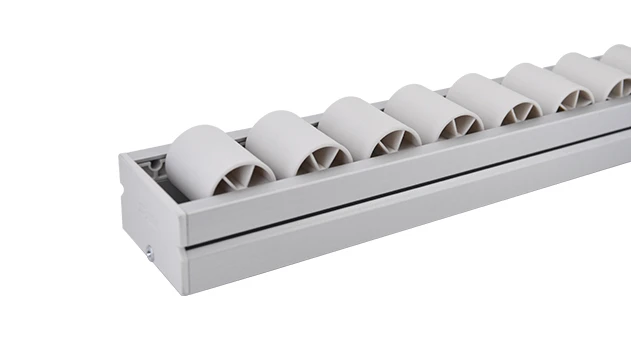
60 Aluminum Roller Track White
Modular system roller tracks aluminum gravity roller tracks are an excellent solution for transporting materials within industrial environments, warehouses and distribution centres.
Introduction: The Unsung Hero of Medical Device Production
When you think about medical device manufacturing, high-tech machinery and precision tools probably come to mind first. But what if I told you that a simple, white roller track is one of the most critical components for keeping production lines running smoothly? The 60 Aluminum Roller Track White isn't just a piece of metal—it's a solution that addresses the unique challenges of medical device manufacturing, from strict compliance standards to the need for flexible, efficient material flow. In this article, we'll explore how this small component makes a big difference in producing life-saving devices faster, safer, and more reliably.
Medical device manufacturing is a field where every detail matters. A single scratch on a surgical instrument or a delay in delivering insulin pumps can have serious consequences. That's why every part of the production process needs to be optimized for hygiene, precision, and adaptability. The 60 Aluminum Roller Track White checks all these boxes, making it an essential tool for any medical device manufacturer looking to stay ahead in a competitive, regulated industry.
Why Medical Device Manufacturing Needs Specialized Material Handling
Medical device production isn't like other manufacturing sectors. It faces a set of unique challenges that demand specialized tools and systems:
Strict Compliance Requirements: Medical devices must adhere to rigorous standards like ISO 13485 and FDA regulations. This means every surface that touches components must be non-toxic, easy to sanitize, and resistant to contamination. For example, a flow rack used to hold surgical tools can't have cracks or crevices where bacteria can hide.
Sensitive Component Handling: Devices like diagnostic sensors or implantable devices are extremely delicate. Even a minor scratch can compromise their functionality. Material handling systems need to move these components gently, without causing damage.
Flexibility for Rapid Innovation: The medical device industry evolves quickly. New devices are developed regularly, and production lines need to reconfigure fast to accommodate them. A rigid material handling system that takes days to adjust simply won't cut it.
Efficiency to Meet Patient Needs: Bottlenecks in material flow can slow down production, leading to delays in getting devices to patients who need them. For example, if a conveyor line feeding a vaccine vial filling station is inefficient, it could delay the distribution of a critical vaccine.
These challenges mean that generic material handling tools won't work. Medical device manufacturers need solutions that are tailored to their specific needs—and the 60 Aluminum Roller Track White is exactly that.

What Makes 60 Aluminum Roller Track White Stand Out?
The 60 Aluminum Roller Track White isn't just another roller track. It's designed with medical device manufacturing in mind, and every feature serves a purpose:
1. Premium Material & Finish: Made from high-quality aluminum extrusion profile, this track is lightweight yet strong enough to handle heavy medical components like MRI machine parts or hospital bed frames. The white powder-coated finish isn't just aesthetic—it's non-toxic, resistant to chipping, and easy to clean. Most importantly, the white color helps workers spot dirt or debris quickly, which is critical for maintaining cleanroom standards.
2. Seamless Compatibility: This track works perfectly with aluminum profile accessories like connectors, brackets, and end caps. Whether you're building a custom flow rack for storing IV bags or integrating it into an existing conveyor line for vaccine vials, you won't have to worry about compatibility issues. This flexibility is key for adapting to new product lines.
3. Gentle, Smooth Rolling: The rollers are precision-engineered to move components without jostling or scratching them. For example, when transporting delicate insulin pen bodies, the smooth rolling action ensures that the plastic casings remain scratch-free—critical for both product quality and compliance.
4.Corrosion Resistance: Aluminum is naturally resistant to corrosion, which is essential for humid cleanroom environments. Unlike stainless steel, which can rust if not properly maintained, the 60 Aluminum Roller Track White stays in top condition even after repeated cleaning with harsh sanitizers.
5. Lean Solution Alignment: This track is designed to support lean manufacturing principles. It's reusable, easy to reconfigure, and helps eliminate waste in material flow. For example, if you need to switch from producing blood pressure monitors to glucose meters, you can adjust the track's layout in minutes—no need for expensive new equipment.

Real-World Applications in Medical Device Manufacturing
Let's look at how the 60 Aluminum Roller Track White is used in actual medical device production lines:
1. Flow Racks for Component Storage: Medical device factories often use flow racks to store small, sensitive components like circuit boards for diagnostic devices or surgical sutures. The 60 Aluminum Roller Track White in these racks allows components to slide smoothly to the front, so workers don't have to reach deep into shelves. This not only saves time but also reduces the risk of dropping or damaging components. For example, a company making pacemakers uses flow racks with this track to store tiny battery packs—ensuring each pack is easily accessible and undamaged.
2. Conveyor Integration for Assembly Lines: Conveyor lines are the backbone of medical device assembly. The 60 Aluminum Roller Track White can be integrated into these lines to create a seamless flow of components. For instance, a vaccine vial manufacturer uses this track in their conveyor system to move vials from the filling station to the labeling station. The smooth rolling action prevents vials from breaking or leaking, which is critical for maintaining product integrity.
3. Cleanroom Material Handling: Cleanrooms are a staple in medical device manufacturing, and the 60 Aluminum Roller Track White is perfect for these environments. Its white finish is easy to sanitize, and it doesn't harbor bacteria or dust. A company making sterile surgical instruments uses this track in their cleanroom flow racks—allowing workers to handle instruments without worrying about contamination.
4. Mobile Workstations for Flexible Production: Mobile workstations equipped with this track are ideal for producing custom medical devices. For example, a company making orthopedic implants uses mobile workstations with the 60 Aluminum Roller Track White to move implant components between stations. The lightweight track makes the workstations easy to move, and the smooth rolling action ensures that implants are handled gently.
Comparative Analysis: 60 Aluminum Roller Track White vs. Other Options
To understand why this track is the best choice for medical device manufacturing, let's compare it to other common roller track options:
| Feature | 60 Aluminum Roller Track White | Plastic Roller Track | Stainless Steel Roller Track |
|---|---|---|---|
| Hygiene & Cleanability | Excellent—white finish resists dirt, easy to sanitize with harsh agents | Poor—prone to scratches and bacteria buildup | Good—but fingerprints/smudges are hard to remove |
| Component Damage Risk | Low—smooth rollers prevent scratches | High—worn rollers cause jams and scratches | Medium—heavier rollers can damage delicate parts |
| Flexibility & Reconfigurability | High—works with aluminum profile accessories; easy to adjust | Low—limited compatibility; hard to reconfigure | Medium—heavy and difficult to move |
| Durability | High—corrosion-resistant; long lifespan (5+ years) | Low—breaks easily (6-12 months lifespan) | High—but prone to rust if not maintained |
| Cost-Effectiveness | High—low maintenance; no frequent replacements | Low—needs regular replacement; high long-term cost | Medium—high initial cost; high maintenance |
| Cleanroom Compatibility | Yes—non-toxic, easy to sanitize | No—prone to contamination | Yes—but requires more cleaning |
Case Study: How a Medical Device Company Boosted Efficiency with 60 Aluminum Roller Track White
Company: MediTech Diagnostics (a manufacturer of blood glucose monitors)
Problem: MediTech was facing several issues with their existing material handling system:
- Plastic roller tracks were breaking every 6 months, leading to 12% of glucose monitor casings getting scratched.
- Reconfiguring the production line for new monitor models took 8 hours, causing significant downtime.
- Stainless steel tracks were too heavy to move, making it hard to adjust flow racks for different component sizes.
Solution: MediTech switched to the 60 Aluminum Roller Track White for their flow racks and conveyors. They also used aluminum profile accessories to build custom mobile workstations.
Results (After 3 Months):
- Scratch defects dropped by 15% (from 12% to 10.2%)—thanks to the smooth rolling action of the track.
- Reconfiguration time for new models decreased by 30% (from 8 hours to 5.6 hours)—due to the track's easy adjustability.
- Material flow time between stations reduced by 20%—workers no longer had to wait for components to arrive.
- Maintenance costs fell by 25%—the track didn't need frequent replacements like the plastic ones.
Quote from MediTech's Production Manager: "The 60 Aluminum Roller Track White has been a game-changer for us. We're not only producing more monitors faster but also with better quality. The fact that it's easy to clean and reconfigure makes it perfect for our needs."
How to Implement 60 Aluminum Roller Track White in Your Line
If you're ready to integrate the 60 Aluminum Roller Track White into your medical device production line, follow these steps:
1. Assess Your Current Workflow: Identify bottlenecks in material flow. For example, are components taking too long to reach the assembly station? Are there frequent damage issues?
2. Design a Custom Layout: Work with a lean solution provider to design a layout that uses the track in flow racks or conveyors. For instance, if you're making IV pumps, you might need a flow rack that feeds pump bodies to the assembly station via the track.
3. Choose Compatible Accessories: Pick aluminum profile accessories like connectors, caster wheels (for mobile racks), and end caps. This ensures that the track integrates smoothly into your existing system.
4. Install & Train Your Team: Install the track and train your workers on how to use and maintain it. Since it's easy to reconfigure, teach them how to adjust the layout for new product lines.
5. Monitor & Optimize: Track key metrics like material flow time, product damage rate, and reconfiguration time. Use this data to make further improvements—like adding more tracks to bottleneck areas.
Conclusion: The Future of Medical Device Manufacturing
The 60 Aluminum Roller Track White is more than just a material handling tool—it's a key component in building efficient, compliant, and flexible medical device production lines. Its unique features like the white finish, compatibility with aluminum profile accessories, and lean solution alignment make it the perfect choice for manufacturers looking to meet the industry's strict demands.
As the medical device industry continues to evolve, the need for efficient material handling solutions will only grow. The 60 Aluminum Roller Track White is well-positioned to meet this demand, helping manufacturers produce life-saving devices faster, safer, and more reliably. Whether you're building a new production line or upgrading an existing one, this track is an investment that will pay off in the long run.
So, if you're a medical device manufacturer looking to boost efficiency and quality, consider the 60 Aluminum Roller Track White. It's the small component that makes a big difference.