- Company Articles
- Products and Technology
- Product knowledge
- How Adjustable Leveling Feet Reduce Maintenance Costs in Material Handling Equipment

How Adjustable Leveling Feet Reduce Maintenance Costs in Material Handling Equipment
Related Product
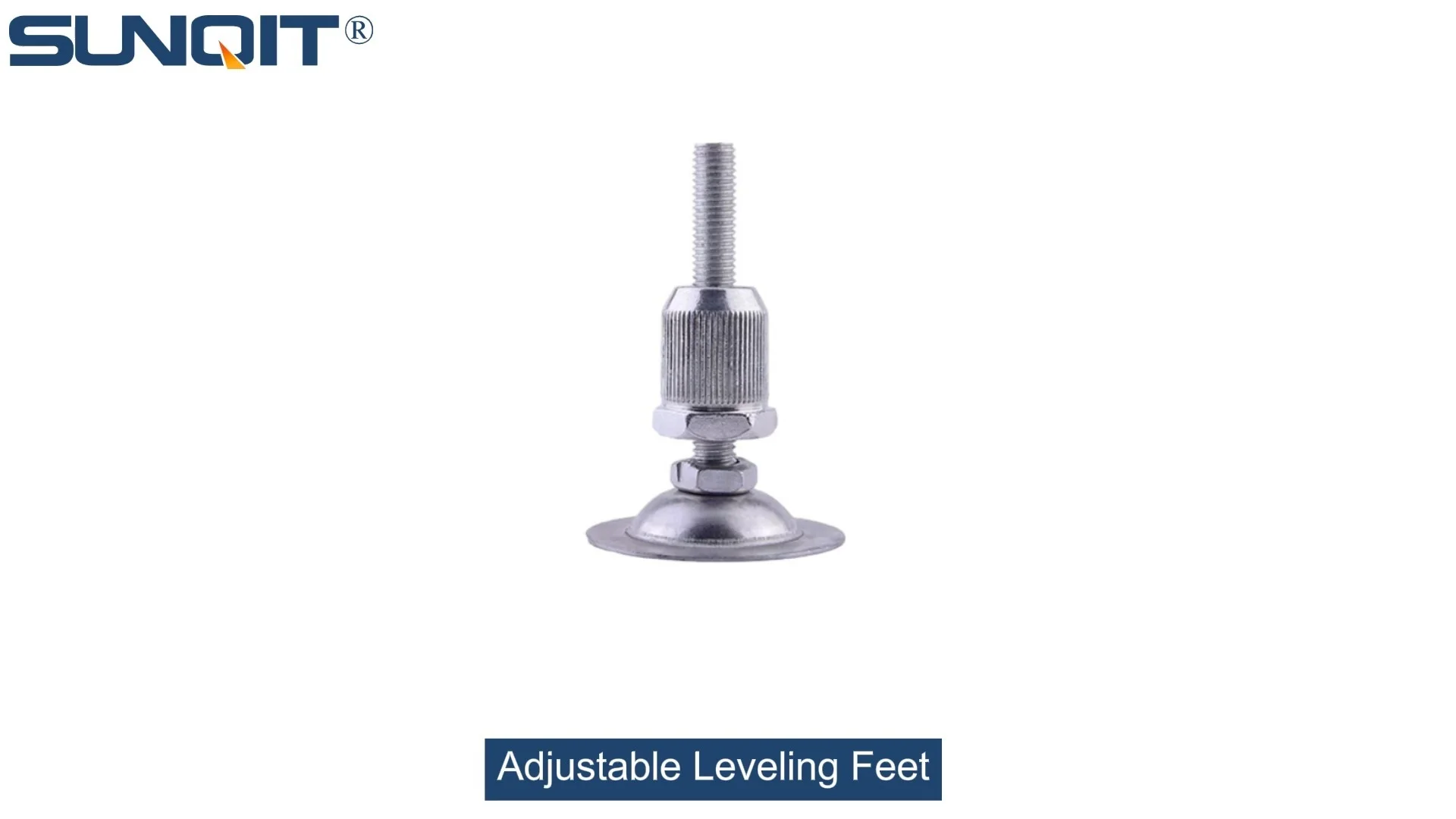
Adjustable Leveling Feet
Adjustable leveling feet are designed to keep machines level when placed on uneven or sloped ground. Otherwise known as adjustable equipment feet, they are available to order in a wide variety of size and load capacity combinations.
In the bustling world of manufacturing, warehousing, and logistics, material handling equipment is the unsung hero that keeps operations moving. From the workbench where assembly line workers piece together components to the turnover trolley and rack that shuttle goods across the facility, these tools are the backbone of productivity. But here's the thing: while we focus on their ability to lift, carry, and organize, we often overlook a silent drain on resources—maintenance costs. Broken caster wheels, warped workbench surfaces, bent frames, and wobbly racks don't just happen overnight. More often than not, they stem from a simple yet critical oversight: instability. And that's where adjustable leveling feet come in. These small, unassuming components might not grab headlines, but they hold the key to slashing maintenance expenses and extending the lifespan of your most vital equipment.
What Are Adjustable Leveling Feet, Anyway?
Let's start with the basics. Adjustable leveling feet are exactly what they sound like: devices attached to the bottom of equipment—think workbenches, turnover trolleys, conveyor frames, or material racks—to stabilize them on uneven surfaces. They typically consist of a threaded stem (often made of steel or aluminum) and a base (usually rubber, plastic, or metal) that can be twisted to raise or lower the height of that corner of the equipment. Some are designed with anti-slip bases to prevent sliding, while others feature heavy-duty materials for industrial settings. The magic lies in their simplicity: by (fine-tuning) each foot, you can ensure the entire piece of equipment sits perfectly level, even if the floor beneath it is bumpy, sloped, or cracked.
You might be thinking, "Aren't caster wheels supposed to handle movement and stability?" While caster wheels are great for mobility, they're not always designed to compensate for major floor irregularities. A trolley with caster wheels might roll smoothly on a flat warehouse floor, but if one corner dips due to a cracked tile, the entire load shifts. Over time, that uneven pressure takes a toll—not just on the caster wheel itself, but on the trolley's frame, the items being transported, and even the workers pushing it. Adjustable leveling feet work alongside caster wheels (or replace them in stationary setups) to balance the load, turning a wobbly problem into a steady solution.
The Maintenance Cost Crisis: Why Equipment Wear Happens
To understand how adjustable leveling feet reduce maintenance costs, we first need to grasp why material handling equipment breaks down in the first place. Let's take a common example: a workbench in a manufacturing plant. This isn't just a table—it's where precision work happens. If the workbench isn't level, even by a fraction of an inch, a few things start to go wrong. Tools slide off the edge, leading to dents or scratches (and costly replacements). Workers hunch or strain to compensate for the tilt, increasing the risk of errors and fatigue. Over time, the uneven weight causes the workbench's frame—maybe made of aluminum profile or steel—to bend. The wooden or metal top warps, creating gaps where small parts can get lost. Before you know it, you're shelling out for a new workbench top, reinforcing the frame, or even replacing the entire unit.
Now multiply that by every piece of equipment in your facility. Turnover trolleys with uneven weight distribution wear out caster wheels faster, requiring frequent replacements. Material racks that lean put extra stress on their joints, leading to cracks in the aluminum profile or steel supports. Conveyor systems with misaligned frames cause belts to fray or rollers to jam, halting production for repairs. Each of these issues adds up: parts, labor, downtime, and the hidden cost of lost productivity. According to industry reports, maintenance costs for material handling equipment can account for 15-20% of total operational expenses in manufacturing facilities. That's a huge chunk of your budget—and much of it is preventable.

How Adjustable Leveling Feet Step In: 5 Key Ways They Cut Costs
Adjustable leveling feet might seem like a minor addition, but their impact is anything but small. Here's how they directly reduce maintenance costs across your facility:
1. Preventing Uneven Wear on Caster Wheels and Components
Caster wheels are one of the most frequently replaced parts in material handling equipment—and for good reason. When a trolley or rack is unlevel, most of the weight rests on just one or two caster wheels instead of being evenly distributed. Imagine pushing a loaded turnover trolley where one wheel is barely touching the ground; the other three take the brunt of the load. Over time, those overworked wheels develop flat spots, their bearings wear out, and their axles bend. With adjustable leveling feet, you can ensure all caster wheels (or feet, in stationary setups) bear equal weight. This means slower, more even wear, and fewer replacements. A study by the Material Handling Equipment Distributors Association (MHEDA) found that facilities using adjustable leveling feet on trolleys reduced caster wheel replacement costs by up to 35% annually.
2. Minimizing Structural Stress on Frames and Joints
Equipment frames—whether made of aluminum profile, steel, or other materials—are designed to handle weight when properly aligned. When they're tilted, though, stress (concentrates) on specific joints and supports. For example, an aluminum profile workbench frame with a 2-degree tilt will pull harder on the bolts connecting the legs to the top, weakening them over time. Cracks might form in the aluminum extrusion, or the joints might loosen, requiring constant tightening or welding. Adjustable leveling feet eliminate this tilt, ensuring the frame bears weight as intended. This not only extends the frame's lifespan but also reduces the need for costly repairs like welding or part replacements.
3. Reducing Vibration and Noise (Yes, That Matters for Maintenance)
You might not think of noise and vibration as maintenance issues, but they are. A wobbly workbench or unsteady conveyor creates constant vibration as equipment operates. This vibration loosens screws, shakes components out of place, and even damages sensitive parts like roller track connectors or swivel joints. Over time, what starts as a minor rattle becomes a major repair. Adjustable leveling feet stabilize the equipment, cutting down on vibration and noise. Quieter operations are easier on workers, but more importantly, less vibration means fewer loose parts and longer intervals between maintenance checks.
4. Enhancing Compatibility Across Uneven Floors (No Need for Costly Floor Repairs)
Warehouse and factory floors are rarely perfect. Cracks, dips, and uneven concrete are par for the course, especially in older facilities. The traditional solution? Expensive floor repairs or pouring new concrete, which can cost tens of thousands of dollars. Adjustable leveling feet offer a cheaper alternative: instead of fixing the floor, you adjust the equipment to fit the floor. A few twists of the leveling feet can compensate for inch-deep dips or small bumps, making your existing floor workable. This saves you from pricey renovations and keeps equipment running smoothly on the floors you already have.
5. Extending the Lifespan of Workbenches, Racks, and Trolleys
At the end of the day, the biggest cost saver is simple: longer-lasting equipment. A workbench with adjustable leveling feet that stays level won't warp, its frame won't bend, and its top won't crack. A material rack that's properly stabilized won't lean or collapse under heavy loads. A turnover trolley with evenly weighted caster wheels will roll smoothly for years instead of months. By preventing premature wear and tear, adjustable leveling feet let you get more out of every piece of equipment you buy. Instead of replacing a workbench every 3-5 years, you might get 7-10 years out of it. Multiply that across all your equipment, and the savings add up fast.

Real-World Impact: A Case Study in Cost Reduction
To put these benefits into perspective, let's look at a real example. A mid-sized electronics manufacturer in Ohio was struggling with high maintenance costs for its assembly line workbenches and turnover trolleys. Their facility had uneven concrete floors, leading to frequent issues: workbench tops warped within a year, caster wheels on trolleys needed replacement every 6 months, and material racks leaned, requiring frame repairs. The maintenance team was spending 15-20 hours per week fixing these problems, and the company was budgeting $45,000 annually for equipment repairs and replacements.
After consulting with a material handling supplier, they installed adjustable leveling feet on 20 workbenches, 30 turnover trolleys, and 15 material racks. The results were striking: within six months, caster wheel replacements dropped by 60% (from 60 wheels per year to 24). Workbench top replacements fell from 8 per year to 2. Material rack frame repairs decreased by 75%, as the racks stayed level and stable. The maintenance team's weekly hours on these tasks dropped to just 5-7 hours. By the end of the first year, the company's maintenance costs for these items fell to $18,000—a 60% reduction. The total cost of the adjustable leveling feet? Just $3,500. That's a return on investment (ROI) of over 1,200% in the first year alone.

A Closer Look: Maintenance Costs With vs. Without Adjustable Leveling Feet
Curious how the numbers stack up for different types of equipment? The table below compares average annual maintenance costs for common material handling tools, with and without adjustable leveling feet (based on industry data and case studies):
| Equipment Type | Annual Maintenance Cost Without Leveling Feet | Annual Maintenance Cost With Leveling Feet | Annual Savings | Savings Percentage |
|---|---|---|---|---|
| Workbench (Aluminum Profile Frame) | $600 (top replacement, frame repairs) | $150 (minor adjustments, cleaning) | $450 | 75% |
| Turnover Trolley (4 Caster Wheels) | $400 (caster wheel replacements, axle repairs) | $120 (occasional wheel lubrication) | $280 | 70% |
| Material Rack (3-Tier, Steel Frame) | $800 (frame straightening, joint replacements) | $200 (tightening bolts, cleaning) | $600 | 75% |
| Conveyor Section (10ft, Roller Track) | $1,200 (belt/roller replacement, frame alignment) | $300 (roller lubrication, minor adjustments) | $900 | 75% |
| Total (Per Equipment Unit) | $3,000 | $770 | $2,230 | 74% |
*Costs are approximate and based on industry averages for mid-sized manufacturing facilities. Actual savings may vary by equipment age, usage, and floor conditions.
Choosing the Right Adjustable Leveling Feet: What to Consider
Not all adjustable leveling feet are created equal. To maximize cost savings, you'll need to choose the right ones for your equipment and environment. Here are key factors to keep in mind:
- Load Capacity: Make sure the feet can support the maximum weight of the equipment and its typical load. A heavy-duty material rack might need feet rated for 1,000 lbs per foot, while a light workbench could get by with 200 lbs per foot.
- Base Material: Rubber bases are ideal for smooth floors (they prevent slipping and reduce noise), while metal bases work better on rough or uneven surfaces. For ESD (electrostatic discharge) environments (common in electronics manufacturing), look for conductive rubber bases to dissipate static.
- Thread Size and Adjustment Range: The threaded stem should be long enough to compensate for your floor's worst irregularities. Most feet offer 1-3 inches of adjustment, but longer stems are available for very uneven floors.
- Compatibility: Ensure the feet can attach to your equipment's frame. Some are designed for aluminum profile frames with T-slots, while others screw into pre-drilled holes in steel frames. Check the mounting hardware (e.g., bolts, brackets) to avoid compatibility issues.
- Environmental Resistance: If your facility has moisture, chemicals, or extreme temperatures, choose feet with corrosion-resistant materials (e.g., stainless steel stems, coated bases) to prevent rust and degradation.
Conclusion: Investing in the Small Parts That Make a Big Difference
In the fast-paced world of material handling, it's easy to focus on big-ticket items like new conveyors or automated systems. But sometimes, the most impactful improvements come from the smallest parts. Adjustable leveling feet are a prime example: affordable, easy to install, and yet capable of slashing maintenance costs by 50-75% for key equipment like workbenches, turnover trolleys, and material racks. They prevent uneven wear, reduce structural stress, extend equipment lifespan, and eliminate the need for costly floor repairs. As the Ohio manufacturer discovered, the ROI is undeniable.
So, if you're looking to cut operational costs without sacrificing productivity, start small. Add adjustable leveling feet to your most problematic equipment first—maybe the workbenches that always warp or the trolleys with perpetually flat tires. Watch the maintenance requests decrease, the replacement parts pile up less frequently, and your budget breathe a little easier. After all, in material handling, stability isn't just about keeping things upright—it's about keeping costs down, too.