- Company Articles
- Products and Technology
- Product knowledge
- How Aluminum Foot Base Improves Ergonomics in Assembly Workstations

How Aluminum Foot Base Improves Ergonomics in Assembly Workstations
Related Product
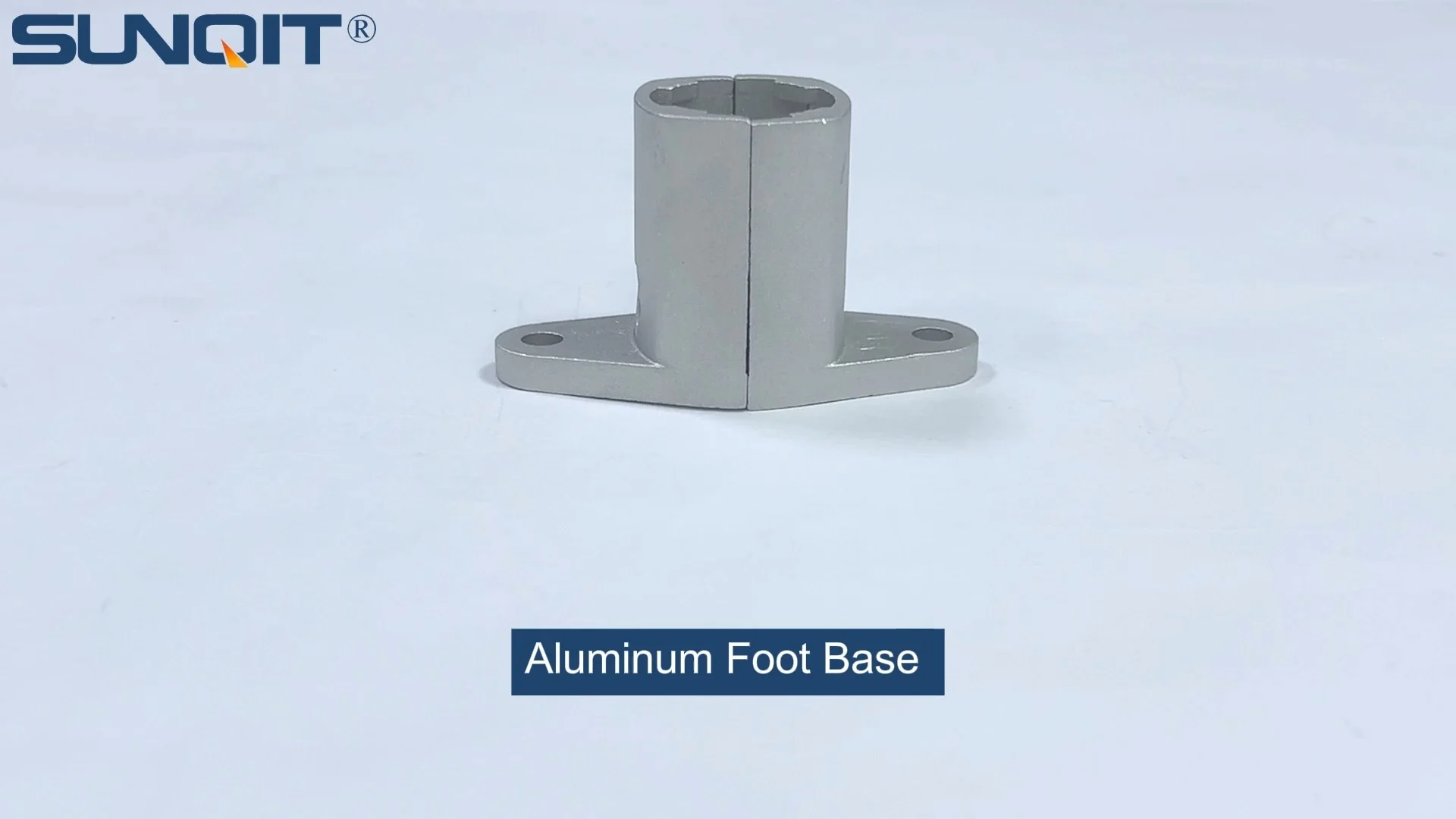
Aluminum Foot Base
Aluminum foot base to connect 28mm aluminum pipe and fixed it on the ground and prevent pipe fall and move.
Picture this: Maria, a 34-year-old assembly line worker, clocks in at 7:00 AM, pulls up her stool, and leans into her workstation. For the next eight hours, her hands move methodically—screwing components, sorting parts, reaching for tools. By noon, her lower back aches. By 3:00 PM, her shoulders feel tight, and she catches herself slouching to ease the strain. By the end of the day, she's exhausted, and yesterday's headache is creeping back. Sound familiar? For millions of manufacturing workers worldwide, this isn't just a bad day—it's the norm. And it's costing companies more than they realize: lost productivity, increased errors, and skyrocketing absenteeism due to work-related musculoskeletal disorders (WMSDs). The culprit? Often, it's not the job itself, but the workstation designed to support it—specifically, the foundation that holds everything together.
Ergonomics, the science of designing work environments to fit the people who use them, has become a buzzword in manufacturing circles, and for good reason. Studies show that well-designed ergonomic workstations can reduce WMSDs by up to 60%, boost productivity by 15-20%, and cut absenteeism in half. But here's the thing: ergonomics isn't just about fancy chairs or adjustable monitors. It starts from the ground up—with the very base of the workstation. Enter the aluminum foot base: a humble yet transformative component that's quietly revolutionizing how assembly lines prioritize worker comfort and efficiency. In this article, we'll dive into why the aluminum foot base is the unsung hero of ergonomic workstations, how it outperforms traditional alternatives, and why it's become a must-have for forward-thinking manufacturers.
The Foundation of Ergonomics: Why the "Base" Matters More Than You Think
When we talk about workstation ergonomics, our minds often jump to the surface—the workbench height, the placement of tools, the angle of the monitor. But imagine building a house on a shaky foundation: no matter how beautiful the walls or how modern the fixtures, the structure will wobble, crack, and eventually fail. The same goes for assembly workstations. The foot base—the component that connects the workstation frame to the floor—is the foundation. It determines stability, adjustability, and ultimately, how well the workstation adapts to the human body.
Think about the average assembly worker: heights range from 5'2" to 6'4", arm lengths vary, and even posture preferences differ. A workstation with a fixed-height foot base forces everyone to conform to a one-size-fits-all setup. For a taller worker, this might mean hunching over; for a shorter one, straining to reach the work surface. Over time, these micro-adjustments to poor ergonomics add up. The National Institute for Occupational Safety and Health (NIOSH) estimates that WMSDs account for 30% of all workers' compensation claims, costing U.S. companies over $50 billion annually. Many of these injuries stem from repetitive strain caused by awkward postures—postures directly influenced by a workstation that can't adapt.
So, what makes a foot base "ergonomic"? Three key traits: adjustability to fit diverse body types, stability to prevent wobbling during tasks, and durability to withstand the wear and tear of a busy factory floor. Traditional foot bases—often made of steel, cast iron, or even wood—fall short in one or more of these areas. Steel is heavy and prone to rust, making adjustments a two-person job. Cast iron is durable but fixed in height, locking workers into rigid setups. Wood? It warps, rots, and offers zero adjustability. Enter aluminum foot base: a material and design innovation that checks all three boxes.
Aluminum Foot Base: Redefining Workstation Foundations
Aluminum foot base isn't just a "new material"—it's a reimagining of what a workstation foundation can be. Let's break down its key features and how they directly impact ergonomics:
1. Precision Adjustability: One Base, Hundreds of Workers
The most critical ergonomic feature of any workstation is adjustability, and aluminum foot bases excel here. Unlike fixed steel bases, aluminum foot bases typically come with threaded height-adjustment rods and easy-to-turn knobs. This allows workers (or supervisors) to tweak the workstation height in increments as small as 5mm, ensuring the workbench surface sits at elbow height—where the arms can rest comfortably, and the spine stays in a neutral position. For example, a worker standing at a lean pipe workbench might need the surface at 900mm, while a seated operator using an aluminum extrusion profile workstation might prefer 750mm. With an aluminum foot base, these adjustments take 30 seconds, not hours of disassembly.
But adjustability isn't just about height. Many aluminum foot bases also include tilt or leveling mechanisms, which are game-changers for uneven factory floors. A wobbly workstation forces workers to shift their weight constantly to compensate, leading to muscle fatigue. Aluminum foot bases with swivel or self-leveling feet automatically stabilize the workstation, even on cracked concrete or sloped surfaces. This might sound like a small detail, but ask any worker who's spent a shift fighting a wobbly table—stability translates directly to focus and reduced strain.
2. Lightweight Strength: Durability Without the Drag
Aluminum is famous for its strength-to-weight ratio: it's 1/3 the weight of steel but just as strong. This matters for two reasons. First, lightweight foot bases make workstation reconfiguration a breeze. In lean manufacturing setups, where lines are rearranged to optimize flow, moving a steel-based workstation might require a forklift or a team of workers. Aluminum foot bases? One person can lift and reposition them, cutting downtime and encouraging frequent ergonomic tweaks. Second, aluminum's corrosion resistance ensures longevity. Unlike steel, which rusts when exposed to moisture, oil, or chemicals, aluminum forms a natural oxide layer that protects it from wear. This means the foot base maintains its adjustability and stability for years, even in harsh factory environments.
3. Compatibility: Playing Well With Others (Aluminum Profile, Lean Pipe Workbench, and More)
A foot base is only as good as its ability to integrate with the rest of the workstation. Aluminum foot bases are designed to work seamlessly with modern workstation components like aluminum profile, lean pipe workbench frames, and aluminum pipe accessories. Aluminum profile—extruded aluminum beams with T-slots—is the backbone of modular workstations, allowing for easy attachment of shelves, tool holders, and monitors. Aluminum foot bases connect to these profiles using simple brackets or clamps (often included in aluminum pipe accessories kits), creating a unified, stable structure. This compatibility means manufacturers aren't locked into proprietary systems; they can mix and match components to build custom ergonomic setups.
For example, a lean pipe workbench—popular in electronics manufacturing for its flexibility—uses lightweight steel or aluminum pipes joined by connectors. Pairing it with an aluminum foot base ensures the entire structure stays stable, even when loaded with circuit boards or tools. Similarly, aluminum extrusion profile workstations, which are common in automotive assembly, rely on aluminum foot bases to support heavy loads while remaining adjustable. The result? A workstation that grows with your needs, not against them.

Traditional vs. Aluminum Foot Bases: A Side-by-Side Comparison
Still on the fence about aluminum? Let's put it head-to-head with traditional foot base materials. The table below compares aluminum foot base to steel, cast iron, and wood across key ergonomic and practical metrics:
| Feature | Aluminum Foot Base | Steel Foot Base | Cast Iron Foot Base | Wooden Foot Base |
|---|---|---|---|---|
| Adjustability | High: Threaded rods, easy height/leveling adjustments (5mm increments) | Low: Fixed height or bolted adjustments (requires tools, 2+ people) | None: Fixed height, no leveling | None: Fixed height, prone to warping |
| Stability | High: Self-leveling feet, non-slip pads, rigid connection to frames | High: Heavy, but prone to wobbling on uneven floors | Very High: Heavy, but no adaptability to uneven surfaces | Low: Warps with moisture/temperature, uneven over time |
| Weight | Light (1-3kg per base): Easy to move/reconfigure solo | Heavy (5-8kg per base): Requires 2+ people to move | Very Heavy (10+kg per base): Immovable once installed | Medium (3-5kg per base): Bulky but manageable |
| Durability | High: Corrosion-resistant, oxide layer prevents rust, withstands impacts | Medium: Prone to rust without coating; dents easily | High: Resistant to dents, but rusts if chipped | Low: Rots, warps, scratches, and splinters |
| Compatibility | High: Works with aluminum profile, lean pipe workbench, aluminum pipe accessories | Medium: Limited to steel frames; requires adapters for aluminum | Low: Only fits specific cast iron frames | Very Low: Custom-fit only; no standard connections |
| Long-Term Cost | Medium-High upfront, low over time: No replacement needed for 5-10 years | Low upfront, high over time: Requires rust treatment, replacement every 2-3 years | High upfront, medium over time: Lasts 7-10 years but no adjustability | Low upfront, very high over time: Replacement every 1-2 years |
The data speaks for itself: aluminum foot base outperforms traditional materials in adjustability, weight, compatibility, and long-term durability—all critical factors for ergonomic workstations. While steel or cast iron might seem cheaper upfront, the hidden costs of worker injuries, downtime for reconfiguration, and frequent replacements quickly erase those savings.

Beyond the Base: Integrating Aluminum Foot Bases with Modern Workstation Systems
A great foot base is only as effective as the system it supports. Aluminum foot bases shine brightest when paired with modular, ergonomic workstation components like aluminum profile, lean pipe workbench, and aluminum pipe accessories. Let's explore how these pieces work together to create a fully optimized workspace.
Aluminum Profile: The Frame That Adapts
Aluminum extrusion profile—hollow, T-slotted beams made from extruded aluminum—is the backbone of modern modular workstations. These profiles come in standard sizes (2020, 3030, 4040, etc.) and can be cut to length, connected with brackets, and customized with shelves, tool hooks, or monitor arms. Aluminum foot bases attach directly to these profiles via T-slot nuts and bolts (part of aluminum pipe accessories), creating a rigid yet adjustable frame. For example, a 4040 aluminum profile workbench might use four aluminum foot bases—one at each corner—each adjustable to level the bench on uneven ground. The T-slot design allows workers to add accessories (like keyboard trays or tool rails) at any height, ensuring tools are within easy reach and reducing strain from repetitive reaching.
Lean Pipe Workbench: Flexibility Meets Strength
Lean pipe workbenches, often made with aluminum or steel pipes and connectors, are a staple in lean manufacturing for their flexibility and low cost. When paired with aluminum foot bases, they become even more ergonomic. Imagine a lean pipe workbench used for electronics assembly: the pipes form the frame, the work surface is a (ESD) panel, and aluminum foot bases support the entire structure. Workers can adjust the foot base height to set the workbench at elbow level, then add lean pipe accessories like overhead racks or side shelves—all without compromising stability. The lightweight nature of aluminum foot bases also makes it easy to add casters (another aluminum pipe accessory) for mobile workstations, allowing workers to move materials directly to the line instead of walking back and forth.
Aluminum Pipe Accessories: The Finishing Touches
Aluminum pipe accessories—brackets, clamps, leveling feet, and joint connectors—bridge the gap between foot bases and workstation frames. For example, a "swivel joint" accessory allows the foot base to connect to a tilted aluminum profile, creating a sloped work surface for assembly tasks that require downward visibility (like soldering). A "leveling pad" accessory adds extra grip to the foot base, preventing slippage on smooth factory floors. These small but critical components ensure the foot base integrates seamlessly with the rest of the workstation, turning a collection of parts into a cohesive, ergonomic system.
Case Study: How a Automotive Supplier Cut Injuries by 40% with Aluminum Foot Bases
"We used to have a worker call out sick every week with back pain. Now? Maybe one a month." That's what John, a production manager at a mid-sized automotive parts supplier, told us after switching to aluminum foot bases and aluminum profile workstations. Let's break down their journey.
Before the switch, John's team used steel-framed workbenches with fixed cast iron foot bases. The workbenches were set at 900mm—too low for their tallest workers (6'+), too high for their shortest (5'2"). Workers compensated by standing on footstools, slouching, or leaning awkwardly. Over six months, the plant saw a 25% increase in back and shoulder injury reports, and productivity dropped as workers took more breaks to stretch.
The solution? John's team replaced the steel frames with 4040 aluminum profile and swapped the cast iron bases for adjustable aluminum foot bases. Each workstation now features four aluminum foot bases with 50mm height adjustment ranges, paired with aluminum pipe accessories like tilt brackets and ESD work surfaces. Workers can now adjust their stations in seconds: a quick twist of the foot base knob raises or lowers the workbench, and T-slot accessories let them position tools at waist height.
The results, measured over six months: 40% reduction in reported injuries , 18% increase in parts assembled per hour , and 92% of workers reporting "less fatigue" at the end of shifts . "The aluminum foot bases were the unsung hero," John noted. "We focused on the workbench and tools first, but the adjustability of the base made all the other changes possible. Workers aren't fighting the workstation anymore—they're working with it."

Beyond Ergonomics: The Hidden Benefits of Aluminum Foot Bases
While ergonomics is the primary driver behind aluminum foot base adoption, the benefits extend far beyond worker comfort. Here are three "hidden" advantages that make aluminum foot bases a smart investment for any manufacturing operation:
1. Sustainability: Lightweight = Lower Carbon Footprint
Aluminum is 100% recyclable, and recycling it uses 95% less energy than producing new aluminum. Aluminum foot bases, being lightweight, also reduce transportation costs: a truck can carry 3x more aluminum bases than steel ones, cutting fuel consumption and emissions. For companies aiming for net-zero goals, aluminum foot bases are a small but impactful step toward sustainability.
2. Cleanliness: Corrosion Resistance for Hygienic Environments
In industries like food processing, pharmaceuticals, or electronics, cleanliness is critical. Aluminum's natural oxide layer resists bacteria growth and corrosion from cleaning chemicals, making aluminum foot bases easier to sanitize than steel (which requires paint or coatings that chip over time). This reduces the risk of contamination and keeps workstations compliant with industry regulations.
3. Future-Proofing: Adaptability for Changing Workforces
The manufacturing workforce is evolving: aging workers, remote/hybrid models, and shorter product lifecycles demand flexible workspaces. Aluminum foot bases, paired with modular aluminum profile and lean pipe workbench systems, can adapt to these changes. Need to reconfigure a line for a new product? Adjust the foot base heights and add accessories. Hire a taller team? Raise the workbenches in minutes. This adaptability ensures your workstation investment lasts for years, even as your needs change.
Choosing the Right Aluminum Foot Base: What to Look For
Not all aluminum foot bases are created equal. When shopping for your workstation, keep these key factors in mind:
- Adjustment Range: Look for bases with at least 30mm of height adjustment (e.g., 100mm-130mm) to accommodate diverse worker heights.
- Weight Capacity: Ensure the base can support your workstation's total weight (workbench + tools + materials). Most aluminum foot bases handle 100-200kg per base.
- Leveling Mechanism: Self-leveling feet or swivel pads are a must for uneven floors.
- Compatibility: Check that the base fits your aluminum profile or lean pipe workbench (e.g., 4040 profile requires a base with matching bolt holes).
- Accessories: Look for bases that work with aluminum pipe accessories like casters, tilt brackets, or ESD grounding plates.
Don't forget to consult your workers, too! They're the ones using the workstations daily, and their input on height preferences or pain points can help you choose the right features.
Conclusion: Investing in People, One Base at a Time
Ergonomics isn't a luxury—it's a necessity. In a world where manufacturing competition is fierce and skilled workers are in short supply, companies can't afford to ignore the link between workstation design and employee well-being. The aluminum foot base, though small in size, plays a giant role in this equation. It's the foundation that allows workstations to adapt to people, not the other way around—reducing injuries, boosting productivity, and showing workers they're valued.
As we've explored, aluminum foot bases offer adjustability, stability, and durability that traditional materials can't match. When paired with aluminum profile, lean pipe workbench, and aluminum pipe accessories, they create workstations that grow with your team and your business. The case study from the automotive supplier says it best: "Workers aren't fighting the workstation anymore—they're working with it." That's the power of a well-designed foundation.
So, the next time you walk through your factory floor, take a look at the bases of your workstations. Are they holding your team back, or lifting them up? For manufacturers ready to invest in their most valuable asset—their people—aluminum foot base is the first step toward a more ergonomic, productive, and sustainable future.