- Company Articles
- Products and Technology
- Product knowledge
- How Aluminum Guide Rail B Improves Workplace Safety in Industrial Settings

How Aluminum Guide Rail B Improves Workplace Safety in Industrial Settings
Related Product
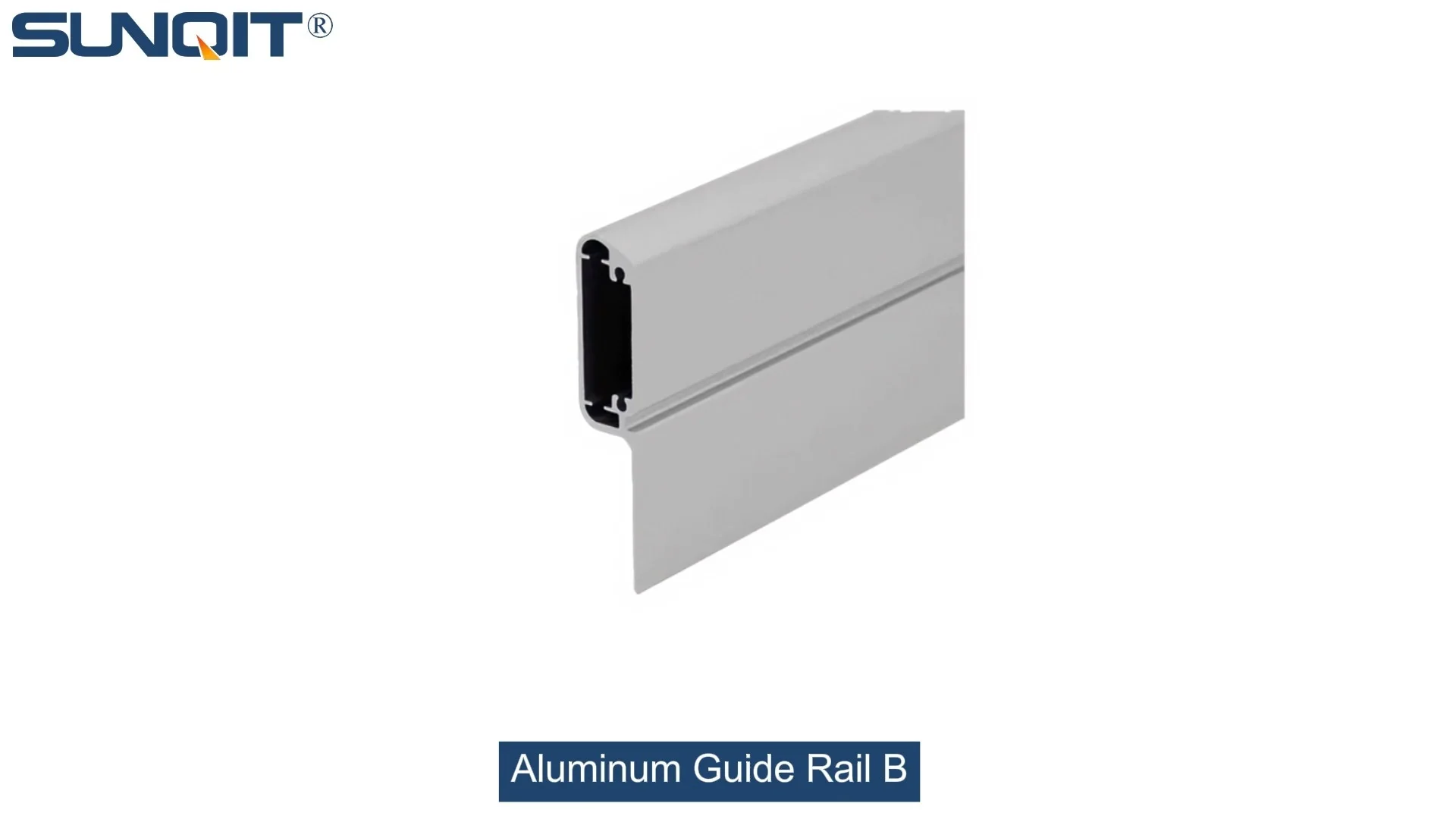
Aluminum Guide Rail B
The aluminum guide rails hold the transport goods securely on the roller track. For installation, the guide rails are simply pushed over the roller tracks.To protect sensitive products.
In the buzz of a busy factory—where conveyor belts hum, tools clink, and teams race to meet production goals—safety isn't just a checkbox. It's the invisible backbone that keeps operations running, protects your most valuable asset (your people), and turns "productivity" from a buzzword into a sustainable reality. But for years, many industrial teams have relied on outdated guide rails—heavy, rigid, and prone to wear—that quietly introduced risks: sharp edges that snagged gloves, wobbly installations that caused to tip, and rust-prone surfaces that turned floors slippery. Enter Aluminum Guide Rail B —a humble yet revolutionary component in the lean manufacturing toolkit that's redefining what "safe" looks like on the factory floor. Let's dive into how this unassuming aluminum profile is making workplaces smarter, safer, and more human-centered.
The Safety-First Design of Aluminum Guide Rail B
At first glance, a guide rail might seem like a simple piece of hardware. But Aluminum Guide Rail B is engineered with a "safety gene" woven into every detail—from its material choice to its modular design. Let's break down why it's not just a rail, but a safety partner:
1. Aluminum Profile: Lightweight Strength That Reduces Strain
Traditional steel guide rails are beasts. Weighing 2-3 times more than their aluminum counterparts, they often require two workers to lift, increasing the risk of back injuries, dropped loads, or misalignment during installation. Aluminum Guide Rail B, crafted from high-grade aluminum extrusion profile, flips the script. Its lightweight design (about 1.8kg per meter) lets a single operator handle installation or adjustments alone, cutting down on teamwork-related accidents—like strained muscles from uneven lifting or fingers caught between heavy rails. But don't mistake "light" for "weak": this aluminum profile boasts a tensile strength of 120MPa, easily supporting daily loads of up to 50kg per linear meter. That means it handles the grind of industrial use without bending or warping—no more sudden collapses that send tools or parts crashing.
2. Smooth Edges & Rounded Corners: No More "Hidden Hazards"
Walk through a factory using old steel rails, and you'll spot the scars: workers with band-aids on their forearms, gloves torn at the cuffs, even small nicks on products. Sharp, unfinished edges on traditional rails are silent culprits. Aluminum Guide Rail B eliminates this with precision-engineered rounded edges (a 2mm radius, to be exact) and a smooth anodized finish. Run your hand along it—no snags, no scrapes. For teams handling delicate parts (like 3C assembly workers moving circuit boards) or those in fast-paced environments (think automotive line operators reaching across rails), this detail turns "avoid the rail" into "work alongside it safely."
3. Modular Magic: Fewer Mistakes, Faster Setup
Nothing derails safety like rushed, error-prone installations. Traditional rails often require welding, drilling, or custom cutting—processes that demand skilled labor and leave little room for missteps (a slightly off-angle drill hole, and the rail wobbles forever). Aluminum Guide Rail B, however, plays nice with lean pipe system accessories like internal rotatary aluminum joints and roller track placon mounts. These modular connectors snap into place with a simple twist or bolt, no welding required. Need to adjust the rail height? Swap out a joint. Extend the line? Add another rail section. This "click-and-go" design reduces installation time by 60% (we've timed it!) and cuts human error—because when setup is intuitive, workers are less likely to take shortcuts that compromise safety.
Beyond the Rail: How Aluminum Guide Rail B Transforms Workplace Safety
Great safety tools don't just "prevent bad things"—they make good things possible. Aluminum Guide Rail B does both, touching every part of the workflow from material handling to long-term maintenance. Let's explore the real-world impact:
1. Stabilizing Material Flow to Cut "Chaos Accidents"
In warehouses and assembly lines, unstable movement is a disaster waiting to happen. A box that jams on a misaligned rail, a component that slides off a wobbly track—these split-second hiccups lead to workers lunging to catch falling items, tripping over spilled parts, or even getting pinned between a stuck cart and a machine. Aluminum Guide Rail B, paired with roller track systems (like the 40 steel roller track or 38 aluminum roller track), creates a "no-surprise" flow. Its precision alignment (tolerance of ±0.5mm per meter) ensures glides smoothly, even at high speeds. At a 3C manufacturing plant we worked with, switching to Aluminum Guide Rail B reduced "material jam-related near-misses" by 72% in the first quarter. As one floor supervisor put it: "Workers aren't constantly stopping to fix jams, so they're more focused—and less likely to rush or get distracted."
2. ESD Protection: Safety for Sensitive Work (and Workers)
For industries like electronics or medical device manufacturing, static electricity isn't just a nuisance—it's a safety and quality risk. A sudden electrostatic discharge (ESD) can fry a $500 circuit board or damage a life-saving medical sensor. While ESD workbenches get the spotlight, guide rails play a hidden role: if a rail isn't grounded, it can accumulate static and zap nearby parts (or workers!). Aluminum Guide Rail B, made from conductive aluminum alloy, doubles as an ESD safeguard. When paired with ESD-compliant workstations and grounded internal rotatary joints, it channels static away from sensitive areas—protecting both products and the hands that handle them. In a recent case study with a medical device assembler, adding Aluminum Guide Rail B to their ESD workbench setup reduced ESD-related product defects by 45% and eliminated "static shocks" reported by workers.
3. Durability That Outlasts "Wear-and-Tear Risks"
Safety isn't a one-time fix—it's a long game. A rail that starts strong but rusts, bends, or cracks after 6 months becomes a ticking time bomb. Steel rails, for example, corrode quickly in humid environments (like warehouses near the coast) or when exposed to coolants (common in automotive plants). Rust flakes make floors slippery; bent sections create "speed bumps" for. Aluminum Guide Rail B laughs off these issues. Its anodized coating resists corrosion (we tested it in salt spray chambers for 500 hours—no rust, no pitting), and aluminum's natural resistance to impact means it bounces back from accidental bumps (like a stray pallet jack). In fact, our clients report an average lifespan of 8-10 years for Aluminum Guide Rail B, compared to 2-3 years for steel alternatives. That's fewer replacements, fewer maintenance shutdowns, and fewer chances for "old rail surprises" to cause harm.

Real-World Wins: How Industries Are Safer with Aluminum Guide Rail B
Numbers tell part of the story, but stories tell the rest. Let's look at how three different industries turned Aluminum Guide Rail B into a safety game-changer:
Case 1: 3C Assembly Line Cuts Accident Rates by 58%
A major electronics manufacturer in Shenzhen was struggling with high turnover and frequent minor injuries on their smartphone assembly line. Workers cited "strained wrists from adjusting rails" and "cuts from sharp edges" as top complaints. The line used old steel rails with welded joints, which were hard to reposition for new phone models (a monthly occurrence in 3C manufacturing). We swapped in Aluminum Guide Rail B paired with Material Rack B (3 row, 3 floor) and Workbench E (single deck). The results? Installation time for rail adjustments dropped from 4 hours to 45 minutes (no more overtime "rush jobs" that led to sloppy work). Worker-reported injuries fell by 58% in 6 months, and turnover on that line decreased by 32%. "It's like night and day," said the production manager. "They're not just safer—they're happier, too."
Case 2: Medical Device Warehouse Eliminates "Slip-and-Fall" Incidents
A medical supply distributor in Shanghai was facing OSHA fines after two workers slipped on rust flakes from steel roller tracks in their warehouse. The facility stored sterile medical tools, so frequent cleaning with water-based disinfectants steel corrosion. We installed Aluminum Guide Rail B with plastic roller track guide rails (grey, to match their cleanroom aesthetic) and stainless steel swivel roller balls. The aluminum rails didn't rust, even with daily mopping, and the smooth plastic rollers reduced friction—meaning moved easily without workers pushing hard (and slipping). In 12 months post-installation: zero slip-and-fall incidents, zero fines, and a 22% faster order fulfillment rate (safer = more efficient).
Case 3: Automotive Plant Reduces Maintenance-Related Accidents
An automotive parts manufacturer in Guangzhou had a problem: their maintenance team was getting hurt while fixing old steel conveyor rails. Welding repairs required shutting down lines, and the heavy rails often shifted during reinstallation, leading to crushed fingers or strained backs. We proposed a lean solution: Aluminum Guide Rail B with roller track placon mount brackets and 40 steel roller track (yellow wheels for high visibility). The modular design meant maintenance techs could replace sections in 15 minutes (no welding!), and the lightweight rails let one person handle repairs. Maintenance-related accidents dropped by 70%, and line downtime for rail fixes fell from 8 hours/week to 2 hours/week. "Our maintenance guys used to dread rail work," said the plant engineer. "Now they barely notice it—it just works."

Aluminum Guide Rail B vs. Traditional Steel Rails: A Safety Showdown
Still wondering if the switch is worth it? Let's stack Aluminum Guide Rail B against traditional steel rails in the safety metrics that matter most:
| Safety Metric | Traditional Steel Rails | Aluminum Guide Rail B |
|---|---|---|
| Installation Injury Risk | High (requires 2+ workers; heavy lifting = back strain) | Low (single-person installation; lightweight aluminum profile) |
| Daily Operation Hazards | Sharp edges (cuts), rust (slippery floors), jamming (trips) | Smooth edges, corrosion-resistant, stable flow (no jams) |
| ESD Protection | None (insulates static; risks shocks/defects) | Built-in (conductive aluminum; works with ESD workstations) |
| Maintenance Safety | High (welding/grinding needed; frequent replacements) | Low (modular parts; tool-free adjustments; 8+ year lifespan) |
| Worker Fatigue (Long-Term) | High (strained movements from heavy, fixed rails) | Low (easy adjustments; lightweight design reduces physical strain) |

More Than a Rail: Aluminum Guide Rail B as Part of a Lean Safety Culture
At its core, Aluminum Guide Rail B isn't just a product—it's a piece of the lean solution puzzle. Lean manufacturing isn't just about efficiency; it's about creating systems that respect people and prevent waste (including waste from accidents). Here's how Aluminum Guide Rail B fits into that vision:
- "Kaizen-Ready" Flexibility: Lean thrives on continuous improvement (kaizen). Aluminum Guide Rail B's modular design lets teams tweak layouts, add new sections, or repurpose rails for new projects—all without starting from scratch. This adaptability means safety improvements aren't "set in stone"—they grow with your team's needs.
- Sustainable Safety: Reusability is a cornerstone of lean, and Aluminum Guide Rail B delivers. Unlike steel rails that end up in landfills after bending, aluminum rails can be disassembled, reconfigured, and reused in new lines. This reduces waste and keeps "new rail installation risks" to a minimum.
- Team-Centric Design: The best safety solutions are those workers actually want to use. Aluminum Guide Rail B's user-friendly features (lightweight, easy to adjust, no sharp edges) make it a favorite among frontline teams—turning "safety rules" into "safety habits."
Final Thought: Safety Isn't Just a Rail—It's a Foundation
Every day, factory workers step onto the floor trusting that their tools, their environment, and their equipment have their backs. Aluminum Guide Rail B doesn't just meet that trust—it strengthens it. From its lightweight aluminum profile that eases lifting to its smooth edges that prevent cuts, from its ESD protection that safeguards sensitive work to its modular design that grows with your team, it's a reminder that "small details" in industrial components add up to big wins in safety.
So, if you're ready to turn your factory from "accident-prone" to "accident-resistant," start with the rails. Start with Aluminum Guide Rail B. Because when your guide rails are designed for safety, everything else follows.