- Company Articles
- Products and Technology
- Product knowledge
- How Aluminum Pipe Clamps Reduce Downtime in Manufacturing Lines

How Aluminum Pipe Clamps Reduce Downtime in Manufacturing Lines
Related Product
Aluminum Pipe Clamp
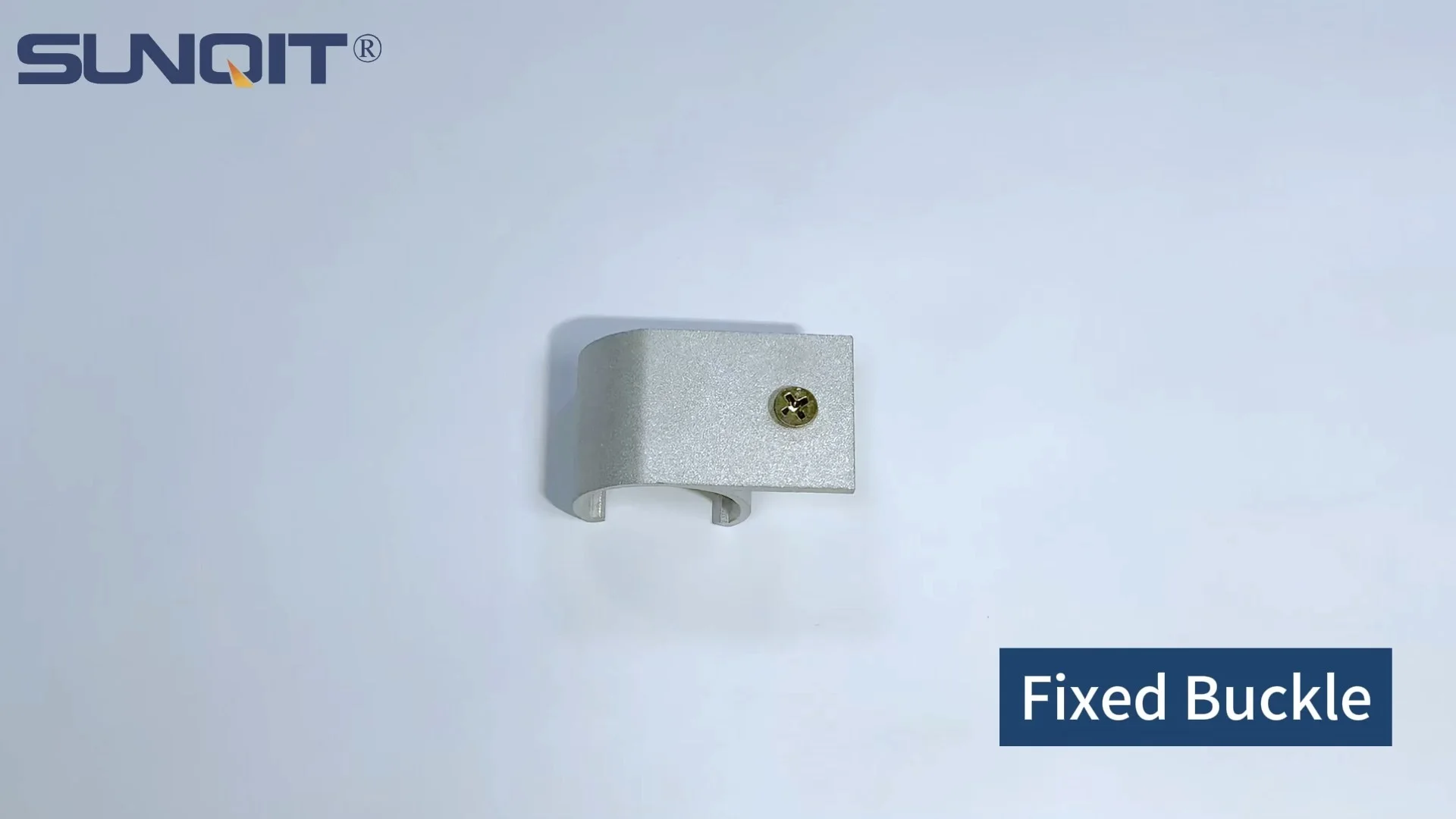
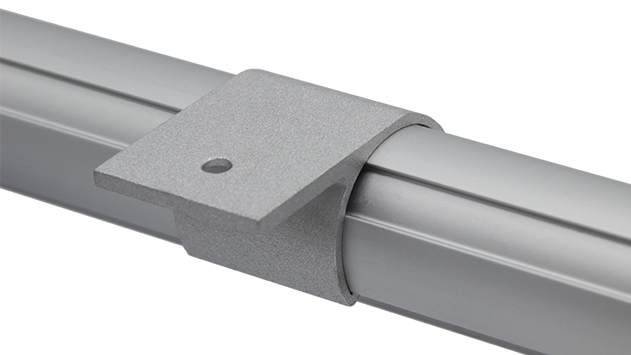
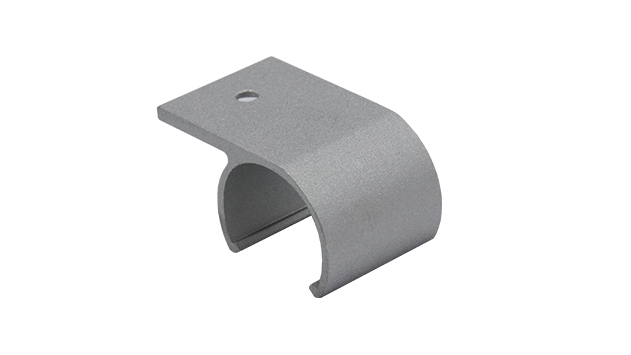
Aluminum pipe side clamp used for 28mm aluminum pipe connect with table top, or other accessories.
In the fast-paced world of manufacturing, every minute counts. A single hour of unplanned downtime can cost a factory thousands of dollars in lost productivity, missed deadlines, and frustrated workers. Plant managers and floor supervisors know this pain all too well: the assembly line stalls because a workbench isn't configured for the new product, a conveyor system jams due to misaligned roller tracks, or a sudden change in production needs requires hours of retooling. What if there was a simple, versatile solution that could slash these delays and keep your operations running smoother than ever? Enter aluminum pipe clamps—the unsung heroes of lean manufacturing systems.
Aluminum pipe clamps might not sound glamorous, but their impact on reducing downtime is transformative. These unassuming components are the backbone of modular workbenches, flexible conveyor systems, and adaptable material racks—all critical elements of a responsive production environment. In this article, we'll dive into how aluminum pipe clamps work, why they're superior to traditional rigid systems, and real-world examples of how they've helped manufacturers cut downtime by 20% or more. Whether you're running a small workshop or a large-scale assembly plant, understanding the power of aluminum pipe clamps could be the key to unlocking higher efficiency and profitability.
The Hidden Cost of Downtime: Why Every Minute Matters
Before we explore how aluminum pipe clamps solve downtime issues, let's first quantify the problem. According to a study by the Manufacturing Technology Insights, the average manufacturing plant experiences 800 hours of downtime annually—nearly 34 full days. That's a staggering amount of lost potential, and the costs add up quickly. For a mid-sized facility with 50 workers earning an average of $25 per hour, unplanned downtime could cost over $1 million per year in labor alone, not including lost sales, overtime expenses, or damage to customer relationships.
Most downtime isn't caused by catastrophic equipment failures. More often, it's the small, repeated delays that eat into productivity: reconfiguring a workbench to fit a new part size, adjusting a conveyor's height to match an upstream machine, or replacing a corroded steel pipe joint that's seized up. These tasks might take 30 minutes here, an hour there, but over weeks and months, they become a significant drain on resources. The root cause? Inflexible, hard-to-modify equipment that can't keep up with the demands of modern manufacturing—where product lines change frequently, customization is king, and agility is non-negotiable.
What Are Aluminum Pipe Clamps, and Why Do They Stand Out?
At their core, aluminum pipe clamps are lightweight, durable connectors designed to join aluminum pipes, profiles, and accessories into stable, modular structures. Unlike traditional steel clamps or welded joints, aluminum pipe clamps are engineered for quick assembly and disassembly. They typically feature a simple screw-on or snap-on design that requires no specialized tools—just a hex key or even a gloved hand. This simplicity is their superpower: it means workers can reconfigure workbenches, conveyor rails, or material racks in minutes, not hours.
But aluminum pipe clamps aren't just easy to use—they're also built to last. Aluminum's natural resistance to corrosion ensures that clamps won't rust or degrade, even in humid or dusty factory environments. This durability reduces the need for frequent replacements, cutting down on maintenance-related downtime. Additionally, aluminum is significantly lighter than steel, making structures easier to move and adjust without heavy lifting equipment. Imagine a team needing to shift a material rack across the shop floor: with aluminum pipe clamps, two workers can disassemble and reassemble it in 20 minutes, whereas a steel rack might require a forklift and an hour of work.
Another key advantage is compatibility. Aluminum pipe clamps work seamlessly with a wide range of aluminum pipe accessories, from roller track guide rails to adjustable casters. This versatility means you can build almost anything: a single-deck workbench without casters for precision assembly, a three-row material rack for parts storage, or a custom conveyor system with swivel roller balls for smooth material flow. The possibilities are endless, and the best part is that you don't need to invest in entirely new equipment every time your needs change—just swap out a few clamps and pipes, and you're ready to go.
Aluminum Pipe Clamps in Lean Systems: Aligning with the Principles of Efficiency
Lean manufacturing is all about eliminating waste—whether it's wasted time, materials, or effort. Aluminum pipe clamps embody this philosophy perfectly. Traditional manufacturing setups often rely on fixed, purpose-built equipment that can only do one job. If a product design changes or production volume shifts, that equipment becomes obsolete, leading to "downtime waste" as teams scramble to replace or modify it. Aluminum pipe clamps, by contrast, enable modularity—the ability to adapt existing structures to new tasks quickly.
Take, for example, a lean system focused on just-in-time (JIT) production. In JIT, materials and components arrive exactly when they're needed, minimizing inventory but requiring production lines to switch between products rapidly. A workbench built with aluminum pipe clamps can be reconfigured in minutes to accommodate different part sizes: add a few extra pipes to extend the surface area, swap out a roller track guide rail for a flat surface, or attach a side shelf for tools—all without disrupting the workflow. This flexibility ensures that workers aren't waiting around for a new workbench to be built or a old one to be modified, keeping the line moving and reducing idle time.
Aluminum pipe clamps also support continuous improvement, another cornerstone of lean manufacturing. With traditional rigid systems, testing a new layout or process often requires significant investment and downtime. With modular aluminum structures, teams can experiment with different configurations—adjusting a conveyor's angle, repositioning a material rack, or rearranging workstations—without committing to permanent changes. If a new setup doesn't work, they can revert back just as quickly. This culture of experimentation leads to better processes over time, further reducing inefficiencies and downtime.
Transforming Workbenches: From Static to Super Adaptive
Workbenches are the heartbeat of any assembly line. They're where parts are sorted, assembled, inspected, and packaged—and if they're not optimized for the task at hand, productivity grinds to a halt. Traditional workbenches are often heavy, fixed, and built for a single purpose. If a new product requires a taller surface, a wider layout, or additional storage, workers are stuck either using a suboptimal setup or waiting for maintenance to build a custom bench. Aluminum pipe clamps change this dynamic entirely.
Consider the "Workbench E (Single Deck—Without Caster)," a popular modular design built with aluminum pipes and clamps. Out of the box, it's a sturdy, flat work surface ideal for small-part assembly. But with a few extra aluminum pipe clamps and accessories, it can be transformed in minutes: add a second deck using aluminum guide rails for vertical storage, attach a roller track to the edge for easy part transfer, or mount a tool holder using parallel aluminum joints. When the next product comes along, simply loosen the clamps, reposition the pipes, and tighten—no welding, no drilling, no waiting.
One electronics manufacturer in Michigan shared how this flexibility reduced their workbench reconfiguration time from 4 hours to just 20 minutes. Previously, switching between smartphone and tablet assembly required swapping out entire workbenches, a process that involved disconnecting power tools, moving heavy steel tables, and recalibrating equipment. With aluminum pipe clamp workbenches, workers now adjust the height and layout themselves using a hex key, keeping the line running while the transition happens. Over six months, this change alone saved the company 120 hours of downtime—equivalent to $60,000 in recovered productivity.

Conveyor Systems: Smoother Flow, Fewer Jams
Conveyor systems are another critical area where downtime thrives—especially when products get stuck, tracks misalign, or layouts need to change. Traditional steel roller tracks are prone to rust, require precise alignment, and are difficult to modify. Aluminum pipe clamps, paired with aluminum roller tracks and accessories, solve these issues with elegance and simplicity.
Aluminum roller tracks, secured with pipe clamps, are lightweight yet strong enough to handle heavy loads. Their smooth surfaces and corrosion-resistant properties mean fewer jams caused by rust or debris buildup. But the real advantage is adjustability. Need to change the conveyor's angle to accommodate a new machine? Loosen the clamps, tilt the track, and retighten. Want to add a branch to divert products to a quality control station? Attach a new section using roller track placon mount connectors—no cutting or welding required. Even something as simple as replacing a worn plastic roller track guide rail (yellow or grey) takes minutes with aluminum clamps, compared to hours with traditional bolted steel systems.
A food packaging plant in California recently upgraded their conveyor system to aluminum pipe clamps and roller tracks. Previously, their steel conveyors would jam weekly due to product buildup in rusted corners, requiring 30-minute shutdowns to clear. After switching to aluminum, jams decreased by 80%, and when they needed to reconfigure the line for a new packaging size, the team adjusted the track width in 15 minutes instead of 3 hours. "It used to feel like we were always fighting the conveyor," said the plant supervisor. "Now, it adapts to us, not the other way around."
Material Racks and Trolleys: Moving Goods Without the Wait
Efficient material handling is essential for keeping production flowing. When parts can't be delivered to the assembly line quickly, workers stand idle, and deadlines slip. Traditional material racks and turnover trolleys are often bulky, one-size-fits-all solutions. If a rack is too tall for a new pallet, or a trolley can't navigate a tight corner, materials pile up, and downtime follows. Aluminum pipe clamps, combined with aluminum pipes and casters, create material handling systems that are both robust and nimble.
The "Material Rack B (3 Row and 3 Floor)" is a prime example. Built with aluminum pipes, clamps, and internal rotary aluminum joints, this rack can hold hundreds of pounds of parts while remaining lightweight enough to move with a push (when equipped with swivel casters). But its real strength is adjustability: each shelf height can be modified using aluminum pipe clamps to fit taller boxes or bulkier components. When the plant reorganized its layout to accommodate a new machine, the team disassembled the rack, moved it to the new location, and reassembled it in under an hour—something that would have taken a full day with a welded steel rack.
Even small accessories like swivel roller balls (1 inch or 0.5 inch) make a big difference. Mounted on aluminum profiles using pipe clamps, these balls create a "floating" surface where boxes and bins glide effortlessly, reducing the physical strain on workers and minimizing the risk of dropped parts. One automotive parts supplier reported a 35% reduction in material handling time after installing aluminum roller ball tables, thanks to the ease of moving heavy components—all made possible by the quick installation of aluminum pipe clamps.
Case Study: How ABC Manufacturing Cut Downtime by 25% with Aluminum Pipe Clamps
ABC Manufacturing, a mid-sized producer of medical devices in Ohio, was struggling with frequent downtime due to rigid equipment. Their production lines handled over 50 different product variations, each requiring unique workbench setups and conveyor configurations. Before switching to aluminum pipe clamps, reconfiguring a line for a new product took 3–4 hours, leading to weekly downtime of 12+ hours.
In 2023, ABC invested in aluminum pipe clamps, aluminum profiles, and modular accessories. They replaced their steel workbenches with adjustable aluminum models, upgraded conveyors to aluminum roller tracks with clamps, and converted material racks to modular designs. The results were immediate: reconfiguration time dropped to 30 minutes per line, and jams due to misaligned conveyors decreased by 70%. Over six months, total downtime fell from 12 hours/week to 9 hours/week—a 25% reduction. The plant manager noted, "We used to schedule reconfigurations during night shifts to avoid disrupting production. Now, we can switch between products during the day, and workers barely notice the transition."
Long-Term Durability: Less Maintenance, More Uptime
Downtime isn't just about reconfiguration delays—it's also about unexpected breakdowns. Steel pipe systems, while strong, are prone to rust and corrosion, especially in humid or chemical-exposed environments. A seized joint or a rusted roller can bring a conveyor to a halt, requiring hours of repair. Aluminum pipe clamps, on the other hand, are built to last with minimal maintenance.
Aluminum's natural oxide layer acts as a barrier against corrosion, making it ideal for factories with high humidity or frequent cleaning. Unlike steel, aluminum doesn't require painting or coating to stay protected, reducing long-term maintenance costs. Even in harsh environments, like automotive plants where oil and coolants are present, aluminum pipe clamps hold up better than their steel counterparts. One aerospace manufacturer in Texas reported that their aluminum pipe clamp systems required 60% less maintenance than steel systems over a three-year period, with no rust-related breakdowns.
Cleaning is another area where aluminum shines. Aluminum pipe clamps and profiles can be wiped down with a damp cloth or pressure-washed without fear of damage, making them ideal for industries with strict hygiene standards, like food processing or pharmaceuticals. Traditional steel systems often trap dirt and grime in welded joints, leading to bacterial growth and frequent cleaning-related downtime. Aluminum's smooth, modular design eliminates these hidden crevices, keeping lines running cleaner and longer.
Choosing the Right Aluminum Pipe Clamps and Accessories
Not all aluminum pipe clamps are created equal, and choosing the right ones for your needs is key to maximizing their downtime-reducing benefits. Here are the key factors to consider:
- Load Capacity: Ensure the clamps are rated for the weight they'll support. For heavy-duty workbenches or material racks, opt for reinforced clamps like the "Heavy Duty Split Foot Seat" or "Internal Rotary Aluminum Joint."
- Compatibility: Check that clamps work with your existing aluminum pipes (e.g., basic aluminum tubes, T-slot aluminum pipes) and accessories (roller tracks, guide rails). Most manufacturers offer universal clamps, but double-checking dimensions saves headaches later.
- Ease of Use: Look for clamps with tool-free or quick-release designs, like the "Parallel Rotatory Aluminum Joint," which allows 360-degree rotation without loosening the clamp entirely.
- Environmental Resistance: For corrosive environments, choose stainless steel or anodized aluminum clamps. For cleanrooms, opt for smooth, crevice-free designs like "Swivel Roller Balls" with plastic coatings.
Don't forget about accessories! Items like "Caster and Accessories" (e.g., 360° swivel expanding stem casters with brakes) add mobility to stationary racks, while "Aluminum Profile Rubber Strips" protect delicate parts from scratches. Investing in a variety of accessories ensures your system can adapt to any task without downtime.
Traditional vs. Aluminum Pipe Clamp Systems: A Side-by-Side Comparison
| Aspect | Traditional Steel/Welded Systems | Aluminum Pipe Clamp Systems |
|---|---|---|
| Reconfiguration Time | 4–8 hours (requires welding/drilling) | 15–30 minutes (tool-free adjustments) |
| Maintenance Frequency | High (rust, corrosion, seized joints) | Low (aluminum resists corrosion; modular design simplifies repairs) |
| Weight | Heavy (requires forklifts for movement) | Lightweight (movable by 2–3 workers) |
| Customization | Limited (built for single purpose) | Unlimited (mix and match pipes, clamps, and accessories) |
| Downtime Risk | High (jams, reconfigurations, repairs) | Low (quick adjustments, durable materials) |
Maintenance Tips: Keeping Your Aluminum Pipe Clamp System Running Smoothly
While aluminum pipe clamp systems are low-maintenance, a little care goes a long way in preventing downtime. Here are simple tips to keep your system in top shape:
- Inspect Clamps Regularly: Check for loose screws or worn threads monthly. Tighten with a hex key if needed—this prevents sudden failures during use.
- Lubricate Moving Parts: Apply a light silicone lubricant to swivel joints and caster wheels every quarter to keep them moving smoothly.
- Clean After Use: Wipe down aluminum profiles and clamps with a damp cloth to remove dust and debris, especially in food or medical settings.
- replace Worn Accessories: Swivel roller balls and plastic guide rails wear over time—keep spares on hand to swap out in minutes, not days.
Conclusion: Aluminum Pipe Clamps—Your Partner in Downtime Reduction
In a manufacturing world where agility and efficiency are everything, aluminum pipe clamps offer a simple, cost-effective solution to the downtime problem. They transform rigid, static equipment into modular, adaptable systems that can keep up with changing products, shifting layouts, and evolving demands. From workbenches that reconfigure in minutes to conveyor systems that rarely jam, the benefits are clear: less waiting, more doing, and a bottom line that reflects the difference.
The next time your production line stalls, ask yourself: Is this downtime avoidable? With aluminum pipe clamps, the answer is often yes. They're not just tools—they're an investment in a more responsive, resilient manufacturing future. So why wait? Start small: replace one rigid workbench with a modular aluminum pipe clamp design, or upgrade a single conveyor section with aluminum roller tracks. The downtime you save might just be the best decision your plant makes all year.
Remember, in manufacturing, time is money—and aluminum pipe clamps help you keep both.