- Company Articles
- Products and Technology
- Product knowledge
- How Aluminum Pipe with Board Holder Boosts Efficiency

How Aluminum Pipe with Board Holder Boosts Efficiency
Related Product
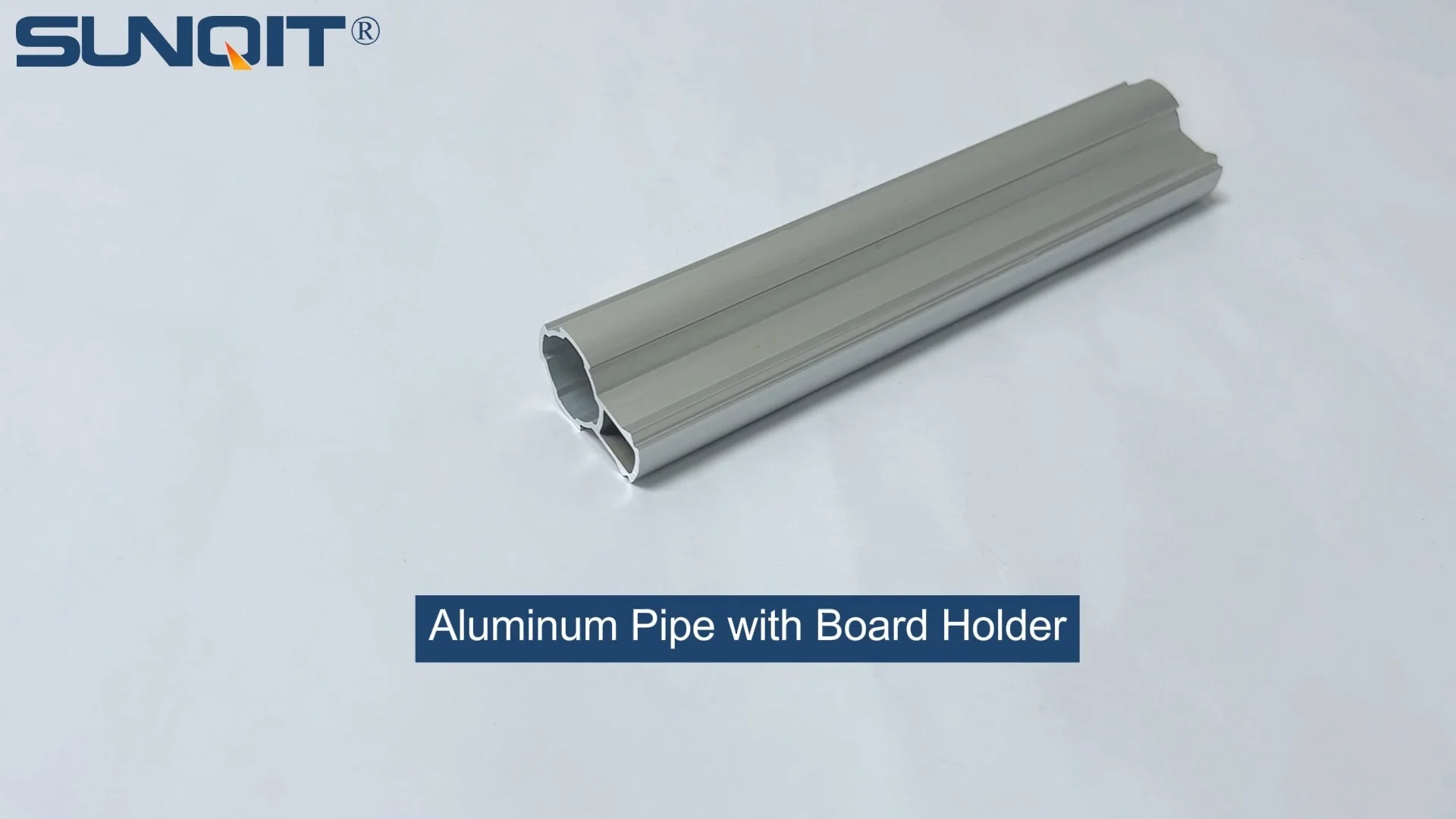
Aluminum Pipe with Board Holder
The linear rolling assembly can be arbitrarily connected in the protruding part of the card slot to increase the rigidity of the track.
In today's fast-paced manufacturing and warehouse environments, every second counts. A cluttered workstation, a misplaced tool, or an inflexible setup can turn small inefficiencies into big delays—costing teams time, productivity, and even morale. For years, businesses have searched for solutions that don't just organize space but adapt to changing needs, all while keeping operations running smoothly. Enter the unsung hero of modern workflow optimization: the aluminum pipe with board holder. This simple yet innovative tool is quietly transforming workbenches, assembly lines, and material handling processes across industries, proving that sometimes the most effective upgrades are the ones that blend functionality with flexibility.
The Problem with Traditional Workspaces
Walk into any busy workshop or production floor, and you'll likely spot the same challenges: workbenches overflowing with tools, materials stacked haphazardly, and employees stretching or bending to reach what they need. Traditional setups—often built with fixed wood, heavy steel, or rigid plastic—lock teams into one configuration. If a project changes, or a new tool needs a home, rearranging the space means dismantling and rebuilding, which eats into valuable work hours. Worse, disorganization leads to wasted motion: studies show workers spend up to 20% of their day searching for tools or materials, a statistic that adds up to thousands of lost hours annually for even small teams.
Then there's the issue of durability. Wood warps over time, steel rusts in humid environments, and plastic cracks under heavy loads. These materials aren't just inflexible—they're high-maintenance, requiring frequent repairs or replacements that further disrupt workflows. For businesses aiming to adopt lean system principles—eliminating waste, streamlining processes, and continuous improvement—these static, short-lived setups are a major roadblock.
What is Aluminum Pipe with Board Holder?
At its core, an aluminum pipe with board holder is a modular system designed to organize and elevate workspace efficiency. It combines lightweight yet sturdy aluminum pipes (often made from high-grade aluminum profile) with a board holder—a flat, durable surface (wood, plastic, or metal) that attaches to the pipes via simple, secure connectors. The magic lies in its simplicity: the pipes act as a framework, the board holder provides a stable surface for tools or materials, and aluminum pipe accessories like joints, clamps, and casters let users customize the setup to their exact needs.
Unlike fixed workbenches, this system is built to adapt. Need to add a shelf? Snap on a joint. Want to move the workstation? Attach casters. Reconfigure for a new project? Disassemble and rebuild in minutes—no welding, no heavy lifting, no specialized tools required. It's a solution that grows with your business, not against it.

Key Features That Drive Efficiency
So, what makes this system so effective? Let's break down the features that turn a simple "pipe and board" into a productivity powerhouse:
- Modularity: Aluminum pipe systems use universal joints and connectors, meaning you can mix, match, and rearrange components on the fly. Add a board holder at waist height for tools, a second shelf below for materials, or extend the pipes to create a flow rack—all without starting from scratch.
- Lightweight Strength: Aluminum profile is 30% lighter than steel but just as strong, making the system easy to move (with casters) yet tough enough to support heavy tools, parts, or equipment. This reduces the physical strain on workers and makes reconfiguration a one-person job.
- Clutter-Free Organization: The board holder itself is a game-changer. By elevating tools, documents, or small parts onto a dedicated surface, it frees up table space on the workbench below. No more digging through piles—everything stays visible and within arm's reach, cutting down on "search time" dramatically.
- Durability: Aluminum resists rust, corrosion, and warping, even in damp or high-heat environments. Unlike wood, it won't splinter; unlike plastic, it won't crack under pressure. This longevity means fewer replacements, lower maintenance costs, and consistent performance over years of use.
- Ergonomics: Adjustable heights and angles let teams tailor the setup to individual needs. A board holder mounted at eye level keeps instructions visible, reducing neck strain, while a lower shelf can hold heavy tools at waist height, preventing back injuries. Happier, healthier employees are more productive—and less likely to take time off due to strain.

Real-World Applications: Efficiency in Action
To see how this system transforms workflows, let's look at a few real-world examples. The table below highlights how businesses across industries have used aluminum pipe with board holder to boost productivity:
| Industry | Workflow Challenge | Setup with Aluminum Pipe & Board Holder | Efficiency Gain |
|---|---|---|---|
| Electronics Assembly | Small components (screws, wires) scattered; tools misplaced. | Workbench with aluminum pipe frame, board holder divided into labeled bins for components, tool hooks mounted above. | 30% reduction in time spent searching for parts; 15% faster assembly per unit. |
| Warehouse Picking | Order lists hidden under boxes; pickers bending to reach lower shelves. | Mobile cart with vertical aluminum pipes, board holder at chest height for order sheets, adjustable shelves for bins. | 25% fewer errors in picking; 20% reduction in strain complaints. |
| Auto Repair Shop | Heavy tools (wrenches, drills) cluttering workbench; oil stains damaging surfaces. | Sturdy aluminum frame workbench, board holder with metal surface (resistant to oil), hooks for hanging tools, lower shelf for equipment. | Tool retrieval time cut by 40%; workbench surface lasts 3x longer than wood alternatives. |
Why It Stands Out: Comparing Materials
You might wonder: Why aluminum? Why not stick with steel, wood, or plastic? The answer lies in balance. Steel is strong but heavy, making it hard to reconfigure. Wood is cheap but prone to damage. Plastic is lightweight but weak under load. Aluminum profile hits the sweet spot: it's light enough to move, strong enough to support heavy tools, and resistant to the wear and tear of daily use.
Another advantage is cost. While aluminum might have a slightly higher upfront price than wood or plastic, its durability and reusability make it cheaper in the long run. A well-maintained aluminum system can last 10+ years, while wood or plastic setups often need replacement every 2–3 years. Plus, since it's modular, you won't have to buy a whole new workstation when needs change—just add or swap components.
Fitting into Your Lean System
For businesses committed to lean system principles, the aluminum pipe with board holder is a natural fit. Lean focuses on eliminating seven types of waste: overproduction, waiting, transport, motion, inventory, overprocessing, and defects. This system attacks "motion waste" by keeping tools and materials within easy reach, "inventory waste" by organizing parts to prevent overstocking, and "waiting waste" by reducing setup time for new projects.
Take, for example, a small manufacturing team that switches between three product lines monthly. With a fixed steel workbench, they'd spend 4–6 hours dismantling and rebuilding the workspace each time. With an aluminum system? They reconfigure in under an hour using just a few hand tools. That's 5+ hours saved per month—time better spent on production, not setup.
Getting Started: Tips for Implementation
Ready to bring aluminum pipe with board holder to your workspace? Start small. Identify a high-traffic area—like a frequently used workbench or packing station—and map out the current workflow. Ask employees: What do you reach for most? What's hardest to access? Use their feedback to design a custom setup. Start with the basics: a simple frame, a board holder, and a few accessories (hooks, shelves). Test it for a week, then adjust based on what works.
Don't forget to involve your team in the process. When employees help design their workspaces, they're more likely to take ownership and maintain the system. Plus, they'll spot opportunities for improvement you might miss—like adding a second board holder for documents or angling the surface to reduce glare.
Conclusion: Efficiency That Grows with You
In a world where businesses are always chasing the next big innovation, it's easy to overlook the power of small, smart tools. The aluminum pipe with board holder isn't flashy, but it's effective. It turns chaotic workspaces into organized, adaptable hubs. It reduces wasted time, cuts down on injuries, and aligns perfectly with lean system goals. Most importantly, it grows with your team—changing as your projects change, and lasting long enough to see your business thrive.
So, if you're tired of watching your team struggle with cluttered, inflexible workbenches, consider this: the solution might be simpler than you think. A few aluminum pipes, a sturdy board holder, and a little creativity could be all it takes to unlock a new level of efficiency—one that saves time, boosts morale, and keeps your business moving forward.