- Company Articles
- Products and Technology
- Solution
- How Aluminum Pipe with Tray Holder Improves Warehouse Space Utilization

How Aluminum Pipe with Tray Holder Improves Warehouse Space Utilization
Related Product
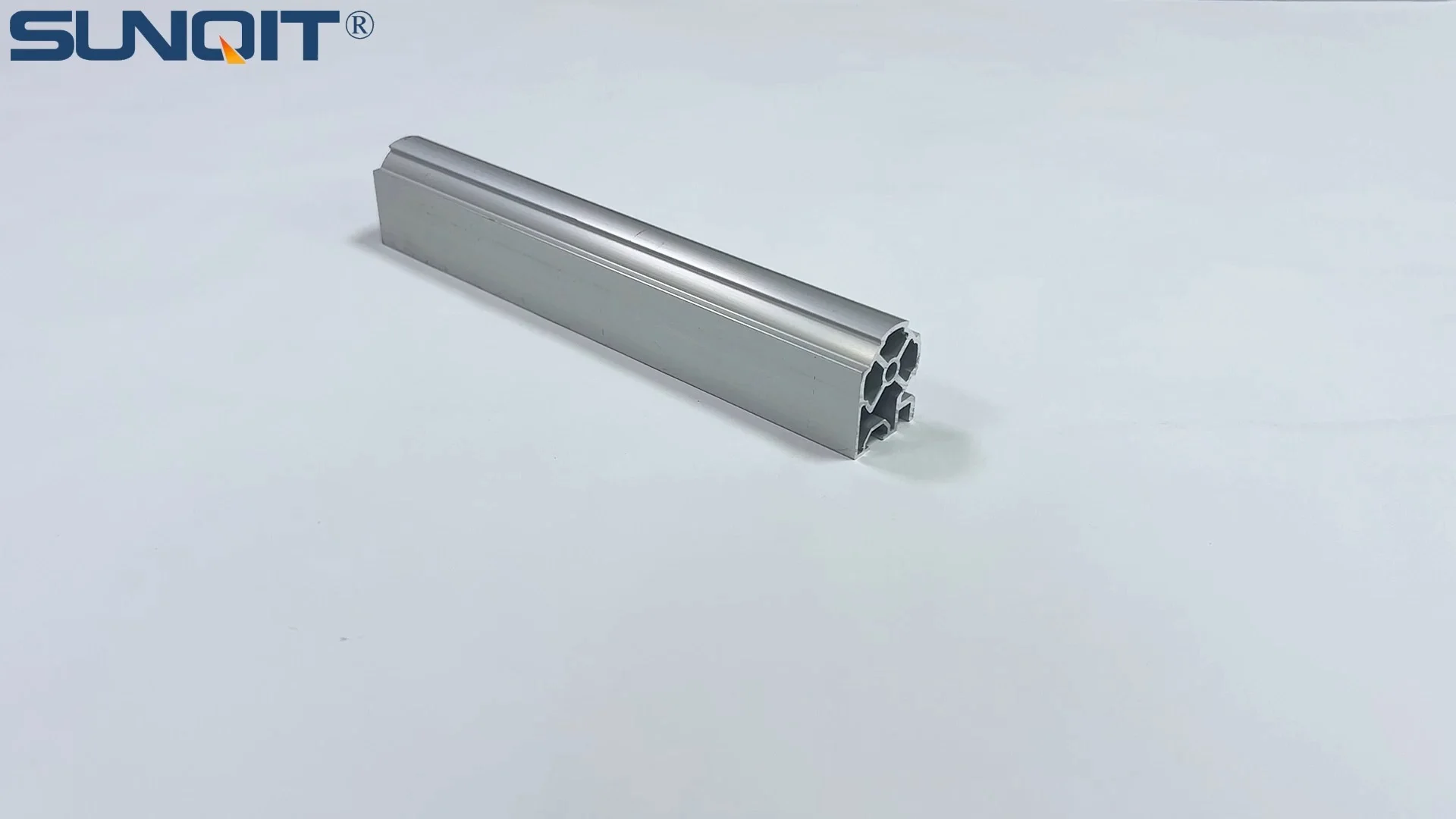
Aluminum Pipe with Tray Holder
Aluminum pipe with tray holder,the pipe one side connected by a joint, the other side with a slot which can hold a tray or a aluminum pannel.
In the world of warehousing and manufacturing, space isn't just a commodity—it's the backbone of efficiency, productivity, and profitability. Every square foot counts, and wasted space often translates to wasted time, higher operational costs, and missed opportunities for growth. For years, warehouses have grappled with rigid storage systems that fail to adapt to changing needs, leaving vertical space underused, aisles cluttered, and workflows disjointed. But what if there was a solution that could transform how you use space, making it flexible, efficient, and tailored to your operations? Enter the aluminum pipe with tray holder: a modular, adaptable system that's redefining warehouse organization. In this article, we'll explore how this innovative tool—paired with complementary components like aluminum lean pipe and aluminum profile accessories—can unlock hidden space, streamline workflows, and turn your warehouse into a model of efficiency.
The Hidden Cost of Wasted Warehouse Space
Before diving into solutions, let's first understand the problem: why is wasted space such a critical issue for warehouses? Imagine a facility where shelves are too deep, leaving items buried behind others; where vertical space above eye level goes unused because traditional racks can't reach higher; where reconfiguring storage for seasonal peaks means dismantling and rebuilding entire systems. These scenarios aren't just frustrating—they're costly.
According to industry reports, the average warehouse uses only 60-70% of its available space effectively. The remaining 30-40% is lost to inefficient layouts, oversized storage units, or rigid systems that can't adapt to smaller or irregularly shaped items. This inefficiency ripples through operations: pickers spend more time navigating cluttered aisles, inventory gets misplaced, and expanding storage often requires leasing additional space or investing in expensive new infrastructure—both of which eat into profit margins.
Traditional storage solutions, like fixed steel racks or wooden shelves, are part of the problem. They're designed for a "one-size-fits-all" approach, with limited adjustability. If your inventory mix changes—say, you start storing more small parts instead of bulk items—you're stuck with racks that are too deep or too tall. Even worse, these systems are often permanent; moving or modifying them requires heavy tools, specialized labor, and downtime, making them impractical for businesses that need to pivot quickly.
The good news? Modern warehouses don't have to settle for rigidity. Aluminum pipe with tray holder systems offer a new paradigm: storage that adapts to your needs, not the other way around. By combining lightweight yet durable aluminum pipes with customizable tray holders and versatile accessories, these systems turn underused space into valuable storage, all while keeping workflows smooth and scalable.
What Is Aluminum Pipe with Tray Holder? A Closer Look at the System
At its core, an aluminum pipe with tray holder system is exactly what it sounds like: a modular setup consisting of lightweight aluminum pipes, adjustable tray holders, and a range of aluminum profile accessories that let you build, modify, and repurpose storage structures with ease. But what makes it different from traditional racks? Let's break down its key components and how they work together:
Aluminum Pipes: The backbone of the system, these pipes are typically made from high-grade aluminum—lightweight (about 1/3 the weight of steel), corrosion-resistant, and surprisingly strong. Unlike steel, they won't rust, making them ideal for humid or temperature-fluctuating environments. Available in various lengths and diameters (like basic aluminum tube or aluminum lean pipe), they're easy to cut, connect, and reconfigure without specialized tools.
Tray Holders: These are the workhorses of the system. Designed to attach securely to aluminum pipes, tray holders support flat or sloped trays (often made of aluminum or durable plastic) that hold inventory. What sets them apart is their adjustability: you can slide them up or down the pipes to change shelf heights, angle them for gravity-fed picking (perfect for fast-moving items), or even remove them entirely to create open space. Trays come in custom sizes, so you can store everything from small components to larger boxes without wasted space between items.
Aluminum Profile Accessories: The "glue" that holds the system together, these include joints, connectors, brackets, and casters. Think of them as building blocks: a 90° aluminum pipe joint lets you create right angles for corner units; a parallel aluminum joint helps build double-deep shelves; and casters turn a static rack into a mobile trolley. These accessories are designed for quick assembly—no welding or drilling required. Most snap or bolt into place, so you can build a basic material rack in minutes and reconfigure it just as fast.
Together, these components create a system that's as versatile as it is efficient. Whether you need a compact material rack for small parts, a multi-tiered storage unit for bulk items, or even a hybrid workbench that combines storage and assembly space, aluminum pipe with tray holder systems can do it all. And because they're modular, you're never locked into a single design—today's shelf can become tomorrow's trolley, and next month's workbench.

Space Efficiency: Turning "Wasted" Vertical Space into Valuable Storage
One of the biggest advantages of aluminum pipe with tray holder systems is their ability to maximize vertical space—a resource that's often overlooked in warehouses. Traditional storage racks might reach 8-10 feet high, but they're limited by fixed shelf heights and heavy materials that make installation and adjustment difficult. Aluminum systems, by contrast, are lightweight enough to safely extend to 12-15 feet (or higher with proper bracing), turning empty air above head level into usable storage.
Let's do the math: if your warehouse has a 15-foot ceiling and you're currently using racks that top out at 10 feet, you're leaving 5 feet of vertical space unused—per rack. Multiply that by 10 racks, and you're missing out on 50 feet of vertical storage potential. Aluminum pipe systems unlock this space by letting you add extra tray levels near the ceiling, perfect for seasonal inventory, slow-moving items, or backup stock. And because the trays are adjustable, you can set the spacing between levels to match your items: 6 inches apart for small parts, 2 feet apart for boxes, or anything in between. No more wasted gaps between shelves!
But vertical space isn't the only area where these systems shine. They also optimize horizontal space by eliminating "dead zones"—the empty areas between fixed racks or along walls. For example, a traditional steel rack might be 3 feet deep, but if your items are only 2 feet deep, that extra foot is wasted. Aluminum tray holders let you customize depth: attach shorter trays to create a 2-foot-deep shelf, or extend them to 4 feet for bulkier items. You can even build corner units or L-shaped racks to fit into awkward spaces, like the area between two walls or next to a loading dock.
Another space-saving feature is mobility. By adding casters to the base of an aluminum pipe structure, you can turn a static storage unit into a movable cart. Need to free up floor space for a large incoming shipment? Simply roll the cart to a temporary location. Finished? Roll it back. This flexibility eliminates the need for permanent storage "silos" and lets you use the same space for multiple purposes throughout the day—morning for receiving, afternoon for picking, evening for staging orders.

Flexibility: Adapting to Change Without Breaking the Bank
In today's fast-paced market, warehouses can't afford to be stuck with storage systems that can't keep up. Product lines change, order volumes fluctuate, and new technologies (like automation or IoT tracking) require updated workflows. Aluminum pipe with tray holder systems thrive in this dynamic environment because they're built for change. Let's explore how this flexibility translates to real-world benefits:
Easy Reconfiguration: Suppose you run a electronics warehouse, and your best-selling product shifts from small circuit boards to larger smart home devices. With a traditional steel rack, you'd need to buy new shelves or hire a crew to cut and weld existing ones. With aluminum pipe, you can simply loosen the joints, adjust the tray heights, and swap out smaller trays for larger ones—all in an hour or two, with no downtime. Even better, you can repurpose the old trays and pipes to build a new material rack for the circuit boards, so nothing goes to waste.
Scalability: As your business grows, so can your storage. Aluminum systems are modular, meaning you can start small (e.g., a single 3-tier material rack) and add components over time. Need more space? Add extra pipes to extend the length, stack another level of trays, or connect two racks with a bridge to create a larger unit. This "grow-as-you-go" approach avoids over-investing in storage you don't need today while ensuring you're prepared for tomorrow's demands.
Multi-Purpose Design: Why buy a separate storage rack, workbench, and trolley when one system can do it all? Aluminum pipe with tray holder systems blur the line between storage and workflow tools. For example, you could build a workbench with integrated tray holders: the top surface serves as an assembly area, while the trays below hold tools and components, reducing the need to walk to a separate storage area. Add casters, and it becomes a mobile workstation that can roll directly to the production line. This integration cuts down on wasted movement and turns storage into a productivity asset.
To put this flexibility into perspective, consider a case study from a mid-sized automotive parts warehouse. Before switching to aluminum pipe systems, they used fixed steel racks that took up 40% of their floor space but only stored 25% of their inventory (the rest was stacked on the floor or in overcrowded bins). After installing aluminum pipe with tray holders and aluminum lean pipe workbenches, they reconfigured their layout to use vertical space, added mobile carts for picking, and integrated storage directly into assembly stations. The result? They reduced floor space usage by 25% while increasing inventory capacity by 30%. Picking times dropped by 15%, and they avoided the cost of leasing additional warehouse space—all by repurposing their existing square footage.
| Storage Solution | Space Efficiency | Flexibility | Durability | Long-Term Cost |
|---|---|---|---|---|
| Traditional Steel Racks | Low: Fixed heights/widths; underuses vertical space | Very Low: Difficult to reconfigure; requires tools/labor | High: Heavy, but prone to rust in humid environments | High: Costly to modify; often need replacement when needs change |
| Wooden Shelves | Medium-Low: Limited weight capacity; minimal vertical adjustability | Low: Not reusable; damage easily when moved | Low: Susceptible to moisture, warping, and wear | Very High: Short lifespan; frequent replacement needed |
| Aluminum Pipe with Tray Holder | Very High: Customizable heights/trays; maximizes vertical space | Very High: Easy to reconfigure; modular components for multi-purpose use | High: Lightweight but strong; corrosion-resistant; long lifespan | Low: Initial investment offset by reusability and adaptability |
Real-World Impact: A Distribution Center's 30% Space Gain
A regional food distribution center was struggling with space constraints. Their inventory included everything from small spice jars to large cereal boxes, and their fixed wire shelving left huge gaps between items. Aisles were cluttered with pallets, and picking took hours because workers had to navigate around obstacles. After consulting with an aluminum pipe supplier, they installed a system with adjustable tray holders, aluminum lean pipe, and mobile carts. Here's what changed:
• Vertical Optimization: They added 2 extra levels of trays to each rack, using space that was previously empty above the wire shelves. This alone increased storage capacity by 20%.
• Custom Tray Sizes: Smaller trays for spices and larger trays for cereal boxes eliminated wasted space between items, reducing the number of racks needed by 15%.
• Mobile Picking Carts: By replacing static shelving with mobile aluminum trolleys, they freed up aisle space, making it easier for forklifts and workers to move around.
The result? A 30% increase in usable space, a 25% reduction in picking time, and no need to expand their facility. As the warehouse manager put it: "We didn't need more space—we needed smarter space."
Durability and Cost-Effectiveness: Investing in Long-Term Value
At first glance, aluminum pipe systems might seem pricier than basic steel or wooden shelves. But looks can be deceiving. When you factor in durability, reusability, and long-term savings, they're often the most cost-effective choice for warehouses. Let's break down why:
Durability That Lasts: Aluminum is naturally resistant to corrosion, rust, and wear—critical for warehouses where moisture, chemicals, or heavy use can damage other materials. Unlike steel, it won't rust in humid environments (a common issue in food or pharmaceutical storage), and unlike wood, it won't warp, rot, or attract pests. Aluminum lean pipe is also surprisingly strong: while lightweight, it can support heavy loads (up to 200 lbs per linear foot, depending on the pipe diameter and joint spacing). This means you can store bulky items without worrying about bending or breaking, even over years of use.
Reusability = Lower Replacement Costs: Traditional storage systems are often "use once, then discard." If you move to a new facility or change your layout, steel racks might get cut up for scrap, and wooden shelves end up in the dumpster. Aluminum pipe systems, by contrast, are designed to be reused. The pipes, joints, and trays can be disassembled, transported, and reassembled into a new configuration at your new location. Even if you don't move, you can repurpose components to build new structures as your needs change. Over time, this reusability eliminates the need to buy new storage equipment every few years, slashing long-term costs.
Low Maintenance: Aluminum requires almost no upkeep. Unlike steel, it doesn't need painting or coating to prevent rust. A quick wipe with a damp cloth is usually enough to keep it clean. Even the aluminum profile accessories—like joints and connectors—are designed to withstand repeated assembly and disassembly without wearing out. This low maintenance frees up staff time and reduces the cost of repairs or replacements.
Energy Efficiency: While not directly related to space, aluminum's lightweight nature can lower energy costs. Mobile aluminum trolleys and racks are easier to move than steel ones, reducing the physical strain on workers and the need for electric pallet jacks in small spaces. Additionally, because aluminum systems optimize space, warehouses can run HVAC systems more efficiently (less square footage to heat/cool), further cutting operational expenses.
When you add it all up, the initial investment in aluminum pipe with tray holder systems pays for itself. A typical ROI timeline is 1-2 years, thanks to reduced storage costs, lower labor expenses, and avoided facility expansion. For businesses that value agility and long-term sustainability, it's not just a storage solution—it's a strategic investment.
Choosing the Right System: Key Considerations for Your Warehouse
Ready to explore aluminum pipe with tray holder systems for your warehouse? Here are a few tips to ensure you choose the right setup:
Assess Your Needs First: Start by mapping your inventory: What's the size and weight of your items? How often do they turn over? Do you need static storage, mobile carts, or integrated workbenches? This will help you determine pipe diameter (e.g., basic aluminum tube for light items, aluminum lean pipe for heavier loads), tray sizes, and accessory needs (casters for mobility, sloped trays for fast-moving goods).
Work with a Reputable Supplier: Not all aluminum pipe systems are created equal. Look for a supplier that offers a wide range of components (pipes, trays, aluminum profile accessories) and can provide custom solutions if needed. Ask for case studies or references from similar warehouses—this will give you confidence in their product quality and support.
Plan for Future Growth: Even if you only need a small system today, choose components that can scale. Opt for standard pipe sizes and compatible joints so you can add more sections later. Consider investing in extra pipes and trays now—they'll be cheaper than buying them separately later, and you'll be ready to expand when needed.
Train Your Team: One of the biggest advantages of aluminum systems is their ease of use, but your team still needs to know how to assemble, adjust, and maintain them. A quick training session (often provided by the supplier) will ensure everyone feels comfortable reconfiguring the system as needed, maximizing its flexibility.
Conclusion: Space as a Strategic Advantage
In the end, warehouse space isn't just about storing things—it's about creating a foundation for efficiency, adaptability, and growth. Aluminum pipe with tray holder systems transform underused space into a competitive advantage, letting you do more with less. By combining lightweight, durable aluminum pipes with adjustable trays and versatile accessories, these systems adapt to your changing needs, maximize vertical and horizontal space, and turn storage into a tool for productivity.
Whether you're a small distribution center looking to avoid expansion costs or a large manufacturer aiming to streamline workflows, the message is clear: space efficiency isn't about cramming more items into less room. It's about designing storage that works with your operations, not against them. Aluminum pipe with tray holder systems do just that—they're not just racks and shelves; they're a smarter way to think about space.
So, take a walk through your warehouse today. Look up at the unused vertical space, notice the cluttered aisles, and imagine a layout where every square foot serves a purpose. With aluminum pipe and tray holder systems, that vision isn't just possible—it's within reach. The question isn't whether you can afford to invest in better storage; it's whether you can afford not to.