- Company Articles
- Products and Technology
- Product knowledge
- How Aluminum Profile Rubber Strips Contribute to Energy Efficiency in Factories

How Aluminum Profile Rubber Strips Contribute to Energy Efficiency in Factories
Related Product
Aluminum Profile Rubber Strip
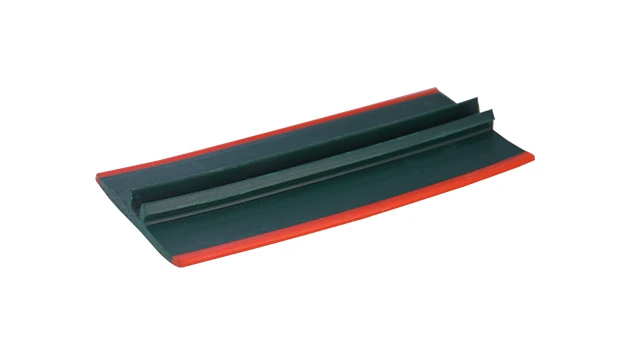
The tread strip fits into a T-slot channel and provides an anti-slip ribbed surface. It has a key pad that presses into a T-slot and is commonly used for adding traction on steps or as padding for doors. Tread strip can be ordered by rolls. The high quali
Walk through any modern factory, and you'll likely notice a symphony of moving parts: conveyor belts ferrying components, workbenches humming with assembly activity, and racks stacked with materials waiting to be transformed into products. What you might not see, however, are the small, unassuming components that keep this orchestration running efficiently—components like the rubber strips lining the edges of aluminum profiles. These strips, often overlooked, play a critical role in slashing energy costs, reducing waste, and aligning with lean system principles that drive today's most successful manufacturing operations. In this article, we'll dive into how these tiny but mighty accessories, paired with aluminum extrusion profiles and other aluminum profile accessories , are quietly revolutionizing factory energy efficiency.
The Hidden Cost of Energy: Why Factories Can't Afford to Overlook Small Components
Energy bills are a top-line expense for factories, second only to labor in many cases. From powering heavy machinery to maintaining climate-controlled environments for sensitive production lines, the cost of keeping the lights on (and the assembly lines moving) adds up fast. According to the U.S. Department of Energy, manufacturing facilities account for nearly 30% of total energy consumption in the country—and much of that energy is wasted. Leaky workbenches, poorly sealed conveyor systems, and inefficient material racks allow conditioned air to escape, forcing HVAC systems to work overtime. Over time, these small inefficiencies compound into thousands of dollars in unnecessary spending.
Enter aluminum profile systems. Lightweight, durable, and infinitely customizable, aluminum extrusion profiles have become the backbone of factory design. Used in everything from workbenches and flow racks to conveyor rails and machine guards, these profiles are prized for their strength-to-weight ratio and adaptability. But their true potential for energy savings lies not just in the profiles themselves, but in the accessories that complement them—specifically, rubber strips designed to seal gaps, insulate surfaces, and reduce friction. Among these, the T-slot rubber seal cover stands out as a game-changer, turning ordinary aluminum structures into energy-efficient workhorses.
Aluminum Extrusion Profiles: The Foundation of Efficient Factory Design
Before we can appreciate the role of rubber strips, it's important to understand why aluminum extrusion profiles have become so ubiquitous in factories. Unlike traditional steel structures, aluminum profiles are created by forcing molten aluminum through a die, resulting in consistent, precision-engineered shapes with built-in T-slots. These T-slots are the secret to their versatility: they allow for quick, tool-free attachment of accessories like brackets, panels, and—you guessed it—rubber strips. This modularity makes aluminum profiles ideal for lean system setups, where adaptability and waste reduction are paramount.
Take a typical factory workbench, for example. Built with aluminum extrusion profiles, it can be easily reconfigured to accommodate new tools or production lines, eliminating the need to replace entire workstations. Similarly, flow racks and conveyors made from aluminum profiles can be adjusted on the fly to match shifting production demands. This flexibility not only reduces upfront costs but also minimizes material waste—a core tenet of lean manufacturing. But without the right accessories, even the most well-designed aluminum profile system will fall short of its energy-saving potential.

Aluminum Profile Accessories: The Glue That Holds Efficiency Together
Aluminum extrusion profiles are only as good as the accessories that enhance their functionality. From corner brackets and panel mounts to casters and leveling feet, these accessories turn raw profiles into fully functional systems. Among the most critical of these accessories are rubber strips, which serve as the "sealants" of the factory world. Designed to fit snugly into the T-slots of aluminum profiles, these strips—often called T-slot rubber seal covers —address two major sources of energy waste: air leakage and heat transfer.
Imagine a climate-controlled electronics assembly line. The workbenches here are precision tools, requiring stable temperatures to ensure component accuracy. Without rubber strips, gaps between aluminum profile joints would allow cold air to escape, forcing the HVAC system to run longer to maintain the desired temperature. Over weeks and months, this constant overwork translates to skyrocketing energy bills. By sealing these gaps, T-slot rubber seal covers create a barrier that keeps conditioned air where it belongs—inside the workspace—reducing the load on heating and cooling systems.

T-Slot Rubber Seal Cover: More Than Just a Strip of Rubber
Not all rubber strips are created equal. The T-slot rubber seal cover, specifically engineered for aluminum extrusion profiles, is a marvel of practical design. Made from durable materials like EPDM (ethylene propylene diene monomer) or silicone, these strips are resistant to heat, chemicals, and wear—critical properties in harsh factory environments. Their flexible, compressible nature allows them to conform to irregularities in profile joints, creating a tight seal that rigid gaskets or tapes simply can't match.
Let's break down their anatomy. Most T-slot rubber seal covers feature a "T" shaped base that inserts into the profile's T-slot, held in place by friction. The top portion, or "seal," varies in design: some are flat for general-purpose sealing, others are bulb-shaped to provide extra cushioning, and still others have ridges to enhance grip. This versatility means there's a rubber strip for every application, from sealing a workbench edge to damping vibrations on a conveyor rail.
One of the key advantages of T-slot rubber seal covers is their ease of installation. Unlike adhesive tapes, which require careful alignment and often leave residue when removed, these strips snap into place in seconds. A factory worker with no special training can replace a worn strip in minutes, minimizing downtime—a boon for lean systems that prioritize uninterrupted workflow. And because they're made from high-quality rubber, they last for years, reducing the need for frequent replacements and cutting down on waste.
5 Ways Rubber Strips Boost Energy Efficiency in Factories
Now that we understand what T-slot rubber seal covers are, let's explore exactly how they contribute to energy savings. From sealing gaps to reducing friction, these strips punch above their weight in the fight against energy waste.
1. Sealing Air Leaks: The First Line of Defense
Factories are full of gaps—between workbench panels, along conveyor rails, around machine guards, and between the shelves of material racks. Each of these gaps is an escape route for conditioned air. In a factory with hundreds of aluminum profile structures, the cumulative effect is staggering. Studies have shown that poorly sealed workbenches and racks can increase HVAC energy consumption by up to 25%. T-slot rubber seal covers plug these gaps, creating an airtight barrier that keeps warm air in during winter and cool air in during summer. The result? HVAC systems run less frequently, and energy bills drop significantly.
Consider a food packaging plant where temperature control is critical to preventing spoilage. The facility uses aluminum profile workbenches and flow racks to transport ingredients and finished products. Without rubber strips, cold air from the refrigerated storage area would leak into the warmer packaging zone, forcing the refrigeration unit to work harder to maintain sub-zero temperatures. By installing T-slot rubber seal covers on all profile joints, the plant reduced air leakage by 40%, trimming monthly energy costs by over $2,000.
2. Insulating Against Heat Transfer
Aluminum is an excellent conductor of heat, which is great for heat sinks but not so great for maintaining temperature stability in factories. On a hot summer day, aluminum profiles exposed to direct sunlight can absorb heat and radiate it into the workspace, raising indoor temperatures and increasing the load on air conditioners. Conversely, in cold environments, aluminum profiles can siphon heat from the air, making it harder to keep work areas warm. Rubber strips act as insulators, breaking the thermal bridge between the aluminum profile and the surrounding air. By adding a layer of rubber—an excellent insulator—factories can reduce heat transfer by up to 30%.
A automotive parts manufacturer in Michigan learned this lesson firsthand. Their assembly line workbenches, made from aluminum extrusion profiles, became uncomfortably cold in winter, leading workers to crank up the heat. After retrofitting the workbenches with silicone rubber strips (chosen for their superior insulation properties), the factory saw a 15% reduction in heating costs. Workers reported more comfortable conditions, and the HVAC system ran 20% fewer hours per week.
3. Reducing Friction, Lowering Energy Use in Conveyors
Conveyor systems are among the biggest energy hogs in factories, with motors constantly working to move products along rails. Friction between products and conveyor rails increases the load on these motors, forcing them to consume more electricity. Rubber strips, when used as guide rails or bumpers on aluminum profile conveyors, reduce friction by providing a smooth, flexible surface for products to glide over. This not only extends the life of the conveyor motor but also cuts energy consumption by 10-15%.
A electronics manufacturer upgraded their aluminum profile conveyor system with yellow plastic roller track guide rails (paired with T-slot rubber seal covers to seal gaps) and noticed an immediate difference. The rubber strips reduced friction between circuit boards and the conveyor rails, allowing the motors to run at lower speeds while maintaining the same throughput. Over six months, the factory saved $8,000 in electricity costs for their conveyor systems alone.
4. Dampening Vibrations to Reduce Machine Strain
Factories are noisy places, and much of that noise comes from vibrations in machinery and aluminum profile structures. These vibrations don't just annoy workers—they also waste energy. When a machine vibrates excessively, it requires more power to operate efficiently, and moving parts wear out faster, leading to frequent replacements. Rubber strips act as shock absorbers, dampening vibrations and reducing strain on equipment. By minimizing vibration, factories can extend the lifespan of their machinery and reduce energy use by up to 8%.
A metal fabrication shop struggled with high energy costs from their aluminum profile workbenches, which vibrated violently during welding and cutting operations. The vibrations caused the workbenches to shift, requiring constant readjustment and increasing machine downtime. After adding rubber strips to the bench legs and joints, vibration levels dropped by 50%. The welding machines ran more smoothly, using less power, and the shop saved $1,200 per month on energy and maintenance.
5. Supporting Lean Systems by Reducing Waste
At the heart of every lean system is the elimination of waste—whether it's material waste, time waste, or energy waste. T-slot rubber seal covers align perfectly with this philosophy. Their durability means fewer replacements, reducing material waste. Their ease of installation cuts down on maintenance time, allowing workers to focus on value-added tasks. And their energy-saving properties directly reduce the "waste" of excess energy consumption. In short, rubber strips make aluminum profile systems more efficient, which in turn makes the entire factory more lean.
A pharmaceutical company implementing lean manufacturing principles wanted to reduce waste across all operations. As part of their initiative, they audited their aluminum profile workbenches and racks and discovered that many were missing rubber strips, leading to air leaks and heat transfer issues. By standardizing the use of T-slot rubber seal covers, they not only reduced energy costs by 18% but also simplified maintenance—workers no longer had to spend hours replacing adhesive tapes or makeshift gaskets. The change supported their lean goals by streamlining processes and eliminating unnecessary waste.
Choosing the Right Rubber Strip: A Guide for Factory Managers
Not all T-slot rubber seal covers are suited for every application. To maximize energy savings, factory managers need to select the right strip for their specific needs. Below is a table comparing common types of rubber strips, their materials, and their ideal use cases:
| Rubber Strip Type | Material | Key Features | Ideal Application | Energy Efficiency Benefit |
|---|---|---|---|---|
| EPDM T-Slot Seal Cover | EPDM Rubber | Weather-resistant, flexible, temperature range: -40°C to 150°C | Outdoor or high-moisture environments (e.g., washdown areas) | Reduces air leaks by up to 40%; resists degradation from water and UV rays |
| Silicone T-Slot Seal Cover | Silicone Rubber | High-temperature resistance, chemical-resistant, temperature range: -60°C to 230°C | High-heat areas (e.g., foundries, plastic molding lines) | Maintains insulation in extreme temperatures; reduces heat transfer by 35% |
| Neoprene T-Slot Seal Cover | Neoprene Rubber | Oil-resistant, durable, good compression set | Machine shops, automotive assembly lines (exposure to oils/greases) | Long-lasting seal; reduces maintenance waste and energy loss from leaks |
| Sponge Rubber T-Slot Seal Cover | Sponge Rubber (EPDM or Neoprene) | Soft, highly compressible, excellent for irregular gaps | Workbenches with uneven surfaces, custom-built racks | Seals gaps up to 5mm; improves airtightness by 25% in non-uniform structures |
When selecting a rubber strip, factory managers should also consider the profile size (T-slot dimensions vary by aluminum profile type), color (some strips are color-coded for easy identification), and certification requirements (e.g., FDA approval for food-grade facilities). Consulting with a trusted aluminum profile accessories supplier can help ensure the right product is chosen for the job.
The Future of Energy Efficiency: Innovations in Rubber Strip Technology
As factories strive to become more sustainable, the demand for advanced aluminum profile accessories is growing. Rubber strip manufacturers are rising to the challenge, developing new materials and designs to further enhance energy efficiency. One promising innovation is conductive rubber strips, which not only seal gaps but also dissipate static electricity—a critical feature for electronics manufacturing, where static can damage sensitive components. Another trend is smart rubber strips embedded with sensors that monitor temperature, humidity, and wear, alerting maintenance teams when replacements are needed. These innovations will make rubber strips even more integral to factory energy management in the years to come.
Additionally, the push for circular economy principles is driving the development of recyclable rubber strips. Traditional rubber products are often difficult to recycle, but new formulations using recycled rubber and biodegradable additives are emerging. These eco-friendly strips align with factories' sustainability goals, reducing both energy consumption and environmental impact.
Conclusion: Small Strips, Big Impact
In the grand scheme of factory operations, T-slot rubber seal covers may seem. But as we've explored, their impact on energy efficiency is anything but small. By sealing gaps, insulating against heat transfer, reducing friction, dampening vibrations, and supporting lean systems, these unassuming accessories help factories save thousands of dollars in energy costs each year. When paired with aluminum extrusion profiles and other aluminum profile accessories , they form a foundation for sustainable, efficient manufacturing.
As energy costs continue to rise and sustainability becomes a business imperative, factory managers can't afford to overlook the details. Investing in high-quality rubber strips is a low-cost, high-reward strategy that delivers immediate savings and long-term benefits. So the next time you walk through your factory, take a closer look at those aluminum profiles—and make sure they're equipped with the rubber strips that will keep your energy bills in check and your operations running lean.