- Company Articles
- Products and Technology
- Product knowledge
- How Aluminum Side Guards Protect Medical Equipment Racks During Handling

How Aluminum Side Guards Protect Medical Equipment Racks During Handling
Related Product
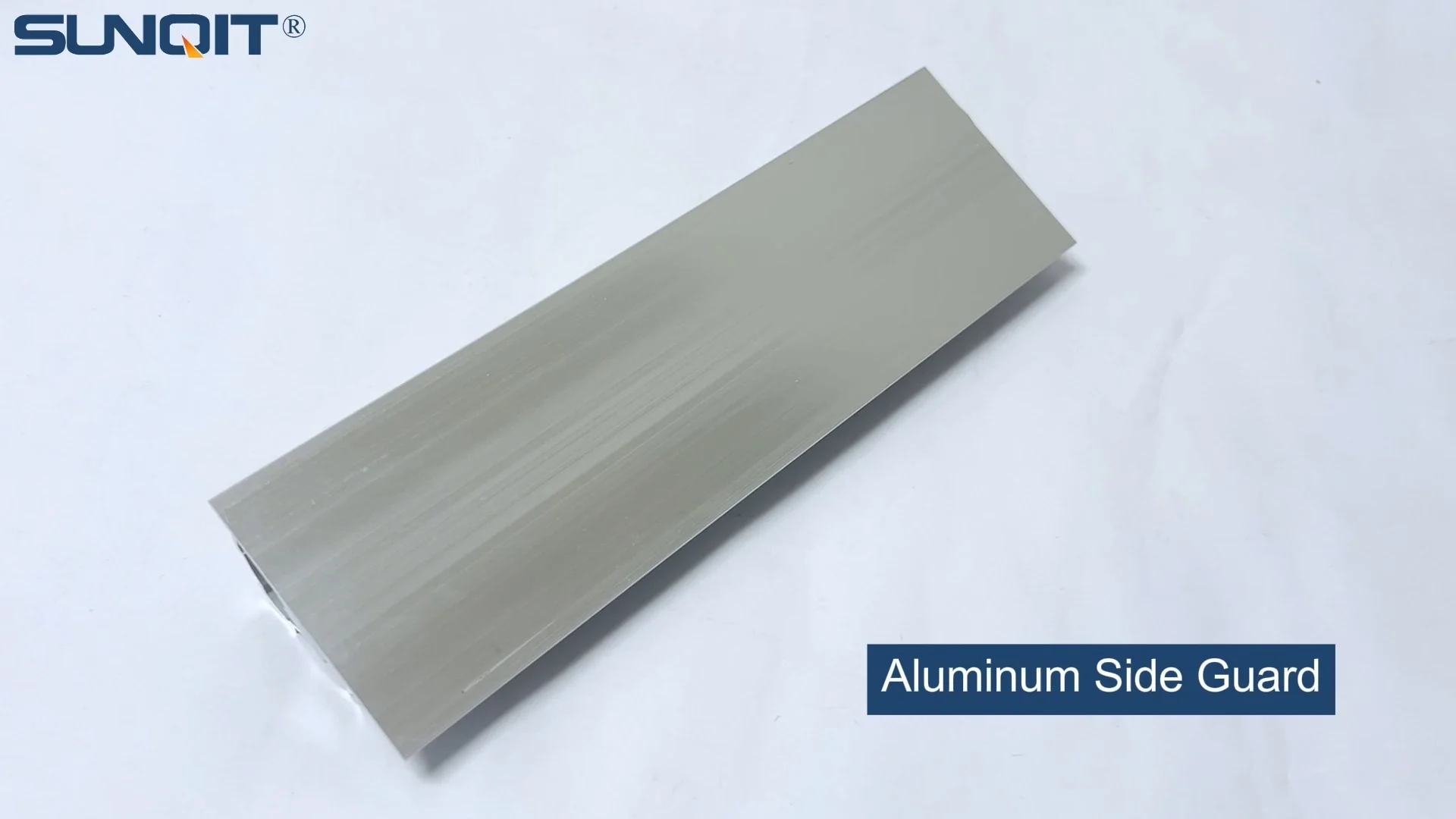
Aluminum Side Guard
Aluminum side guard, it works with a aluminum pipe or a roller track as side guard to prevent material drop,or move to wrong direction.
Wheeling a rack of delicate lab samples through a busy hospital corridor comes with unspoken risks: a sudden turn, a bump from a passing cart, or even a momentary lapse in focus, and vials could slide, equipment could scrape, and valuable materials might be lost. In these high-stakes environments, the difference between a smooth shift and a costly accident often lies in the yet vital components that protect your gear—components like aluminum side guards. These unassuming barriers, crafted from durable aluminum profile and paired with thoughtful design, act as the first line of defense for medical equipment racks, ensuring that everything from diagnostic tools to temperature-sensitive samples arrives intact. Let's dive into how these simple yet effective solutions safeguard your most critical assets, even in the chaos of daily healthcare operations.
What Are Aluminum Side Guards, and Why Do They Matter?
At their core, aluminum side guards are protective barriers mounted along the edges of racks, workbenches, and material transport systems. Unlike generic plastic or flimsy metal alternatives, they're engineered using high-grade aluminum profile—lightweight yet surprisingly strong, with a natural resistance to corrosion that's essential in sterile medical environments. Think of them as the "bumpers" of your equipment ecosystem: they line the sides of racks, run along shelves, and wrap around corners to create a physical buffer between your gear and the hazards of handling.
In medical settings, where even a small scratch on a diagnostic machine can compromise accuracy, or a spilled sample can derail hours of research, their importance can't be overstated. Aluminum side guards don't just prevent damage—they preserve reliability. A rack loaded with centrifuges, microscopes, or bloodwork samples needs more than just a stable base; it needs barriers that keep items from sliding during transport, absorb impacts from accidental collisions, and shield delicate surfaces from scrapes. And because they're made from aluminum, they do all this without adding cumbersome weight, making racks easier to maneuver in tight spaces like elevator shafts or between exam rooms.
The Anatomy of an Effective Aluminum Side Guard
Not all side guards are created equal, and in medical environments, "good enough" simply won't cut it. Effective aluminum side guards are the result of intentional design, quality materials, and compatibility with the racks they protect. Let's break down their key components:
Core Materials: Aluminum Extrusion Profile
At the heart of every reliable aluminum side guard is aluminum extrusion profile—a material shaped through a precision process that creates uniform, strong, and customizable structures. Unlike cast aluminum, which can have weak points, extruded profiles offer consistent thickness and density, ensuring that the guard can absorb impacts without bending or cracking. Medical facilities often opt for profiles with a smooth, non-porous surface, which resists bacteria buildup and is easy to sanitize with hospital-grade disinfectants—a must for maintaining sterile conditions.
Structural Features That Make a Difference
The best aluminum side guards blend form and function with features tailored to medical handling challenges:
- Height and Thickness: Guards typically range from 4 to 8 inches tall, depending on the rack's contents. For vials or small samples, shorter guards prevent tipping; for larger equipment like portable ultrasound machines, taller barriers add extra security. Thickness usually hovers between 1.5mm and 3mm—thick enough to absorb impacts but thin enough to keep the guard lightweight.
- Rounded Edges: Sharp corners are a hazard in any busy space, but in healthcare, they pose risks to both equipment and staff. High-quality aluminum side guards feature rounded edges, reducing the chance of cuts during loading/unloading and minimizing damage if the rack bumps into walls or doorframes.
- Modular Design: Medical racks come in all shapes and sizes—from narrow material rack B (3 row and 3 floor) units to wide workbenches used for sample preparation. Aluminum side guards are often modular, meaning they can be cut to length or connected end-to-end using aluminum profile accessories like connectors or brackets. This flexibility ensures a snug fit, even for custom-built racks.
Integration with Racks: Aluminum Profile Accessories
A side guard is only as effective as its attachment to the rack. That's where aluminum profile accessories shine. These small but critical components—like T-slot nuts, angle brackets, and clamp-on fasteners—secure the guard to the rack's frame without drilling holes or weakening the structure. For example, using a 90° aluminum profile connector allows the guard to attach flush to the rack's side, creating a seamless barrier that won't catch on walls or other equipment during transport. Some systems even use quick-release brackets, making it easy to remove guards for deep cleaning or to reconfigure the rack for different needs.

How Aluminum Side Guards Protect During Every Stage of Handling
Medical equipment racks face threats from the moment they're loaded to the second they're unloaded. Aluminum side guards address these risks at every step, turning potential disasters into non-events. Let's walk through a typical handling scenario to see how they work:
Loading and Unloading: Preventing Tipping and Spills
Loading a rack with 20 vials of blood samples or a stack of reagent trays requires focus—but even the most careful staff can misjudge a placement. Aluminum side guards act as a "safety net," catching items that might tip over the edge during loading. For example, if a lab technician accidentally bumps a tray of pipettes, the guard stops them from sliding off, preventing spills that could contaminate the workspace or ruin samples. On unloading, the guard provides a stable surface to rest hands or tools, reducing the chance of fumbling with delicate equipment.
Transport: Absorbing Shocks and Reducing Vibration
Hospital corridors are rarely smooth. Cracked tiles, uneven thresholds, and sudden stops (thanks to Code Blue alarms or busy intersections) send vibrations through a rolling rack—vibrations that can loosen lids, shift samples, or even damage sensitive equipment like centrifuges. Aluminum side guards mitigate this by acting as a buffer: their rigid structure dampens vibrations, while their height keeps items from bouncing out. In one case study, a pediatric clinic reported a 60% reduction in spilled medication vials after installing side guards on their medication carts, citing the guards' ability to "steady the load" during bumpy transport.
Storage: Shielding Against Accidental Collisions
Even when racks are stationary, they're at risk. A nurse rushing to grab supplies might back into a rack, or a cleaning cart could scrape against it during nightly rounds. Aluminum side guards take the brunt of these impacts, protecting the rack's contents and the rack itself. For example, a material rack B storing surgical instruments might have guards along its sides and front; if a janitor's cart bumps into it, the guard dents slightly (aluminum is malleable enough to absorb the hit) but the instruments inside remain unharmed. Over time, this reduces the need for costly rack repairs or replacements.
Human Error: Turning Mistakes into Near-Misses
We're all human, and in high-pressure healthcare settings, mistakes happen. A new staff member might underestimate how sharp a turn needs to be, or a tired nurse might forget to secure a rack's brakes before loading. Aluminum side guards act as a failsafe. If a rack starts to tip during a sharp turn, the guard's base—anchored to the rack with sturdy aluminum profile accessories—adds stability, reducing the chance of a full tip-over. If a sample tube isn't capped tightly, the guard keeps it from rolling off the shelf and shattering on the floor. In short, they turn potential disasters into "close calls" that don't disrupt patient care.

Comparing Materials: Why Aluminum Stands Out for Medical Use
Aluminum isn't the only material used for side guards—plastic and steel are common alternatives—but in medical settings, its unique properties make it the clear front-runner. Let's compare the three to see why:
| Feature | Aluminum Side Guards | Plastic Side Guards | Steel Side Guards |
|---|---|---|---|
| Weight | Lightweight (1.5-3 lbs per linear foot), easy to maneuver in tight spaces | Lightest (0.5-1.5 lbs per linear foot) but prone to bending under heavy impact | Heavy (4-6 lbs per linear foot), making racks harder to push; increases staff fatigue |
| Corrosion Resistance | Excellent—resists rust even with frequent exposure to moisture/disinfectants | Good, but prone to cracking if disinfected with harsh chemicals over time | Poor unless coated; bare steel rusts quickly in humid hospital environments |
| Impact Absorption | High—malleable enough to dent slightly and absorb shocks without breaking | Low—cracks or shatters on hard impacts (e.g., hitting a wall at speed) | High, but rigid; may transfer impact to rack contents instead of absorbing it |
| Sanitization | Easy—non-porous surface wipes clean with bleach or alcohol-based cleaners | Moderate—can develop micro-scratches over time, harboring bacteria | Difficult—coated steel may chip, exposing rust-prone metal; hard to clean crevices |
| Cost Over Time | Mid-range upfront cost, but durable (10+ year lifespan) with minimal maintenance | Low upfront cost, but needs replacement every 2-3 years due to wear/chemical damage | High upfront cost; requires regular coating touch-ups to prevent rust |
For medical facilities, the verdict is clear: aluminum side guards balance durability, safety, and practicality in ways plastic and steel can't. They're lightweight enough for daily use, resistant to the harsh conditions of healthcare settings, and built to last—making them a smart long-term investment.
Lean Systems in Healthcare: How Aluminum Side Guards Support Efficiency
Modern healthcare facilities thrive on lean principles—streamlining processes, reducing waste, and maximizing efficiency to deliver better patient care. At first glance, aluminum side guards might seem like a small detail, but they play a big role in supporting these lean goals. Here's how:
Reducing Waste from Damaged Equipment
Waste in healthcare comes in many forms, but one of the most avoidable is damage to equipment and supplies. A single broken centrifuge tube can cost hundreds of dollars in lost samples and downtime; a dented ultrasound probe might require expensive repairs. Aluminum side guards drastically cut this waste by preventing such accidents. In a 2023 survey of 50 hospitals, facilities that installed aluminum side guards on material transport racks reported a 42% reduction in equipment damage claims—translating to an average annual savings of $15,000 per department.
Supporting Adaptable Workflows
Lean systems prioritize flexibility, and medical needs are rarely static. A rack used for storing IV fluids today might need to hold COVID-19 tests tomorrow, or a workbench might shift from sample prep to equipment maintenance. Aluminum side guards, with their modular design and compatibility with aluminum profile accessories, adapt seamlessly to these changes. Need to shorten a guard for a narrower rack? Cut it with a hacksaw and reattach with a new bracket. Want to add a second layer of protection for taller items? Stack two guards using a straight connector. This adaptability means facilities don't need to buy new racks or guards every time workflows change—saving money and reducing waste.
Improving Staff Productivity
Time is a precious resource in healthcare, and anything that slows staff down hurts patient care. Heavy steel guards or flimsy plastic ones force staff to move more slowly, double-check loads, or stop to pick up spilled items. Aluminum side guards, by contrast, let teams work with confidence. Racks are lighter and easier to push, loading/unloading takes less time (no need to "baby" delicate items), and staff spend fewer hours cleaning up messes or filing damage reports. One clinic in Chicago noted that after installing aluminum side guards, their lab technicians saved an average of 2 hours per day—time they redirected to processing samples and assisting patients.
Real-World Impact: Case Studies in Medical Facilities
Numbers tell part of the story, but real-world examples show just how transformative aluminum side guards can be. Here are three facilities that saw tangible results after making the switch:
Case Study 1: Urban Hospital Reduces Lab Sample Loss by 65%
Before installing aluminum side guards, a busy downtown hospital's lab was losing an average of 12 sample vials per week to spills during transport. Most losses happened when racks were wheeled from patient floors to the lab—a 5-minute journey through crowded corridors. The lab team often had to recollect samples, delaying test results and frustrating patients. In 2022, they retrofitted all 15 of their material rack B units with 6-inch aluminum side guards, using aluminum profile accessories to attach the guards securely to the racks' metal frames. Within three months, sample loss dropped to just 4 vials per week—a 65% reduction. Lab manager Maria Gonzalez noted, "We used to hold our breath every time we moved a rack. Now, even if someone bumps into us, the guards keep everything in place. It's like having an extra pair of hands watching over the samples."
Case Study 2: Rural Clinic Extends Equipment Lifespan
A small rural clinic in Oregon was struggling with frequent replacements of portable medical equipment. Their ultrasound machine, EKG monitor, and blood pressure cuffs—all stored on a mobile workbench—were getting dented and scratched during transport between exam rooms, leading to costly repairs (average $800 per incident). In 2021, they invested in aluminum side guards for the workbench, choosing a modular design that could be adjusted as they added new tools. Two years later, the clinic reports zero equipment damage from transport. "That ultrasound machine alone costs $15,000," said clinic administrator James Peterson. "The guards paid for themselves in the first six months by avoiding just one repair. Plus, the equipment looks newer, which makes patients feel more confident in our care."
Case Study 3: Research Lab Streamlines Vaccine Transport
During the height of the COVID-19 pandemic, a research lab in Texas was tasked with transporting vaccine doses between storage freezers and testing stations. The lab used standard plastic racks, but doses often shifted during transport, leading to broken vials and wasted vaccine. To solve the problem, they installed 8-inch aluminum side guards on their transport racks, paired with non-slip matting inside the racks. The guards kept vials upright, even when racks were moved quickly to meet tight deadlines. Over six months, the lab reduced vaccine waste by 78%, ensuring more doses were available for testing. "Every vial mattered," said lead researcher Dr. Elena Ruiz. "The aluminum guards gave us the reliability we needed to keep up with demand without sacrificing safety."
Installing Aluminum Side Guards: A Step-by-Step Guide
Installing aluminum side guards is a straightforward process that requires minimal tools and no specialized training—perfect for busy medical facilities. Here's how to do it right:
Gather Your Tools and Materials
Before you start, you'll need:
- Aluminum side guard(s) (cut to length if needed)
- Aluminum profile accessories: brackets, connectors, T-slot nuts, and screws (match the size of your rack's frame)
- Measuring tape and pencil
- Drill/driver with Phillips-head bit (for attaching brackets)
- Hacksaw or miter saw (if cutting guards to length)
- Sandpaper (to smooth cut edges)
- Level (to ensure guards are straight)
Step 1: Measure and Mark the Rack
Start by measuring the length of the rack where the guard will go. Use a pencil to mark where the guard will attach—typically 1-2 inches from the rack's top and bottom edges for stability. If your rack has crossbars, align the guard's mounting holes with these bars to ensure a secure fit. For material rack B (3 row and 3 floor) units, measure each shelf individually, as shelf heights may vary.
Step 2: Cut the Guard (If Needed)
Most aluminum side guards come in standard lengths (4, 6, or 8 feet), but if your rack is shorter, you'll need to cut the guard to size. Use a hacksaw or miter saw to make a straight cut, then sand the edges with fine-grit sandpaper to remove burrs—this prevents cuts during handling and ensures the guard fits flush against the rack.
Step 3: Attach Brackets to the Guard
Hold the guard against the rack and mark where the brackets will go (usually every 12-18 inches for stability). Attach the brackets to the guard using T-slot nuts and screws: insert the nuts into the guard's T-slot (the groove running along its length), align the bracket over the nut, and tighten the screw with a drill. Make sure the brackets are facing the correct direction—most will have a flat side that sits against the rack's frame.
Step 4: Mount the Guard to the Rack
With the brackets attached to the guard, hold the assembly against the rack and use the level to ensure it's straight. Once aligned, drill screws through the brackets into the rack's frame. For metal racks, pre-drill small pilot holes to avoid bending screws. For wooden racks, use wood screws instead of machine screws. Tighten all screws until the guard feels secure—you shouldn't be able to wiggle it by hand.
Step 5: Test and Adjust
Give the guard a gentle shake to check for looseness. If it wobbles, tighten the screws or add extra brackets. Then, load the rack with typical items (vials, equipment, etc.) and wheel it around to simulate transport. If items shift, adjust the guard's height or add non-slip matting inside the rack. Once everything stays in place, you're good to go!
Maintaining Your Aluminum Side Guards for Longevity
Aluminum side guards are built to last, but like any equipment, they need regular care to stay effective. Follow these tips to keep them in top shape for years:
Clean Regularly to Prevent Buildup
Medical environments are full of germs, so cleaning your side guards should be part of your facility's daily sanitization routine. Wipe them down with a mild detergent and warm water, or use a hospital-grade disinfectant (like quaternary ammonium compounds) for extra protection. Avoid abrasive cleaners or steel wool, which can scratch the aluminum's surface and create hiding spots for bacteria. For tough stains (like dried-on spills), let the cleaner sit for 5 minutes before wiping—this breaks down grime without scrubbing.
Inspect for Damage Monthly
Once a month, take a few minutes to inspect each guard for signs of wear:
- Dents or Bends: Small dents are usually harmless, but large bends can weaken the guard. If a guard is bent more than 10 degrees, replace it—bends compromise its ability to absorb impacts.
- Loose Brackets or Screws: Tighten any loose screws and replace missing brackets immediately. Loose guards can shift during transport, leaving equipment unprotected.
- Corrosion: While aluminum resists rust, it can develop white, powdery oxidation if exposed to salt or harsh chemicals. Wipe it off with a damp cloth and apply a thin coat of clear wax to protect the surface.
replace Parts Proactively
Aluminum profile accessories like brackets and connectors take a lot of wear and tear. If a bracket cracks or a connector becomes loose, replace it right away—don't wait for it to fail. Most suppliers offer replacement parts at low cost, and keeping a few spares on hand ensures you can make repairs quickly. For example, if a 90° connector breaks, swapping it out takes 5 minutes and prevents the guard from detaching during transport.
Adapt to Changing Needs
As your facility's needs evolve, don't hesitate to modify your aluminum side guards. If you start storing taller equipment, add an extension using a straight connector. If a rack is repurposed for smaller items, trim the guard to a shorter height. By keeping guards aligned with how you use your racks, you'll ensure they continue to provide maximum protection.
Looking Ahead: Innovations in Aluminum Side Guard Design
The future of aluminum side guards is all about making them smarter, more adaptable, and even better at protecting medical equipment. Here are a few innovations on the horizon:
Ergonomic Improvements for Staff Safety
Manufacturers are developing side guards with features that reduce strain on staff, like adjustable heights that can be raised or lowered with a simple lever. Some prototypes include built-in handles on the guards, making racks easier to push from awkward angles. These changes not only protect equipment but also reduce the risk of back injuries among staff who move racks daily.
Smart Sensors for Proactive Protection
Imagine a side guard that alerts you before a problem occurs. New designs integrate small sensors into the guard's frame that detect excessive vibration (a sign items are shifting) or sudden impacts (like a hard collision). The sensors connect to a mobile app, sending alerts to staff if the rack needs attention. For example, if a guard detects a vial rolling toward the edge, it could trigger a small LED light on the rack, warning the person pushing it to slow down.
Sustainability Focus: Recycled Aluminum and Eco-Friendly Finishes
As healthcare facilities strive to reduce their carbon footprint, suppliers are moving toward greener materials. Many now offer aluminum side guards made from 100% recycled aluminum, which uses 95% less energy to produce than new aluminum. Finishes are also getting an eco-upgrade, with water-based coatings that emit fewer volatile organic compounds (VOCs) than traditional paints—making them safer for staff and patients alike.
Conclusion: Investing in Protection That Pays Off
Aluminum side guards may not be the most glamorous part of a medical facility's equipment, but they're undeniably essential. They protect delicate samples, expensive equipment, and staff from harm; support lean workflows by reducing waste and downtime; and adapt seamlessly to the ever-changing needs of healthcare. Whether you're running a busy hospital lab, a rural clinic, or a research facility, these unassuming barriers offer peace of mind—knowing that when you wheel a rack through the corridor, everything inside is safe.
At the end of the day, aluminum side guards are more than just a protective measure—they're an investment in efficiency, safety, and quality patient care. And in healthcare, where every detail matters, that's an investment worth making.