- Company Articles
- Products and Technology
- Product knowledge
- How Aluminum Side Guards Protect Workers from Machinery Hazards

How Aluminum Side Guards Protect Workers from Machinery Hazards
Related Product
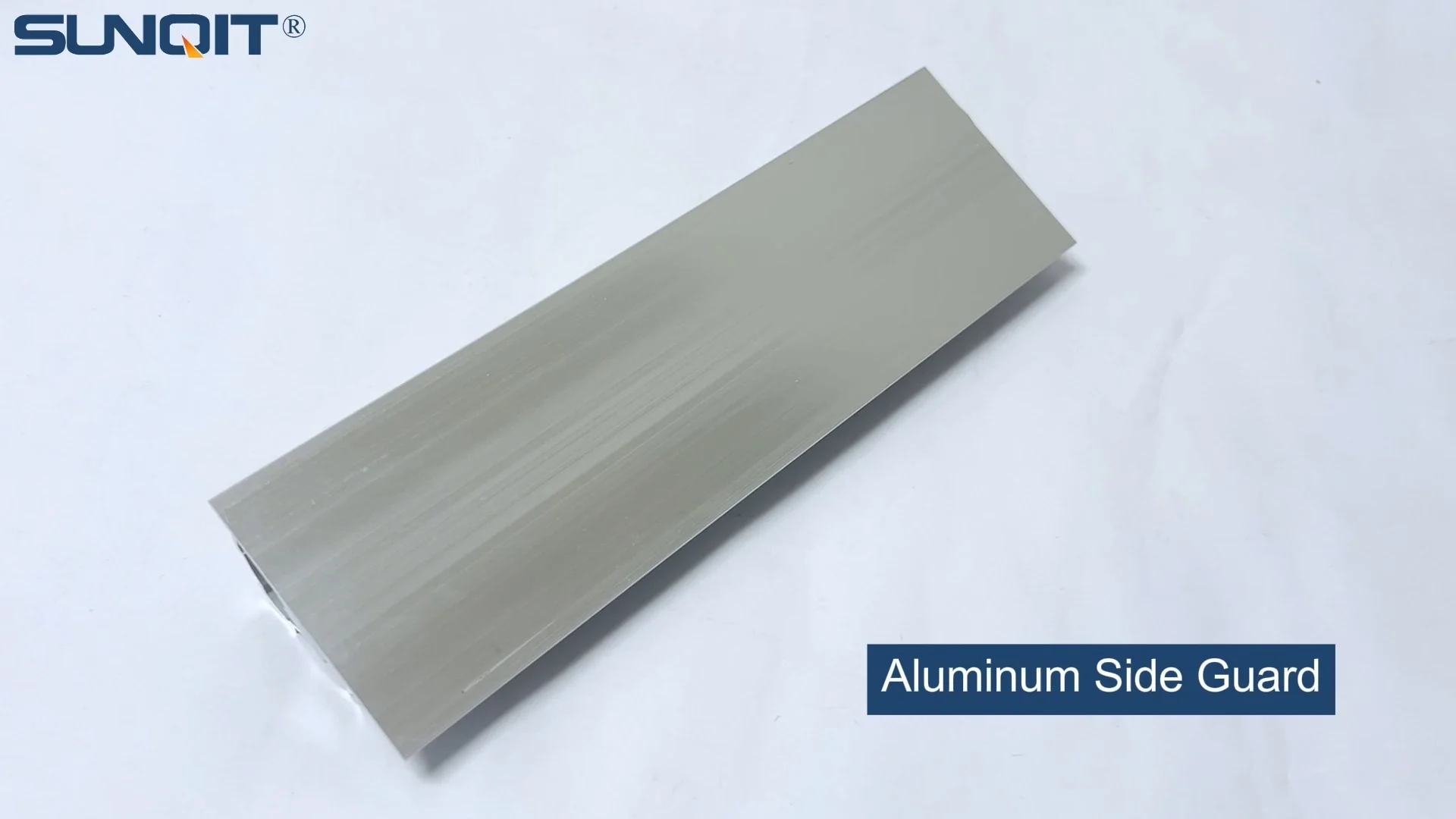
Aluminum Side Guard
Aluminum side guard, it works with a aluminum pipe or a roller track as side guard to prevent material drop,or move to wrong direction.
Walk into any manufacturing plant, warehouse, or assembly facility, and you'll hear the hum of machinery—the backbone of production. But beneath that steady rhythm lies an invisible threat: machinery hazards that can turn a routine workday into a life-altering accident. Pinch points between conveyor belts, flying debris from rotating parts, or workers accidentally brushing against unguarded equipment—these scenarios are more common than we'd like to admit. In 2023, the U.S. Bureau of Labor Statistics reported over 2.8 million nonfatal workplace injuries involving machinery, many of which could have been prevented with proper guarding. This is where aluminum side guards step in—not as just another piece of equipment, but as silent sentinels standing between workers and harm. Let's dive into how these unassuming barriers, crafted from materials like aluminum pipe and aluminum lean pipe, are redefining workplace safety.
The Hidden Dangers: Why Machinery Hazards Lurk in Every Workshop
Before we talk about solutions, let's get real about the problem. Machinery hazards aren't just "part of the job"—they're avoidable risks that stem from gaps in protection. Consider a typical assembly line: workers stand inches from roller tracks carrying heavy components, while robotic arms swing overhead, and conveyor belts zip past at high speeds. In these environments, even a moment of distraction can lead to disaster. Pinch points between gears or conveyor rollers can crush fingers; unguarded rotating shafts can catch loose clothing or hair, pulling workers into machinery; and items sliding off roller tracks can strike nearby employees. These aren't hypothetical—OSHA reports that nearly 1 in 5 workplace fatalities involve machinery, with many more resulting in amputations, fractures, or permanent disabilities.
The challenge? Traditional safety measures often fall short. Rigid steel guards are bulky and hard to adjust, making them impractical for dynamic workspaces where layouts change frequently. Plastic barriers crack under impact, and wood guards warp over time, leaving gaps that hazards slip through. What's needed is a guard system that's strong enough to withstand daily wear, flexible enough to adapt to different machinery, and lightweight enough to install without disrupting operations. Enter aluminum side guards—built from materials like aluminum lean pipe and aluminum profile, these guards are changing the game for workplace safety.
Aluminum Side Guards: More Than Just Metal—A Safety Revolution
At first glance, aluminum side guards might look like simple metal barriers, but they're engineered with a purpose: to protect workers without getting in the way. Unlike one-size-fits-all steel guards, these systems are built using modular components—think aluminum pipe, aluminum lean pipe, and aluminum profile—that can be customized to fit any machine, workbench, or roller track. Whether you're safeguarding a small assembly workbench or a 50-foot conveyor line, aluminum side guards adapt to your space, not the other way around.
But what makes aluminum the star material here? Let's break it down. Aluminum is naturally resistant to rust and corrosion, which means it holds up in damp or dusty factory environments where steel would start to degrade. It's also lightweight—about 30% lighter than steel—so installing guards doesn't require heavy machinery or a team of workers. Yet despite its lightness, aluminum is surprisingly strong: aluminum lean pipe, for example, is reinforced with internal structures that give it the tensile strength to withstand impacts from falling tools or shifting materials. This combination of strength, lightness, and durability makes aluminum the ideal choice for safety guards that need to be both reliable and versatile.
The Building Blocks: Aluminum Pipe, Lean Pipe, and Profile
To understand why aluminum side guards work so well, let's look at their core components. Most systems start with aluminum pipe—a hollow tube that forms the guard's backbone. These pipes come in various diameters, from slim 20mm tubes for tight spaces to robust 40mm tubes for heavy-duty applications. What sets them apart is their compatibility with aluminum lean pipe, a specialized variant designed for modular construction. Aluminum lean pipe features a smooth surface and precise dimensions, making it easy to connect with joints, brackets, and other aluminum profile accessories.
Then there's aluminum profile—extruded aluminum shapes with T-slots that let you attach guards, shelves, or other components without welding. Think of it as the "Lego" of industrial safety: slide a bracket into the T-slot, tighten a screw, and your guard is secured. This modularity means you can add extensions, adjust heights, or reconfigure the guard entirely if your machinery layout changes. For example, a workbench used for small electronics assembly might need low, narrow guards to keep tools from rolling off, while a roller track moving large automotive parts would require taller, sturdier barriers to prevent items from tipping over. With aluminum profile, both are possible using the same basic components.

Design That Puts Workers First: How Aluminum Side Guards Prevent Accidents
Safety isn't just about having a barrier—it's about designing a barrier that works with how people actually work. Aluminum side guards excel here because they're engineered with human behavior in mind. Let's take pinch points, one of the most common machinery hazards. These occur where moving parts meet—like the gap between a conveyor belt and its frame. A poorly designed guard might block the pinch point but also make it hard for workers to access the belt for maintenance. Aluminum side guards solve this with hinged or removable panels: flip up the guard, perform repairs, then lock it back in place—no tools required. The hinges, often made from durable aluminum or stainless steel, are designed to stay secure during operation but release easily when needed, striking that crucial balance between safety and accessibility.
Another key design feature is visibility. Unlike opaque steel guards, many aluminum side guards use slotted or mesh panels that let workers see through to the machinery. This might sound small, but it's a game-changer: if a worker can see that a conveyor is jammed, they're less likely to reach around the guard to fix it. Some guards even incorporate clear polycarbonate panels for full visibility, combining the strength of aluminum framing with the transparency of plastic. This not only prevents accidents but also improves efficiency—no more stopping production to check if a machine is running properly.
Then there's adaptability to different workspaces. Take the roller track, a staple in warehouses and factories for moving materials. Items on a roller track can pick up speed, especially on inclines, and if they slide off, they pose a risk to anyone nearby. Aluminum side guards for roller tracks are low-profile but sturdy, with rounded edges to prevent damage to the items while still keeping them on track. They're also adjustable: if you switch from small boxes to larger crates, you can widen the guard spacing or add height extensions using aluminum pipe and joints. On a workbench, meanwhile, side guards might include integrated tool rails or storage hooks, turning a safety feature into a productivity booster. Workers don't have to reach across the bench to grab tools—they're right there, within arm's reach, reducing the temptation to lean over the guard.
Case Study: How a Automotive Plant Cut Accidents by 60% with Aluminum Guards
Let's put this in real terms. A mid-sized automotive parts manufacturer in Ohio was struggling with frequent near-misses on their assembly line. Workers were often reaching across roller tracks to grab components, risking slips or falls, and tools would occasionally slide off workbenches onto the floor, causing trips. The plant had tried steel guards, but they were too heavy to reposition when the production line changed, so workers would sometimes prop them open or remove them entirely—defeating the purpose.
Then they switched to aluminum side guards. Using aluminum lean pipe and profile, they installed adjustable guards along the roller tracks and around workbenches. The guards were lightweight enough for two workers to reconfigure in minutes, so they stayed in place even when layouts changed. The slotted panels let workers see the moving parts without leaning over, and integrated tool hooks kept essentials within reach. Within six months, the plant reported a 60% drop in accidents related to machinery hazards. "It's not just that the guards block hazards," said the plant manager. "It's that they make safe behavior easier. Workers don't have to choose between following the rules and getting the job done."

Traditional vs. Aluminum: A Clear Winner for Safety and Efficiency
Still not convinced aluminum side guards are worth the switch? Let's compare them head-to-head with traditional safety guards. The table below breaks down key features, from cost to durability, to show why aluminum is the smarter choice for modern workplaces.
| Feature | Traditional Steel Guards | Aluminum Side Guards |
|---|---|---|
| Weight | Heavy (requires machinery for installation) | Lightweight (installed by 2-3 workers manually) |
| Durability | Prone to rust and corrosion in damp environments | Rust-resistant; lasts 10+ years with minimal maintenance |
| Customization | Fixed design; requires welding to modify | Modular; reconfigured with basic tools (no welding) |
| Visibility | Often opaque; blocks view of machinery | Slotted or mesh panels; maintains visibility |
| Cost Over Time | Higher (replacement due to rust, welding costs for modifications) | Lower (minimal maintenance, reusable components) |
Beyond the Guard: How Aluminum Systems Support Lean Manufacturing
Aluminum side guards aren't just about safety—they're also a boon for lean manufacturing, the philosophy of minimizing waste while maximizing productivity. Lean systems thrive on flexibility: the ability to adapt quickly to changing demand, reduce downtime, and eliminate unnecessary steps. Aluminum pipe and profile fit perfectly here because they're designed for rapid reconfiguration. Unlike fixed steel guards that become obsolete when a production line changes, aluminum guards can be disassembled, moved, and reassembled into a new layout in hours, not days.
Take a electronics manufacturer that produces both smartphones and tablets. Their assembly lines switch between models weekly, requiring different workbench setups and roller track paths. With aluminum side guards, they don't have to buy new guards for each model—they just reposition the existing ones. The time saved on installation and retooling translates to faster production starts and lower costs. Plus, because aluminum is recyclable, when a guard finally reaches the end of its life, it can be melted down and repurposed, aligning with sustainability goals—a key part of modern lean practices.
Aluminum Profile Accessories: The Secret to Customization
What really makes aluminum side guards versatile is the wide range of aluminum profile accessories available. These small but mighty components turn basic pipes and profiles into fully functional safety systems. Need to attach a guard to a workbench? Use a T-slot nut and bolt to secure it in seconds. Want to add a tool holder? Slide a bracket into the profile's slot and tighten. Even specialized needs—like guards that curve around circular machinery—are possible with flexible aluminum pipe and swivel joints.
One accessory that's particularly useful is the adjustable foot. These attach to the bottom of guard posts, letting you level the system on uneven factory floors—a common issue in older facilities. No more wobbly guards that shift over time; the feet screw up or down to keep everything stable. Another standout is the quick-release pin, which lets workers remove guard panels in seconds for maintenance. Instead of fumbling with nuts and bolts, just pull the pin, lift the panel, and you're in—then reinsert the pin when you're done. It's small touches like these that make aluminum side guards not just safe, but worker-friendly.
Maintenance Made Simple: Keeping Aluminum Guards in Top Shape
Let's be honest: no safety system works if it's not maintained. But aluminum side guards take the hassle out of upkeep. Unlike steel, which needs regular painting to prevent rust, aluminum forms a natural oxide layer that protects it from corrosion. A quick wipe with a damp cloth is usually all it takes to remove dust or grime. For tougher stains—like oil or grease from machinery—a mild detergent and soft brush work wonders. And because the components are modular, replacing a damaged part is easy: just unscrew the old bracket or panel and screw in a new one. No need to replace the entire guard, saving time and money.
It's also easy to spot issues early. Aluminum's light color shows dents or scratches more clearly than dark steel, so a quick visual inspection during shift changes can catch problems before they become hazards. Loose joints? Just tighten the screw. Bent pipe? replace the section—no welding, no heavy tools. This simplicity means maintenance teams can focus on other tasks, and workers can take ownership of keeping their work areas safe, fostering a culture of responsibility.
Compliance: Meeting Safety Standards Without the Headache
In any industry, safety compliance is non-negotiable. OSHA, ISO, and other regulatory bodies have strict standards for machinery guarding, and failing to meet them can result in fines, shutdowns, or worse—preventable accidents. Aluminum side guards are designed with these standards in mind, making compliance easier. For example, OSHA requires guards to "prevent contact" with hazardous parts, which aluminum barriers do effectively. They also mandate that guards be "securely fastened" and "not easily removable"—features built into aluminum joint designs, which lock into place but can be released with tools for maintenance.
What's more, aluminum guard manufacturers often provide documentation—like test reports and material certifications—to prove compliance. This takes the guesswork out of audits: instead of scrambling to show that your guards meet load-bearing or impact-resistance standards, you can present a simple folder of paperwork. For small businesses without dedicated safety teams, this is a lifesaver. It lets you focus on running your operation, knowing your guards are up to code.
Investing in Safety: The Long-Term Value of Aluminum Side Guards
At this point, you might be wondering about cost. It's true: aluminum side guards often have a higher upfront price than basic steel or plastic guards. But that initial investment pays off quickly. Let's crunch the numbers: a steel guard might cost $500 upfront but needs replacement in 5 years due to rust, plus $200 in annual maintenance. An aluminum guard might cost $800 upfront but lasts 15 years with $50 in annual maintenance. Over 15 years, the steel guard would cost $500 + (15/5)*$500 + 15*$200 = $500 + $1500 + $3000 = $5000. The aluminum guard? $800 + 15*$50 = $800 + $750 = $1550. That's a savings of over $3400—plus fewer accidents, less downtime, and happier workers. When you factor in the total cost of ownership, aluminum is the clear budget-friendly choice.
But the real value isn't in dollars—it's in people. Every worker who goes home safely at the end of the day is a testament to the importance of investing in quality safety equipment. Aluminum side guards don't just protect bodies; they protect livelihoods, families, and the trust your team places in you to keep them safe. As one factory worker put it: "When I see those aluminum guards around my workbench, I know my boss cares about more than just production. They care about me."
Conclusion: Safety That Grows With Your Business
Workplace safety shouldn't be a static goal—it should evolve as your business grows, your machinery changes, and your team expands. Aluminum side guards embody this evolution. Built from versatile materials like aluminum pipe, aluminum lean pipe, and aluminum profile, they adapt to your needs, protect your workers, and support your bottom line. They're not just guards; they're partners in productivity, ensuring that safety and efficiency go hand in hand.
So if you're still using outdated, rigid safety guards, it's time to make the switch. Talk to a supplier about how aluminum side guards can be customized for your workbench, roller track, or machinery. Ask about the modular components, the maintenance process, and the compliance documentation. Most importantly, ask your team what they need—because the best safety systems are the ones that work for the people who use them every day.
At the end of the day, aluminum side guards are more than a purchase—they're an investment in your most valuable asset: your workers. And that's an investment that always pays off.