- Company Articles
- Products and Technology
- Product knowledge
- How Aluminum Side Guards Reduce Downtime in Busy Manufacturing Environments

How Aluminum Side Guards Reduce Downtime in Busy Manufacturing Environments
Related Product
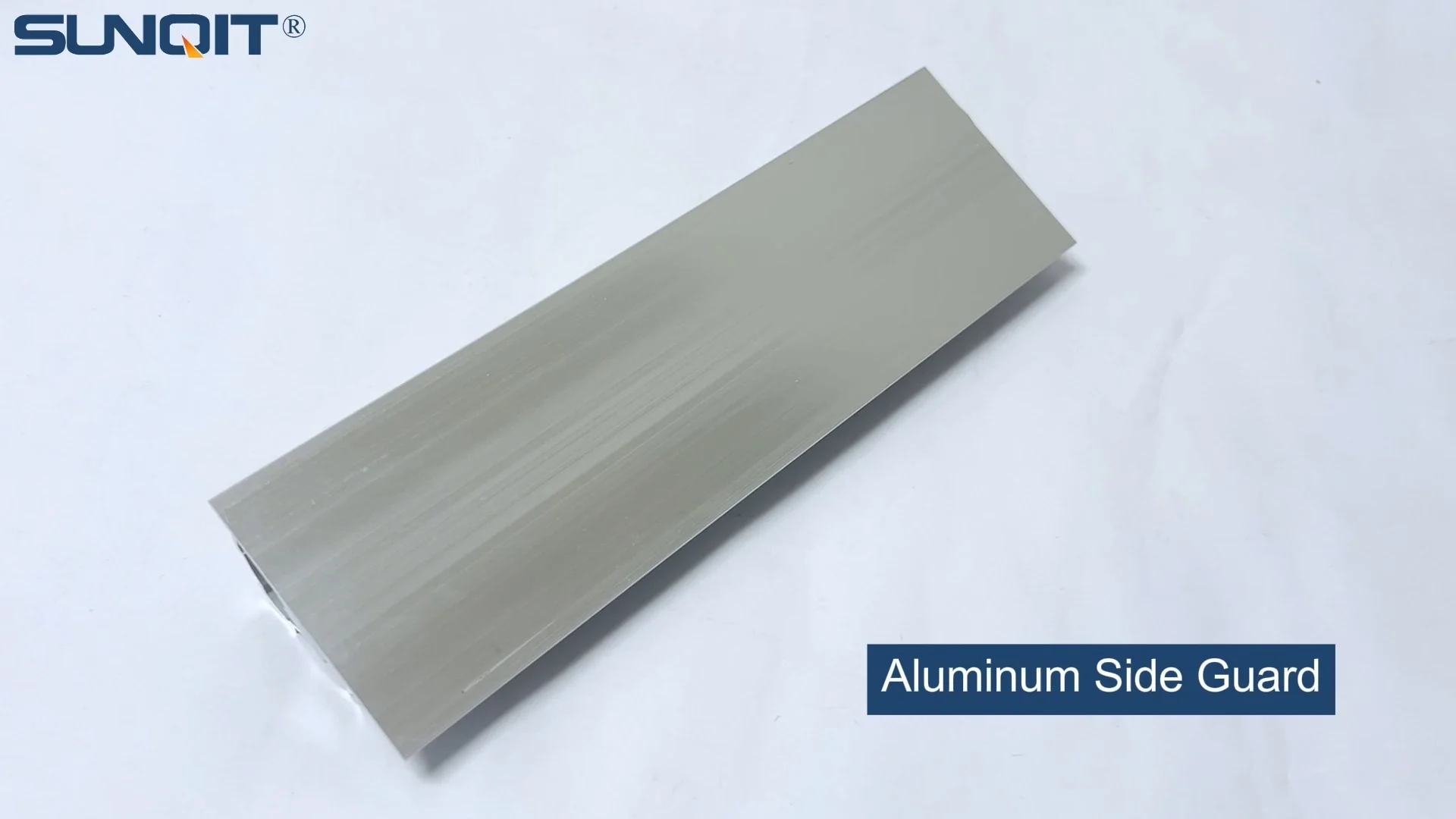
Aluminum Side Guard
Aluminum side guard, it works with a aluminum pipe or a roller track as side guard to prevent material drop,or move to wrong direction.
In the relentless hum of a manufacturing facility, where conveyor belts whir, workbenches buzz with activity, and production assemble lines stretch like mechanical arteries, downtime isn't just an inconvenience—it's a silent profit killer. A single hour of halted operations can cost tens of thousands of dollars, derail deadlines, and leave teams scrambling to catch up. Yet, amid the focus on high-tech machinery and complex software, one often-overlooked component quietly plays a starring role in keeping things moving: the aluminum side guard. These unassuming barriers, often mounted on roller tracks, workbenches, or along material pathways, are the unsung heroes of lean system efficiency. In this article, we'll dive into how aluminum side guards tackle downtime at its roots, why they're a must-have for busy manufacturing floors, and how they seamlessly integrate with existing setups to keep your production assemble lines running smoother, longer.
The Hidden Cost of Downtime: Why Every Minute Matters
Before we unpack how aluminum side guards make a difference, let's first ground ourselves in the reality of downtime. For manufacturers, downtime comes in many forms: a box slipping off a roller track and jamming the line, a worker accidentally bumping into a misaligned material bin and causing a spill, or a flimsy plastic guard cracking under repeated use, leaving equipment vulnerable to damage. Each scenario eats into productivity, but the costs go beyond just lost output. There's the labor spent fixing the issue, the overtime needed to meet deadlines, and the ripple effect on downstream processes—all of which add up faster than you might think.
Consider a mid-sized electronics plant running two shifts a day. If a material jam on a roller track halts a production assemble line for just 45 minutes, that's 90 minutes of lost work across both shifts. Multiply that by the average hourly cost of labor and equipment (which can range from $5,000 to $15,000 per hour in specialized industries), and suddenly a small jam becomes a $11,250 problem. Now imagine that happening once a week—that's over $500,000 in annual losses from a single recurring issue. This is where aluminum side guards step in: they don't just prevent jams and spills—they protect your bottom line by turning "what ifs" into "what nows" (as in, "Now we can keep production on track").
Aluminum Side Guards 101: More Than Just a "Guard Rail"
At first glance, aluminum side guards might seem like simple pieces of metal—after all, their primary job is to keep materials on track, right? But dig deeper, and you'll realize they're engineered for the chaos of manufacturing life. Unlike plastic guards that crack under impact or steel ones that rust and weigh down equipment, aluminum side guards strike a balance between durability, flexibility, and lightweight design. They're often made from high-grade aluminum extrusion profiles, which means they're resistant to corrosion (critical for facilities with moisture or chemicals) and can withstand repeated bumps from heavy bins or tools without warping.
But their real magic lies in adaptability. Aluminum side guards aren't one-size-fits-all; they're designed to integrate with your existing setup, whether you're using roller tracks, workbenches, or conveyors. Need to adjust the height to accommodate taller boxes? They can be mounted with adjustable brackets. Working with delicate components that require a softer touch? Some models come with rubberized edges to prevent scratches. And because they're part of a modular system, you can add or remove sections as your production assemble needs change—no need to overhaul your entire line. This flexibility is why they're a cornerstone of modern lean system strategies: they grow with your facility, ensuring you're never stuck with a "good enough" solution.

4 Ways Aluminum Side Guards Slash Downtime in Busy Factories
1. They Stop Material Jams Before They Start
Walk through any manufacturing floor, and you'll notice a common enemy: misaligned materials. A box teetering on the edge of a roller track, a bin sliding sideways as it moves along a conveyor—these are ticking time bombs. Without proper guidance, they'll eventually tip, crash, or get wedged between rollers, bringing the entire line to a halt. Aluminum side guards act as a gentle but firm "guide" for materials, keeping them centered on the track or workbench. Their smooth, continuous surface ensures even weight distribution, so even irregularly shaped items (like automotive parts or bulky packaging) glide through without catching.
Take, for example, a food processing plant that uses roller tracks to move crates of produce. Without side guards, crates often shift during transport, leading to jams that require workers to stop the line, manually adjust the crates, and restart—costing 10-15 minutes per jam. After installing aluminum side guards with adjustable height settings, the plant reduced jams by 85%. Workers no longer had to interrupt production to fix misalignments, and the crates moved smoothly from washing to packaging. The result? An extra 2-3 hours of productive time per day, translating to 500+ more crates processed weekly.
2. They Protect Workers and Equipment from Accidents
Downtime isn't just about equipment—it's about people, too. A worker tripping over a loose material bin or cutting their hand on a sharp edge can lead to hours of lost work (not to mention medical costs and morale dips). Aluminum side guards create a safer workspace by defining clear pathways for materials and people. By keeping bins, tools, and products contained on workbenches or roller tracks, they reduce the risk of trips, falls, and collisions. Plus, many models feature rounded edges or soft-touch coatings, minimizing injury risks if a worker does bump into them.
In a automotive parts warehouse, a common issue was workers accidentally knocking small components (like screws or washers) off workbenches, leading to time spent searching for lost parts and occasional cuts from scattered metal pieces. After adding aluminum side guards to all assembly workbenches, the warehouse saw a 60% drop in reported incidents. Workers could focus on assembling parts instead of cleaning up spills, and the guards' raised edges kept even tiny components contained. As one supervisor put it: "It's not just about the time saved—it's about letting the team work without worrying about the little things. When they're less stressed, they're more productive."
3. They're Built to Last (So You Spend Less Time Replacing Them)
Ever replaced a plastic guard that cracked after a month? Or a steel one that rusted through in a humid environment? Those replacements aren't just costly—they're time-consuming. Ordering new parts, waiting for delivery, and installing them all take time away from production. Aluminum side guards, however, are built for longevity. Aluminum's natural resistance to rust and corrosion means they hold up in wet or chemical-heavy environments (like pharmaceutical or automotive painting shops). Their extrusion design also makes them stronger than plastic, so they can withstand impacts from heavy materials without bending or breaking.
A furniture manufacturing plant once struggled with frequent guard replacements on their wood panel roller tracks. The original plastic guards would crack under the weight of 4x8-foot panels, leading to monthly replacements that took 2 hours each (plus the cost of new guards). Switching to aluminum side guards changed that. Three years later, the same guards are still in use—no cracks, no rust, and no downtime for replacements. The plant estimates saving $3,000 annually on guard replacements alone, not counting the time saved from avoiding installation delays.
4. They Integrate Seamlessly with Lean System Workflows
At the heart of any lean system is the goal to eliminate waste—whether it's wasted time, materials, or effort. Aluminum side guards align perfectly with this philosophy by streamlining workflows and reducing inefficiencies. For example, in a lean production assemble line, every step should add value; stopping to fix a jam or clean up a spill adds nothing. By preventing these disruptions, side guards keep the line moving, ensuring that each worker and machine stays focused on value-adding tasks.
What's more, their modular design means they can be reconfigured as your lean system evolves. If you're reorganizing your facility to adopt a U-shaped production line, you can easily adjust the length or angle of your aluminum side guards to match the new layout. No need to buy entirely new equipment—just add a few extra brackets or extend a section. This adaptability makes them a long-term investment, not just a short-term fix. As one lean coordinator put it: "Aluminum side guards aren't just tools—they're partners in continuous improvement. They grow with our processes, so we never have to compromise on efficiency."

Real-World Results: How One Plant Cut Downtime by 30% with Aluminum Side Guards
To truly understand the impact of aluminum side guards, let's look at a case study: a medical device manufacturer in the Midwest. The plant produces surgical tools, which require precise assembly and strict cleanliness standards. Their biggest downtime issue? Material jams on the roller tracks that transported small component bins between workbenches. On average, the line would jam 3-4 times per shift, each jam taking 15-20 minutes to resolve. This led to missed daily quotas and frustrated workers who felt like they were constantly putting out fires instead of building tools.
The plant's lean team decided to test aluminum side guards on one section of the production line. They chose guards with rubberized edges to protect delicate components and adjustable mounts to fit their existing roller tracks. Within the first week, jams dropped from 3-4 per shift to zero. Encouraged, they rolled out the guards to all roller tracks and workbenches. After three months, total downtime related to material handling dropped by 30%, and the plant exceeded its monthly quota for the first time in over a year. Workers reported higher job satisfaction, and the maintenance team reallocated their time from fixing jams to preventive maintenance—further reducing long-term downtime risks.
| Downtime Scenario | Problem | Solution with Aluminum Side Guards | Reported Downtime Reduction |
|---|---|---|---|
| Material jams on roller tracks | Bins shifting, getting stuck between rollers | Guides keep bins centered; smooth edges prevent catching | 85-90% |
| Worker injuries from spills | Tools/parts falling off workbenches | Raised edges contain items; rounded corners reduce cuts | 60-70% |
| Frequent guard replacements | Plastic/steel guards cracking/rusting | Aluminum durability resists impact/corrosion | 95% (replacement frequency reduced from monthly to 3+ years) |
| Inefficient workflow reconfigurations | Fixed guards require full replacement during layout changes | Modular design allows easy adjustments/additions | Time to reconfigure reduced by 70% |
Choosing the Right Aluminum Side Guards: What to Look For
Not all aluminum side guards are created equal, so it's important to choose ones that fit your facility's unique needs. Here are key factors to consider:
- Environment: If your facility is wet (e.g., food processing) or uses chemicals (e.g., pharmaceuticals), opt for guards with anodized or powder-coated finishes to corrosion resistance.
- Material Weight: For heavy items (like metal parts), choose thicker aluminum extrusion profiles (at least 1.5mm wall thickness) to withstand impacts. For lighter materials (like electronics), thinner profiles (1.0mm) may suffice.
- Existing Equipment: Ensure the guards are compatible with your roller tracks, workbenches, or conveyors. Look for models with universal mounting brackets or adapters if you have mixed systems.
- Adjustability: Can the height or angle be adjusted? This is crucial if you handle materials of varying sizes or plan to reconfigure your line in the future.
- Safety Features: For worker-heavy areas, consider guards with soft edges or non-slip coatings to reduce injury risks.
The Bottom Line: Small Investment, Big Returns
In the fast-paced world of manufacturing, it's easy to focus on flashy upgrades—new robots, advanced software, bigger machines. But sometimes, the most impactful solutions are the ones that fly under the radar: the quiet components that keep the line moving, day in and day out. Aluminum side guards are exactly that. They don't grab headlines, but they deliver tangible results: fewer jams, safer workers, less downtime, and a smoother, more efficient production assemble process.
If you're tired of losing time (and money) to preventable disruptions, it's time to consider aluminum side guards as part of your lean system strategy. They're not just a "nice-to-have"—they're a "need-to-have" for any facility that wants to stay competitive, keep workers happy, and turn downtime into uptime. After all, in manufacturing, the best way to win the race is to keep from tripping over the small stuff. And with aluminum side guards, you'll be running smoother than ever.