- Company Articles
- Products and Technology
- Solution
- How Aluminum Side Guards Support Modular Production Line Designs

How Aluminum Side Guards Support Modular Production Line Designs
Related Product
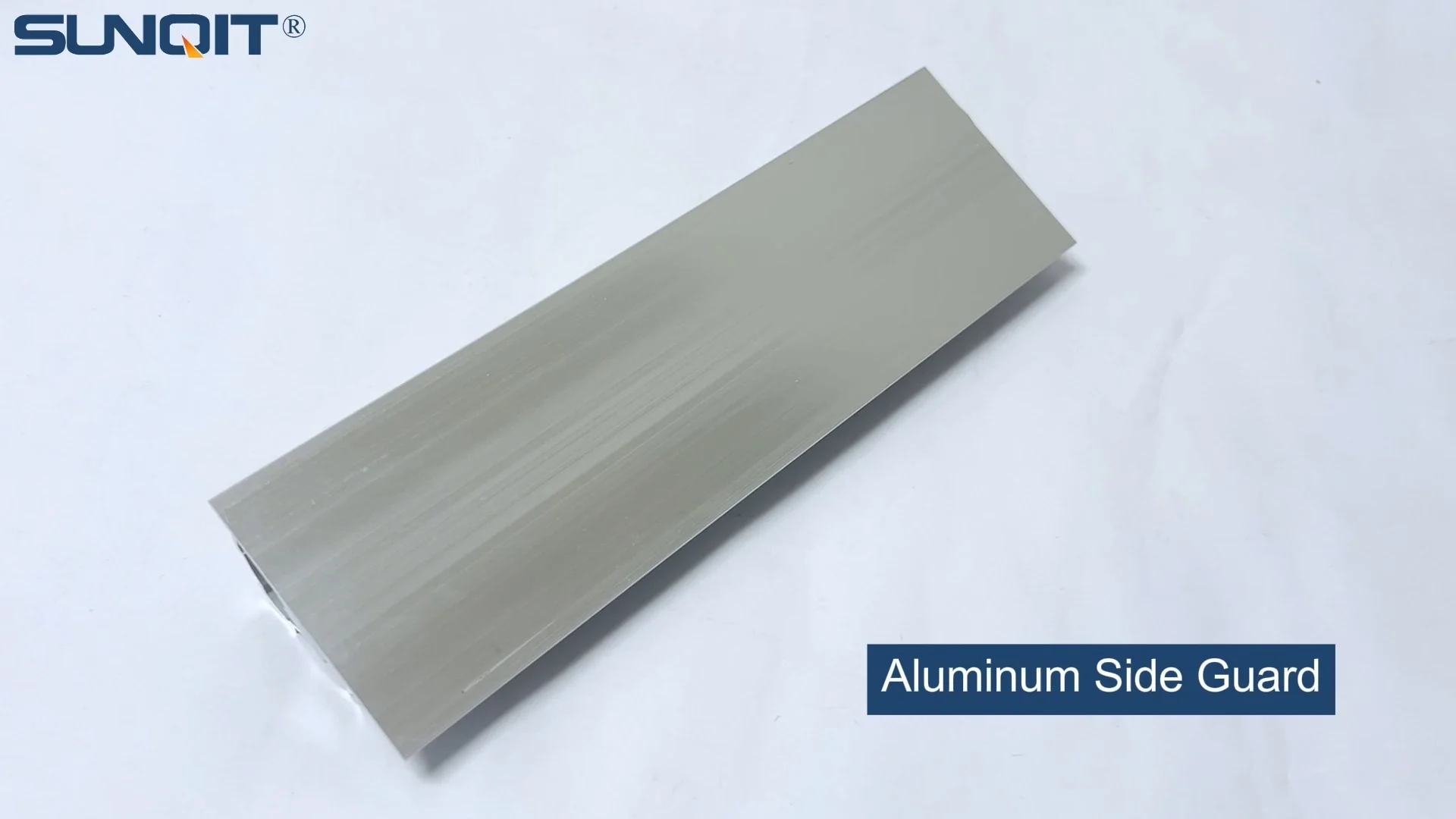
Aluminum Side Guard
Aluminum side guard, it works with a aluminum pipe or a roller track as side guard to prevent material drop,or move to wrong direction.
Walk into any modern manufacturing facility today, and you'll likely notice a shift—gone are the days of rigid, fixed production lines that take months to reconfigure. Instead, you'll find dynamic, adaptable spaces where workstations, conveyor belts, and material flow systems can be rearranged in days, or even hours. This transformation is driven by the demand for flexibility: as consumer preferences change, product lifecycles shorten, and customization becomes the norm, manufacturers need production lines that can keep up. Enter modular production line design—a approach that prioritizes reusability, scalability, and quick adjustments. And at the heart of this modular revolution? Components like aluminum side guards, which quietly but critically enable the flexibility that modern manufacturing demands.
Aluminum side guards might not be the most glamorous part of a production line, but their role is indispensable. Think of them as the "guardrails" of modular systems—guiding materials, protecting workers, and ensuring that every part of the line stays aligned, even as the line itself evolves. In this article, we'll explore how these unassuming components work, why aluminum is the material of choice, and how they integrate with other modular elements like aluminum profiles, roller tracks, and workbenches to create production lines that are as adaptable as they are efficient.
What Are Aluminum Side Guards, Anyway?
Let's start with the basics. Aluminum side guards are lightweight, durable barriers typically mounted along the edges of conveyor systems, roller tracks, workbenches, or material handling pathways. Their primary job? To keep things moving smoothly—literally. Whether it's a box sliding down a roller track, a component being assembled on a workbench, or a pallet being transported across the factory floor, side guards prevent items from slipping off track, colliding with other equipment, or creating bottlenecks. They also act as a safety buffer, reducing the risk of workers accidentally reaching into moving machinery or tripping over misplaced materials.
But what makes them "aluminum" side guards? While side guards can be made from materials like steel, plastic, or even wood, aluminum has emerged as the preferred option for modular production lines. Why? For starters, aluminum is inherently lightweight—about a third the weight of steel—making it easy to install, adjust, or relocate when the production line needs a makeover. But don't let its lightness fool you: aluminum is surprisingly strong, with a high strength-to-weight ratio that allows it to withstand the daily wear and tear of manufacturing environments. It's also corrosion-resistant, which is a big plus in facilities where moisture, chemicals, or frequent cleaning are part of the routine (think food processing or electronics manufacturing). And unlike steel, aluminum doesn't rust, so it maintains its appearance and functionality for years without needing heavy maintenance.
Another key feature of aluminum side guards is their versatility in design. Thanks to aluminum extrusion—a manufacturing process where aluminum is forced through a die to create custom cross-sectional shapes—side guards can be tailored to fit almost any modular setup. Need a guardrail that curves around a corner? Extruded aluminum can handle that. Require a guard with built-in slots for attaching tools or labels? Extrusion makes it possible. This level of customization is critical for modular systems, where no two production lines (or even two sections of the same line) are exactly alike.
Why Aluminum? Comparing Materials for Side Guards
To really appreciate why aluminum is the go-to material for side guards, let's compare it to other common options. Steel, for example, is strong—but it's heavy. Try reconfiguring a steel side guard setup, and you'll need a team of workers and maybe a forklift. Plastic is lightweight, but it lacks the durability; after a few months of heavy use, plastic guards can crack, warp, or lose their shape. Wood? It's cheap, but it's prone to splintering, absorbing moisture, and harboring bacteria—hardly ideal for clean manufacturing environments.
Aluminum, on the other hand, hits the sweet spot between strength, weight, and cost. Let's break it down with a quick comparison:
| Material | Weight (per linear foot) | Durability | Corrosion Resistance | Customization | Ideal For |
|---|---|---|---|---|---|
| Aluminum | 1.5–3 lbs | High (resists dents/scratches) | Excellent (no rust) | High (extruded shapes, T-slots) | Modular production lines, clean rooms, food processing |
| Steel | 8–12 lbs | Very High | Low (prone to rust without coating) | Low (limited to standard shapes) | Heavy-duty, fixed installations (e.g., automotive assembly lines) |
| Plastic | 0.5–1 lb | Low (prone to cracking/warping) | High (resists chemicals) | Medium (injection-molded shapes) | Light-duty, low-cost setups (e.g., warehouse shelving) |
As the table shows, aluminum's lightweight nature is a game-changer for modularity. When a production line needs to be reconfigured—say, to accommodate a new product size or a higher production volume—workers can easily detach, reposition, or extend aluminum side guards without heavy lifting equipment. This not only saves time but also reduces the risk of workplace injuries. And because aluminum is corrosion-resistant, it's suitable for a wide range of industries, from electronics (where clean, static-free environments are a must) to pharmaceuticals (where sterility is non-negotiable).

The Magic of Aluminum Extrusion Profiles in Side Guard Design
If aluminum is the "what" of side guards, then aluminum extrusion profiles are the "how." Extrusion is the process that gives aluminum side guards their superpowers of customization and adaptability. Here's how it works: raw aluminum billets are heated until they're malleable, then forced through a steel die with a specific cross-sectional shape. The result? Long, continuous lengths of aluminum with consistent, precise profiles—everything from simple L-shapes to complex designs with T-slots, grooves, or channels.
For side guards, this ability to create custom cross-sections is invaluable. Let's say a manufacturer needs side guards that can attach to both roller tracks and workbenches. An extruded profile with T-slots along one edge can easily connect to the T-slot aluminum profiles of the workbench, while a smooth, curved edge on the other side can guide materials along the roller track. Or, if the line handles delicate electronics, the extrusion can include a soft, rubberized insert to prevent scratching—all in one piece.
T-slots are perhaps the most iconic feature of aluminum extrusion profiles, and for good reason. These narrow, T-shaped grooves run along the length of the profile, allowing for quick and tool-free attachment of accessories like brackets, connectors, or even other side guards. Imagine you need to extend a side guard by a few feet to accommodate longer boxes on a roller track. With T-slots, you can simply slide a connector into the slot, bolt on the new section, and you're done—no drilling, welding, or complicated measurements required. This "click-and-play" functionality is what makes modular production lines possible, and aluminum extrusion profiles are the foundation of it all.
But extrusion isn't just about shapes—it's also about consistency. Every foot of extruded aluminum profile is identical to the last, ensuring that side guards fit together perfectly, even when sourced from different batches. This consistency reduces errors during installation and makes it easy to replace or expand components down the line. For manufacturers operating global supply chains, this is a huge advantage: a side guard profile designed in Germany will fit seamlessly with one produced in China, as long as the extrusion die is the same.

How Aluminum Side Guards Play Well with Others: Integration with Modular Components
A production line is only as modular as its parts—and aluminum side guards are team players. They don't work in isolation; instead, they integrate with a host of other components to create a cohesive, adaptable system. Let's take a closer look at how they pair with some of the most common modular elements:
Roller Tracks: Keeping Materials on Course
Roller tracks are the workhorses of material handling, using a series of rotating rollers to move items from point A to point B with minimal effort. But without side guards, roller tracks can quickly become chaotic. Imagine a box sliding down a track at an angle—it might veer off, crash into another box, or get stuck between rollers, bringing the entire line to a halt. Aluminum side guards solve this by creating a clear "lane" for materials to follow. Their smooth, low-friction surfaces guide boxes, packages, or components along the track, even at high speeds or when the track is inclined.
The beauty of aluminum side guards and roller tracks is how easily they adapt to different materials. For lightweight items like electronics components, the side guards can be low and narrow, with a gentle curve to prevent jamming. For heavier loads like automotive parts, they can be taller and reinforced, with a rigid, straight edge to withstand impacts. And because both the side guards and roller tracks are often made from extruded aluminum profiles, they can share the same T-slot system, making installation a breeze. A quick twist of a knob or a bolt through the T-slot, and the side guard is secured to the track—no custom brackets or special tools needed.
Workbenches: Creating Safe, Organized Workspaces
Workbenches are where the magic happens—where assembly, inspection, and packaging take place. But a cluttered or disorganized workbench can slow down production and increase errors. Aluminum side guards help keep workbenches tidy by acting as dividers or barriers. For example, a workbench used for assembling small parts might have side guards with built-in bins or tool holders (attached via T-slots, of course) to keep screws, washers, and widgets within arm's reach. Or, on a packaging workbench, side guards can separate finished products from raw materials, preventing mix-ups.
Safety is another key benefit here. Workbenches often have moving parts—conveyor belts, rotating tools, or automated arms. Aluminum side guards create a physical barrier between workers and these hazards, reducing the risk of accidental contact. And because they're lightweight, they can be easily repositioned if the workbench's layout changes. Need to add a new tool to the bench? Simply remove the side guard section, install the tool, and reattach the guard—done in minutes, not hours.
Aluminum Pipe Accessories: The Glue That Holds It All Together
No modular system is complete without accessories, and aluminum pipe accessories are the unsung heroes of connectivity. From brackets and hinges to end caps and corner joints, these small parts allow side guards to connect to other components in endless configurations. For example, a 90-degree corner joint can bend a side guard around a roller track that turns a corner, while a height-adjustable bracket can raise or lower the guard to match the height of a workbench. Even something as simple as an end cap can add functionality—sealing the end of a side guard to prevent sharp edges or creating a stop to halt materials at a specific point on the track.
One of the most versatile aluminum pipe accessories for side guards is the swivel connector. This small, rotating bracket allows side guards to pivot, making them ideal for lines that need to accommodate irregularly shaped items. For instance, if a production line handles both square boxes and round cylinders, a swiveling side guard can adjust its angle to cradle the cylinder, preventing it from rolling off. When the line switches back to boxes, the guard can pivot back to a straight position—all without tools.
The Benefits of Aluminum Side Guards: More Than Just Guardrails
By now, you might be thinking, "Okay, aluminum side guards are useful—but do they really make that big of a difference?" The short answer: yes. Their impact goes beyond keeping materials on track; they deliver tangible benefits that boost efficiency, safety, and bottom-line results. Let's break down the key advantages:
Flexibility: Adapt to Change in Minutes, Not Months
In manufacturing, change is constant. A new product launch, a shift in consumer demand, or a supply chain disruption can all require a production line to be reconfigured. With traditional fixed side guards (say, steel ones welded to the floor), this could take weeks—shutting down production, hiring contractors, and incurring costly downtime. Aluminum side guards eliminate this headache. Because they're lightweight, modular, and attached via T-slots or simple brackets, they can be moved, extended, or replaced in hours. Need to widen a roller track to handle larger pallets? Detach the side guards, slide them out a few inches, and reattach. Want to add a new workbench to the line? Bolt the side guards to the bench's aluminum profile, and you're ready to go. This flexibility means manufacturers can respond to changes faster, reducing time-to-market and staying ahead of competitors.
Durability: Built to Last (Even in Tough Environments)
Manufacturing is a tough business—side guards face impacts from materials, exposure to oils or chemicals, and constant vibration from machinery. Aluminum holds up surprisingly well under these conditions. Unlike plastic, it doesn't crack or warp when exposed to heat or cold. Unlike steel, it doesn't rust when splashed with water or cleaning agents. And because aluminum is naturally resistant to corrosion, it doesn't require painting or coating to maintain its integrity. This durability translates to lower maintenance costs: aluminum side guards can last 10–15 years in a typical factory setting, compared to 3–5 years for plastic or painted steel guards. Over time, this longevity more than offsets the slightly higher upfront cost of aluminum.
Safety: Protecting Workers and Products
Safety is non-negotiable in manufacturing, and aluminum side guards play a critical role here. By containing materials within the production line, they reduce the risk of items falling and injuring workers or damaging equipment. They also act as a visual cue, marking off areas where machinery is operating or materials are moving—helping workers stay aware of hazards. In facilities with automated systems, side guards can even integrate with sensors: if a worker's hand gets too close to a moving roller track, the guard can trigger a safety stop, preventing accidents before they happen.
But safety isn't just about preventing injuries—it's also about protecting products. Delicate items like glassware or electronics can be easily damaged if they slip off a production line. Aluminum side guards with soft, padded edges (another customization made possible by extrusion) provide a gentle buffer, ensuring that products arrive at the end of the line in perfect condition. This reduces waste and improves quality control, which is especially important for high-value goods.
Cost-Effectiveness: Saving Money in the Long Run
At first glance, aluminum side guards might seem more expensive than plastic alternatives. But when you factor in their longevity, flexibility, and low maintenance, they're actually the more cost-effective choice. Let's do the math: a plastic side guard might cost $20 per linear foot, but it needs to be replaced every 3 years. An aluminum guard might cost $40 per linear foot but lasts 15 years. Over 15 years, the plastic guards would cost $100 (5 replacements), while the aluminum guard would cost $40—half the price. Add in savings from reduced downtime (no need to shut down the line to replace guards) and lower labor costs (easier to install and adjust), and aluminum becomes a no-brainer for budget-conscious manufacturers.
Real-World Examples: How Aluminum Side Guards Transform Production Lines
To see aluminum side guards in action, let's look at a few real-world scenarios where they've made a measurable difference for manufacturers:
Case Study 1: Electronics Assembly Plant
A leading electronics manufacturer was struggling with bottlenecks in its smartphone assembly line. The line produced multiple phone models, each with different component sizes, and the fixed steel side guards on their conveyor belts couldn't keep up. Every time they switched models, workers had to spend 4–6 hours removing and reinstalling the guards to accommodate the new component sizes—leading to costly downtime. The solution? They replaced the steel guards with aluminum extrusion profile side guards featuring T-slots. Now, when switching models, workers simply loosen a few bolts, slide the guards to the new position, and retighten—taking less than 30 minutes. The result: a 90% reduction in changeover time and a 15% increase in overall production capacity.
Case Study 2: Food and Beverage Distribution Center
A food distribution center handling perishable goods needed to speed up its order fulfillment process. Their roller tracks, which moved boxes of food from storage to shipping, were prone to jams—boxes would slide off the tracks, causing delays and food waste. They installed aluminum side guards with a curved, low-friction profile to guide the boxes. The guards also featured T-slots where they attached small, adjustable dividers, allowing the same track to handle different box sizes (from small snack packages to large cereal boxes). Within months, jams decreased by 80%, and order fulfillment times dropped by 25%—all while reducing food waste by 10 tons per year.
Case Study 3: Automotive Parts Supplier
An automotive parts supplier was expanding its product line to include electric vehicle (EV) components, which are bulkier and heavier than traditional parts. Their existing plastic side guards on the roller tracks couldn't withstand the weight of the EV parts, often cracking or bending under pressure. They switched to reinforced aluminum side guards with extruded ribs for added strength. The new guards not only handled the heavier loads but also integrated with their existing aluminum profile workbenches, creating a seamless flow from production to packaging. As a result, the supplier was able to ramp up EV part production without investing in entirely new equipment—saving over $500,000 in capital costs.
Looking Ahead: The Future of Aluminum Side Guards in Modular Manufacturing
As manufacturing continues to evolve—with trends like Industry 4.0, automation, and mass customization driving change—aluminum side guards are poised to become even more important. Here are a few ways we might see them adapt:
Smart Integration with IoT: Imagine side guards embedded with sensors that monitor material flow, detect jams in real time, or alert workers when a component is misaligned. With the rise of the Industrial Internet of Things (IIoT), aluminum side guards could become part of a connected system, providing data to optimize production and predict maintenance needs.
Lightweight, High-Strength Alloys: Aluminum manufacturers are constantly developing new alloys that are even lighter and stronger. Future side guards might use these advanced materials, making them even easier to handle while increasing their load-bearing capacity.
3D-Printed Customization: While extrusion is great for high-volume production, 3D printing could allow for on-demand, highly customized side guard components—perfect for small-batch manufacturers or unique production line setups. Imagine printing a one-of-a-kind bracket for a side guard in-house, rather than waiting for a custom extrusion die.
No matter how technology evolves, one thing is clear: the need for flexible, adaptable production lines will only grow. And aluminum side guards, with their combination of lightweight design, durability, and modular integration, will continue to be a cornerstone of that flexibility.
Conclusion: The Unsung Heroes of Modular Manufacturing
Aluminum side guards may not grab headlines, but they're the unsung heroes of modern manufacturing. They turn rigid production lines into adaptable systems, protect workers and products, and save manufacturers time and money—all while flying under the radar. By leveraging the power of aluminum extrusion profiles, T-slots, and seamless integration with other modular components like roller tracks and workbenches, these simple barriers enable the flexibility that today's fast-paced manufacturing environment demands.
So the next time you walk through a factory or distribution center, take a moment to notice the side guards along the production line. They might just look like metal rails, but they're a testament to the ingenuity of modular design—and a reminder that even the smallest components can make the biggest difference.
In the end, it's not about the side guards themselves. It's about what they represent: a manufacturing future where change is not a disruption, but an opportunity. And with aluminum side guards leading the way, that future is already here.