- Company Articles
- Products and Technology
- Application Cases
- How Aluminum Workbench B Enhances Efficiency in Medical Device Production

How Aluminum Workbench B Enhances Efficiency in Medical Device Production
Related Product
Aluminum Workbench B
Aluminum tube workbench is more flexible and durable, compared with traditional PE/ABS coated steel tube. It is easy to assemble, anti corrosion, rust protection, and recycle use after disassemble.
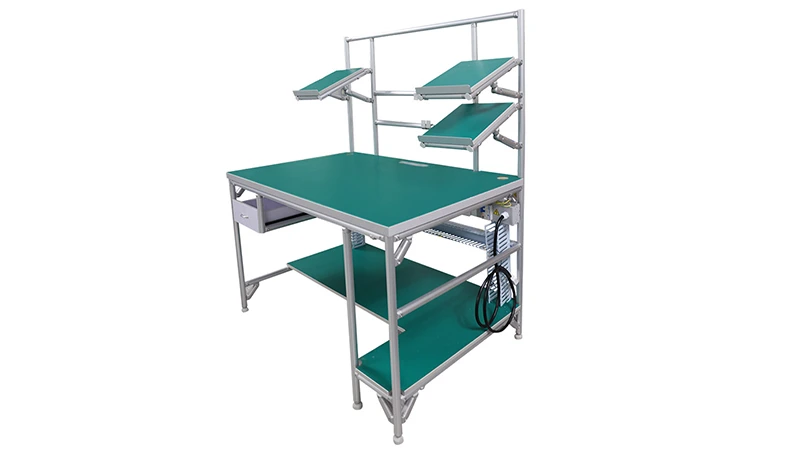
In the high-stakes world of medical device production, where precision can mean the difference between life-saving innovation and costly errors, every element of the manufacturing process matters. From the smallest component to the layout of the workspace, efficiency, reliability, and compliance are not just goals—they're imperatives. At the center of this intricate ecosystem lies the workstation: the physical hub where skilled technicians assemble, inspect, and test devices that will one day support patient health. Yet, many facilities still rely on outdated workbenches that hinder productivity, compromise safety, and struggle to keep up with evolving production needs. Enter Aluminum Workbench B—a modular, purpose-built solution designed to transform how medical device manufacturers operate. In this article, we'll explore how this innovative workstation, paired with lean system principles and complementary tools like ESD workstations and roller tracks, addresses the unique challenges of medical device production and drives meaningful efficiency gains.
The Unique Challenges of Medical Device Production
Medical device manufacturing is a discipline defined by its rigor. Unlike consumer goods, where minor defects might lead to customer dissatisfaction, errors in medical devices can have life-altering consequences. This reality imposes a set of challenges that few other industries face, each of which directly impacts workstation design and functionality:
Precision at the Microscopic Level: Many medical devices, from pacemakers to surgical tools, involve components smaller than a grain of rice. Assembling these parts requires a workspace that minimizes distractions, reduces physical strain, and provides unobstructed access to tools and materials. A cluttered or poorly organized bench can lead to fumbling, delays, or even misplaced parts—risks that simply can't be tolerated.
Stringent Regulatory Compliance: Regulatory bodies like the FDA (U.S.) and ISO (international) set strict standards for medical device production. Workstations must adhere to guidelines for cleanliness, material safety, and traceability. For example, surfaces that shed particles or harbor bacteria could contaminate sterile devices, while non-compliant materials might leach chemicals into sensitive components.
Electrostatic Discharge (ESD) Sensitivity: Modern medical devices often integrate delicate electronics—circuit boards, sensors, and microchips that are highly vulnerable to electrostatic discharge. A single static spark, invisible to the human eye, can damage these components, leading to device failure post-implantation. Workstations must therefore include ESD protection to neutralize static charges and safeguard these critical parts.
Dynamic Production Needs: The medical device industry is constantly evolving. New technologies, changing patient needs, and updates to regulatory standards mean production lines must adapt quickly. A workstation that works for assembling a blood glucose monitor today may be ill-suited for a next-generation wearable device tomorrow. Rigid, fixed workbenches become liabilities in this environment, as reconfiguring them requires time, labor, and often additional costs.
Ergonomics and Worker Well-Being: Medical device assembly is often repetitive and detail-oriented, requiring technicians to maintain focus for hours. Poorly designed workstations—too high, too low, or lacking adjustability—can lead to chronic fatigue, musculoskeletal injuries, and decreased productivity. In an industry where skilled labor is in high demand, prioritizing worker comfort isn't just compassionate; it's a strategic investment in retention and output quality.
Introducing Aluminum Workbench B: A Purpose-Built Solution
Aluminum Workbench B was engineered to address these challenges head-on. Unlike generic workbenches repurposed from other industries, this workstation is designed specifically with the nuances of medical device production in mind. At its core is a lightweight yet incredibly durable frame constructed from high-grade aluminum profiles—materials chosen for their strength, resistance to corrosion, and compatibility with modular accessories. Let's break down what makes Aluminum Workbench B stand out:
Modular Aluminum Profile Construction: The workbench's frame is built using aluminum profiles—extruded aluminum pieces with T-slot grooves that allow for easy attachment of accessories. This design eliminates the need for welding, drilling, or permanent modifications. Instead, components like tool holders, shelves, and monitor arms can be added, removed, or repositioned in minutes using simple fasteners. For medical device manufacturers, this means workstations can evolve alongside production needs without downtime.
ESD-Ready Design: Recognizing the critical role of ESD protection, Aluminum Workbench B is fully compatible with ESD workstation features. Its aluminum frame can be grounded to dissipate static charges, while optional ESD-safe worktops (made from materials like conductive laminate or anti-static rubber) prevent static buildup. This integration ensures that sensitive electronics—whether being assembled into a pacemaker or tested in a diagnostic tool—remain unharmed throughout the production process.
Seamless Integration with Lean Systems: Aluminum Workbench B aligns with lean system principles, which focus on eliminating waste, streamlining workflows, and maximizing value. Its modularity reduces "waste of motion" by allowing technicians to position tools and materials exactly where they need them, minimizing reaching and bending. Additionally, the workbench can be paired with roller tracks—another key component in lean manufacturing—to create a continuous flow of materials, reducing bottlenecks and ensuring that parts arrive at the workstation exactly when they're needed.
Cleanroom Compatibility: Aluminum is inherently non-porous and resistant to corrosion, making it ideal for cleanroom environments. Unlike wood, which can absorb moisture and harbor bacteria, or painted steel, which may chip and shed particles, aluminum profiles are easy to sanitize with common disinfectants. This ensures compliance with strict cleanliness standards and reduces the risk of device contamination.

Key Features of Aluminum Workbench B That Drive Efficiency
1. ESD Protection: Safeguarding Sensitive Electronics
For medical devices with electronic components, ESD protection isn't optional—it's a prerequisite. Aluminum Workbench B addresses this need through a multi-layered approach:
- Grounded Frame: The aluminum profile frame can be connected to a facility's grounding system, providing a path for static charges to dissipate harmlessly into the earth. This prevents the buildup of static electricity on the workstation itself.
- ESD Worktops: Optional ESD worktops, made from materials like carbon-filled laminate or conductive rubber, further neutralize static. These surfaces have a surface resistance between 10^6 and 10^9 ohms, ensuring that any static charge is dissipated slowly enough to avoid damaging components but quickly enough to prevent buildup.
- Accessory Compatibility: ESD-safe accessories, such as wrist straps, floor mats, and tool holders, can be easily attached to the T-slots of the aluminum profiles. This creates a fully integrated ESD workstation ecosystem, where every element works together to protect sensitive parts.
The result? A significant reduction in ESD-related component failures. In one case study, a medical device manufacturer producing neurostimulation implants reported a 92% decrease in electronic component defects after switching to Aluminum Workbench B with ESD features—saving thousands of dollars in wasted materials and rework.
2. Modular Aluminum Profiles: Adapting to Changing Needs
The T-slot aluminum profiles that form the backbone of Aluminum Workbench B are its most transformative feature. These profiles, available in various sizes and configurations, allow for near-limitless customization. Here's how this modularity drives efficiency:
- Tool Organization: Technicians can attach tool holders, bins, and hooks directly to the workbench's frame, keeping frequently used tools (screwdrivers, tweezers, calipers) within arm's reach. This eliminates time wasted searching for tools and reduces clutter on the work surface.
- Adjustable Height and Layout: Many Aluminum Workbench B models feature adjustable-height legs, allowing technicians to set the bench to their ideal working height—whether seated or standing. This flexibility reduces ergonomic strain and fatigue, keeping workers focused and productive throughout their shifts.
- Rapid Reconfiguration: When production needs change—for example, when switching from assembling a small catheter to a larger surgical instrument—the workbench can be reconfigured in minutes. Shelves can be moved, additional work surfaces added, or accessories swapped out without specialized tools. This agility is critical in an industry where product lifecycles are short and innovation is constant.
- Scalability: As production volumes grow, additional Aluminum Workbench B units can be linked together to form longer workstations or integrated into U-shaped cells, optimizing workflow and reducing the distance between related tasks. The standardized aluminum profiles ensure consistency across all workstations, making training and process documentation easier.
3. Integration with Roller Tracks: Streamlining Material Flow
In lean system philosophy, "waste of transportation" refers to unnecessary movement of materials—a common inefficiency in traditional production lines. Aluminum Workbench B addresses this by integrating seamlessly with roller tracks, which enable the smooth, automated flow of parts to and from the workstation.
Roller tracks, typically mounted to the side or front of the workbench, use gravity or motorized rollers to move bins, trays, or components along a predefined path. For example, a roller track might deliver a tray of sterile screws to the workstation as a technician finishes assembling the previous device, ensuring a continuous workflow. Once the technician completes an assembly, the finished subassembly can be pushed onto another roller track, which transports it to the next station (e.g., inspection or packaging).
This integration offers several benefits:
- Reduced Manual Handling: Technicians no longer need to walk to a storage area to retrieve parts or carry finished products to the next station. This saves time and reduces the risk of injury from lifting or repetitive motion.
- Just-In-Time Material Delivery: Roller tracks enable a "pull" system, where materials are delivered to the workstation only when they're needed. This minimizes inventory buildup at the bench, reducing clutter and freeing up valuable workspace.
- Error Reduction: By standardizing the flow of materials, roller tracks reduce the risk of mix-ups (e.g., using the wrong part for an assembly). Each bin or tray can be color-coded or labeled, and the track ensures that parts arrive in the correct sequence.
4. Durability and Low Maintenance: Long-Term Cost Savings
Medical device manufacturers operate on tight margins, and equipment that requires frequent repairs or replacement quickly becomes a financial burden. Aluminum Workbench B is built to last, thanks to its high-quality materials and thoughtful design:
- Corrosion Resistance: Aluminum naturally forms a protective oxide layer, making it resistant to rust and corrosion. This is especially valuable in cleanrooms, where frequent cleaning with harsh disinfectants can degrade other materials.
- Scratch and Impact Resistance: The aluminum profiles are extruded for strength, and optional anodized finishes further enhance their durability. Unlike plastic workbenches, which can crack, or wood, which can splinter, Aluminum Workbench B withstands the daily wear and tear of a busy production environment.
- Minimal Maintenance: Aluminum requires little upkeep beyond occasional cleaning. There's no need for repainting, refinishing, or replacing worn parts, reducing long-term maintenance costs. This is a stark contrast to traditional steel workbenches, which may require regular rust treatment, or wooden benches, which often need sanding and sealing to prevent deterioration.

Aluminum Workbench B vs. Traditional Workstations: A Comparative Analysis
To truly appreciate the impact of Aluminum Workbench B, it's helpful to compare it to the workstations it's designed to replace. Below is a detailed comparison of Aluminum Workbench B with traditional wooden and steel workbenches across key metrics relevant to medical device production:
| Feature | Aluminum Workbench B | Traditional Wooden Workbench | Traditional Steel Workbench |
|---|---|---|---|
| ESD Protection | Yes (compatible with ESD workstation accessories, grounded aluminum frame) | No (wood is an insulator; cannot dissipate static charges) | Limited (steel conducts electricity but requires additional grounding; paint may insulate) |
| Modularity | High (T-slot aluminum profiles allow easy attachment/removal of accessories; fully reconfigurable) | Low (fixed design; modifications require drilling/sawing, damaging the bench) | Low (often welded or bolted together; reconfiguration requires disassembly and specialized tools) |
| Cleanroom Compatibility | Excellent (non-porous aluminum; easy to sanitize with disinfectants; no particle shedding) | Poor (porous surface absorbs moisture and bacteria; may shed wood particles) | Good (non-porous steel) but heavy (hard to move for deep cleaning; painted surfaces may chip and shed particles) |
| Ergonomics | Highly adjustable (height, work surface layout, accessory placement) | Fixed height and layout (no adjustability for different technicians) | Fixed height (heavy, difficult to adjust; may require professional modification) |
| Durability | Excellent (corrosion-resistant, scratch-resistant, impact-resistant) | Medium (prone to water damage, scratches, and splintering over time) | High (strong but prone to rust if paint is damaged; heavy, increasing floor wear) |
| Long-Term Cost | Low (minimal maintenance, reconfigurable for new products, long lifespan) | High (frequent replacement due to wear; costly modifications) | Medium (high initial cost, ongoing maintenance for rust prevention) |
The table above highlights a clear pattern: Aluminum Workbench B outperforms traditional workstations in nearly every category that matters to medical device manufacturers. Its ESD protection, modularity, and cleanroom compatibility address critical industry challenges, while its durability and low maintenance ensure long-term value.
Real-World Impact: A Case Study
To illustrate the practical benefits of Aluminum Workbench B, consider the experience of a mid-sized medical device manufacturer specializing in minimally invasive surgical tools. Prior to adopting Aluminum Workbench B, the company faced several recurring issues:
- ESD-related defects in electronic components, leading to a 5% rejection rate during final testing.
- Time-consuming reconfiguration of workstations when switching between product lines (average 4 hours per line changeover).
- High turnover among assembly technicians due to ergonomic discomfort (reports of wrist pain and back strain).
- Difficulty maintaining cleanliness standards in work areas, with wooden workbenches harboring bacteria despite regular cleaning.
The company replaced 15 traditional wooden workbenches with Aluminum Workbench B units, paired with ESD worktops, roller tracks for material flow, and adjustable-height legs. Within six months, the results were striking:
- ESD Defects: Rejection rates dropped from 5% to 0.3%, saving approximately $75,000 annually in wasted components and rework.
- Changeover Time: Line reconfigurations were reduced from 4 hours to 30 minutes, allowing the company to introduce a new product line without disrupting existing production.
- Technician Retention: Reports of ergonomic discomfort decreased by 80%, and turnover among assembly technicians fell from 25% to 8% annually, reducing recruitment and training costs.
- Cleanliness Compliance: Post-implementation audits showed a 95% reduction in bacterial counts on workstation surfaces, ensuring compliance with FDA guidelines and reducing the risk of device contamination.
This case study is not an anomaly. Across the medical device industry, manufacturers are discovering that upgrading to Aluminum Workbench B is not just a hardware change—it's a strategic investment in efficiency, quality, and worker well-being.
Choosing the Right Supplier: A Critical Consideration
To fully leverage the benefits of Aluminum Workbench B, it's essential to partner with a reputable supplier. The best suppliers offer not just the workbench itself, but a complete ecosystem of compatible components—aluminum profiles, ESD accessories, roller tracks, and custom fabrication services. When evaluating suppliers, look for the following:
- Industry Expertise: A supplier with experience in medical device manufacturing will understand your unique needs, from ESD requirements to cleanroom standards, and can recommend tailored solutions.
- Quality Materials: Ensure the aluminum profiles are made from high-grade aluminum (e.g., 6063-T5, a common alloy for extrusions) and that accessories like roller tracks and ESD worktops meet relevant industry standards.
- Customization Capabilities: Every production line is different. A supplier that offers custom configurations—whether adjusting the workbench height, adding specialized accessories, or integrating with existing equipment—will help you maximize efficiency.
- Technical Support: From installation to ongoing maintenance, responsive technical support ensures that your workstations continue to perform optimally. Look for suppliers with a track record of providing timely assistance and troubleshooting.
Conclusion: Aluminum Workbench B—More Than a Workstation
In the fast-paced, high-pressure world of medical device production, Aluminum Workbench B emerges not just as a piece of equipment, but as a catalyst for transformation. By addressing critical challenges like ESD sensitivity, regulatory compliance, and dynamic production needs, it empowers manufacturers to produce safer, higher-quality devices more efficiently.
Its modular aluminum profile design ensures that workstations can evolve alongside the industry, adapting to new technologies and changing requirements without the need for costly overhauls. Its integration with lean system principles and roller tracks streamlines workflows, reducing waste and ensuring that every minute of production time adds value. And its focus on ergonomics and durability ensures that workers stay healthy, productive, and engaged—ultimately driving better outcomes for both the manufacturer and the patients who rely on their devices.
For medical device manufacturers looking to stay competitive in an increasingly demanding industry, Aluminum Workbench B is more than an upgrade—it's a necessity. It's a investment in the future of production, where efficiency, quality, and worker well-being converge to create devices that save lives and improve patient care.