- Company Articles
- Products and Technology
- Product knowledge
- How Anti-Slip Adjustable Leveling Feet Reduce Vibration in Conveyor Systems

How Anti-Slip Adjustable Leveling Feet Reduce Vibration in Conveyor Systems
Related Product
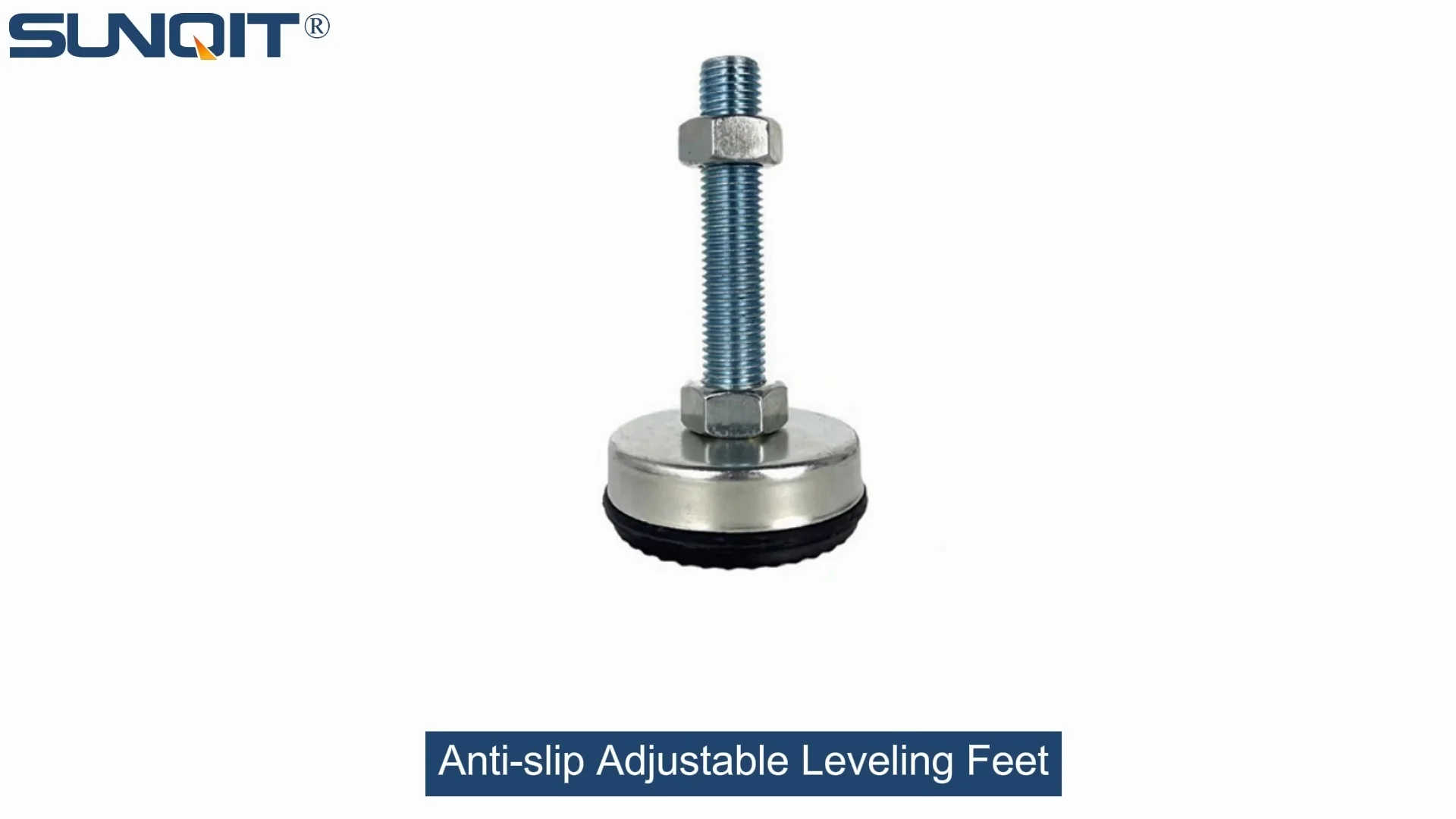
Anti-slip Adjustable Leveling Feet
Anti-slip Adjustable Leveling Feet are designed to keep machines level when placed on uneven or sloped ground, the rubber base will prevent product slip during work.
Walk through any manufacturing plant, and you'll likely hear the rhythmic hum of conveyor belts moving products—from small electronic components to heavy machinery parts. These systems are the backbone of modern production, ensuring materials flow seamlessly from one workstation to the next. But beneath that steady rhythm often lies an unseen problem: vibration. Over time, even minor vibrations can wear down equipment, damage products, and create safety hazards. Enter anti-slip adjustable leveling feet—a humble yet powerful solution that's quietly transforming how factories maintain stability and efficiency. In this article, we'll explore why vibration plagues conveyor systems, how these specialized feet work to counteract it, and the ripple effects of investing in this often-overlooked component.
The Hidden Toll of Vibration in Conveyor Systems
Vibration might seem like a harmless byproduct of machinery in motion, but its impact is far-reaching. For conveyor systems, which rely on precise alignment and smooth movement, unchecked vibration can lead to a cascade of issues. Let's break down the most common consequences:
- Equipment Wear and Tear: Vibrations shake loose bolts, strain roller track connectors, and accelerate wear on bearings and joints. A study by the Manufacturing Technology Insights found that vibration-related wear accounts for up to 30% of unplanned downtime in conveyor systems.
- Product Damage: Delicate items—think glassware, circuit boards, or pharmaceutical vials—are especially vulnerable. Even a slight (shaking) can cause cracks, misalignment, or scratches, leading to costly rejects.
- Safety Risks: Over time, vibration can destabilize the conveyor frame itself. A wobbly system increases the risk of tipping, especially when transporting heavy loads. Additionally, constant noise from vibrating metal parts can contribute to worker fatigue and hearing damage.
- Energy Waste: A vibrating conveyor has to work harder to maintain speed and accuracy. This inefficiency translates to higher energy bills and shorter lifespans for motors and drives.
So, why do conveyors vibrate in the first place? The root causes often boil down to three factors: uneven floors, dynamic load shifts, and misalignment. Factory floors, even those poured with precision, can develop minor dips or cracks over time due to heavy equipment traffic or foundation settling. When a conveyor's legs rest on these uneven surfaces, the frame tilts slightly, creating stress points that vibrate during operation. Dynamic loads—sudden starts, stops, or unevenly distributed products—exacerbate this by shifting weight unpredictably. Finally, misaligned roller tracks or worn-out casters can cause the conveyor to "wobble" as items move, sending vibrations through the entire structure.
Anti-Slip Adjustable Leveling Feet: A Simple Fix with Big Results
At first glance, anti-slip adjustable leveling feet might seem unremarkable—small, often made of metal or rubber, and mounted at the base of conveyor legs. But their design is engineered to address the very causes of vibration we've discussed. Here's how they work:
1. Precision Leveling for Uneven Floors
The "adjustable" in their name is key. Most leveling feet feature a threaded stem that screws into the conveyor leg, allowing operators to raise or lower each foot individually. This means even if the floor has a half-inch dip in one corner, the foot can be extended to compensate, ensuring the entire conveyor frame sits perfectly level. A level frame distributes weight evenly across all legs, eliminating the stress points that cause vibration.
2. Anti-Slip Grip to Prevent Movement
The "anti-slip" component is equally critical. The base of each foot is typically coated with rubber, silicone, or a textured material that grips the floor. This prevents the conveyor from shifting during operation, even when handling heavy loads or sudden starts/stops. Without this grip, the conveyor might "walk" slightly with each vibration, worsening misalignment over time.
3. Shock Absorption
Many anti-slip leveling feet also act as mini shock absorbers. Rubber or elastomer bases compress slightly under vibration, absorbing kinetic energy instead of transferring it up the frame. This dampening effect reduces the strain on roller tracks, joints, and other components, extending their lifespan.

Beyond Stability: The Ripple Effects of Reduced Vibration
Installing anti-slip adjustable leveling feet isn't just about stopping shakes—it's about unlocking a range of operational benefits. Let's explore how these small components drive big improvements:
| Benefit | Impact | Real-World Example |
|---|---|---|
| Extended Equipment Life | Reduced wear on roller track, bearings, and connectors | A automotive parts plant reported 40% fewer roller track replacements after installing leveling feet |
| Higher Product Quality | Fewer damaged items and rejects | A beverage bottler cut glass bottle breakage by 65% on their conveyor lines |
| Lower Maintenance Costs | Fewer repairs and less downtime | A electronics manufacturer saved $22,000 annually in maintenance after leveling their conveyors |
| Quieter Work Environment | Reduced noise from vibrating metal parts | OSHA noise level readings dropped from 85 dB to 72 dB in a packaging facility |

Choosing the Right Anti-Slip Adjustable Leveling Feet for Your Conveyor
Not all leveling feet are created equal. To maximize vibration reduction, you'll need to match the foot to your conveyor's specific needs. Here are the key factors to consider:
Load Capacity
Start by calculating the total weight your conveyor supports, including the frame, roller track, and typical product load. Leveling feet are rated by maximum load per unit—for example, a heavy-duty model might handle 2,000 lbs per foot, while a lighter version tops out at 500 lbs. Overloading a foot will compress its base, reducing grip and adjustability.
Floor Conditions
Is your factory floor smooth concrete, or does it have cracks and uneven patches? For rough surfaces, opt for feet with larger, more flexible anti-slip bases—they'll conform better to irregularities. In wet or oily environments (like food processing plants), choose feet with chemical-resistant rubber to maintain grip.
Adjustment Range
Measure the maximum height difference across your conveyor's footprint. If the floor slopes by 1 inch, you'll need feet with at least 1.5 inches of adjustment range to compensate (it's always smart to leave a buffer). Some advanced models offer micro-adjustment dials for precision leveling.
Material Compatibility
Stainless steel feet are ideal for corrosive environments (think pharmaceutical or marine applications), while zinc-plated steel works well for general industrial use. For lightweight conveyors or workbenches, aluminum-based feet offer a balance of strength and portability.

Installation and Maintenance: Getting the Most from Your Leveling Feet
Even the best leveling feet won't perform if installed incorrectly. Follow these steps to ensure optimal results:
- Assess the Floor: Use a laser level or straightedge to map out high and low spots under the conveyor. Mark these areas—they'll guide which feet need more adjustment.
- Remove Old Feet (If Replacing): If upgrading from fixed feet, clean the conveyor leg threads to remove rust or debris. This ensures the new leveling feet screw in smoothly.
- Install and Adjust: Screw each foot into the leg, leaving a ½-inch gap between the foot and the floor initially. Then, starting from the lowest floor point, adjust each foot upward until the conveyor is level (use a bubble level on the frame to check). Tighten the locking nut on each foot to prevent loosening.
- Test for Stability: Apply gentle pressure to different parts of the conveyor to check for wobbling. If movement occurs, re-adjust the feet in that area.
Pro Maintenance Tip: Inspect leveling feet monthly. Clean the anti-slip base to remove dirt or oil (a quick wipe with a damp cloth works), and check for cracks in the rubber. Retighten locking nuts if they've loosened—vibration can sometimes cause them to shift over time.
Case Study: How a Electronics Plant Solved Chronic Vibration Issues
Let's look at a real-world example of how anti-slip adjustable leveling feet transformed a struggling conveyor system. A mid-sized electronics manufacturer in the Midwest was facing a frustrating problem: their PCB (printed circuit board) conveyor was rejecting 15% of boards due to micro-cracks caused by vibration. The roller track was visibly shaking during operation, and maintenance crews were spending 10+ hours weekly tightening loose connectors.
After an assessment, the plant's engineering team identified two issues: the factory floor had settled unevenly over time, creating a ¾-inch slope under the conveyor, and the original fixed plastic feet offered no grip, causing the frame to shift during starts. They replaced the old feet with heavy-duty anti-slip adjustable leveling feet (rubber base, 2,000 lbs load capacity, 2-inch adjustment range).
The results were striking: within two weeks, PCB rejects dropped to 2%, and maintenance time for the conveyor fell by 75%. "We didn't realize how much the slope was affecting everything," said the plant manager. "The leveling feet made the conveyor feel rock-solid. Even the operators commented on how much quieter it was." Six months later, the plant expanded the upgrade to their workbenches and turnover trolleys, citing similar improvements in stability.
Beyond Conveyors: Leveling Feet in Workbenches and Material Handling
While conveyors are a primary application, anti-slip adjustable leveling feet shine in other areas of the factory too. Workbenches, for example, benefit from stable, level surfaces—no one wants their tools sliding around or precision measurements thrown off by a wobbly table. Similarly, turnover trolleys and racks, which often carry heavy loads, rely on leveling feet to prevent tipping during transport.
In fact, many manufacturers now standardize on leveling feet across their facilities. A single supplier might offer feet compatible with conveyors, workbenches, and trolleys, simplifying procurement and maintenance. This consistency ensures that every piece of equipment contributes to a stable, vibration-minimized workspace.
Conclusion: Small Investment, Big Returns in Stability
Anti-slip adjustable leveling feet might not be the most glamorous part of a conveyor system, but their impact is undeniable. By addressing the root causes of vibration—uneven floors, dynamic loads, and misalignment—they protect equipment, reduce waste, and create safer, quieter work environments. Whether you're running a small assembly line or a large-scale distribution center, these unassuming components offer a high ROI: lower maintenance costs, fewer product rejects, and extended equipment life.
So the next time you walk past a humming conveyor, take a moment to look down. Chances are, the stability keeping that system running smoothly starts with a simple, hardworking leveling foot. It's proof that in manufacturing, sometimes the smallest solutions make the biggest difference.