- Company Articles
- Products and Technology
- Product knowledge
- How Bearing Quality Impacts 60 Steel Roller Track Small Wheel Performance

How Bearing Quality Impacts 60 Steel Roller Track Small Wheel Performance
Related Product
60 Steel Roller Track Small Wheel
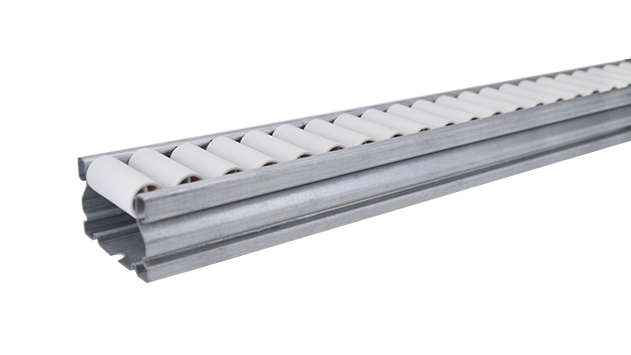
Modular system roller tracks aluminum gravity roller tracks are an excellent solution for transporting materials within industrial environments, warehouses and distribution centres.
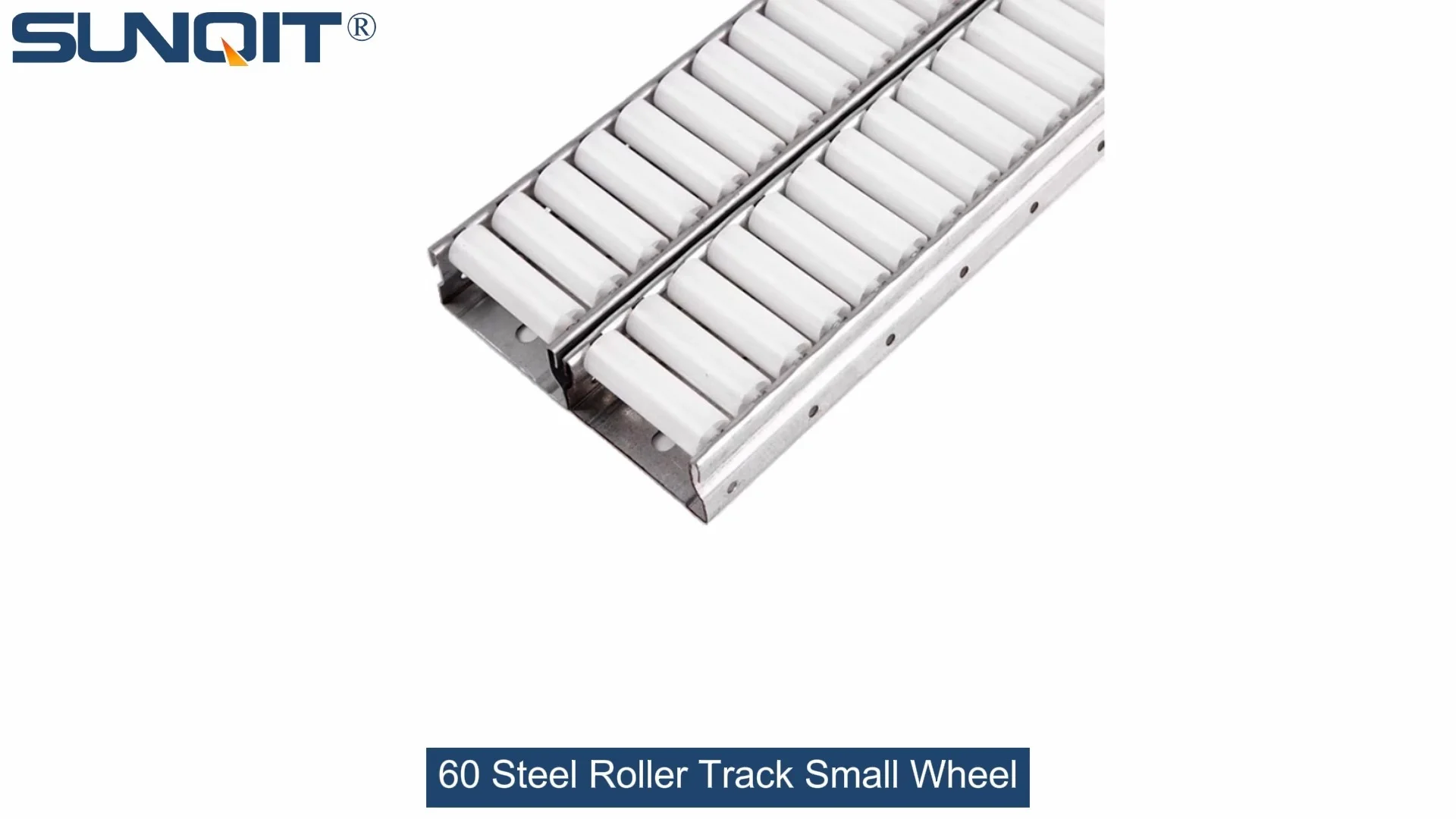
When it comes to setting up efficient material handling systems in manufacturing or logistics, every small component matters. Roller tracks are workhorses in these environments, helping move parts and products smoothly from one station to another—whether it's on a conveyor line or a lean system workstation. One of the unsung heroes of these roller tracks is the small wheel, especially the 60 steel roller track small wheel. But what many people don't realize is that the performance of these wheels hinges largely on the quality of the bearings inside them. Let's dive into why bearing quality is so critical and how it affects the overall functionality of your roller track systems.
What Are 60 Steel Roller Track Small Wheels?
60 steel roller track small wheels are compact, robust components designed to fit into roller tracks used across various industries. Made from durable steel, these wheels are part of the infrastructure that supports lean manufacturing practices—think conveyor belts, flow racks, and material handling setups where smooth, consistent movement is key. They're small in size but big in impact, as they directly influence how easily goods glide along the track, how much weight the system can handle, and how long the setup lasts before needing repairs.
The Role of Bearings in 60 Steel Roller Track Small Wheels
Bearings are the hidden components inside each small wheel that make rotation possible. Their job is simple but vital: reduce friction between the wheel and its axle, allowing the wheel to spin freely with minimal resistance. Without bearings, the wheel would rub directly against the axle, causing rapid wear, excessive heat, and a system that's slow or impossible to move. In 60 steel roller track small wheels, bearings are specifically engineered to handle the demands of industrial use—constant movement, heavy loads, and exposure to dust or debris.
How Bearing Quality Affects Performance
Not all bearings are created equal. The quality of the bearings in your 60 steel roller track small wheels can make a world of difference in how your entire system operates. Let's break down the key areas where bearing quality has an impact:
1. Durability and Longevity
High-quality bearings are made with premium materials like stainless steel or hardened alloys, and they undergo precise manufacturing processes to ensure uniform parts. This means they can withstand constant use and resist wear and tear over time. On the flip side, low-quality bearings might use cheaper metals or have inconsistencies in their design, leading to premature failure. A production line where wheels keep breaking down not only stops work but also adds to replacement costs and downtime. A good bearing can last years, while a poor one might need replacing in months.
2. Smooth Operation
The primary purpose of a bearing is to enable smooth rotation. High-quality bearings have tight tolerances, meaning the parts fit together perfectly, reducing friction. This translates to wheels that spin effortlessly, allowing products to move along the track without jolts or stops. Low-quality bearings, however, might have rough surfaces or misaligned parts, causing the wheels to stick or move unevenly. This can lead to products getting stuck, damaged, or even falling off the track—something no manufacturer wants to deal with.
3. Load Capacity
Industrial roller tracks often carry heavy loads, from small components to large assemblies. The bearing's ability to support these loads is directly tied to its quality. High-quality bearings are designed to distribute weight evenly across their surfaces, preventing deformation or breakage under pressure. They can handle higher loads without compromising performance. Low-quality bearings, on the other hand, might buckle under heavy weights, leading to wheel failure and potential safety hazards. For example, if your roller track is used to move heavy 3C assembly parts, a bearing that can't handle the load could cause a collapse, damaging both the products and the equipment.
4. Noise Levels
A quiet workplace is a productive workplace. High-quality bearings operate with minimal noise because they have smooth surfaces and proper lubrication. This is especially important in environments where workers are around the equipment all day—excessive noise can lead to fatigue and reduced focus. Low-quality bearings, however, tend to be noisy, producing grinding or squeaking sounds as they rotate. This not only disrupts the work environment but also signals that the bearings are wearing out and need replacement soon.
5. Maintenance Costs
Investing in high-quality bearings might seem more expensive upfront, but it pays off in the long run. These bearings require less maintenance—they don't need frequent lubrication or replacement, saving you time and money. Low-quality bearings, on the contrary, need constant attention. You'll find yourself spending more on replacements, lubricants, and labor to fix issues. Over time, the cost of maintaining a system with poor bearings can far exceed the initial savings of buying cheaper parts.
Comparing Bearing Quality: A Quick Overview
| Factor | High-Quality Bearings | Low-Quality Bearings |
|---|---|---|
| Durability | Long-lasting (years) | Short lifespan (months) |
| Smoothness | Effortless rotation | Sticky or uneven movement |
| Load Capacity | Handles heavy loads well | Prone to failure under weight |
| Noise | Quiet operation | Loud grinding/squeaking |
| Maintenance | Low cost and effort | High ongoing expenses |

Choosing High-Quality Bearings for Your Roller Tracks
So, how do you ensure you're getting the best bearings for your 60 steel roller track small wheels? Start by working with a reputable supplier that specializes in lean system components. Look for suppliers who offer bearings made from high-grade materials like stainless steel, and who can provide details about their manufacturing processes. It's also important to consider the specific needs of your application—for example, if your roller track is used in a dusty environment, choose bearings with seals to keep out debris. Additionally, opt for bearings that come with warranties, as this is a sign the supplier stands behind their product quality.
Many companies that offer roller track and accessories also provide guidance on selecting the right bearings for your setup. Whether you're setting up a new conveyor line or upgrading an existing one, investing in high-quality bearings will help your system run more efficiently, last longer, and reduce overall costs.
Conclusion
The performance of 60 steel roller track small wheels is deeply connected to the quality of their bearings. From durability and smooth operation to load capacity and noise levels, every aspect of these wheels depends on having reliable bearings inside. By choosing high-quality bearings, you're not just investing in a component—you're investing in the efficiency and longevity of your entire material handling system. So next time you're looking at roller track components, don't overlook the importance of bearings—they're the small parts that make a big difference in keeping your operations running smoothly.