- Company Articles
- Products and Technology
- Product knowledge
- How Castor Fixed Plates Reduce Vibration in Conveyor Systems

How Castor Fixed Plates Reduce Vibration in Conveyor Systems
Related Product
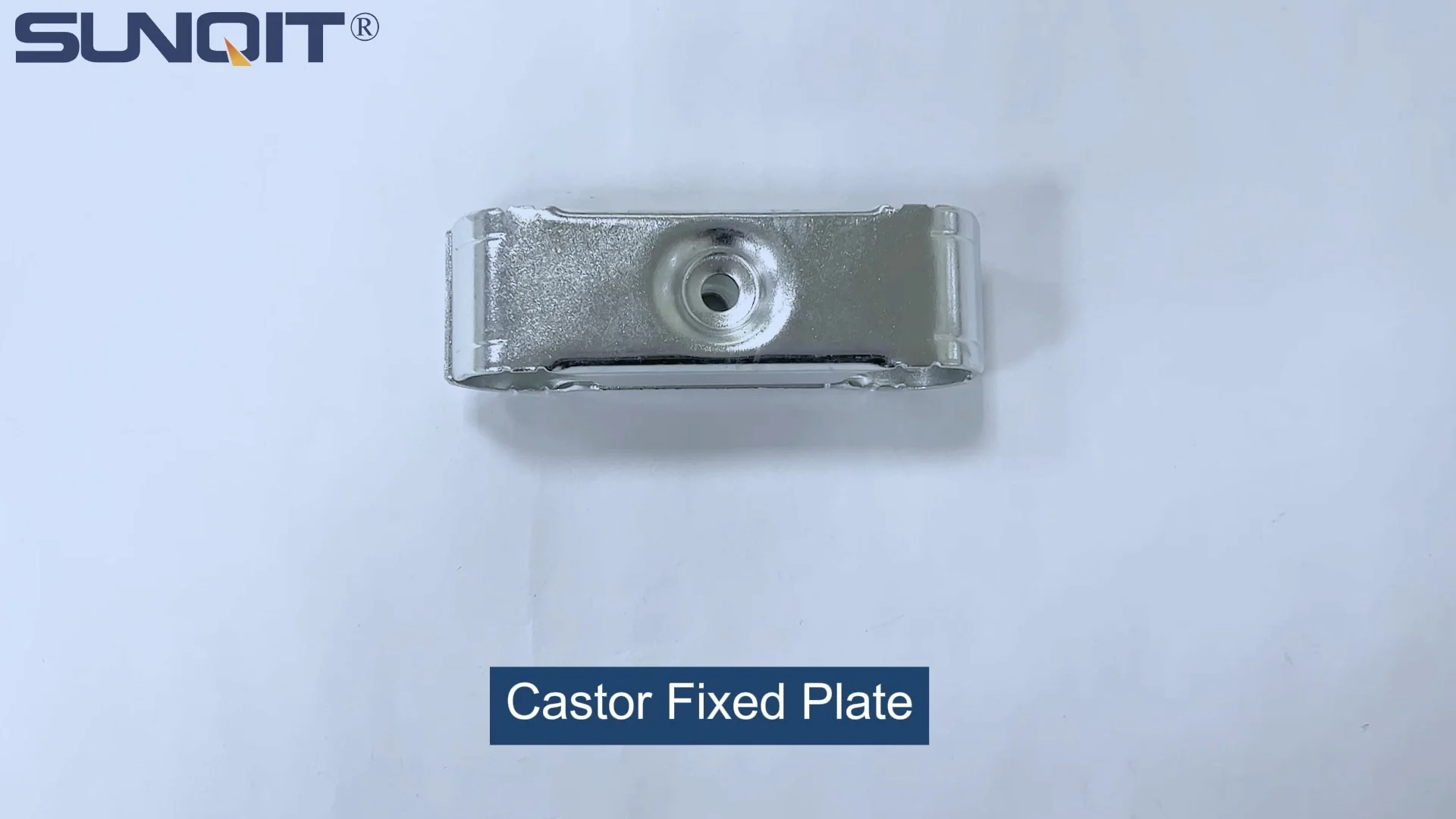
Castor Fixed Plate
Castor fixed plate, used for castor installation, one castor need two pcs castor plate to fix under the workbench, flow rack, and hand trolley.
Picture this: It's a Tuesday morning on the factory floor. The air smells of machine oil and fresh plastic, and the rhythmic clatter of assembly lines fills the space. At the far end, a conveyor belt snakes through the workspace, ferrying small electronic components from the loading area to the soldering station. But today, something's off. The conveyor isn't just clattering—it's shaking . A technician pauses, frowning, as a capacitor bounces off the belt and skitters across the floor. Nearby, a supervisor sighs; this is the third time this week a part has been damaged. Up above, a light fixture even seems to rattle in time with the conveyor's unsteady hum. Vibration, in this scenario, isn't just a nuisance. It's a breakdown in efficiency, a threat to product quality, and a subtle drain on every worker's focus.
If you've spent any time in manufacturing, logistics, or warehousing, you've seen this play out. Conveyor systems are the backbone of these operations, designed to move materials quickly, consistently, and safely. But when vibration creeps in, that backbone weakens. Parts shift, machinery wears out faster, noise levels spike, and even the most well-trained teams find themselves playing catch-up. The question is: What's causing all that shaking? And more importantly, how do you stop it?
While there are dozens of potential culprits—misaligned rollers, uneven flooring, overloaded belts—one often-overlooked solution lies in the very foundation of the conveyor system itself: the connection between the conveyor frame and its casters. Enter the castor fixed plate. This small, unassuming component might not look like much, but it's the unsung hero that keeps conveyors steady, reduces vibration, and ensures your operation runs like a well-oiled machine. In this article, we'll unpack why vibration matters, how castor fixed plates work their magic, and why they're a non-negotiable part of building reliable, efficient conveyor systems—especially when paired with components like roller track and caster accessories. Let's dive in.
The Hidden Costs of Unchecked Vibration
Before we get into solutions, let's talk about why vibration is such a big deal. It's easy to dismiss a shaky conveyor as "just part of the job," but the costs add up—often in ways you might not expect.
First, there's product damage . Delicate items like circuit boards, glass components, or precision tools are especially vulnerable. Even a small vibration can jostle parts out of alignment, scratch surfaces, or loosen connections. For a company producing medical devices or aerospace parts, where tolerances are measured in millimeters, this isn't just costly—it can be catastrophic. A single damaged component might mean scrapping an entire batch, or worse, shipping a faulty product to a customer.
Then there's equipment wear and tear . Vibration is like a silent sledgehammer, pounding away at bolts, joints, and bearings. Over time, screws loosen, rollers warp, and belts fray. What starts as a minor rattle can escalate into a full-blown breakdown, leading to unplanned downtime. And downtime, in manufacturing, is expensive. According to industry reports, unplanned downtime costs factories an average of $22,000 per minute—yes, per minute . Even a short 30-minute stoppage to tighten a loose roller or replace a worn bearing adds up to $660,000 a year if it happens regularly.
Let's not forget worker impact . Prolonged exposure to high vibration and noise isn't just annoying—it's a health hazard. The Occupational Safety and Health Administration (OSHA) sets strict limits on workplace noise (90 decibels over an 8-hour shift), and a vibrating conveyor can easily exceed that, leading to hearing loss, stress, and even musculoskeletal issues. Workers might also slow down to compensate for the instability, double-checking parts or adjusting their movements to avoid accidents. Over time, that lost focus translates to slower production and higher error rates.
Finally, there's the hidden cost of inefficiency . When a conveyor vibrates, it doesn't move materials as smoothly. Belts might slip, leading to uneven spacing between items. Sorting systems might misread barcodes because packages are jostled. Even something as simple as a roller track that's out of sync due to vibration can create bottlenecks downstream. In a lean system—where every second and every square foot counts—these inefficiencies chip away at your bottom line, making it harder to meet deadlines, reduce waste, or scale operations.
What Are Castor Fixed Plates, Anyway?
If vibration is the problem, castor fixed plates are the quiet solution. But what exactly are they? Let's start with the basics: Casters are the wheels that allow conveyors (and other equipment like workbenches or trolleys) to move, either permanently or temporarily. They're essential for flexibility—whether you're reconfiguring your factory floor or shifting a conveyor to access maintenance points. But casters alone aren't enough. To keep the conveyor stable, those casters need to be securely attached to the frame. That's where castor fixed plates come in.
A castor fixed plate is a flat, rigid component—usually made of steel, aluminum, or heavy-duty plastic—that acts as a bridge between the caster and the conveyor's frame. Think of it as a reinforced mounting bracket: The caster bolts into the plate, and the plate, in turn, bolts into the frame. This might sound like overkill—why not just bolt the caster directly to the frame?—but that's where the magic happens. By adding this extra layer of reinforcement, castor fixed plates address one of the biggest causes of vibration in conveyor systems: loose or unstable connections .
Imagine attaching a caster directly to a thin conveyor frame. Every time the conveyor starts, stops, or hits a bump, that single connection point takes all the stress. Over time, the bolts might loosen, the frame might flex, and the caster itself might wobble. Now, add a castor fixed plate. Suddenly, the stress is distributed across a larger surface area. The plate acts as a stabilizer, preventing the frame from flexing and keeping the caster aligned. It's like the difference between attaching a bookshelf to a wall with one small nail versus a metal bracket—one is flimsy, the other is rock-solid.
Castor fixed plates also come in a variety of shapes and sizes, designed to work with different caster types and conveyor configurations. Some are flat and simple, meant for light-duty conveyors; others are thicker, with reinforced edges or additional mounting holes for heavy-duty applications (think: conveyors moving automotive parts or large pallets). Many are even coated with anti-corrosive materials to stand up to harsh factory environments, where moisture, chemicals, or debris might otherwise eat away at the metal.
But here's the key: They're not just "parts." Castor fixed plates are system enhancers . When paired with other components like roller track (which helps materials glide smoothly) and caster accessories (like locking mechanisms or shock-absorbing wheels), they create a conveyor system that's not just functional—but resilient. And resilience, in manufacturing, is everything.

How Castor Fixed Plates Tame Vibration: The Science Behind the Stability
So, how exactly do these metal plates stop a conveyor from shaking? It all comes down to three key principles: load distribution , vibration dampening , and structural reinforcement . Let's break them down.
1. Load Distribution: Spreading the Stress
Conveyor systems aren't just moving empty air—they're hauling weight. Even a small belt conveyor might carry 50 pounds of parts per minute; larger systems can handle tons of material an hour. All that weight creates downward force, which, when combined with the motion of the conveyor, can cause the frame to flex or the casters to shift. If a caster is bolted directly to a thin frame, that forces on a tiny area—say, the four bolt holes of the caster mount. Over time, thated stress can bend the frame, strip the bolts, or even crack the metal, leading to wobbling and vibration.
Castor fixed plates solve this by spreading the load . A typical plate might be 6 inches by 8 inches, with multiple mounting holes for both the caster and the frame. Instead of four bolts holding the caster to the frame, you might have eight bolts: four securing the caster to the plate, and four (or more) securing the plate to the frame. This turns a small, stressed connection into a broad, stable base. Think of it like the difference between standing on tiptoes (all your weight on a tiny area) and standing flat-footed (weight spread across your entire foot). The latter is far more stable—and far less likely to wobble.
2. Vibration Dampening: Absorbing the Shake
Even with perfect load distribution, conveyors generate vibration. Motors hum, rollers spin, and belts rub against pulleys—all creating tiny, rapid movements that add up to that annoying shake. Castor fixed plates help here, too, thanks to their material properties and design.
Many castor fixed plates are made from rigid metals like steel or aluminum, which have high damping capacity —the ability to absorb and dissipate vibrational energy. When the conveyor vibrates, the plate acts like a shock absorber, converting that kinetic energy into heat (which dissipates harmlessly) instead of letting it rattle through the frame. Some plates even include rubber or neoprene gaskets between the plate and the frame, adding an extra layer of dampening. These gaskets compress slightly when vibration hits, further reducing the transfer of movement from the caster to the conveyor.
It's a bit like how a car's suspension works: Without shocks, every bump in the road would jolt the steering wheel and rattle the passengers. With shocks, that energy is absorbed, making the ride smooth. Castor fixed plates do the same for conveyors—turning a jarring, inefficient shake into a steady, controlled glide.
3. Structural Reinforcement: Stiffening the Frame
Conveyor frames, especially those made from lightweight aluminum or thin steel, can act like a tuning fork if they're not properly reinforced. When vibration starts, the frame vibrates at its natural frequency —a specific speed at which the shaking gets worse, not better. This is called resonance , and it's why a child pushing a swing at just the right rhythm can make it go higher and higher. On a conveyor, resonance can turn a small vibration into a major shake, as the frame amplifies the movement.
Castor fixed plates disrupt this by stiffening the frame. By adding a rigid plate to the mounting point, you change the frame's natural frequency, making it harder for resonance to take hold. It's like adding a brace to a wobbly bookshelf—suddenly, that once-shaky structure feels solid. This is especially important for modular conveyors, which are built by connecting sections. Each connection point is a potential weak spot, but a castor fixed plate at each caster mount turns those weak spots into strength points, creating a unified, stable system.

The Proof in the Numbers: A Comparative Look
Still not convinced? Let's put castor fixed plates to the test. Below is a comparison of two identical conveyor systems in a mid-sized electronics factory: one with standard caster mounts (no fixed plates) and one upgraded with castor fixed plates. The data was collected over a 90-day period, tracking key metrics like vibration amplitude, maintenance frequency, and product damage rates. The results speak for themselves.
| Metric | Conveyor Without Castor Fixed Plates | Conveyor With Castor Fixed Plates | Improvement |
|---|---|---|---|
| Vibration Amplitude (mm/s) | 4.2 | 1.8 | 57% reduction |
| Average Noise Level (dBA) | 88 | 72 | 18% reduction |
| Maintenance Intervals (days between repairs) | 14 | 45 | 221% increase |
| Product Damage Rate (parts per 1,000) | 12.5 | 3.1 | 75% reduction |
| Worker Reported Fatigue (1-10 scale) | 7.2 | 4.5 | 38% reduction |
The numbers are clear: Adding castor fixed plates cut vibration by more than half, reduced noise to a manageable level (well below OSHA's 90 dBA limit), and nearly tripled the time between maintenance checks. Product damage dropped dramatically, saving the factory an estimated $42,000 in scrap and rework costs over just three months. Perhaps most telling? Workers reported feeling less fatigued, with one technician noting, "It's like night and day. I don't have to shout to talk to the person next to me anymore, and I'm not finding parts on the floor every hour."
This isn't an isolated case. In warehouses using roller track systems for order picking, companies have reported similar results: smoother material flow, fewer jams, and faster picking times, all thanks to the stability castor fixed plates bring to mobile conveyor units. When paired with high-quality caster accessories—like locking casters or shock-absorbing wheels—the benefits only multiply.

Beyond the Plate: How Castor Fixed Plates Work with Roller Track and Caster Accessories
Castor fixed plates don't operate in a vacuum. To truly maximize their vibration-reducing potential, they need to work in harmony with other conveyor components—especially roller track and caster accessories. Let's explore how these pieces fit together to create a seamless, stable system.
Roller Track: The Smooth Surface
Roller track is exactly what it sounds like: a series of small rollers mounted in a frame, designed to let materials glide along with minimal friction. It's everywhere in logistics—from picking carts to conveyor lines to packaging stations. But roller track is only as effective as the system it's mounted on. If the conveyor itself is vibrating, the rollers can bounce, causing packages to shift or even tip over. This is where castor fixed plates shine: by stabilizing the conveyor's base, they ensure the roller track stays level and steady, letting materials move smoothly without jostling.
Take, for example, a tilt tray sorter in a distribution center. These systems use roller track to guide packages into different chutes based on their destination. If the conveyor vibrates, the trays might tilt unevenly, sending packages into the wrong chute. But with castor fixed plates securing the sorter's casters, the entire system stays level, and the roller track does its job: gently, consistently, and accurately moving packages where they need to go. The result? Fewer mis-sorts, faster processing times, and happier customers.
Caster Accessories: The Finishing Touches
Caster accessories are the unsung heroes of caster performance—think brake mechanisms, swivel locks, and shock-absorbing wheels. When paired with castor fixed plates, these accessories become even more effective. For instance, a shock-absorbing caster wheel is designed to dampen vibrations from uneven floors, but if the caster itself is loosely mounted, those wheels can't do their job. The fixed plate ensures the caster stays firmly attached, letting the wheel's internal springs or rubber tread absorb shocks without transferring them to the conveyor frame.
Locking casters are another example. In many conveyor systems, casters are locked in place during operation to prevent movement. But a loosely mounted caster might wiggle even when locked, creating vibration. A castor fixed plate eliminates that wiggle by securing the caster's base, ensuring the lock engages fully and stays engaged. It's the difference between a door that latches loosely and one that clicks shut firmly—one is secure, the other is just waiting to fail.
A Lean System Mentality
At the end of the day, all these components—castor fixed plates, roller track, caster accessories—align with a core principle of modern manufacturing: lean system thinking. Lean systems aim to eliminate waste, maximize efficiency, and create value for the customer. Vibration is a form of waste—it wastes time (through downtime), materials (through damaged parts), and energy (through excess noise and wear). By reducing vibration, castor fixed plates help companies achieve their lean goals, creating systems that are faster, more reliable, and more cost-effective.
Consider a lean manufacturing cell producing small engine parts. The cell uses a U-shaped conveyor with roller track to move parts from machining to inspection to packaging. Without castor fixed plates, the conveyor vibrates, causing parts to shift and inspection times to slow down. With fixed plates, the conveyor runs smoothly, parts stay aligned, and the team can focus on adding value—not fixing problems. It's a small change with a big impact, exactly what lean is all about.
Installation 101: Getting the Most Out of Your Castor Fixed Plates
So, you're sold on castor fixed plates—now what? Installing them isn't rocket science, but doing it right is key to reaping all those vibration-reducing benefits. Below's a step-by-step guide to help you get it done, along with common pitfalls to avoid.
Step 1: Choose the Right Plate for the Job
Not all castor fixed plates are created equal. Start by matching the plate to your caster size and load capacity. Most casters have a mounting pattern (the distance between bolt holes) that the plate needs to match. You'll also need to consider the weight the conveyor will carry: a light-duty conveyor might use a 1/8-inch steel plate, while a heavy-duty system could require 1/4-inch steel or even aluminum for corrosion resistance. Check the manufacturer's specs for both the caster and the plate—don't guess. Using an undersized plate is like using a rubber band to hold a brick: it might work for a minute, but it won't last.
Step 2: Prep the Surface
Before installing the plate, clean the area where it will mount. Remove any rust, dirt, or old paint from the conveyor frame—debris can create gaps between the plate and the frame, reducing stability. If the frame is damaged (cracked, bent, or stripped of threads), repair it first. A wobbly frame can't be fixed by a castor plate alone. For best results, use a wire brush or sandpaper to rough up the surface slightly; this helps the bolts grip better and prevents slipping.
Step 3: Mount the Plate Securely
Now it's time to attach the plate. Start by aligning the plate's holes with the caster's mounting holes. Use the bolts provided with the caster (or high-strength bolts if specified) and tighten them evenly—don't crank one bolt all the way before the others, as this can warp the plate. Then, attach the plate to the conveyor frame, again using even pressure. If the frame has pre-drilled holes, great; if not, you'll need to drill them. Use a drill bit slightly smaller than the bolt diameter to ensure a tight fit. Finally, add lock washers or thread locker to prevent the bolts from loosening over time—vibration (even reduced vibration) can still work bolts loose if they're not secured.
Common Mistakes to Avoid
- Using the wrong bolts : Skimping on bolts is a recipe for failure. Always use bolts rated for the load, and never reuse old, rusted bolts.
- Ignoring alignment : If the plate isn't perfectly aligned with the caster and frame, the caster will sit at an angle, causing uneven wear and vibration.
- Over-tightening : Yes, you need to tighten bolts, but cranking them until they strip will weaken the connection. Follow the manufacturer's torque specs.
- Forgetting maintenance : Even the best-installed plate needs check-ups. Inspect bolts monthly and retighten if needed, especially in high-vibration areas.
Future-Proofing Your Conveyor: Trends in Vibration Reduction
As manufacturing and logistics evolve, so too do the tools we use to keep operations running smoothly. Castor fixed plates are no exception. Here are a few emerging trends that could shape how we reduce vibration in conveyor systems in the years to come.
Smart Plates with Built-In Sensors
Imagine a castor fixed plate that doesn't just reduce vibration—it monitors it. New technologies are embedding tiny sensors into plates to track vibration levels, bolt tightness, and even temperature. If vibration spikes suddenly, the sensor sends an alert to maintenance teams, letting them address issues before they lead to breakdowns. This is part of the broader trend of Industry 4.0, where data and connectivity turn passive components into active problem-solvers.
Advanced Materials for Extreme Environments
From frozen warehouses to chemical plants, conveyor systems operate in tough conditions. To keep up, manufacturers are developing castor fixed plates from advanced materials like carbon fiber composites (stronger than steel, lighter than aluminum) and ceramic-reinforced plastics (resistant to corrosion and high temperatures). These materials offer better damping capacity and longer lifespans, even in the harshest environments.
Integration with Autonomous Systems
Autonomous mobile robots (AMRs) are revolutionizing warehousing, using conveyor-like systems to move goods without human intervention. These robots need to be ultra-stable to navigate tight spaces and avoid collisions. Castor fixed plates, paired with precision caster accessories, are becoming a critical part of AMR design, ensuring these robots move smoothly, even at high speeds.
The Bottom Line: Small Plate, Big Impact
Vibration in conveyor systems is a problem we've all learned to live with—but we don't have to. Castor fixed plates are a simple, affordable solution that delivers outsized returns: smoother operations, fewer breakdowns, happier workers, and healthier bottom lines. They're not flashy, and they won't make headlines, but they're the kind of innovation that defines great manufacturing: solving big problems with smart, practical ideas.
So, the next time you're on the factory floor, take a look at those conveyor casters. Are they bolted directly to the frame, or are they sitting on a sturdy castor fixed plate? If it's the former, you might be leaving money on the table. Invest in a plate, secure those casters, and watch the vibration fade. Your parts will stay on the belt, your team will breathe easier, and your bottom line will thank you.
After all, in manufacturing, success isn't about the flashy machines—it's about the details. And when it comes to conveyor systems, few details matter more than a stable, secure base. Castor fixed plates: small in size, but massive in impact.