- Company Articles
- Products and Technology
- Solution
- How Castor Fixed Plates Support Sustainable Lean Manufacturing

How Castor Fixed Plates Support Sustainable Lean Manufacturing
Related Product
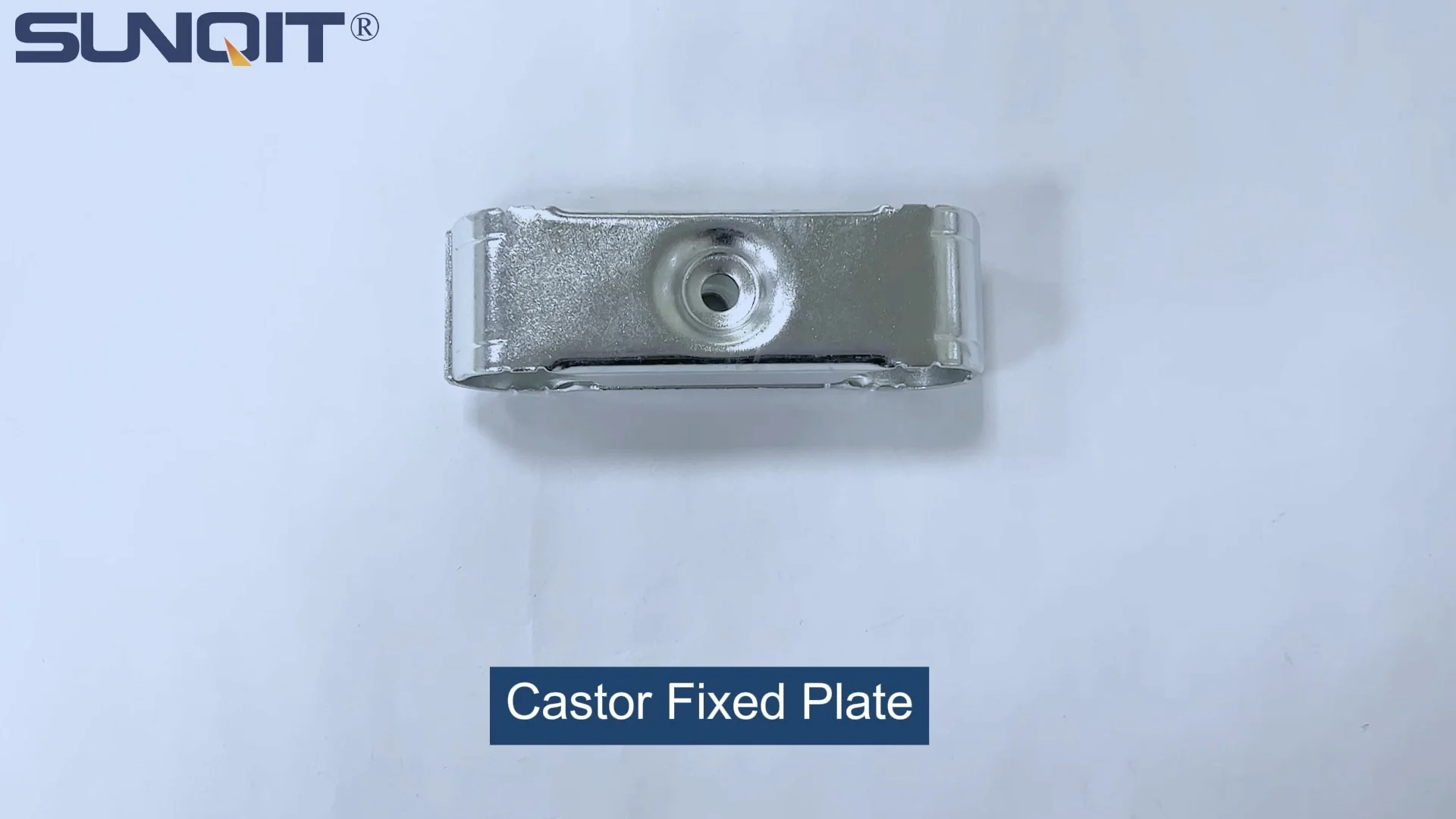
Castor Fixed Plate
Castor fixed plate, used for castor installation, one castor need two pcs castor plate to fix under the workbench, flow rack, and hand trolley.
The Intersection of Lean Manufacturing and Sustainability
In today's manufacturing landscape, two priorities stand out as critical for long-term success: lean manufacturing and sustainability. Lean manufacturing, at its core, is about stripping away waste—whether that's wasted time, materials, or effort—to create smoother, more efficient workflows. Sustainability, on the other hand, ensures that these efficiencies don't come at the expense of the planet, focusing on reducing environmental impact and preserving resources for future generations. What many overlook, however, is how the smallest components in a factory can bridge these two goals. Enter the castor fixed plate: a (easily overlooked) part that plays a quiet but powerful role in building lean systems that are also kind to the environment.
Lean systems thrive on precision, flexibility, and reliability. Every tool, every piece of equipment, and every accessory must contribute to these ideals. Sustainability adds another layer: durability, recyclability, and reduced resource consumption. Castor fixed plates, though simple in design, check all these boxes. They're the unsung heroes that keep mobility systems—like those on turnover trolley and rack units or mobile workbenches—functioning optimally, reducing waste, and supporting greener operations.
The Unsung Hero: What Are Castor Fixed Plates?
Let's start with the basics: What exactly is a castor fixed plate? In short, it's the critical link between a caster wheel and the equipment it supports. Think of it as the foundation that secures the caster to a turnover trolley, a workbench, or a material rack. Without a sturdy fixed plate, casters can wobble, loosen, or even detach—leading to equipment breakdowns, production delays, and safety hazards. But when designed well, castor fixed plates do more than just hold things together; they enhance mobility, extend equipment lifespan, and yes, support sustainability.
Modern castor fixed plates are often made from materials like aluminum profile, chosen for its unique blend of strength, lightness, and eco-friendliness. Unlike traditional steel plates that rust or plastic plates that crack, aluminum profile plates resist corrosion, stand up to heavy loads, and remain lightweight enough to keep equipment easy to maneuver. This material choice is no accident: aluminum is 100% recyclable, requiring minimal energy to repurpose, making it a cornerstone of sustainable manufacturing practices.
These plates also fall under the umbrella of caster accessories—small but essential components that elevate the performance of caster systems. A well-designed fixed plate will have pre-drilled holes for easy installation, reinforced edges to prevent bending, and a smooth finish to resist dirt buildup. All these features work together to ensure that your turnover trolley and rack, or mobile workbench, remains functional and efficient for years, not months.

Mobility Meets Efficiency: Castor Fixed Plates in Lean Systems
Lean manufacturing is all about flow—materials flowing to workers, workers flowing to stations, and information flowing across teams. Mobility is the engine that drives this flow. Imagine a factory where heavy materials are stuck in one corner, requiring workers to waste time walking back and forth, or where workbenches are bolted to the floor, making it impossible to reconfigure lines for new orders. That's a factory stuck in inefficiency—a far cry from a lean system.
Castor fixed plates solve this by turning static equipment into mobile assets. Take turnover trolley and rack units, for example. These trolleys are workhorses in warehouses and assembly lines, transporting parts from storage to production. Without reliable castor fixed plates, these trolleys become liabilities: a loose plate can cause the trolley to tip, damaging materials or injuring workers. But with a robust aluminum profile fixed plate, the trolley glides smoothly, even when fully loaded. Workers can move materials exactly where they're needed, exactly when they're needed—eliminating bottlenecks and cutting down on non-value-added labor. That's lean efficiency in action.
Mobile workbenches are another example. In a dynamic manufacturing environment, production needs change: a new product line might require more assembly space, or a sudden rush order might demand reallocating workers. A workbench with casters secured by high-quality fixed plates can be repositioned in minutes, not hours. This flexibility reduces setup time, maximizes floor space, and keeps teams focused on production, not rearranging furniture. It's a small adjustment that leads to big gains in productivity—exactly what lean systems aim for.
Real-World Impact: A Day in the Life
Consider a automotive parts manufacturer that recently upgraded to aluminum profile castor fixed plates on their turnover trolley and rack systems. Previously, their steel plates rusted quickly due to the oil and coolant used on the factory floor, requiring replacements every 12–18 months. The rusted plates made trolleys hard to push, leading to worker fatigue and delayed material deliveries to assembly lines. After switching to aluminum profile plates, the trolleys glided smoothly, even with 500kg loads. Maintenance crews reported zero plate failures in two years, and workers noted a 20% reduction in time spent moving materials. The result? A leaner workflow with fewer delays and happier, more productive teams.

Durability as a Pillar of Sustainability
Sustainability isn't just about using "green" materials—it's about making products that last. The longer a piece of equipment functions, the fewer resources are spent on replacements, and the less waste ends up in landfills. Castor fixed plates made from aluminum profile excel here, outperforming traditional materials in both lifespan and resilience.
| Aspect | Traditional Steel Plates | Aluminum Profile Castor Fixed Plates |
|---|---|---|
| Lifespan | 1–2 years (prone to rust and bending) | 7–10 years (corrosion-resistant and warp-proof) |
| Weight | Heavy (increases worker fatigue and energy use) | Lightweight (easier to maneuver, reduces strain) |
| Recyclability | Limited (often mixed with other metals, hard to recycle) | 100% recyclable (can be melted down and repurposed with minimal energy) |
| Maintenance Needs | Frequent (rust removal, repainting, replacement) | Minimal (simple cleaning, no rust treatment required) |
The table above highlights a clear trend: aluminum profile castor fixed plates outlast and outperform traditional options, directly supporting sustainability. For example, a steel plate might rust through after a year of exposure to moisture, forcing a factory to discard both the plate and the caster. Multiply that by hundreds of trolleys, and the waste adds up quickly. Aluminum plates, by contrast, resist rust and corrosion, even in humid or chemical-heavy environments like food processing plants or electronics factories. They're also less likely to bend under heavy loads, ensuring that your turnover trolley and rack remains stable and safe, even with daily use.
This durability translates to cost savings, too. While aluminum profile plates might have a slightly higher upfront cost than steel or plastic, their long lifespan and low maintenance needs make them cheaper in the long run. Factories report saving 30–50% on caster-related maintenance and replacement costs after switching to aluminum plates—a win for both the budget and the planet.

Beyond the Factory Floor: Broader Environmental Benefits
The impact of castor fixed plates extends beyond the walls of the factory. By reducing the need for frequent replacements, these plates lower the demand for raw materials like steel or plastic, which require intensive energy to produce. Aluminum's recyclability also closes the loop: when a plate finally reaches the end of its life, it can be melted down and turned into new aluminum profile products, using just 5% of the energy needed to create aluminum from bauxite ore. This reduces carbon emissions and conserves natural resources—a critical step in combating climate change.
Additionally, the lightweight nature of aluminum profile plates reduces the physical strain on workers. When trolleys and workbenches are easier to push, workers exert less energy, leading to fewer injuries and higher job satisfaction. This might not seem directly related to sustainability, but happy, healthy workers are more likely to engage with lean practices and care about reducing waste—creating a culture of continuous improvement that benefits both the company and the planet.
Even the small details matter. For example, aluminum profile plates are often designed with minimal packaging, and their smooth surfaces resist dirt, reducing the need for harsh cleaning chemicals. These small choices add up, making castor fixed plates a quietly powerful tool in the quest for sustainable lean manufacturing.
Conclusion: Small Components, Big Change
In the world of manufacturing, it's easy to focus on big-ticket items like robots or assembly lines. But as we've seen, the smallest components—like castor fixed plates—can have an outsized impact on both lean efficiency and sustainability. By choosing durable, recyclable materials like aluminum profile, and integrating these plates into systems like turnover trolley and rack units or mobile workbenches, factories can reduce waste, cut costs, and create workflows that are both productive and planet-friendly.
Castor fixed plates are a testament to the lean principle of "kaizen," or continuous improvement. They remind us that sustainability isn't a one-time project but a series of small, intentional choices—choices that add up to a greener, more efficient future. So the next time you see a trolley gliding across a factory floor or a workbench being repositioned with ease, take a moment to appreciate the castor fixed plate holding it all together. It's proof that even the most unassuming parts can be the building blocks of a better industry.