- Company Articles
- Products and Technology
- Product knowledge
- How Chrome Coating Improves Grip on Four Way Straight Lean Pipe Joints

How Chrome Coating Improves Grip on Four Way Straight Lean Pipe Joints
Related Product
Four Way Straight Lean Pipe Joint
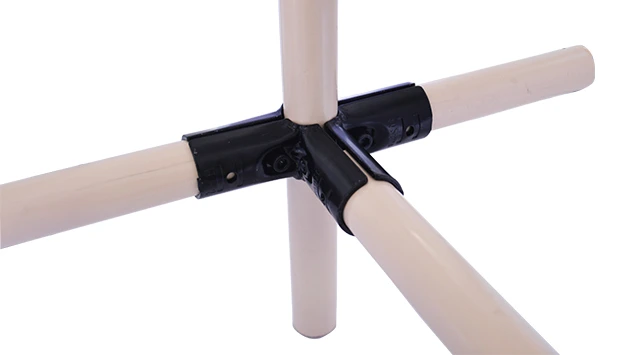
Four way lean pipe joint for 4 pcs 28MM lean pipe connection in straight angle, which used widely in workbench, flow rack, hand trolley frame connection.
Step onto any bustling production floor, and you'll quickly realize that efficiency isn't just about speed—it's about stability. From the conveyor belts transporting components to the workbenches where products take shape, every element relies on staying firmly in place. At the heart of this stability are lean pipe systems: modular, adaptable structures built from pipes, joints, and accessories that form the backbone of modern manufacturing. Among these components, the lean pipe joint is but essential, acting as the "glue" that connects pipes into functional structures like workstations, flow racks, and material trolleys. Today, we're focusing on a specific type of joint that's making waves in factories worldwide: the four way straight lean pipe joint chrome . While its name might sound technical, the real story lies in its chrome coating—and how this simple addition dramatically enhances grip. Let's dive into why grip matters, how chrome works its magic, and why this small upgrade can transform your production line's performance.
Understanding Four Way Straight Lean Pipe Joints
Before we talk about chrome coating, let's get to know the star of the show: the four way straight lean pipe joint. Imagine a compact, robust connector with four openings, each designed to slide over and secure a lean pipe. These joints are engineered to connect pipes in straight lines (hence "straight") and in four directions (the "four way" part), making them ideal for building multi-level racks, T-shaped workbenches, or cross-braced structures. Most are made from durable materials like malleable iron or aluminum, chosen for their strength and ability to withstand the daily wear of factory life.
What makes these joints so valuable? Flexibility. Unlike welded structures, lean pipe systems use joints to create modular setups that can be disassembled, reconfigured, or expanded in minutes. Need to adjust a workstation's height? Swap out a shorter pipe for a longer one. Adding a new shelf to a material rack? Just attach another joint and pipe. This adaptability is the cornerstone of lean manufacturing, where minimizing waste and maximizing efficiency are top priorities. But here's the catch: for these systems to work, the joints must grip the pipes tightly. A loose joint can lead to wobbly workbenches, misaligned conveyors, or even collapsed racks—all of which disrupt production and risk worker safety. That's where grip comes in.
Why Grip Matters in Lean Pipe Joints
Grip might seem like a basic concept, but in manufacturing, it's a make-or-break factor. When a lean pipe joint grips a pipe securely, it does more than just hold it in place—it ensures the entire structure maintains its integrity under stress. Think about a typical scenario: a flow rack loaded with heavy components, vibrating as materials slide down roller tracks. Each vibration tests the joints' grip; a weak grip could cause pipes to shift, leading to uneven loading, jams, or even the rack tipping over. In assembly lines, where precision is critical, a joint that slips might misalign tools or fixtures, resulting in defective products or rework.
Grip also impacts longevity. Joints that lose their hold over time require frequent readjustment, which eats into maintenance hours and disrupts workflow. In worst cases, loose joints can lead to unexpected downtime while teams repair or replace damaged components. For manufacturers aiming to run 24/7 operations, these interruptions are costly. So, what determines a joint's grip? Three factors stand out: surface texture (how "sticky" the joint's inner surface is), material friction (how well the joint and pipe materials interact), and resistance to external factors like oil, moisture, or corrosion. This is where chrome coating enters the picture.

Chrome Coating: More Than Just Shine
Chrome coating—officially known as chromium plating—is a process where a thin layer of chromium is electroplated onto a metal surface. While it's often praised for its mirror-like finish (think classic car bumpers), its benefits go far beyond aesthetics. In industrial settings, chrome is valued for three key properties: hardness, corrosion resistance, and surface texture. Let's break them down:
Hardness: Chromium is one of the hardest metals, with a hardness rating of 8.5 on the Mohs scale (for reference, steel is around 4-5). This means chrome-coated surfaces resist scratches, dents, and wear, even under heavy loads. For lean pipe joints, this durability ensures the coating won't chip or wear off after repeated pipe insertions and adjustments.
Corrosion Resistance: Factories are harsh environments. Moisture from cleaning, oil from machinery, and chemicals from production processes can all cause metal to rust or corrode. Chrome acts as a barrier, preventing water and chemicals from reaching the underlying metal (usually iron or steel). A rust-free joint maintains its shape and surface texture—both critical for grip.
Surface Texture: While chrome looks smooth, under a microscope, it has a micro-rough texture. This isn't visible to the naked eye, but it creates tiny "peaks and valleys" that increase friction between the joint and the pipe. Unlike smooth coatings (like paint) or soft materials (like plastic), chrome's texture doesn't wear down easily, ensuring consistent friction over time.

How Chrome Coating Boosts Grip on Four Way Straight Joints
Now, let's connect the dots: how does chrome coating specifically improve grip on four way straight lean pipe joints? It all comes down to enhancing the three grip factors we mentioned earlier—surface texture, material friction, and resistance to external damage—while addressing common weaknesses of uncoated or alternatives like zinc-plated joints.
1. Micro-Roughness for Friction: When you insert a lean pipe into a chrome-coated joint, the micro-rough chromium surface "bites" into the pipe's outer layer (often made of steel or aluminum). This creates interlocking friction that prevents the pipe from sliding or rotating. Uncoated steel joints, by contrast, have smooth surfaces that rely on tight tolerances (precise sizing) for grip. Over time, as pipes are inserted and removed, the steel surface wears smooth, reducing friction and increasing slippage. Chrome's hardness ensures its micro-rough texture stays intact, maintaining that critical bite.
2. Resistance to Oil and Moisture: In manufacturing, oil and coolant spills are inevitable. These liquids can turn smooth surfaces into slip hazards—but not chrome. Unlike painted or powder-coated joints, which absorb oil and become slippery, chrome repels liquids. Its non-porous surface ensures oil beads up and can be wiped away, leaving the grip-enhancing texture uncompromised. This is especially important in automotive or machinery production, where oil-based lubricants are everywhere.
3. No Rust, No Slippage: Rust is a grip killer. When uncoated steel joints rust, they develop uneven, flaky surfaces that disrupt contact with the pipe. A rusted joint might feel tight initially, but the flakes can break off under pressure, creating gaps that allow slippage. Chrome-coated joints avoid this entirely: the chromium layer blocks moisture, preventing rust from forming. Even in humid environments or near washdown areas, the joint's surface remains smooth but textured, maintaining consistent grip for years.
4. Consistent Performance During Adjustments: Lean pipe systems are all about adaptability—meaning joints are frequently adjusted as production needs change. Uncoated joints can wear down with repeated pipe insertions, leading to looser fits over time. Chrome's hardness resists this wear, so even after dozens of adjustments, the joint's inner surface remains as grippy as the day it was installed. This reduces the need for over-tightening (which can damage pipes) and ensures structures stay stable no matter how often they're reconfigured.
Chrome vs. Other Coatings: A Grip Comparison
To truly appreciate chrome's grip advantages, let's compare it to other common coatings used on lean pipe joints. The table below breaks down how chrome stacks up against uncoated steel, zinc plating, and powder coating in key areas affecting grip:
| Coating Type | Grip Strength | Resistance to Oil/Moisture | Wear Resistance | Long-Term Grip Stability |
|---|---|---|---|---|
| Chrome Coating | High (micro-rough texture) | Excellent (repels liquids) | Excellent (hard, scratch-resistant) | High (no rust, texture remains intact) |
| Uncoated Steel | Medium (smooth surface) | Poor (rusts easily) | Poor (wears smooth quickly) | Low (rust and wear reduce grip over time) |
| Zinc Plating | Medium-Low (smooth, thin coating) | Good (resists rust initially) | Medium (coating can chip off) | Medium (zinc wears thin, exposing steel) |
| Powder Coating | Medium (matte texture, but soft) | Good (water-resistant) | Poor (soft, scratches easily) | Low (texture wears off, becomes slippery) |
The data speaks for itself: chrome coating outperforms alternatives in grip strength, durability, and resistance to factory hazards. While zinc plating or powder coating might be cheaper upfront, they often require more frequent replacement or maintenance—costing more in the long run. For manufacturers prioritizing reliability, chrome-coated joints are a smart investment.
Real-World Impact: How Chrome-Coated Joints Improve Production
To put this into perspective, let's look at a hypothetical (but realistic) example. Imagine a electronics manufacturer using uncoated steel four way joints in their assembly line workbenches. Over six months, they notice frequent issues: workbenches wobble, requiring weekly tightening; flow racks loaded with circuit boards occasionally jam because pipes shift; and maintenance teams spend 8 hours monthly adjusting loose joints. After switching to four way straight lean pipe joint chrome versions, the results are striking:
- Reduced Downtime: Joint slippage drops by 90%, eliminating jams and wobbles. The production line runs 2 hours longer daily without interruptions.
- Lower Maintenance Costs: Adjustment time falls to 1 hour monthly, freeing up technicians for other tasks.
- Improved Safety: No more unexpected rack shifts, reducing the risk of falls or equipment damage.
This isn't just a hypothetical win—many manufacturers report similar improvements. The secret? Chrome coating turns a basic joint into a high-performance component that supports the core goals of lean manufacturing: efficiency, reliability, and continuous improvement.
Integrating Chrome-Coated Joints into Your Lean Pipe System
If you're considering upgrading to chrome-coated joints, you'll be glad to know they're designed to work seamlessly with existing lean pipe and accessories . Whether you're using steel pipes, aluminum pipes, or a mix, four way straight chrome joints fit standard pipe diameters (typically 28mm or 30mm) and pair well with other components like:
Roller Tracks: Use chrome joints to build stable frames for roller tracks, ensuring materials glide smoothly without track misalignment.
Workbenches: Create sturdy, wobble-free workstations by reinforcing corners with four way joints, supporting heavy tools and equipment.
Material Racks: Build multi-level racks that hold up under heavy loads, with joints that maintain grip even when shelves are fully stocked.
When selecting joints, look for suppliers that offer high-quality chrome plating (at least 5-10 microns thick) and rigorous testing for adhesion and corrosion resistance. A reputable supplier will also provide compatibility guides to ensure the joints work with your existing pipes and accessories.
Caring for Chrome-Coated Joints: Tips for Longevity
To get the most out of your chrome-coated joints, a little maintenance goes a long way. Here's how to keep them gripping strong:
Clean Regularly: Wipe joints with a dry cloth to remove dust and debris. For oil or grease spills, use a mild detergent and water—avoid abrasive cleaners, which can scratch the chrome.
Inspect for Damage: Check joints monthly for chips or cracks in the chrome coating. If damage is found, replace the joint promptly to prevent rust from forming underneath.
Avoid Over-Tightening: Chrome joints grip well, so you don't need to crank down on pipe clamps excessively. Over-tightening can warp pipes or damage the joint's threads.
Lubricate Threads (Sparingly): If joints become hard to adjust, apply a tiny amount of dry lubricant (like graphite) to threads—not oil, which can attract dust and reduce grip.
Conclusion: Small Upgrade, Big Results
In the world of lean manufacturing, success lies in the details. The four way straight lean pipe joint chrome might seem like a small component, but its chrome coating delivers outsized benefits: enhanced grip, durability, and reliability that translate to smoother operations, fewer disruptions, and safer workplaces. By choosing chrome-coated joints, you're not just buying a part—you're investing in a more efficient, resilient production system that adapts to your needs while staying firmly grounded.
So, the next time you walk through your factory, take a closer look at those unassuming joints holding everything together. With chrome coating, they're doing more than just connecting pipes—they're gripping the future of your production line, one secure connection at a time.