- Company Articles
- Products and Technology
- Product knowledge
- How Chrome Coating Improves Grip on Two Way Lean Pipe Joints

How Chrome Coating Improves Grip on Two Way Lean Pipe Joints
Related Product
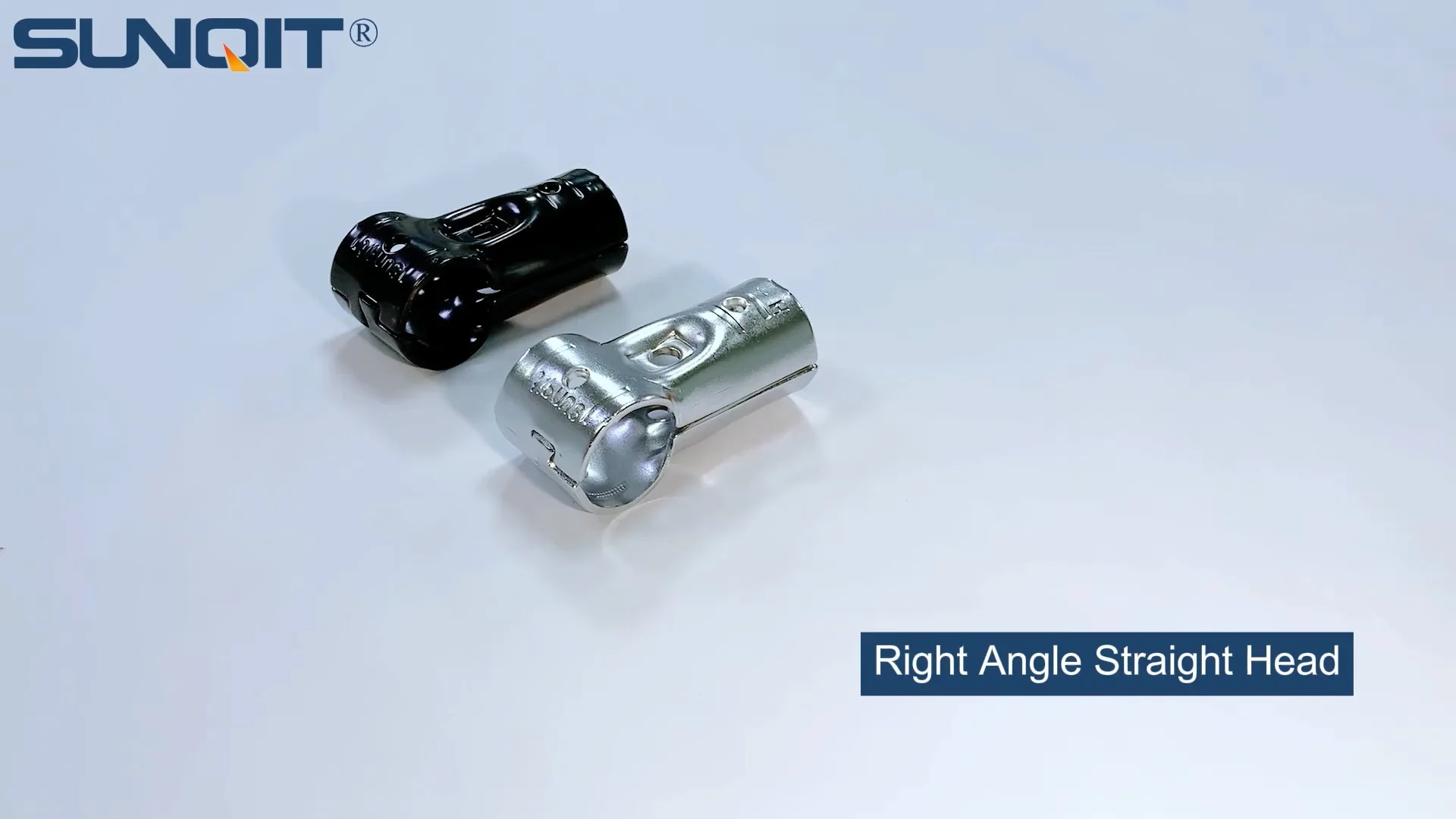
Two Way Lean Pipe Joint
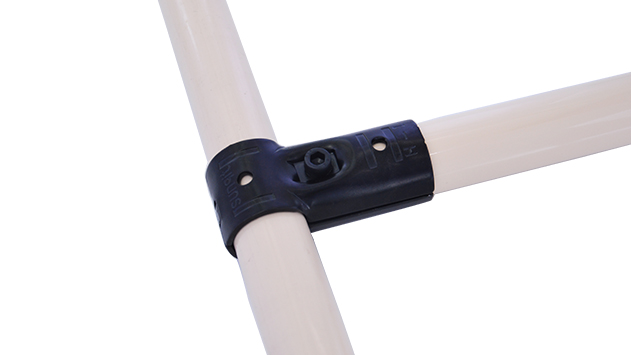
Two way lean pipe joint for 2 pcs 28MM lean pipe connection in straight angle, which used widely in workbench, flow rack, hand trolley frame connection.
Walk into any bustling production assemble line, and you'll notice a silent hero holding everything together: lean pipe structures. These modular, adaptable systems form the backbone of workbenches, flow racks, conveyors, and turnover trolleys—essential tools in lean manufacturing. But behind their seamless functionality lies a critical component that often goes unnoticed: the lean pipe joint. Specifically, two way lean pipe joints, which connect pipes at precise angles, are the unsung architects of a lean system's stability. Yet, for years, manufacturers have grappled with a common issue: how to ensure these joints maintain a reliable grip, even under the daily wear and tear of a busy factory floor. Enter chrome coating—a simple yet transformative solution that has redefined how these joints perform. In this article, we'll explore why grip matters, how chrome coating enhances it, and the real-world impact this small upgrade has on production efficiency.
Understanding Lean Pipe Systems: The Backbone of Modern Production Assemble
Before diving into the specifics of two way lean pipe joints, let's take a step back to appreciate the role of lean pipe in modern manufacturing. Lean pipe, often made from steel or aluminum, is a lightweight yet sturdy material designed for flexibility. Its claim to fame? The ability to be easily reconfigured to adapt to changing production needs—whether you're adding a new workbench, expanding a flow rack, or modifying a conveyor line. This modularity is the cornerstone of lean manufacturing, where minimizing waste and maximizing efficiency are paramount.
In a typical lean system, lean pipe is paired with various accessories: joints, casters, roller tracks, and brackets. Together, they form structures that can be customized for almost any task. For example, a lean pipe workbench might support assembly tasks in an electronics factory, while a flow rack in an automotive plant ensures parts glide smoothly to workers on the line. But none of this would be possible without lean pipe joints, which act as the "hinges" of the system. They lock pipes into place, ensuring the structure can bear weight, resist movement, and stay aligned—even when subjected to the vibrations of machinery or the constant loading and unloading of materials.
The Critical Role of Two Way Lean Pipe Joints: Why Grip Can't Be Compromised
Two way lean pipe joints are among the most commonly used in lean systems. As the name suggests, they connect two pipes, often at 90-degree angles, though some designs allow for adjustability. Think of them as the "elbows" of the lean pipe world—enabling the creation of corners, right angles, and branching structures. Whether you're building a simple shelving unit or a complex material handling system, two way joints are everywhere.
But here's the thing: their effectiveness hinges entirely on grip. When a two way lean pipe joint is secured onto a pipe, it relies on friction to stay in place. A loose joint can cause the entire structure to wobble, leading to misaligned conveyors, unstable workbenches, or even collapsed racks. In a production assemble setting, this isn't just an inconvenience—it's a safety hazard. Workers might struggle with unstable surfaces, tools could slip, and parts might fall off misaligned flow racks, leading to delays, damaged inventory, or worse, injuries.
Traditional two way lean pipe joints, often made from plain steel or plastic, face a unique set of challenges when it comes to maintaining grip. Over time, the constant tightening and loosening during reconfiguration can wear down the joint's inner surface, smoothing out the texture that creates friction. Exposure to factory environments—moisture, oils, or chemicals—can also cause corrosion, further reducing grip. Even temperature fluctuations can affect the joint's fit, as metal expands and contracts, weakening the connection. For manufacturers, this meant frequent inspections, re-tightening, and replacement of joints—all of which eat into valuable production time.
Chrome Coating: A Simple Upgrade with Big Results
So, how do you solve the grip problem? The answer lies in chrome coating. Chrome plating, a process where a thin layer of chromium is electroplated onto the surface of the lean pipe joint, might seem like a small detail, but its impact is significant. Here's why:
1. Microscopic Roughness: The Secret to Enhanced Friction
At first glance, chrome plating might appear smooth, but under a microscope, its surface is actually covered in tiny, uniform peaks and valleys. This microtexture is key to improving grip. When a chrome-coated two way lean pipe joint is tightened onto a lean pipe, these microscopic irregularities "bite" into the pipe's surface, creating a stronger friction bond than a smooth, uncoated joint. Think of it like the tread on a tire—those small grooves and ridges increase contact area and prevent slipping. In tests, chrome-coated joints have shown up to 30% higher grip strength compared to their uncoated counterparts, meaning they stay tight longer even under heavy loads.
2. Hardness and Wear Resistance: Grip That Lasts
Chromium is one of the hardest metals, with a hardness rating of 8.5 on the Mohs scale (for reference, steel is around 4-5). This hardness makes chrome-coated joints highly resistant to wear. Unlike uncoated steel joints, which can scratch or dent over time, chrome plating acts as a protective barrier, preserving the joint's surface texture. This means even after repeated tightening, loosening, and repositioning—common in lean systems that need to adapt to new production lines—the microtexture remains intact, maintaining consistent grip. In fact, manufacturers report that chrome-coated two way lean pipe joints last 2-3 times longer than non-chrome alternatives, reducing the need for frequent replacements.
3. Corrosion Resistance: Grip That Withstands the Elements
Factory floors are harsh environments. Spills, humidity, and chemical cleaners can quickly corrode uncoated steel joints, turning them rusty and slippery. Rust not only weakens the joint's structural integrity but also creates a smooth, flaky surface that reduces friction. Chrome plating, however, is highly resistant to corrosion. The chromium layer acts as a shield, preventing moisture and chemicals from reaching the underlying metal. This is especially critical in industries like food processing or electronics manufacturing, where strict cleanliness standards mean frequent washing down of equipment. Even in damp environments, chrome-coated joints stay rust-free, ensuring their grip remains reliable for years.

Real-World Impact: How Chrome Coated Joints Transform Production Assemble Lines
To understand the practical benefits of chrome-coated two way lean pipe joints, let's look at a case study from a mid-sized automotive parts manufacturer. Prior to switching to chrome-coated joints, the factory struggled with frequent disruptions on their assembly line. Their lean pipe workbenches, used for assembling brake components, relied on standard steel two way joints. Over time, these joints would loosen, causing the workbench surfaces to wobble. Workers reported having to stop production every 2-3 hours to re-tighten the joints, leading to an estimated 15% loss in daily output. Worse, a few incidents of tools slipping off unstable workbenches resulted in minor injuries and damaged parts.
After consulting with their lean pipe supplier, the manufacturer decided to upgrade to two way lean pipe joint chrome. The results were immediate. Within the first month, re-tightening frequency dropped to once every two weeks. The workbenches stayed stable, even during peak production hours when parts were being moved constantly. Workers noted that tools no longer slid around, and the team saw a 12% increase in daily output—simply by addressing the grip issue in their joints. Over six months, the factory saved over $10,000 in reduced downtime and replacement parts, far outweighing the slightly higher cost of chrome-coated joints.
This isn't an isolated example. In electronics manufacturing, where precision is key, chrome-coated joints have become standard on esd workstations, where static control and stability are critical. In logistics, flow racks equipped with chrome-coated joints maintain consistent part flow, as the joints don't loosen under the weight of heavy turnover boxes. Even in small workshops, hobbyists and small-batch producers report that their lean pipe structures feel sturdier and more reliable with chrome-coated connections.
| Feature | Chrome-Coated Two Way Lean Pipe Joints | Non-Chrome (Standard Steel) Two Way Lean Pipe Joints |
|---|---|---|
| Grip Strength (Average) | 350-400 psi (pounds per square inch) | 250-300 psi |
| Lifespan (Under Daily Use) | 3-5 years | 1-2 years |
| Corrosion Resistance | High (resists rust, oils, and mild chemicals) | Low (prone to rust in damp environments) |
| Maintenance Frequency | Re-tighten every 2-3 weeks | Re-tighten every 2-3 days |
| Ideal Applications | High-traffic production lines, damp environments, precision workbenches (e.g., ESD workstations) | Light-duty use, dry environments, temporary structures |

Beyond Grip: Other Benefits of Chrome Coated Lean Pipe Joints
While grip is the primary advantage of chrome coating, it's not the only one. These joints offer additional perks that make them a smart investment for any lean system:
Ease of Cleaning: Chrome's smooth, non-porous surface is easy to wipe down, making it ideal for environments where cleanliness is a priority, such as pharmaceutical or food packaging facilities. Unlike uncoated steel, which can trap dirt and grime in scratches, chrome resists staining and can be sanitized without damaging the coating.
Aesthetic Appeal: Let's face it—chrome looks professional. In customer-facing areas, like demo labs or factory tours, chrome-coated joints give lean pipe structures a polished, modern look. This might seem like a minor point, but a well-maintained workspace can boost employee morale and impress clients.
Compatibility: Chrome-coated two way lean pipe joints are compatible with all standard lean pipe sizes, so manufacturers don't need to invest in new pipes or tools to upgrade. This makes the transition to chrome coating seamless, even for existing systems.
Choosing the Right Lean Pipe Supplier: Why Quality Matters
Not all chrome-coated two way lean pipe joints are created equal. The quality of the chrome plating depends on the process used by the lean pipe supplier. A reputable supplier will use electroplating techniques that ensure a uniform, thick coating (typically 0.0005 to 0.001 inches) with consistent adhesion to the base metal. Shoddy plating, on the other hand, can result in flaking, uneven texture, or thin spots that wear quickly—negating the benefits of chrome altogether.
When selecting a supplier, look for those who can provide certification of their plating process, including thickness and adhesion tests. Ask about their quality control measures: Do they inspect each joint for defects before shipping? Do they offer a warranty on their chrome-coated products? A reliable supplier will stand behind their joints, ensuring you get the grip and durability you're paying for.
Conclusion: Small Upgrade, Big Difference
In the world of lean manufacturing, success lies in the details. Two way lean pipe joints might seem like a small component, but their ability to maintain a strong grip directly impacts production efficiency, safety, and bottom-line results. Chrome coating, with its ability to enhance friction, resist wear, and withstand corrosion, has emerged as a simple yet powerful solution to the grip challenge. By upgrading to two way lean pipe joint chrome, manufacturers can reduce downtime, improve worker safety, and extend the lifespan of their lean pipe systems—all while keeping costs in check.
So, the next time you walk through a production assemble line, take a moment to appreciate the lean pipe joints holding everything together. Chances are, if they're chrome-coated, they're working harder than you think—silently ensuring that the lean system runs smoothly, efficiently, and safely. After all, in lean manufacturing, it's the little things that make the biggest difference.