- Company Articles
- Products and Technology
- Product knowledge
- How Chrome Coating Protects Parallel Rotatory Lean Pipe Joints from Wear

How Chrome Coating Protects Parallel Rotatory Lean Pipe Joints from Wear
Related Product
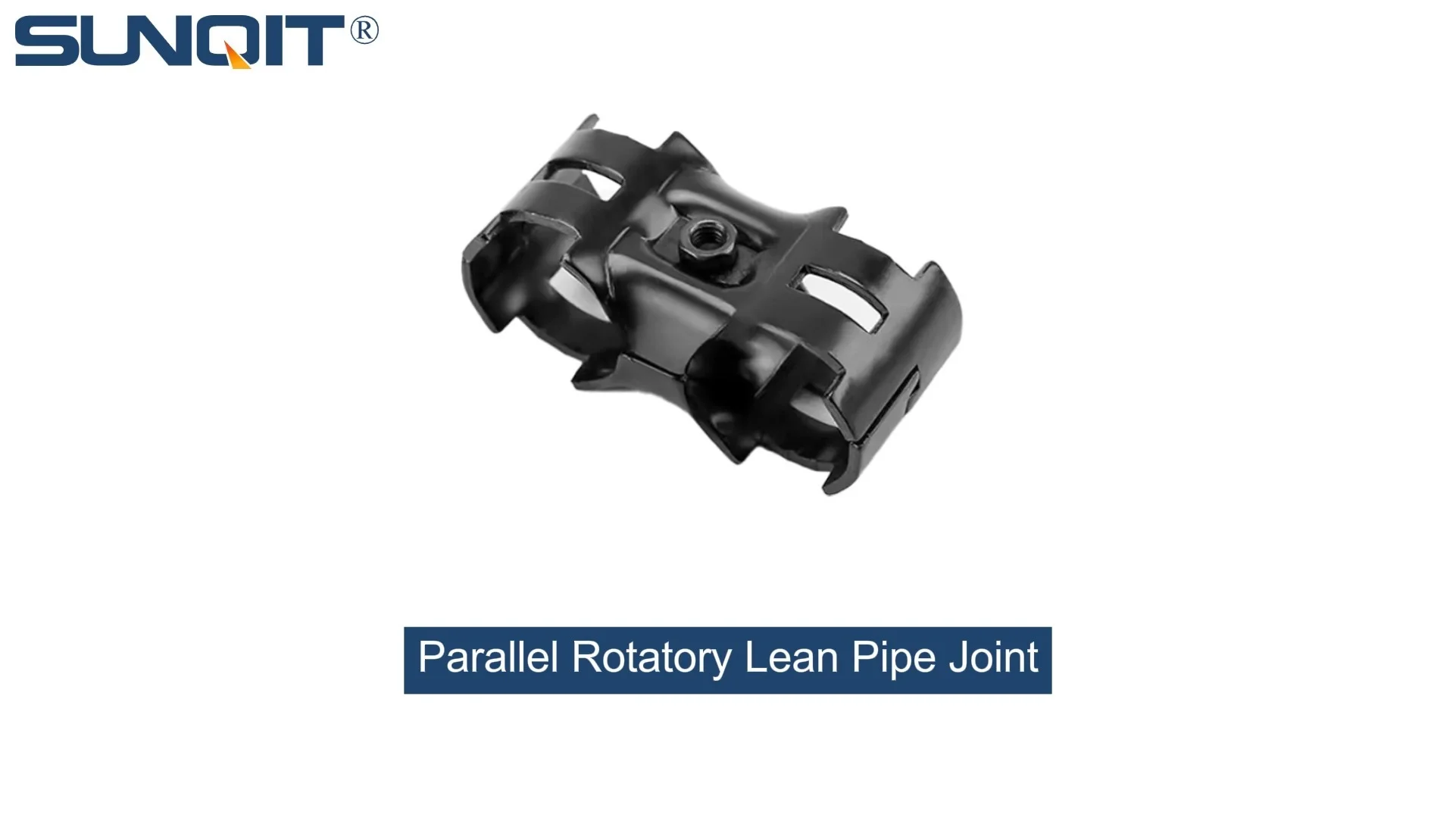
Parallel Rotatory Lean Pipe Joint
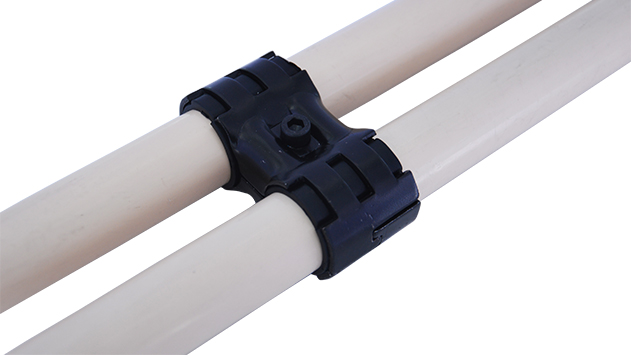
Parallel rotatory lean pipe joint, for 2 pcs pipe conenction in parallel direction with rotatory function.
In the fast-paced world of manufacturing, where every second counts and efficiency is king, lean systems have become the backbone of successful operations. From bustling assembly lines to precision workbenches, these systems are designed to eliminate waste, streamline workflows, and keep production moving like a well-oiled machine. But behind the scenes of these impressive setups, there's a silent workhorse that often goes unnoticed: the humble lean pipe joint. Specifically, the parallel rotatory lean pipe joint—a small component with a big job. Today, we're diving into how chrome coating transforms these joints from ordinary parts into wear-resistant champions, ensuring your lean system stays strong, flexible, and productive for the long haul.
Why Wear Matters in Lean Pipe Joints
Before we talk about solutions, let's talk about the problem: wear. In manufacturing, "wear and tear" might sound like a inevitable part of the job, but when it comes to lean pipe joints, even minor wear can snowball into major issues. Imagine a busy automotive assembly line: workbenches adjust, material racks rotate, and conveyors glide—all relying on joints that connect pipes, support weight, and allow movement. If a joint wears down, it might start to loosen. A loose joint leads to wobbly workstations, which throw off precision. Wobbly workstations cause errors, which mean rework. Rework means downtime. And in lean manufacturing, downtime is the enemy.
Wear isn't just about inefficiency, either. A joint that's worn thin can compromise safety. A sudden failure could cause a rack to collapse, damaging materials or, worse, endangering workers. For manufacturers, the cost of replacing worn joints, fixing damaged equipment, and covering downtime adds up quickly. According to industry estimates, unplanned downtime in manufacturing can cost anywhere from $5,000 to $20,000 per minute—yes, per minute . So, preventing wear in critical components like parallel rotatory lean pipe joints isn't just a "nice to have"—it's a bottom-line necessity.
Meet the Parallel Rotatory Lean Pipe Joint: The Unsung Hero of Flexibility
To understand why chrome coating matters, let's first get to know the star of the show: the parallel rotatory lean pipe joint. Unlike fixed joints that hold pipes rigidly in place, these joints are designed for movement. They connect two or more lean pipes and allow controlled rotation or swiveling, making them ideal for setups that need to adapt on the fly. Think about a workbench where operators need to adjust the height of a tool rack, or a material flow system where a section of conveyor needs to pivot to feed different assembly stations. That's where parallel rotatory joints shine.
These joints are workhorses. They're made to handle constant motion—rotating, supporting heavy loads (sometimes hundreds of pounds), and enduring the daily grind of a factory floor. They're used in everything from simple turnover trolleys to complex automated assembly lines. But here's the catch: all that movement and load puts them at high risk for wear. Every rotation creates friction between the joint's moving parts. Every load strains its structure. Every exposure to factory elements—moisture, oil, dust—eats away at its surface. Without protection, even the sturdiest parallel rotatory joint will wear out faster than it should.
Enter the parallel rotatory lean pipe joint chrome variant. By adding a chrome coating, manufacturers give these hardworking joints a fighting chance against the forces that would otherwise wear them down. It's like adding a suit of armor to a soldier—lightweight, but incredibly strong.
Chrome Coating: More Than Shiny—A Science of Protection
When you hear "chrome coating," you might picture shiny car bumpers or kitchen faucets. But in industrial settings, chrome coating is less about looks and more about performance. The process, known as electroplating, involves depositing a thin layer of chromium onto the surface of the joint using an electric current. The result? A surface that's not just glossy, but tough—really tough.
Let's break down how it works. First, the joint (usually made of steel or aluminum) is cleaned thoroughly to remove dirt, oil, and rust—any impurities that might prevent the chromium from adhering. Then, it's submerged in a bath of chromium solution, along with a lead anode. When an electric current is applied, chromium ions in the solution are attracted to the joint (the cathode), bonding to its surface and forming a hard, uniform layer. The thickness of this layer can vary, but for industrial joints, it's typically between 5 and 50 micrometers—thin enough to not interfere with the joint's movement, but thick enough to protect.
What makes this coating so effective? Three key properties:
- Extreme Hardness: Chrome coatings have a microhardness of 800 to 1,000 HV (Vickers hardness), compared to uncoated steel's 150 to 200 HV. That's harder than most industrial abrasives, meaning scratches and dents are far less likely.
- Low Friction: Chromium has a naturally low coefficient of friction, similar to Teflon. This means when the joint rotates, there's less rubbing between metal parts—less friction equals less wear.
- Corrosion Resistance: Chromium forms a passive oxide layer when exposed to air, acting as a barrier against moisture, chemicals, and rust. In humid factories or environments with oils and coolants, this is a game-changer.

Four Ways Chrome Coating Fights Wear in Parallel Rotatory Joints
Now, let's get specific: how exactly does that thin layer of chromium protect the parallel rotatory lean pipe joint from the wear and tear of daily use? Let's break it down into four critical battles the coating helps win.
1. Battling Abrasion: Scratches and Scrapes Don't Stand a Chance
Factory floors are full of abrasive threats: metal shavings, grit from footwear, even dust that acts like sandpaper over time. When a joint rotates, these tiny particles can get trapped between moving parts, scratching the surface. Uncoated steel or aluminum would start to wear down quickly, developing grooves that catch more debris and accelerate damage. But chrome's hardness is its superpower here. Those abrasive particles slide off or bounce off the coating instead of digging in. Think of it like comparing a wooden table (uncoated) to a glass table (chrome-coated)—the glass resists scratches, while the wood shows every mark.
In one case study, a electronics manufacturer switched from uncoated to chrome-coated parallel rotatory joints on their assembly line workbenches. They reported a 70% reduction in surface scratches after six months, and the joints still rotated smoothly, whereas the uncoated ones had become stiff from accumulated abrasion damage.
2. Fighting Corrosion: No More Rust, No More Failure
Many factories are humid, especially those with cooling systems or water-based cleaning processes. Add in oils, lubricants, and even mild chemicals from products, and you've got a recipe for rust and corrosion. Uncoated metal joints absorb moisture, leading to oxidation (rust), which weakens the material and causes pitting. Pitted joints don't rotate evenly—they bind, stick, and eventually fail. Chrome coating acts like a raincoat for the joint: the passive oxide layer blocks moisture and chemicals from reaching the underlying metal. Even if the coating gets a tiny nick, the surrounding chromium continues to protect, preventing the nick from spreading into a rust spot.
A food packaging plant in a coastal area (high humidity + salt air) once struggled with joint corrosion, replacing uncoated joints every 3-4 months. After switching to chrome-coated parallel rotatory lean pipe joints, they extended that lifespan to over 2 years—no more rust, no more unexpected failures.
3. Reducing Friction: Smooth Rotation, Less Wear
Every time a parallel rotatory joint rotates, the moving parts rub against each other. Friction generates heat, and heat weakens metal over time. It also makes rotation harder, requiring more force to move the joint—force that strains the entire lean system. Chrome's low friction coefficient solves this. The coating creates a smooth, slippery surface so parts glide past each other instead of grinding. This reduces heat buildup and lowers the stress on the joint's components. It's like adding oil to a squeaky hinge, but permanent. A automotive parts supplier noted that after switching to chrome-coated joints, their material racks required 30% less force to rotate, reducing operator fatigue and wear on the joint's internal mechanisms.
4. Absorbing Impact: Small Knocks, Big Protection
Factories are busy places—accidental bumps happen. A forklift grazes a material rack, a worker bumps a workbench, a heavy part is set down too hard. These impacts can dent or bend uncoated joints, warping their shape and making rotation uneven. Chrome coating isn't just hard—it's also slightly ductile, meaning it can absorb small impacts without cracking. The coating acts as a buffer, spreading the force of the impact across the surface instead of letting it focus on one spot. While it won't protect against major collisions, it handles the day-to-day knocks that would otherwise add up to big problems.

Coated vs. Uncoated: A Side-by-Side Look at Performance
Still not convinced? Let's put uncoated and chrome-coated parallel rotatory lean pipe joints head-to-head. The table below compares key metrics based on industry data and real-world use cases.
| Performance Metric | Uncoated Parallel Rotatory Lean Pipe Joint | Chrome-Coated Parallel Rotatory Lean Pipe Joint |
|---|---|---|
| Average Lifespan in High-Use Areas | 6–12 months | 3–5 years |
| Resistance to Abrasive Wear | Low—surface scratches appear within weeks | High—minimal scratches after 1+ year |
| Corrosion Resistance (Humid/Industrial Environments) | Poor—rust starts forming in 2–3 months | Excellent—no rust after 2+ years |
| Coefficient of Friction (Static) | 0.6–0.8 (steel-on-steel) | 0.15–0.25 (chrome-on-steel) |
| Maintenance Frequency | Monthly lubrication, quarterly inspections for wear | Quarterly lubrication, annual inspections |
| Initial Cost | Lower (10–20% cheaper upfront) | Higher (due to coating process) |
| Long-Term Cost (5-Year Period) | Higher (replacement + downtime costs) | 60–70% lower (fewer replacements, less downtime) |
Beyond Wear: The Hidden Benefits of Chrome-Coated Joints
While wear resistance is the star benefit, chrome-coated parallel rotatory lean pipe joints offer perks that go beyond just durability. Let's explore a few that might not be obvious at first glance.
Consistency in Performance
Lean manufacturing thrives on consistency. If a joint's rotation becomes uneven or stiff over time, it throws off the rhythm of the production line. Operators adjust their movements, machines work harder, and waste creeps in. Chrome-coated joints maintain their low friction and smooth rotation for years, ensuring that the system behaves predictably day in and day out. This consistency reduces variability in production times, making it easier to meet tight deadlines.
Easier Cleaning and Sanitation
In industries like food processing, pharmaceuticals, or electronics, cleanliness is non-negotiable. Uncoated joints have porous surfaces that trap bacteria, grease, and particles, making them hard to sanitize. Chrome's smooth, non-porous surface repels dirt and is easy to wipe clean with disinfectants or mild solvents. A medical device manufacturer reported that switching to chrome-coated joints cut their cleaning time for material racks by 40%, as there were no grooves or rust spots to scrub.
Supporting Lean's "Continuous Improvement" Ethos
Lean isn't just about eliminating waste—it's about continuous improvement. Chrome-coated joints align with this by reducing the need for reactive maintenance (fixing problems) and freeing up time for proactive improvements (optimizing workflows). When maintenance teams aren't constantly replacing worn joints, they can focus on upgrading systems, training staff, or implementing new efficiency measures. It's a small shift, but it adds up to a more agile, innovative operation.
Choosing the Right Lean Pipe Joint Supplier: Why Coating Quality Matters
Not all chrome coatings are created equal. A cheap, poorly applied coating might look shiny at first, but it could peel, bubble, or wear off quickly—leaving your joint unprotected and costing you more in the long run. That's why choosing a reputable lean pipe joint supplier is just as important as choosing the coated joint itself.
What should you look for in a supplier? First, ask about their coating process. Do they use electroplating (the gold standard) or a cheaper spray-on chrome? Electroplated coatings bond at the molecular level, while spray-on coatings are just surface deep. Second, check for quality control: do they test coating thickness, adhesion, and hardness? A good supplier will have certificates or test reports showing that their chrome coatings meet industry standards (like ISO 4527 for electroplated chromium). Third, look for experience. A supplier who specializes in lean pipe systems and has years of experience with parallel rotatory joints will understand the unique demands of your application and can recommend the right coating thickness and joint design.
Remember, the cheapest supplier might save you a few dollars upfront, but if their coating fails in six months, you'll pay for it in downtime and replacements. Investing in a trusted supplier with a track record of quality chrome coating is an investment in your production line's reliability.
Caring for Chrome-Coated Joints: Simple Steps to Maximize Lifespan
Chrome coating is tough, but it's not invincible. With a little care, you can keep your parallel rotatory lean pipe joints performing like new for years. Here are some easy maintenance tips:
- Keep them clean: Wipe joints with a soft, damp cloth weekly to remove dust and debris. For stubborn grime, use a mild soap solution—avoid abrasive cleaners or steel wool, which can scratch the coating.
- Lubricate sparingly: Even with low friction, a light coat of machine oil or silicone lubricant every 3–6 months will keep rotation smooth. Too much lubricant attracts dirt, so a few drops on the moving parts is enough.
- Inspect for damage: Every quarter, check for chips or cracks in the coating. If you spot one, clean the area and apply a small amount of anti-corrosion paint to prevent rust from spreading until you can replace the joint (though with quality coating, this should be rare).
- Avoid overloading: While chrome-coated joints are strong, they still have weight limits. Check the manufacturer's specs and don't exceed them—overloading can strain the joint and cause the coating to crack under stress.
The Big Picture: How Small Joints Drive Lean Success
At the end of the day, lean manufacturing is about the details. It's about optimizing every step, eliminating every unnecessary motion, and building systems that work as efficiently as possible. In that world, the parallel rotatory lean pipe joint might seem like a tiny player—but as we've seen, it's a critical one. And when that joint is protected by a high-quality chrome coating, it becomes a silent partner in your success: reducing waste, preventing downtime, and keeping your production line moving forward.
So the next time you walk through your factory, take a moment to look at those joints connecting your workbenches, racks, and conveyors. Behind their simple design is a story of engineering, innovation, and the relentless pursuit of efficiency. And with chrome coating, that story is one of longevity, reliability, and the quiet confidence that comes from knowing your lean system is built to last.
Because in lean manufacturing, the best solutions aren't always the flashiest—sometimes, they're the ones that work hard, day in and day out, without fanfare. Like the chrome-coated parallel rotatory lean pipe joint: small, but mighty.