- Company Articles
- Products and Technology
- Solution
- How Corrugated Aluminum Pipe Supports Sustainable Improvement in Factories

How Corrugated Aluminum Pipe Supports Sustainable Improvement in Factories
Related Product
Corrugated Aluminum Pipe
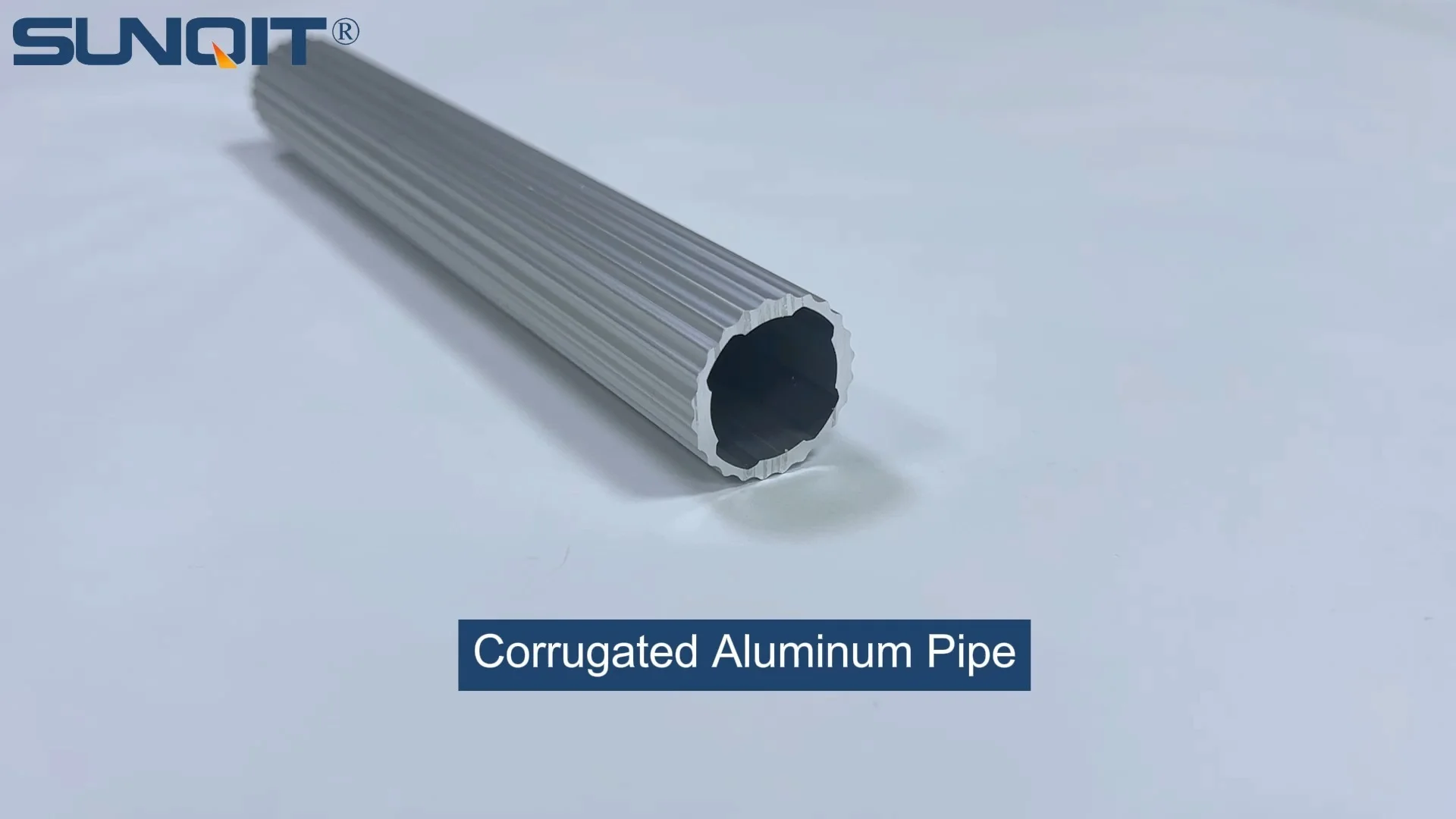
Product Description The slot side is 10mm which can work with a T sliding block for connection accessories Quick Detail Product name Corrugated Aluminum pipe model GLT28-T-3010A Material Science 6005-T6 thickness 1.7mm surface treatment anodic oxidat
The Pressure to Build Better: Why Factories Can't Ignore Sustainability Anymore
Walk through any modern factory, and you'll sense it immediately—the hum of machines isn't just about production targets anymore. It's about something bigger: sustainability. Today's factory managers aren't just measured by how many units roll off the line, but by how efficiently they use resources, how little waste they generate, and how their operations impact the planet. From stricter environmental regulations to consumers demanding eco-friendly products, the pressure to improve sustainably is real. And here's the thing: sustainability doesn't have to mean sacrificing efficiency. In fact, the best solutions boost both. That's where corrugated aluminum pipe comes in—a quiet, unassuming innovation that's quietly revolutionizing how factories operate, one workbench and flow rack at a time.
What Is Corrugated Aluminum Pipe, Anyway? Let's Break It Down
First things first: What makes corrugated aluminum pipe different from the metal tubes you might see lying around a workshop? Imagine a pipe with a series of ridges (corrugations) running along its length—think of a cardboard box's fluted design, but in aluminum. Those ridges aren't just for show. They're engineering genius. The corrugated structure adds strength without adding weight, making the pipe both lightweight and surprisingly durable. It's made from high-grade aluminum, which is melted, extruded, and shaped into that signature wavy form. The result? A material that bends without breaking, supports heavy loads without sagging, and lasts for years with minimal maintenance.
But its physical properties are just the start. Aluminum itself is a sustainability star. It's 100% recyclable, meaning when a factory finally retires a corrugated aluminum pipe, it can be melted down and turned into something new—no loss in quality, no waste piling up in landfills. Compare that to plastic pipes, which degrade over time and often end up as pollution, or steel, which is heavy and energy-intensive to produce. Corrugated aluminum pipe feels like it was designed with both factory floors and the planet in mind.

Lean Systems and Corrugated Aluminum Pipe: A Match Made in Factory Heaven
If you've spent any time in manufacturing, you've heard of lean systems —the philosophy of "doing more with less" by eliminating waste, streamlining workflows, and continuously improving processes. It's about cutting out the unnecessary: the extra steps, the idle time, the excess materials. And corrugated aluminum pipe? It's a lean system's dream come true.
Here's why: Lean systems thrive on flexibility. Factories don't produce the same products forever—demand changes, designs update, and production lines need to adapt quickly. Traditional workbenches or material racks, often made of fixed steel or wood, can't keep up. Want to reconfigure a production line? You might need to weld, drill, or even buy entirely new equipment. That's time-consuming, expensive, and wasteful—exactly the opposite of lean.
Corrugated aluminum pipe, though, is modular. It connects with simple, tool-free joints (think of building blocks for adults) that let workers rearrange, extend, or modify structures in minutes. Need to add a shelf to a workbench? Snap on a new section. Want to shorten a flow rack to fit a new product size? Disconnect a few pipes and you're done. No welding, no special tools, no downtime. This adaptability means factories can respond to changes in real time, reducing the "waste of waiting" and the "waste of overproduction" that lean systems aim to eliminate.
And let's talk about weight. Traditional steel workbenches are heavy—so heavy that moving them requires forklifts or multiple workers. That's a safety risk, and it limits how easily a factory can reorganize its floor layout. Corrugated aluminum pipe workbenches, though, are light enough for two people to carry. That means a team can rearrange their workspace during a lunch break, optimizing workflow without disrupting the entire shift. It's small changes like these that add up to big wins in lean manufacturing.
From Workbenches to Flow Racks: How Factories Are Using Corrugated Aluminum Pipe
Enough theory—let's get practical. How do factories actually use corrugated aluminum pipe day in and day out? Let's start with the workbench —the heart of any production line. A typical factory workbench needs to hold tools, parts, and sometimes heavy equipment. It also needs to be ergonomic: at the right height, with enough space, and sturdy enough to handle the daily grind. Corrugated aluminum pipe workbenches check all these boxes.
Take Maria, a production supervisor at a small electronics factory. A few years ago, her team was stuck with clunky wooden workbenches that wobbled under the weight of circuit boards and soldering tools. When they needed to add a shelf for new testing equipment, they had to drill holes, which weakened the wood over time. "We were replacing workbenches every 18 months," Maria recalls. "And moving them? Forget it—they weighed a ton." Then they switched to corrugated aluminum pipe workbenches. Now, when a new tool arrives, Maria's team just snaps on a new aluminum shelf. The workbench is light enough to adjust height with a simple lever, so taller and shorter workers can customize their stations. "It's like night and day," she says. "Less time fixing workbenches, more time building products."
Then there's the flow rack —those sloped racks that let materials glide from one workstation to the next, like a mini roller coaster for parts. Flow racks are critical for keeping production moving—no more workers walking back and forth to fetch components. But traditional flow racks, often made of steel or plastic, have problems. Steel racks are heavy and hard to adjust; plastic ones crack under heavy loads. Corrugated aluminum pipe flow racks? They're lightweight, so you can angle them just right for smooth material flow, and the corrugated design ensures they don't bend even when loaded with heavy boxes. Plus, since they're modular, you can add or remove lanes as needed. A factory making seasonal products, for example, can expand a flow rack in busy months and shrink it in slow ones—no need to buy new racks every time demand shifts.
Sustainability by the Numbers: How Corrugated Aluminum Pipe Cuts Waste and Saves Energy
Sustainability isn't just about feeling good—it's about tangible results. Let's look at the data. When a factory switches to corrugated aluminum pipe, here's what happens:
Less Material Waste
Traditional workbenches and racks are often "one and done." If a steel rack is too short, you can't extend it—you have to buy a new one. With corrugated aluminum pipe, you build only what you need, and you can reuse parts when you reconfigure. A study by the Aluminum Association found that factories using modular aluminum systems reduce material waste by up to 30% compared to fixed steel setups. That's 30% less metal ending up in scrap yards, 30% fewer resources used to make replacements.
Lower Energy Costs
Aluminum is lighter than steel, which means transporting corrugated aluminum pipe uses less fuel. It also takes less energy to produce: recycling aluminum uses 95% less energy than making it from raw ore. So when a factory chooses corrugated aluminum, it's not just saving on shipping costs—it's cutting down on the carbon footprint of the materials themselves. Over time, those energy savings add up. A mid-sized factory could reduce its annual energy bill by thousands just by switching to aluminum-based equipment.
Longevity = Less Replacement
Corrugated aluminum pipe is tough. It resists rust, dents, and corrosion, even in humid or dusty factory environments. While a wooden workbench might last 2-3 years and a plastic one 5-7, a corrugated aluminum workbench can easily last 10-15 years with basic care. That means fewer replacements, fewer shipments, and fewer resources consumed over time. It's sustainability through longevity.
Traditional Materials vs. Corrugated Aluminum Pipe: A Side-by-Side Comparison
| Feature | Corrugated Aluminum Pipe | Steel Pipe | Plastic Pipe | Wooden Structures |
|---|---|---|---|---|
| Weight | Lightweight (easy to move) | Heavy (requires machinery to move) | Light, but less sturdy | Heavy and prone to warping |
| Durability | Resists rust, dents, corrosion (10-15 year lifespan) | Strong, but rusts over time (5-8 year lifespan) | Cracks under heavy loads (3-5 year lifespan) | Wears, rots, or warps (2-3 year lifespan) |
| Recyclability | 100% recyclable (no quality loss) | Recyclable, but energy-intensive | Often not recyclable (ends up in landfills) | Biodegradable, but limited reuse |
| Flexibility | Modular (easily reconfigured with tool-free joints) | Fixed (requires welding/drilling to modify) | Limited flexibility (breaks when modified) | Fixed (permanent once built) |
| Environmental Impact | Low (recyclable, energy-efficient production) | High (energy-heavy production, rusts and needs replacement) | High (non-biodegradable, microplastic risk) | Moderate (renewable, but requires deforestation) |
It's Not Just About the Planet—It's About People, Too
Sustainability isn't just about the environment; it's about the people working in factories, too. Corrugated aluminum pipe makes their jobs easier, safer, and more satisfying. Let's go back to Maria's electronics factory. Before switching to aluminum workbenches, her team spent hours each week adjusting wobbly wooden stations or struggling to move heavy equipment. Now, with lightweight, adjustable workbenches, they can focus on building products, not fixing tools. "Morale is up," Maria says. "When workers don't have to fight against their workspace, they feel valued. And happy workers are more productive workers."
Safety is another win. Steel racks can collapse under too much weight, and wooden shelves splinter, creating sharp edges. Corrugated aluminum pipe's strength and durability mean fewer accidents. Its smooth, rounded edges (no splinters or sharp corners) reduce the risk of cuts. And since it's lightweight, there's less strain on workers' backs when moving equipment—a small change that adds up to fewer injuries and healthier teams.
The Future of Factories: Why Corrugated Aluminum Pipe Is Here to Stay
So, what does the future hold? As factories move toward "smart manufacturing" and Industry 4.0—where machines and systems are connected, data-driven, and hyper-flexible—corrugated aluminum pipe will only become more essential. Its modular design pairs perfectly with the need for agile production lines that can switch from making smartphones to medical devices overnight. And as aluminum recycling technology improves, the material will become even more eco-friendly, with lower production costs and higher efficiency.
Imagine a factory where every workbench, flow rack, and material cart is made of corrugated aluminum pipe. A factory where reconfiguring a production line takes hours, not weeks. Where waste is minimal, energy use is low, and workers go home feeling proud of what they've built—both products and a healthier planet. That future isn't far off. It's already happening, one corrugated aluminum pipe at a time.
Conclusion: Small Changes, Big Impact
Sustainable improvement in factories doesn't have to come from flashy, expensive tech. Sometimes, it's the simple innovations—the ones that make work easier, last longer, and leave a smaller footprint—that make the biggest difference. Corrugated aluminum pipe is one of those innovations. It's not just a pipe; it's a tool for building better factories: factories that are more efficient, more adaptable, and more sustainable. For managers like Maria, it's a game-changer. For the planet, it's a step forward. And for all of us who rely on the products made in those factories? It's a reminder that progress and sustainability can go hand in hand. The next time you walk through a factory, take a look around. Chances are, you'll spot a corrugated aluminum pipe—and now you'll know: that's not just metal. That's the future of manufacturing, quietly at work.