- Company Articles
- Products and Technology
- Product knowledge
- How Do 2040 Aluminum Profile End Caps Work in Profile Systems?

How Do 2040 Aluminum Profile End Caps Work in Profile Systems?
Related Product
2040 Aluminum Profile End Cap
The aluminum profile end cap adds a finishing touch to your project and closes off profile ends to limit dust and debris buildup, also it can avaid some scratch for material and labor during the assemble work.
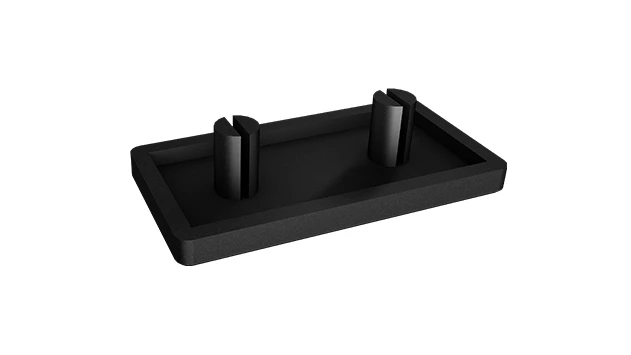
In the world of aluminum extrusion profiles, every component plays a quiet but crucial role. Today, we're shining a light on one of the unsung heroes: the 2040 aluminum profile end cap. These small, often overlooked pieces are the finishing touch that transforms raw profiles into safe, functional, and polished systems—whether you're building a workbench, a material rack, or a conveyor track. Let's dive into how they work, why they matter, and how they fit into the bigger picture of lean manufacturing and industrial design.
First Things First: What Even Is a 2040 Aluminum Profile?
Before we get to the end caps, let's make sure we're all on the same page about the star of the show: the 2040 aluminum extrusion profile. If you've ever walked through a workshop, a warehouse, or even a tech lab, you've probably seen these profiles in action—they're the backbone of everything from sturdy workbenches to sleek material racks.
The "2040" in the name refers to its dimensions: 20mm in width and 40mm in height. Unlike heavier steel structures, aluminum profiles are lightweight yet surprisingly strong, thanks to their hollow, T-slot design. Those T-slots are what make them so versatile—they let you slide in accessories like brackets, shelves, or roller tracks with ease, no welding required. It's why they're a favorite in lean systems, where flexibility and quick reconfiguration are key.
Commonly used in workbenches (think Aluminum Workbench A or Workbench E), material racks (like Material Rack B with its 3 rows and 3 floors), and even conveyor systems, 2040 profiles balance size, strength, and adaptability. But as useful as they are, raw, cut profiles have one big flaw: their ends are sharp, unfinished, and open to the elements. That's where end caps come in.
Meet the 2040 Aluminum Profile End Cap: Small Part, Big Impact
At first glance, a 2040 end cap might look like a simple plastic or aluminum plug. But don't let its simplicity fool you. These caps are engineered to solve three critical problems in aluminum profile systems: safety, protection, and aesthetics.
Most end caps are made from durable plastics (like nylon or polypropylene) or lightweight aluminum. Plastic versions are cost-effective and great for indoor use, while aluminum end caps add a sleek, industrial look and extra durability for heavy-duty applications. Some even come with rubber gaskets or soft edges for added grip or sealing—more on that later.
But what really sets them apart is their design. A well-made 2040 end cap isn't just a "one-size-fits-all" plug. It's shaped to perfectly fit the inner dimensions of a 2040 profile, with subtle ridges or tabs that lock it in place. Some are snap-on, others press-fit, and a few even have threaded holes for screws—letting you secure them permanently if needed. No matter the style, the goal is the same: to cover the open end of the profile without slipping or falling out, even with daily use.

How Do They Actually Work? Let's Break Down the Installation
Installing a 2040 aluminum profile end cap is refreshingly simple—no special tools, no technical expertise, just a few easy steps. Here's how it typically goes:
- Prep the profile end: First, make sure the cut end of the 2040 profile is clean and free of burrs. A quick pass with a deburring tool or sandpaper removes sharp edges, ensuring the end cap sits flush and doesn't get damaged during installation.
- Align the end cap: Hold the end cap up to the profile end. You'll notice it has a slightly tapered design—this helps guide it into place. For snap-on caps, look for small plastic tabs that correspond to the T-slot openings in the profile; these tabs will "snap" into the slots to lock the cap in.
- Press or snap into place: With a firm, even push, press the end cap into the profile. For press-fit caps, you'll feel resistance as the cap's ridges compress slightly, creating a tight seal. Snap-on caps will make a satisfying "click" when the tabs engage with the T-slots. If it's a threaded end cap, you might twist it gently as you push to set the threads.
- Check for stability: Give the end cap a light tug to make sure it's secure. It should stay in place even with minor bumps or vibrations—no wiggling or falling off.
The beauty of this design is its simplicity. Unlike welding or gluing, end caps can be removed and reused if you need to reconfigure your profile system later—a key feature for lean manufacturing, where adaptability saves time and money.

The Secret Roles of 2040 End Caps: More Than Just a "Cover"
Now that we know how they're installed, let's talk about why they matter. End caps do three big jobs in a profile system, each as important as the last:
Safety First: No More Sharp Edges
Raw aluminum profile ends are sharp—like tiny knives waiting to scratch hands, catch clothing, or even cause more serious injuries. In busy work environments, where employees are moving quickly around workbenches or material racks, these sharp edges are a hazard. End caps smooth them out, turning dangerous edges into soft, rounded surfaces. It's a small change, but it makes a huge difference in reducing workplace accidents.
Protection: Keeping the Elements (and Debris) Out
Aluminum profiles are hollow, which is great for weight savings but not so great for keeping out dust, dirt, or moisture. Over time, debris can build up inside the profile, clogging T-slots or even causing corrosion (especially in humid or outdoor settings). End caps seal off the open end, acting as a barrier against dust, water, and grime. This not only keeps the profile clean but also extends its lifespan—important for systems that need to last years, like conveyor roller tracks or heavy-duty workbenches.
Aesthetics: Polishing the Look of Your System
Let's be honest: raw, cut aluminum ends look unfinished. Whether you're building a customer-facing display or a workshop workbench, end caps give your profile system a clean, professional appearance. They hide the rough cut edges and create a cohesive look, tying together different components like aluminum guide rails, roller tracks, and caster wheels into a unified whole. In lean systems, where organization and visual clarity are priorities, a polished look isn't just about aesthetics—it's about creating an environment that feels intentional and efficient.
How Do 2040 End Caps Compare to Other Profile End Caps?
Aluminum profiles come in all shapes and sizes—2020, 3030, 4040, and beyond—and each has its own end cap. So how does the 2040 end cap stack up? Let's take a quick look at how it compares to some common counterparts:
| Profile Type | End Cap Size | Common Materials | Key Use Cases | Installation Quirks |
|---|---|---|---|---|
| 2020 Aluminum Profile | 20mm x 20mm | Plastic, nylon | Small frames, electronics enclosures | Very lightweight; easy to lose if not snapped in tight |
| 2040 Aluminum Profile | 20mm x 40mm | Plastic, aluminum | Workbenches, material racks, conveyor sides | Tapered design for easy alignment; fits T-slots snugly |
| 3030 Aluminum Profile | 30mm x 30mm | Plastic, aluminum, steel (heavy-duty) | Heavy-duty racks, machine guards | Thicker walls; may require more force to press-fit |
| 4040 Aluminum Profile | 40mm x 40mm | Aluminum, reinforced plastic | Industrial workstations, automated systems | Often threaded for permanent installation |
The 2040 end cap hits a sweet spot between size and versatility. It's not as small as the 2020 (which can feel flimsy in high-traffic areas) nor as bulky as the 4040 (which is overkill for lighter applications). This makes it ideal for mid-weight systems like workbenches (think Workbench E, a single-deck setup without casters) or Material Rack B, which needs to support multiple rows and floors of materials without adding unnecessary weight.
Real-World Impact: Where 2040 End Caps Shine
To really understand the value of 2040 aluminum profile end caps, let's look at a few everyday scenarios where they make a big difference:
In Workbenches: Keeping Hands Safe During Assembly
Imagine a busy production line where workers are assembling small parts on an Aluminum Workbench A. The workbench's frame is built from 2040 profiles, and without end caps, the corners would have sharp edges. A quick reach for a tool, a slip of the hand, and suddenly an employee is dealing with a cut. With end caps, those edges are smooth and safe, letting workers focus on the task without worrying about injuries.
In Material Racks: Protecting Inventory and Profiles Alike
Material Rack B, with its 3 rows and 3 floors, is designed to hold boxes, tools, and components. Without end caps, dust and moisture could seep into the 2040 profile ends, leading to rust or corrosion over time. End caps seal those ends, keeping the profiles strong and the stored materials clean. Plus, when workers slide boxes onto the rack, the smooth end caps prevent snags, reducing wear and tear on both the rack and the inventory.
In Conveyor Systems: Ensuring Smooth Material Flow
Conveyors rely on precision—roller tracks, guide rails, and caster wheels all working together to move materials seamlessly. The 2040 profiles often form the side rails of these conveyors. End caps here prevent debris from falling into the conveyor mechanism and keep the rails looking neat, which matters in clean environments like electronics manufacturing. They also protect maintenance workers who might lean against the rails during inspections.
Choosing the Right 2040 End Cap: It's All About the Details
Not all 2040 end caps are created equal. To pick the best one for your system, ask yourself a few questions:
- Indoor or outdoor use? For outdoor systems or humid environments, aluminum end caps or plastic caps with rubber gaskets offer better water resistance than basic plastic.
- Heavy-duty or light use? If your profile system will see a lot of bumps (like a turnover trolley with caster wheels), opt for thicker, reinforced plastic or aluminum end caps that can take a beating.
- Aesthetics matter? For visible systems (like a customer-facing display), aluminum end caps add a sleek, metallic finish that plastic can't match.
- Need to remove it later? Snap-on or press-fit caps are easier to remove than threaded ones, which require unscrewing.
Don't forget to pair your end cap with other aluminum profile accessories for a fully optimized system. For example, adding an aluminum profile rubber strip along the T-slots can enhance sealing, while caster accessories ensure your mobile workbench or trolley moves smoothly without damaging floors.
Wrapping Up: The Small Part That Makes a Big Difference
2040 aluminum profile end caps might not be the most glamorous components in your industrial setup, but they're proof that great systems are built on great details. They turn sharp, unfinished profiles into safe, durable, and professional systems that support lean manufacturing, boost productivity, and keep workers safe.
Whether you're a supplier putting together custom workbenches, a manufacturer building conveyor lines, or a workshop owner organizing your space, don't overlook these tiny but mighty pieces. After all, in the world of aluminum extrusion profiles, it's the little things that hold everything together.