- Company Articles
- Products and Technology
- Product knowledge
- How Do Aluminum Pipe Clamps Work? Mechanism Explained for Beginners

How Do Aluminum Pipe Clamps Work? Mechanism Explained for Beginners
Related Product
Aluminum Pipe Clamp
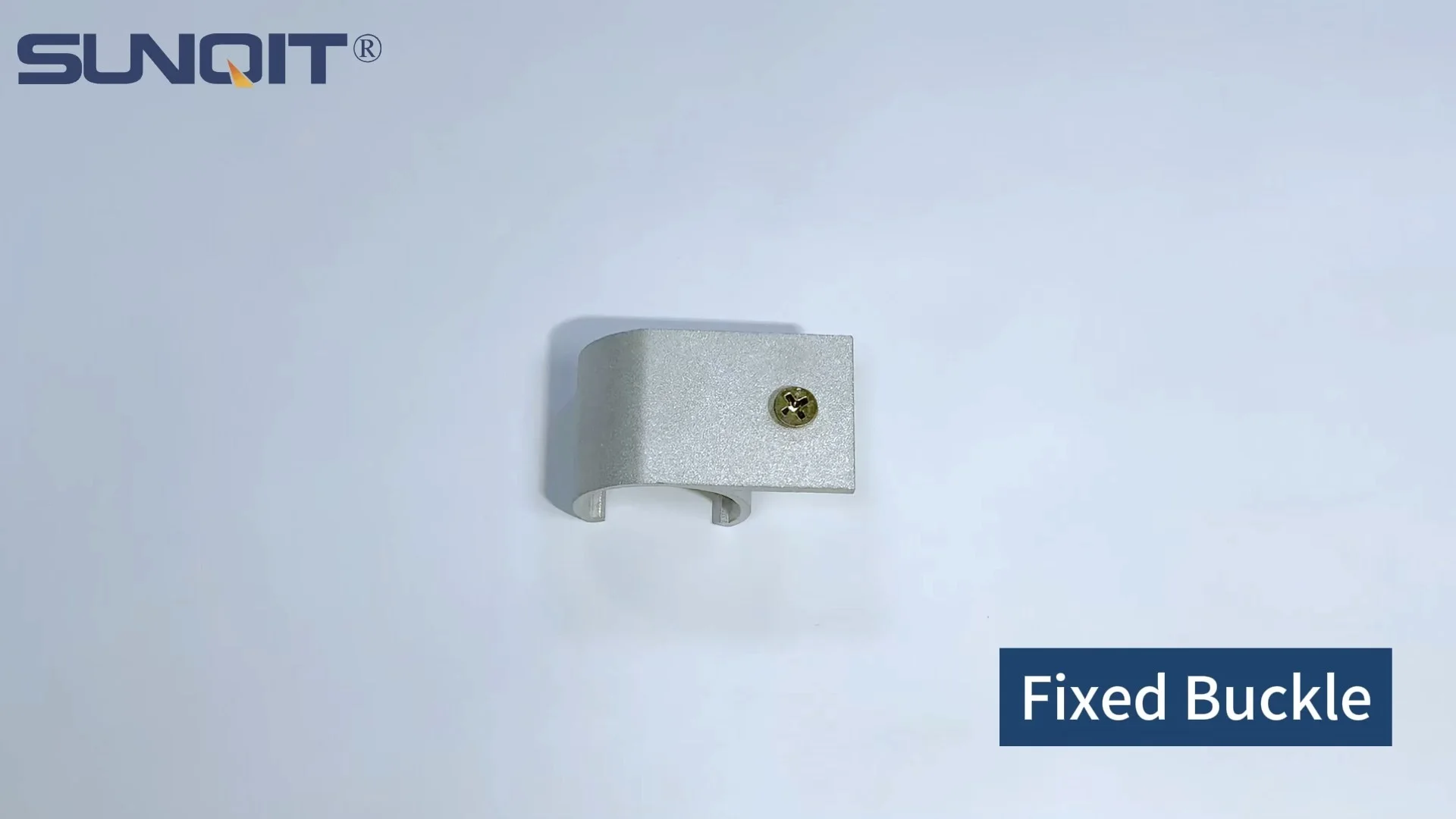
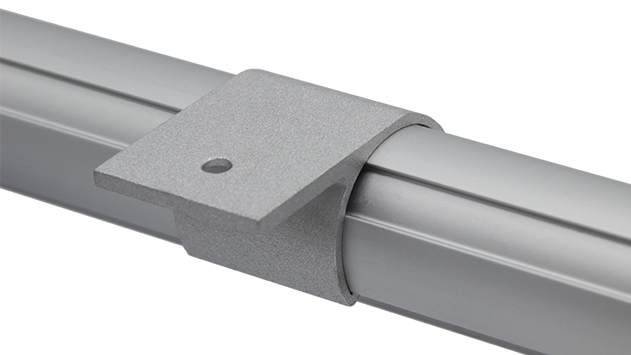
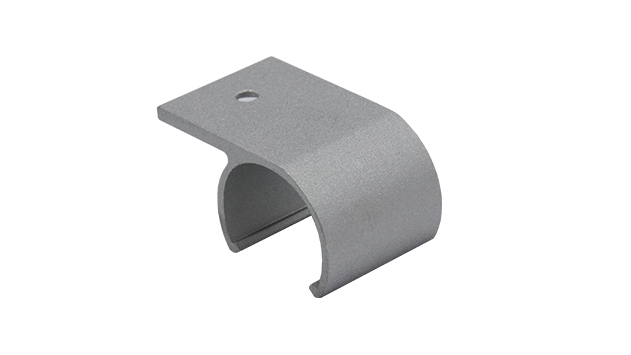
Aluminum pipe side clamp used for 28mm aluminum pipe connect with table top, or other accessories.
Introduction: The Unsung Heroes of Sturdy Connections
If you've ever walked through a manufacturing plant, a workshop, or even a well-organized garage, you've probably seen structures built with sleek, silver pipes—workbenches, material racks, flow racks, or conveyor systems. What holds these structures together? More often than not, it's a small but mighty component: the aluminum pipe clamp. These unassuming devices are the backbone of modular setups, allowing for quick assembly, disassembly, and reconfiguration. But how exactly do they work? For beginners stepping into the world of lean systems, aluminum profiles, or DIY projects, understanding aluminum pipe clamps is key to building anything from a simple shelf to a complex production line.
In this guide, we'll break down the mechanics of aluminum pipe clamps in plain language. We'll cover their basic components, how they secure pipes and profiles, the different types available, and why they're a go-to choice for professionals and hobbyists alike. Whether you're setting up an ESD workstation, building a turnover trolley, or just curious about the tools behind modular design, this article will demystify aluminum pipe clamps and help you use them with confidence.
The Basics: What Is an Aluminum Pipe Clamp?
At its core, an aluminum pipe clamp is a device designed to connect two or more aluminum pipes (or aluminum profiles) securely. Unlike permanent welds or glue, clamps create temporary yet strong joints that can be adjusted or removed when needed. This flexibility is why they're a cornerstone of lean manufacturing systems, where adaptability and efficiency are priorities. But aluminum pipe clamps aren't just about flexibility—they're also built to withstand daily wear and tear, making them reliable for both light and heavy-duty applications.
Before diving into how they work, let's clarify what we mean by "aluminum pipe" here. In most cases, we're referring to aluminum lean pipes—lightweight, corrosion-resistant tubes commonly used in modular structures. These pipes often pair with aluminum profiles (extruded aluminum shapes with T-slots or grooves) and a range of aluminum pipe accessories, including joints, brackets, and casters. The aluminum pipe clamp acts as the bridge between these components, ensuring everything stays in place.
Inside an Aluminum Pipe Clamp: Key Components
To understand how aluminum pipe clamps work, let's first look at their parts. While designs vary by type and manufacturer, most clamps share a few essential components:
1. The Body (Frame)
The body is the main structure of the clamp, typically made from die-cast aluminum alloy. Aluminum is chosen for its perfect balance of strength, lightweight, and resistance to rust—ideal for both indoor and outdoor use. The body is shaped to wrap around or grip the pipe, with a design that matches the pipe's diameter (common sizes include 20mm, 30mm, or 40mm for standard aluminum lean pipes).
2. The Clamping Mechanism
This is where the magic happens. Most clamps use a screw-driven mechanism: a bolt or knob that, when tightened, squeezes the clamp's jaws around the pipe. Some designs feature a cam lever for quick adjustments, but the screw type is more common for its precision and holding power. The key here is that the clamping force is adjustable—tighten it more for heavy loads, loosen it when you need to reposition the pipe.
3. Gripping Surfaces
To prevent slipping, the inner surfaces of the clamp (the parts that touch the pipe) often have teeth, ridges, or rubberized pads. These gripping surfaces dig into the pipe slightly when tightened, creating friction that resists movement. For aluminum pipes, which are smooth, this extra grip is crucial to ensuring the joint doesn't loosen under vibration or weight.
4. Mounting Points (for Profiles or Accessories)
Many aluminum pipe clamps also include holes, slots, or tabs that let you attach other components. For example, a clamp might have a T-slot compatible with aluminum profile accessories, allowing you to bolt on a workbench top, a material rack, or a roller track. This versatility is what makes clamps so useful in modular systems—they're not just connectors, but also attachment points for other tools and parts.
How It All Comes Together: The Clamping Mechanism in Action
Now that we know the parts, let's walk through how an aluminum pipe clamp actually secures two pipes. Imagine you're building a simple frame with two aluminum lean pipes: one vertical, one horizontal. Here's how the clamp does its job:
Step 1: Positioning the Clamp
First, you slide the clamp onto the vertical pipe. Most clamps are designed to fit snugly but not tightly at first—this lets you adjust the position before securing it. If you're connecting two pipes at a 90-degree angle (like the corner of a frame), you'll align the horizontal pipe with the clamp's "arm" or second opening, which is usually perpendicular to the first.
Step 2: Tightening the Screw (or Lever)
Once the pipes are in place, you tighten the clamp's screw (often with a hex key or a hand knob). As you turn the screw, it pulls the clamp's jaws together. The inner gripping surfaces press against the pipes, and the teeth or ridges bite into the aluminum. This creates a strong, friction-based hold that resists both lateral (sideways) and axial (up/down) movement.
Step 3: Locking in Place
For added security, some clamps have a locking nut or a cam mechanism that prevents the screw from loosening over time. Even without these features, the combination of friction and the clamp's rigid aluminum body ensures the joint stays tight, even under stress. Think of it like a very strong hug for your pipes—gentle enough to not damage the aluminum, but firm enough to keep everything steady.
Step 4: Disassembly (When Needed)
The best part? When you need to reconfigure your setup—say, to make the workbench taller or add a shelf—you simply loosen the screw. The jaws release, and you can slide the clamp off or reposition it. This is a huge advantage over welding or gluing, which are permanent and time-consuming to undo. Aluminum pipe clamps turn "fixed" structures into flexible ones that can evolve with your needs.

Types of Aluminum Pipe Clamps: Choosing the Right One for the Job
Not all aluminum pipe clamps are created equal. Different designs are tailored to specific tasks, angles, and load capacities. Let's explore some common types you might encounter, including a few mentioned in our keyword list:
| Clamp Type | Design | Best For | Load Capacity (Approx.) | Compatibility |
|---|---|---|---|---|
| 90-Degree Fixed Clamp | Two perpendicular openings for pipes | Corners of frames, workbenches, or racks | Medium (up to 50kg per clamp) | Aluminum lean pipes, basic aluminum tubes |
| Parallel Clamp | Two parallel openings for side-by-side pipes | Reinforcing frames, adding cross-braces | Medium-High (up to 80kg per clamp) | Aluminum lean pipes, aluminum profiles |
| Adjustable Angle Clamp | Rotating joints to set angles (30°, 45°, 135°, etc.) | Sloped surfaces, triangular frames, material racks | Light-Medium (up to 40kg per clamp) | Aluminum lean pipes, stainless steel pipe series |
| T-Slot Clamp | Features T-slot openings for aluminum profile accessories | Attaching shelves, panels, or roller tracks to profiles | Medium (up to 60kg per clamp) | Aluminum extrusion profiles, T-slot aluminum pipes |
| Heavy-Duty Parallel Clamp | Thicker aluminum body, reinforced jaws | Conveyor systems, heavy material racks (e.g., material rack B with 3 rows and 3 floors) | High (up to 150kg per clamp) | Thicker aluminum lean pipes, aluminum honeycomb panels |
Specialized Clamps: Beyond Basic Connections
Some clamps are designed for unique tasks. For example, the "parallel fixation aluminum pipe joint" (a type of parallel clamp) is built to secure two pipes running side by side, which is useful for reinforcing long spans, like the legs of a workbench. Then there's the "aluminum pipe clamp with board holder," which includes a built-in bracket for attaching plywood or metal sheets—perfect for creating workbench tops or shelf surfaces without extra accessories.
Another notable type is the "lean pipe joint," which is often used interchangeably with pipe clamps in lean system setups. While "joints" can refer to fixed connectors, many modern lean pipe joints are actually adjustable clamps, allowing for the same flexibility as their pipe clamp cousins. For example, a "three-way lean pipe joint" lets you connect three pipes at once (e.g., two horizontal, one vertical), making it easy to build multi-level material racks or complex frames.
Why Aluminum? The Benefits of Aluminum Pipe Clamps
You might be wondering: why use aluminum for pipe clamps? Why not steel or plastic? Aluminum offers a few key advantages that make it the top choice for most modular systems:
Lightweight Yet Strong
Aluminum is about one-third the weight of steel, making clamps easy to handle during assembly. But don't let the lightness fool you—aluminum alloys (like those used in clamps) are surprisingly strong, with tensile strengths comparable to mild steel. This means you get a clamp that's easy to install but can still support heavy loads.
Corrosion Resistance
Unlike steel, aluminum naturally forms a protective oxide layer that resists rust and corrosion. This makes aluminum pipe clamps ideal for humid environments (like workshops near the coast) or areas where cleaning with water is common. For even more protection, some clamps are anodized (coated with a thicker oxide layer), giving them a sleek finish and extra durability.
Compatibility with Aluminum Profiles
Aluminum pipe clamps are designed to work seamlessly with other aluminum components, like aluminum profiles and aluminum lean pipes. Since they're made from the same material, they expand and contract at the same rate in temperature changes, reducing stress on joints. Plus, their smooth finish matches the look of aluminum profiles, creating a clean, professional appearance.
Cost-Effective
While high-quality aluminum clamps aren't the cheapest option upfront, they save money in the long run. Their durability means they last for years, and their reusability lets you repurpose them for new projects instead of buying new parts. For small businesses or DIYers, this makes aluminum pipe clamps a budget-friendly choice.
Working with Aluminum Pipe Clamps: Tips for Beginners
Now that you know how aluminum pipe clamps work and why they're useful, let's cover some practical tips to help you get the most out of them. Whether you're building your first workbench or setting up a flow rack, these pointers will ensure your project is sturdy, safe, and easy to assemble.
1. Match Clamp Size to Pipe Diameter
Aluminum lean pipes and tubes come in different diameters (e.g., 28mm, 30mm, 40mm). Always check that your clamp is designed for your pipe size—using a clamp that's too small will damage the pipe, while one that's too large won't grip properly. Most clamps list the compatible pipe diameter on the packaging or product description.
2. Don't Over-Tighten the Screw
It's tempting to crank the clamp screw as tight as possible, but this can warp the clamp or dent the aluminum pipe. Tighten until the clamp feels secure—you should be able to wiggle the pipe slightly at first, but once the jaws grip, stop. A good rule of thumb: if the clamp body starts to bend, you've gone too far.
3. Use the Right Tools
Most clamps use hex screws (Allen keys) or Phillips-head screws. Using the correct size tool ensures you don't strip the screw head, which can make disassembly a nightmare later. Keep a set of hex keys (metric sizes, since aluminum profiles and pipes often use metric measurements) handy for quick adjustments.
4. Distribute Weight Across Multiple Clamps
Even the strongest clamp has its limits. For heavy loads—like a workbench holding power tools or a material rack with 3 rows and 3 floors—use multiple clamps per joint. For example, instead of one clamp at a corner, use two (one above, one below) to spread the weight and reduce stress on any single connection.
5. Clean and Lubricate Occasionally
Dirt and debris can get stuck in the clamp's threads or gripping surfaces, making it hard to tighten or loosen. Wipe clamps with a dry cloth after use, and apply a small amount of lubricant (like silicone spray) to the screw threads if they start to stick. Avoid oil-based lubricants, which can attract dust.
Real-World Applications: Where Aluminum Pipe Clamps Shine
To see aluminum pipe clamps in action, let's look at a few common setups where they play a starring role:
Workbenches and ESD Workstations
Workbenches (like "workbench e (single deck-without caster)" from our keyword list) rely on aluminum pipe clamps to secure the frame, legs, and shelves. For ESD workstations (used in electronics manufacturing to prevent static damage), clamps ensure all aluminum components are grounded and stable, protecting sensitive equipment during assembly.
Flow Racks and Roller Tracks
Flow racks use gravity to move materials from one end to the other, often with roller tracks (like "plastic roller track guide rail yellow" or "aluminum guide rail a"). Aluminum pipe clamps secure the roller track to the rack frame, ensuring the track stays level and doesn't shift under the weight of boxes or parts. They also allow for easy adjustment of the track angle to control material flow speed.
Turnover Trolleys and Material Racks
Turnover trolleys (used to transport goods around a facility) need to be both lightweight and sturdy. Aluminum pipe clamps connect the aluminum lean pipes that form the trolley's frame, while also attaching casters (wheels) for mobility. For material racks like "material rack b (3 row and 3 floor)," clamps secure the vertical supports and horizontal shelves, ensuring the rack can hold heavy boxes without wobbling.
Conveyor Systems
Conveyors (belt, roller, or chain-driven) require precise alignment to move materials smoothly. Aluminum pipe clamps attach the conveyor frame to support structures, and they also secure components like "swivel roller balls 1 inch" (used for easy material sliding). Since conveyors vibrate during use, clamps with locking mechanisms are often used to prevent loosening over time.
Troubleshooting Common Issues with Aluminum Pipe Clamps
Even with the best practices, you might run into problems. Here's how to fix some common clamp-related issues:
Problem: The clamp keeps slipping
Solution: Check if the pipe is clean—grease or oil can reduce friction. Wipe the pipe with rubbing alcohol. If the gripping surfaces are worn (no teeth left), replace the clamp. For extra grip, wrap a thin strip of rubber (like a bicycle inner tube) around the pipe before clamping, but avoid thick materials that can compress and loosen over time.
Problem: The screw is stuck or stripped
Solution: Spray the screw with penetrating oil (like WD-4) and let it sit for 10 minutes. Use a rubber band over the screw head for extra grip with your tool. If the head is stripped, use a screw extractor (a small tool that drills into the screw and lets you twist it out). Prevention is better than cure—always use the right tool size!
Problem: The clamp body is bent
Solution: Bent clamps can't grip evenly and should be replaced. To avoid bending, don't use clamps beyond their load capacity, and distribute weight across multiple clamps as mentioned earlier.
Conclusion: Small Clamps, Big Impact
Aluminum pipe clamps may not be the most glamorous tools in your workshop, but they're undoubtedly some of the most useful. By understanding their components, mechanism, and types, you can build sturdy, flexible structures that adapt to your needs—whether you're a hobbyist setting up a garage workbench or a manufacturer optimizing a production line. From securing aluminum lean pipes in a simple frame to connecting roller tracks in a complex conveyor system, these clamps make modular design accessible to everyone.
As you dive deeper into the world of aluminum profiles, lean systems, and modular setups, remember: the best connections start with the right clamp. Choose wisely, install carefully, and don't be afraid to experiment—after all, the beauty of aluminum pipe clamps is that if you don't like your setup, you can just loosen a few screws and start again. Happy building!