- Company Articles
- Products and Technology
- Product knowledge
- How Do Flat Swivel Castor Wheels Work? Mechanism & Key Components Explained

How Do Flat Swivel Castor Wheels Work? Mechanism & Key Components Explained
Related Product
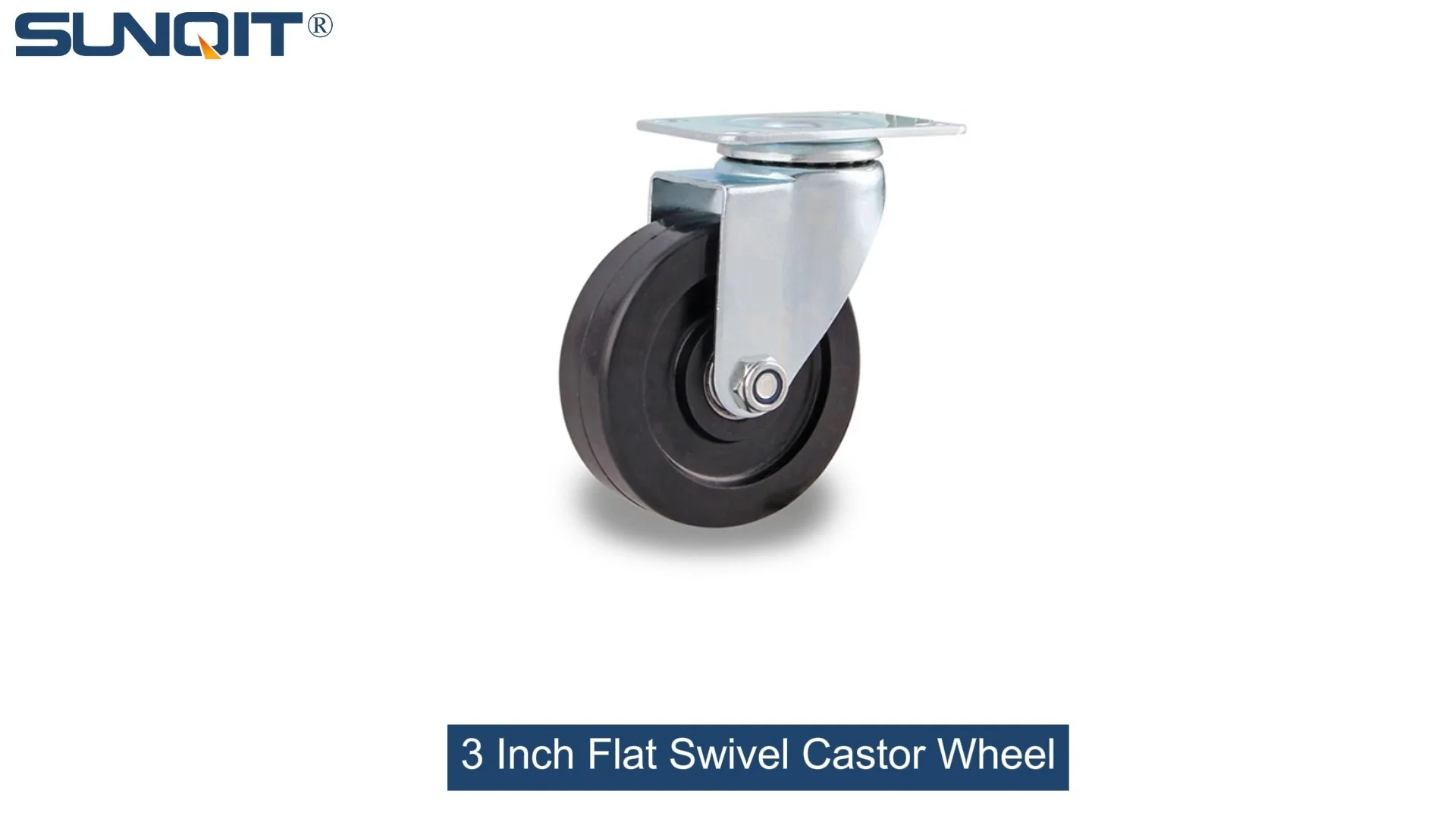
Flat Swivel Castor Wheel
Chair Casters Ball Bearing Wheels Rubber Base. Resistant to abrasion, impact and corrosion. Heavy payload can hold 70-90Kgs per pcs,which can make it works at a stable and smooth status.
Picture this: You're in a busy warehouse, pushing a loaded trolley stacked with boxes. As you approach a tight corner, you gently nudge the handle, and the trolley glides smoothly, turning without hesitation. Or maybe you've adjusted a workbench in your garage, sliding it across the floor to make space for a new project—effortlessly, even with tools and materials on top. What makes these everyday movements possible? Chances are, it's the unsung hero of mobility: flat swivel castor wheels. These small but mighty components are everywhere, from hospital carts to workshop trolleys, and understanding how they work can help you appreciate the engineering that simplifies our daily tasks. In this article, we'll dive into the mechanism behind flat swivel castor wheels, break down their key components, and explore why they're indispensable in so many industries.
What Are Flat Swivel Castor Wheels, Anyway?
Before we get into the nitty-gritty of how they work, let's clarify what a flat swivel castor wheel actually is. At its core, a caster is a wheel mounted on a bracket, designed to make objects mobile. But not all casters are created equal. Fixed casters lock into place, only rolling forward and backward—great for straight-line movement but useless for tight turns. Swivel casters, on the other hand, can rotate 360 degrees, allowing the object to move in any direction. And "flat" swivel castors? The term refers to their mounting style: instead of a stem that inserts into a hole, they have a flat plate (the "mounting plate") that bolts or screws directly onto the bottom of the object, like a workbench or trolley. This flat design makes them sturdy, easy to install, and ideal for heavy loads.
Unlike stem casters, which are often used for lighter items like office chairs, flat swivel castor wheels are workhorses. You'll find them on industrial equipment, medical carts, and even large appliances. Their ability to combine strength with maneuverability is what sets them apart. Think of a hospital stretcher: it needs to move quickly through crowded corridors, stop suddenly, and turn sharply—all while carrying a patient. Flat swivel castor wheels with brakes make that possible, balancing mobility with control.
The Mechanism: How Flat Swivel Castor Wheels Move (and Turn) So Smoothly
The magic of flat swivel castor wheels lies in their ability to rotate freely and roll smoothly, even under heavy weight. Let's break down the mechanism step by step, starting with what happens when you push or pull an object equipped with these casters.
1. The Swivel Head: Your 360-Degree Pivot Point
At the heart of a flat swivel castor wheel is the swivel head —a circular housing that sits between the mounting plate and the wheel assembly. This is what allows the wheel to rotate 360 degrees. Inside the swivel head, you'll find bearings (usually ball bearings or roller bearings) that reduce friction. When you push an object, the swivel head rotates, aligning the wheel in the direction of movement. It's like the steering wheel of a car, but automatic: the wheel "follows" the direction of the force applied, making turns effortless.
Imagine pushing a shopping cart. When you turn the handle, the front swivel casters rotate, pointing the wheels toward the direction you want to go. The same principle applies to a flat swivel castor: the swivel head responds to the force you apply, ensuring the wheel is always aligned with the movement path. Without this pivot point, you'd have to lift and reposition the object to change direction—hardly efficient!
2. The Wheel: Rolling with Minimal Resistance
Of course, the wheel itself is crucial. Flat swivel castor wheels come in various materials—rubber, polyurethane, nylon, or even steel—each suited to different environments. For example, rubber wheels are quiet and grip well on smooth floors (perfect for hospitals), while steel wheels are tough enough for rough industrial settings. The wheel's diameter also matters: larger wheels roll over obstacles (like small cracks or thresholds) more easily than smaller ones, which is why you'll see bigger wheels on outdoor or warehouse casters.
Inside the wheel, there's another set of bearings (called wheel bearings ) that allow the wheel to spin freely around its axle. These bearings minimize friction between the wheel and axle, so even a heavy load feels light to push. Ever tried moving a cart with a seized wheel? That's usually a sign the wheel bearings are worn out—proof of how important they are to smooth movement.
3. Brakes: When You Need to Hit Pause
Mobility is great, but sometimes you need an object to stay put. That's where brakes come in. Many flat swivel castor wheels (often called flat swivel castor wheel with brake models) include a braking mechanism, usually operated by a foot pedal. There are two common types of brakes: wheel brakes and swivel locks. Wheel brakes press a pad against the wheel to stop it from rolling, while swivel locks lock the swivel head in place, preventing the wheel from rotating. Some casters have both, giving you full control over movement and direction.
Think about a workbench in a factory. When workers are using it, they'll engage the brakes to keep it steady. When it's time to reposition the bench, they disengage the brakes, and the flat swivel castors take over, making it easy to move. Brakes aren't just about convenience—they're a safety feature, preventing accidents in busy spaces where objects might roll unexpectedly.
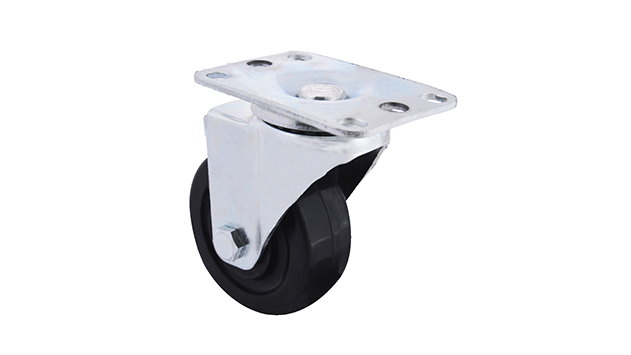
Key Components: The Building Blocks of a Flat Swivel Castor Wheel
To really understand how flat swivel castor wheels work, let's zoom in on their individual parts. Each component plays a specific role, and together, they create a system that's both strong and flexible. Below is a breakdown of the most important components, along with their functions and why they matter.
| Component | Function | Common Materials | Why It Matters |
|---|---|---|---|
| Mounting Plate | Attaches the caster to the object (e.g., workbench, trolley) | Steel, aluminum | Distributes the load evenly, ensuring the caster stays securely attached even under heavy weight. |
| Swivel Head | Houses bearings and allows 360-degree rotation of the wheel | Steel, plastic (for light loads) | Enables smooth turning and maneuverability; bearings reduce friction for easy movement. |
| Caster Wheel | Rolls along the floor, supporting the load | Rubber, polyurethane, nylon, steel | Determines grip, noise level, and durability; material choice depends on the environment (e.g., smooth floors vs. rough terrain). |
| Bearings (Swivel & Wheel) | Reduce friction between moving parts | Steel ball bearings, roller bearings | Make rotation (swivel and wheel spin) effortless, even with heavy loads; worn bearings cause squeaking or sticking. |
| Brake Mechanism | Stops the wheel from rolling or locks the swivel head | Steel, rubber (brake pads) | Enhances safety by preventing unintended movement; critical for stationary tasks (e.g., working on a trolley). |
| Caster Accessories | Includes axle nuts, washers, lubricants, and replacement parts | Steel, plastic, rubber | Keeps the caster in good working order; accessories like lubricants maintain smooth movement, while washers prevent parts from loosening. |
Mounting Plate: The Unsung Foundation
The mounting plate might not be the most glamorous part, but it's the backbone of the caster. Made from strong materials like steel or aluminum, it's bolted or screwed to the bottom of the object (a workbench, trolley, etc.). The plate's design ensures the load is spread evenly across the caster, preventing it from bending or breaking under pressure. For example, a heavy-duty mounting plate with multiple bolt holes is essential for industrial equipment that carries hundreds of pounds. Without a sturdy mounting plate, even the best wheel and swivel head would fail—so don't overlook this humble component!
Caster Accessories: The Little Parts That Keep Things Running
While the main components get the spotlight, caster accessories are the behind-the-scenes heroes that keep flat swivel castors working long-term. These include axle nuts (which hold the wheel onto the axle), washers (to reduce friction between parts), and lubricants (to keep bearings smooth). Over time, nuts can loosen, washers can wear, and bearings can dry out—so having the right accessories on hand makes maintenance a breeze. For example, a tube of bearing lubricant can fix a squeaky wheel in minutes, and replacement axle nuts ensure you don't have to replace the entire caster if a part wears out.
Even small accessories like dust caps matter. They keep dirt and debris out of the swivel head, preventing bearings from getting clogged. In dusty environments like construction sites or warehouses, these caps extend the life of the caster significantly. So, when you're shopping for flat swivel castors, don't forget to ask about accessories—they're an investment in longevity.

Types of Flat Swivel Castor Wheels: Finding the Right Fit
Not all flat swivel castor wheels are the same. Depending on your needs—load capacity, floor type, environment—you'll choose different designs. Let's explore a few common types to help you understand which one might be right for a specific task.
Light-Duty vs. Heavy-Duty Casters
Light-duty flat swivel castors are designed for loads up to 100 pounds, like small shelves or office furniture. They're often made with plastic wheels and lightweight mounting plates. Heavy-duty casters, on the other hand, can handle thousands of pounds—think industrial machinery or large storage racks. These use steel wheels, reinforced mounting plates, and larger bearings to support the weight without bending or breaking.
Wheel Material Matters
As we mentioned earlier, wheel material affects performance. Here's a quick guide:
- Rubber: Quiet, shock-absorbent, and gentle on floors (great for hospitals, offices).
- Polyurethane: Durable, oil-resistant, and offers good grip (ideal for workshops and warehouses).
- Nylon: Hardwearing and chemical-resistant (perfect for labs or factories with spills).
- Steel: Tough enough for rough terrain (used in construction or outdoor settings).
With or Without Brakes?
While some flat swivel castors come without brakes (used for objects that rarely need to stay stationary), most industrial and commercial casters include them. As we discussed, brakes add safety and control, making them a must for workbenches, medical carts, and trolleys. If you're unsure, ask: Will this object need to stay still during use? If yes, opt for a flat swivel castor wheel with brake .

Applications: Where Flat Swivel Castor Wheels Shine
Flat swivel castor wheels are so versatile, you'll find them in almost every industry. Let's take a look at some real-world examples to see how they make a difference.
Manufacturing and Workshops
In factories and workshops, efficiency is key. Workbenches, tool carts, and material racks equipped with flat swivel castors can be repositioned in seconds, adapting to changing production needs. For example, a car assembly line might use trolleys with heavy-duty flat swivel castors to move parts between stations. When workers need to access a specific tool, they can roll the tool cart right to the assembly point—no more walking back and forth. Brakes ensure the cart stays put while in use, and swivel casters make navigating around machinery easy.
Healthcare
Hospitals and clinics rely on flat swivel castor wheels for everything from medication carts to patient beds. These environments demand quiet, smooth movement (to avoid disturbing patients) and reliable brakes (to keep equipment steady during procedures). Rubber or polyurethane wheels are common here, as they reduce noise and won't mark floors. Imagine a nurse rushing a crash cart to an emergency—every second counts, and the last thing they need is a stuck caster. Flat swivel castors ensure quick, precise movement when it matters most.
Warehousing and Logistics
In warehouses, turnover trolleys and racks are constantly on the move, carrying boxes, pallets, and inventory. Flat swivel castor wheels with large, durable wheels (often polyurethane or steel) handle heavy loads and rough floors with ease. Swivel casters allow trolleys to navigate narrow aisles, while brakes keep them stationary during loading and unloading. Without these casters, moving goods would be slow and labor-intensive—slowing down the entire supply chain.
Retail and Offices
Even in retail stores and offices, flat swivel castors play a role. Display racks, mobile shelves, and office chairs (yes, many office chairs use a type of flat swivel caster!) rely on them for flexibility. In a clothing store, a mobile rack with swivel casters can be moved to create temporary sale displays or rearrange the floor plan. In offices, mobile workstations let employees collaborate in different areas, adapting to hybrid work models.
Choosing the Right Flat Swivel Castor Wheel: What to Consider
Now that you know how flat swivel castor wheels work and where they're used, how do you choose the right one for your needs? Here are some key factors to keep in mind:
1. Load Capacity
Start by calculating the total weight the casters will need to support. This includes the weight of the object itself plus any materials or items it will carry. Casters are rated for a maximum load, so always choose one with a capacity higher than your estimated weight (it's better to be safe than sorry!). For example, if your workbench weighs 200 pounds and you'll add 300 pounds of tools, look for casters rated for at least 500 pounds (or more, to account for unexpected loads).
2. Floor Type
The floor surface matters. Soft wheels (rubber, polyurethane) are better for smooth floors like tile or hardwood, as they won't scratch or mark. Hard wheels (nylon, steel) work well on concrete or rough surfaces but can damage delicate floors. If you're unsure, test a sample caster on your floor type to see how it performs.
3. Environment
Consider the conditions where the caster will be used. Is it indoors or outdoors? Will it be exposed to moisture, chemicals, or extreme temperatures? For wet environments (like kitchens or car washes), stainless steel casters resist rust. For chemical-heavy areas (like labs), nylon wheels are chemical-resistant. Outdoor use may require larger wheels to handle uneven terrain.
4. Mobility and Maneuverability
Do you need the object to turn in tight spaces? If so, opt for casters with a smaller swivel radius (the distance from the center of the swivel head to the edge of the wheel), which allows sharper turns. Larger wheels roll more easily over obstacles but may have a larger turning radius, so balance is key.
5. Brakes and Safety Features
As we've discussed, brakes are essential for safety in most cases. If the object will be used in a busy area or needs to stay stationary during use, don't skip the brakes. Look for casters with easy-to-operate foot pedals—you don't want to struggle to engage or disengage them in a hurry.
Maintenance Tips: Keeping Your Flat Swivel Castors Rolling Smoothly
Like any mechanical component, flat swivel castor wheels need a little care to stay in top shape. With regular maintenance, you can extend their lifespan and avoid costly replacements. Here are some simple tips:
1. Clean the Wheels Regularly
Dirt, debris, and hair can get stuck in the wheels or swivel head, causing squeaking or sticking. Use a brush or cloth to clean the wheels and bearings weekly, especially in dusty environments. For stubborn grime, wipe with a damp cloth—just dry thoroughly to prevent rust.
2. Lubricate Bearings
Bearings need lubrication to reduce friction. Every few months (or more often if you use the casters heavily), apply a few drops of lubricating oil (like 3-in-1 oil) to the swivel head and wheel bearings. This will keep the casters rolling smoothly and prevent squeaking.
3. Tighten Loose Parts
Over time, nuts and bolts can loosen from vibration. Check the mounting plate bolts, axle nuts, and brake components regularly, and tighten them if they're loose. This prevents parts from falling off and ensures the caster stays secure.
4. replace Worn Components
If a wheel is cracked, bearings are seized, or brakes aren't working, replace the damaged part. Many caster accessories (like replacement wheels or brake pads) are available separately, so you don't have to buy a whole new caster. For example, if a polyurethane wheel is worn, you can swap it out for a new one—saving time and money.
Conclusion: The Small Component That Makes a Big Difference
Flat swivel castor wheels may seem simple, but they're a perfect example of how thoughtful engineering can transform daily life. From the swivel head that allows 360-degree movement to the bearings that reduce friction, every component works together to make mobility effortless. Whether you're moving a workbench in your garage or a medical cart in a hospital, these casters are the reason you can focus on the task at hand—not the struggle of moving heavy objects.
Next time you push a trolley, adjust a shelf, or roll a chair, take a moment to appreciate the flat swivel castor wheels beneath you. They're small, but they're mighty—and they're proof that even the most components can have a huge impact. So, the next time you're in the market for casters, remember: it's not just about picking a wheel—it's about choosing a system that balances strength, mobility, and safety. With the right flat swivel castor wheels, you'll be rolling smoothly for years to come.