- Company Articles
- Products and Technology
- Product knowledge
- How Do Saddle Pipe Clamps Work? A Guide to Their Mechanism & Design

How Do Saddle Pipe Clamps Work? A Guide to Their Mechanism & Design
Related Product
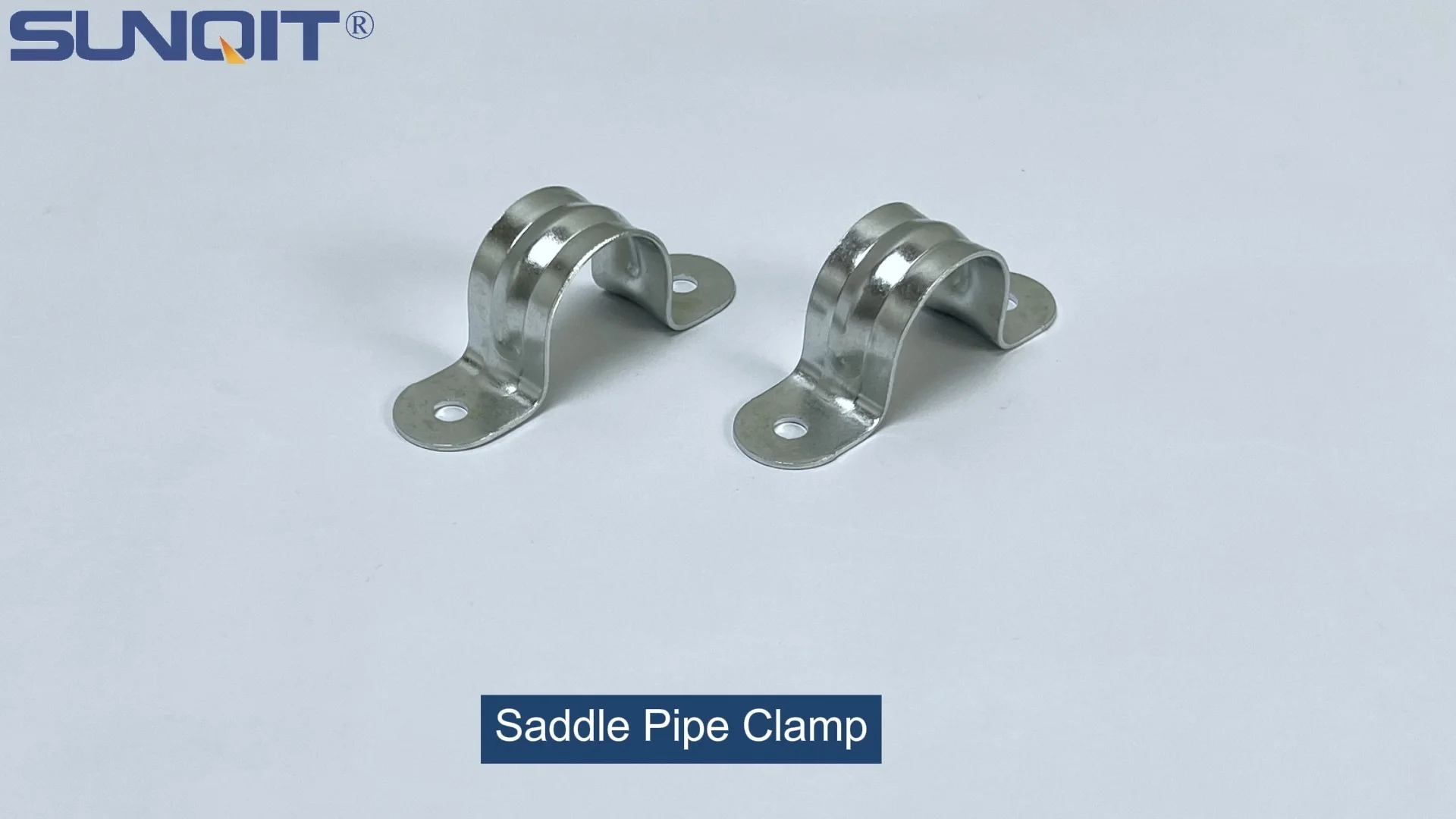
Saddle Pipe Clamp
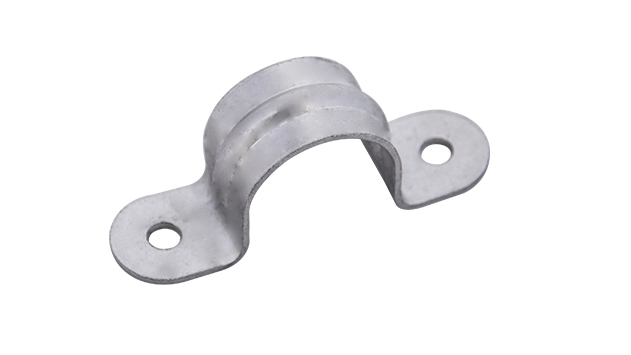
Saddle pipe clamp, used for board connect with pipe, usually for table top installation.
Walk into any manufacturing plant, warehouse, or workshop, and you'll notice a symphony of moving parts: conveyor belts humming, workers assembling products, materials gliding along roller tracks. But behind this chaos lies a network of structures holding everything together—shelves, workbenches, flow racks—and at the heart of many of these structures are small but mighty components called saddle pipe clamps. These unassuming devices might not grab headlines, but they're the quiet workhorses ensuring stability, safety, and efficiency in industrial setups. In this guide, we'll dive deep into how saddle pipe clamps work, their design nuances, and why they're indispensable in building reliable systems, especially when paired with materials like lean pipe and aluminum pipe.
What Are Saddle Pipe Clamps, Anyway?
Let's start with the basics. A saddle pipe clamp is a mechanical fastener designed to secure a pipe or tube to a surface, another pipe, or a structural component. Unlike generic clamps, their "saddle" shape—curved to match the outer diameter of a pipe—sets them apart. This curved design isn't just for looks; it's engineering brilliance that ensures maximum contact with the pipe, distributing pressure evenly to prevent damage while creating a tight, non-slip grip. Think of it as a custom-fitted seat for your pipe: it hugs the curve, so the pipe stays put, even when vibrations, weight, or movement try to dislodge it.
Saddle pipe clamps come in various sizes, materials, and configurations, but they all share a core purpose: to hold pipes securely in place. Whether you're building a lightweight workbench in a small workshop or a heavy-duty roller track in a large warehouse, there's a saddle pipe clamp tailored to the job. And while they're used across industries, they're especially critical in lean manufacturing setups, where modularity and durability are key—hence their frequent pairing with lean pipe and aluminum pipe systems.
Breaking Down the Design: Components of a Saddle Pipe Clamp
To understand how saddle pipe clamps work, let's dissect their anatomy. Most clamps have four main parts, each playing a vital role in their functionality:
1. The Saddle Body
The star of the show is the saddle itself—the curved portion that makes direct contact with the pipe. This curve is precision-engineered to match standard pipe diameters (like 1-inch, 0.5-inch, or custom sizes for specialized aluminum pipe). The inner surface of the saddle might be smooth, serrated, or coated with rubber/plastic. Serrations or rubber coatings enhance friction, preventing the pipe from sliding, while smooth surfaces are gentler on delicate pipes (like thin-walled aluminum pipe used in electronics assembly).
2. The Base Plate
Beneath the saddle is the base plate, the flat (or sometimes angled) part that attaches to the mounting surface. This could be a wall, a beam, another pipe, or even a workbench frame. The base plate typically has holes for bolts or screws, allowing the clamp to be fastened securely. In some designs, the base plate is integrated with the saddle; in others, it's a separate piece that can be adjusted for angle or position.
3. Fasteners (Bolts, Nuts, or Screws)
No clamp works without something to tighten it down. Most saddle pipe clamps use bolts or screws to draw the saddle and base plate together, compressing the pipe between them. The number of fasteners varies: smaller clamps might use one central bolt, while larger, heavy-duty models use two or more to distribute force evenly. High-quality clamps often include washers to prevent the bolts from digging into the saddle or base plate, ensuring a snug fit that lasts.
4. Coatings or Finishes
To boost durability and performance, many saddle pipe clamps come with coatings. Zinc plating resists corrosion, making these clamps ideal for damp environments (like outdoor storage areas or factories with high humidity). Rubber or plastic coatings add an extra layer of grip and protect the pipe from scratches—critical if you're working with polished aluminum pipe or lean pipe that needs to maintain its finish for aesthetic or functional reasons.
The Mechanism: How Saddle Pipe Clamps Actually Work
Now, let's get to the "how." How does this simple-looking device create such a strong, reliable hold? It all comes down to three key principles: contact area , pressure distribution , and frictional grip .
Step 1: The Saddle Makes Full Contact
When you place a pipe in the saddle, the curved surface conforms to the pipe's outer diameter. Unlike a flat clamp (which only touches the pipe at two points), the saddle wraps around, creating a large contact area. More contact means more friction—and friction is what keeps the pipe from sliding. For example, a 1-inch saddle clamp on a 1-inch aluminum pipe might make contact along 70-80% of the pipe's circumference, depending on the design. That's way more than a U-bolt, which typically contacts just 50% or less.
Step 2: Tightening Creates Uniform Pressure
Once the pipe is in the saddle, you tighten the bolts (or screws) on the base plate. As you tighten, the saddle is drawn down onto the pipe. The curved shape ensures that pressure isn't concentrated in one spot (which could dent or crush the pipe) but spread evenly across the contact area. This is crucial for thin-walled pipes, like the aluminum pipe used in lightweight workbenches or lean pipe systems, which can't handle uneven pressure without deforming.
Step 3: Friction and Tension Lock It In Place
As pressure increases, the friction between the saddle and the pipe grows. The more you tighten the bolts, the higher the friction—and the harder it is for the pipe to move. But there's a limit: overtightening can strip bolts or damage the pipe, so most clamps are designed with torque specifications (e.g., "tighten to 25 ft-lbs") to guide users. Additionally, the tension in the bolts creates a clamping force that resists external forces like vibration (from nearby machinery) or lateral movement (from materials sliding on a roller track).
Here's a real-world example: Imagine a roller track in a warehouse, where boxes glide along a series of rollers mounted on aluminum pipe. Each section of pipe is held up by saddle clamps bolted to a steel frame. As boxes zip by, the track vibrates, and the pipes bear the weight of the load. Without saddle clamps, the pipes might shift, misaligning the rollers and jamming the flow. But with properly installed saddle clamps, the pipes stay rigid, the rollers stay aligned, and the boxes keep moving—no delays, no jams, just smooth operation.

Materials Matter: Choosing the Right Saddle Pipe Clamp for the Job
Saddle pipe clamps are only as good as the materials they're made from. The choice of material affects strength, weight, corrosion resistance, and cost. Let's compare the most common options, including those that pair well with lean pipe and aluminum pipe:
| Material | Key Features | Best For | Common Pairings |
|---|---|---|---|
| Carbon Steel (Zinc-Plated) | Strong, affordable, corrosion-resistant (zinc coating) | Heavy-duty applications, indoor use, steel pipes | Industrial roller tracks, structural steel pipes |
| Stainless Steel | High corrosion resistance, durable, sleek finish | Outdoor use, food/pharmaceutical industries, cleanrooms | Stainless steel lean pipe, sanitized workbenches |
| Aluminum | Lightweight, rust-proof, good for low-weight loads | Lightweight structures, aluminum pipe systems | Aluminum pipe, portable workbenches, electronics assembly lines |
| Plastic-Coated Steel | Rubber/plastic coating for grip and pipe protection | Delicate pipes (e.g., polished aluminum), vibration-prone setups | Lean pipe, aluminum pipe with decorative or functional finishes |
Aluminum saddle clamps, for instance, are a favorite in industries where weight matters—like aerospace or electronics manufacturing. They pair perfectly with aluminum pipe, creating lightweight yet sturdy structures (think: a mobile workbench that can be moved around a factory floor without heavy lifting). On the flip side, stainless steel clamps are go-to for outdoor or high-moisture environments, where rust could compromise other materials.

Applications: Where Saddle Pipe Clamps Shine
Saddle pipe clamps are versatile, but they truly excel in settings where modularity, durability, and precision are non-negotiable. Let's explore some real-world applications where they're indispensable:
1. Lean Pipe Systems: Building Modular Workspaces
Lean manufacturing thrives on flexibility—being able to reconfigure workspaces quickly as needs change. Enter lean pipe (also called "flexible pipe"), a lightweight, easy-to-assemble tubing system used to build everything from workbenches to material racks. Saddle pipe clamps are the glue that holds these systems together. Unlike welded joints (which are permanent), saddle clamps let you disassemble and reconfigure lean pipe structures in minutes. For example, if a factory needs to switch from assembling small parts to large components, workers can loosen the saddle clamps, adjust the lean pipe frame, and retighten—no cutting or welding required. It's modularity in action, and saddle clamps make it possible.
2. Workbenches: Sturdy Surfaces for Precision Work
A workbench is only as reliable as its frame. Whether it's a technician assembling circuit boards or a mechanic repairing machinery, the workbench needs to stay steady. Saddle pipe clamps secure the aluminum pipe or steel tubing that forms the bench's legs, crossbars, and shelves. By clamping the pipes to the bench top or frame, they prevent wobbling, even when heavy tools are dropped or pressure is applied. In electronics factories, where static control is critical, you'll often find ESD (electrostatic discharge) workbenches with aluminum pipe frames held together by plastic-coated saddle clamps—protecting both the pipes and the sensitive components being worked on.
3. Roller Tracks: Keeping Materials Flowing
Roller tracks are the highways of warehouses and factories, moving boxes, parts, and products from point A to point B. These tracks are typically made of parallel pipes or rails with rollers mounted on top. Saddle pipe clamps secure the tracks to their support frames, ensuring alignment. If a clamp loosens, the track might sag or shift, causing jams. But with properly tightened saddle clamps, the track stays level, and materials glide smoothly. For example, a 40 steel roller track (common in medium-duty applications) relies on saddle clamps to keep its steel pipes anchored, even as hundreds of pounds of goods roll over it daily.
4. Conveyor Systems: Powering Automated Production
Conveyors are the backbone of automated manufacturing, and they depend on precise alignment to function. Saddle pipe clamps secure the conveyor's support pipes, motor mounts, and guide rails. In belt conveyors, for instance, they might hold the aluminum guide rails that keep products centered on the belt. In roller conveyors, they anchor the roller shafts to the frame. Without saddle clamps, the constant motion of the conveyor could loosen components, leading to misalignment and costly downtime.
Installing Saddle Pipe Clamps: Pro Tips for a Perfect Hold
Even the best saddle pipe clamp won't work if installed incorrectly. Here's a step-by-step guide to getting it right, plus common mistakes to avoid:
Step 1: Choose the Right Size
This seems obvious, but it's the most common error. A clamp that's too small won't fit around the pipe; one that's too large won't grip properly. Measure your pipe's outer diameter (OD) first—don't guess! For example, a 1-inch aluminum pipe has an OD of 1 inch, so you need a 1-inch saddle clamp. If you're using a pipe with a coating (like a plastic-coated lean pipe), measure the OD including the coating.
Step 2: Clean the Pipe and Surface
Dirt, grease, or rust on the pipe or mounting surface reduces friction, making the clamp more likely to slip. Wipe both surfaces with a clean cloth before installing. For outdoor or industrial settings, a quick spray of degreaser can help remove stubborn grime.
Step 3: Position the Clamp Correctly
Place the pipe in the saddle, ensuring it sits flush against the curved surface (no gaps!). Align the clamp so the base plate is flat against the mounting surface. If you're attaching the pipe to a wall, make sure the clamp is level—use a bubble level if needed. For vertical pipes, position the clamp low enough to support the weight without stressing the fasteners.
Step 4: Tighten Evenly (But Don't Overdo It)
If the clamp has two bolts, tighten them alternately (like you would with a car tire) to distribute pressure evenly. Overtightening can strip threads, warp the clamp, or crush thin-walled aluminum pipe. Follow the manufacturer's torque specs—most light-duty clamps require 15-25 ft-lbs, while heavy-duty ones might need 30-40 ft-lbs.
Common Mistake: Ignoring Vibration
In factories with heavy machinery, vibrations can loosen bolts over time. To prevent this, use lock washers or thread-locking adhesive (like Loctite) on the bolts. Check clamps periodically and retighten if needed—especially on roller tracks or conveyor systems that see constant motion.
Maintaining Saddle Pipe Clamps: Keep Them Holding Strong
Saddle pipe clamps are low-maintenance, but a little care goes a long way in extending their lifespan. Here's what to do:
- Inspect Regularly: Check for loose bolts, rust, or cracks in the saddle or base plate. In high-vibration areas (like near pumps or motors), inspect monthly; in calmer settings, quarterly should suffice.
- Clean and Lubricate: Wipe away dirt or debris that could trap moisture. For metal clamps, a light coat of machine oil on the bolts prevents rust. Avoid over-lubricating, though—grease can attract dirt.
- replace When Worn: If the saddle is bent, the bolts are stripped, or the coating is cracked (exposing metal to corrosion), replace the clamp. A worn clamp is a weak link—don't risk it.
Saddle Pipe Clamps vs. Other Pipe Fasteners: Why They Stand Out
You might be wondering: Why use a saddle pipe clamp instead of a U-bolt, pipe strap, or hose clamp? Let's compare:
- U-Bolts: These are U-shaped bolts with nuts that secure around a pipe. They're strong but have limited contact area (only the two ends of the "U" touch the pipe), which can concentrate pressure. Saddle clamps distribute pressure better, making them safer for thin-walled pipes like aluminum pipe.
- Pipe Straps: Flat metal straps with holes for screws. They're cheap but offer minimal grip—great for lightweight, stationary pipes (like plumbing), but not for dynamic loads or vibrations (common in roller tracks or workbenches).
- Hose Clamps: Adjustable metal bands with screws. They're designed for hoses, not rigid pipes, and can't handle heavy loads. Saddle clamps are far sturdier for structural applications.
In short, saddle pipe clamps strike the perfect balance: they're strong enough for heavy loads, gentle enough for delicate pipes, and versatile enough for modular setups. That's why they're the top choice for lean pipe systems, aluminum pipe structures, and any application where reliability matters.
Final Thoughts: The Unsung Heroes of Industrial Design
Saddle pipe clamps might not be the flashiest components in a factory, but they're the backbone of countless structures we rely on daily. From the lean pipe workbench where your morning coffee mug is assembled to the roller track that moves packages to your doorstep, these clamps work tirelessly to keep things together. Their curved saddle design, smart material choices, and simple yet effective mechanism make them indispensable for anyone building, maintaining, or upgrading industrial systems.
So the next time you walk through a workshop or warehouse, take a moment to look around. Chances are, there's a saddle pipe clamp holding something critical together—quietly, reliably, and with the kind of understated efficiency that makes great engineering so beautiful. And if you're ever tasked with building a structure yourself? Choose saddle pipe clamps. Your pipes (and your peace of mind) will thank you.