- Company Articles
- Products and Technology
- Product knowledge
- How Does a One Side Rotatory Chrome Parallel Lean Pipe Joint Work?

How Does a One Side Rotatory Chrome Parallel Lean Pipe Joint Work?
Related Product
Parallel Lean Pipe Joint
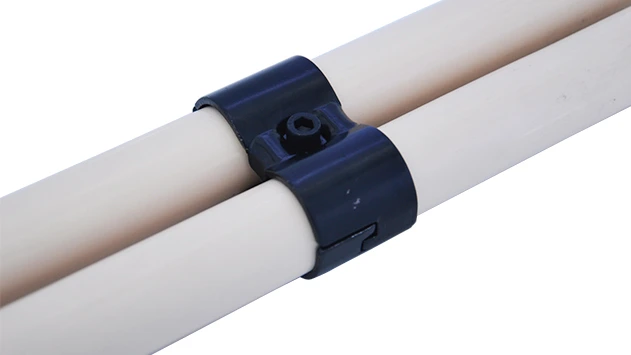
Parallel lean pipe joint used for 2 pcs 28MM lean pipe connection in parallel direction to enhance frame structure, usually for heavy payload requirement for workbench. flow rack, hand trolley.
In the world of manufacturing and production, efficiency isn't just a buzzword—it's the backbone of a successful operation. Every tool, every component, and every inch of workspace plays a role in keeping things moving smoothly. That's where lean systems come in. Designed to eliminate waste, streamline processes, and boost productivity, lean systems rely on a network of components that work together seamlessly. At the heart of many of these systems are lean pipes and their joints—the unsung heroes that hold everything together while allowing for flexibility and adaptability.
Today, we're diving deep into one specific component that's quietly revolutionizing how production lines are built and adjusted: the one side rotatory chrome parallel lean pipe joint . If you've ever walked through a factory floor, a warehouse, or even a small workshop, you've probably seen lean pipe structures in action—workbenches, material racks, roller tracks, and turnover trolleys. What makes these structures so versatile? Often, it's the joints that connect the lean pipes. And among these joints, the one side rotatory chrome parallel variant stands out for its unique ability to balance stability with movement. But how exactly does it work? Let's break it down, step by step, in a way that even if you're new to lean manufacturing, you'll walk away understanding why this little joint matters so much.
First, Let's Talk About Lean Systems—Why Do They Matter?
Before we get into the nitty-gritty of the joint itself, let's take a quick step back to understand the bigger picture: lean systems. At their core, lean systems are all about creating value with less waste. Think about a traditional production line—how often do you see materials sitting idle, workbenches that can't be adjusted for different tasks, or tools that are hard to reach? These are all forms of waste, and lean systems aim to eliminate them by designing workflows that are flexible, efficient, and responsive to change.
Lean pipes (also known as "lean tubes") are the building blocks of these systems. Typically made of steel with a plastic coating (or sometimes aluminum for lighter applications), these pipes are lightweight, strong, and easy to assemble. But here's the key: they're only as good as the joints that connect them. Joints determine whether a structure is fixed in place or can be adjusted, whether it can support heavy loads or just light materials, and how quickly it can be reconfigured when production needs change. That's where the one side rotatory chrome parallel lean pipe joint comes into play—it's a small part, but it's a game-changer for flexibility.
Anatomy of the One Side Rotatory Chrome Parallel Lean Pipe Joint
Let's start with the name—it's a mouthful, but each part tells us something important:
- One Side Rotatory: This means the joint can rotate on one side while the other side stays fixed. Imagine a hinge on a door—one side is attached to the frame (fixed), and the other side rotates with the door. That's the idea here, but for lean pipes.
- Chrome: The joint is coated in chrome, which adds durability, resists corrosion, and gives it a smooth, professional finish—important for environments where cleanliness or aesthetics matter (like electronics manufacturing or food processing).
- Parallel: This refers to how the joint aligns the pipes it connects. When installed, the two pipes remain parallel to each other, which is crucial for maintaining stability in structures like workbenches or roller tracks where materials need to move in a straight line.
- Lean Pipe Joint: It's specifically designed to connect lean pipes, which are usually 28mm in diameter (though sizes can vary). This ensures a snug, secure fit with standard lean pipe systems.
Now, let's look at the physical components. Inside the joint, you'll find a few key parts:
- Outer Casing: The chrome-plated outer shell that gives the joint its strength and corrosion resistance. It's usually made of die-cast metal, which is strong but lightweight.
- Rotary Mechanism: On one side of the joint, there's a rotating collar or bushing that allows the connected pipe to pivot. This mechanism is often spring-loaded or uses ball bearings to ensure smooth rotation without slipping.
- Fixed Socket: On the other side, there's a fixed socket that holds the second pipe in place. This socket is usually threaded or has a clamping mechanism to lock the pipe securely, so it doesn't rotate or slide.
- Locking Lever or Screw: To keep the rotating side in place once you've adjusted it to the desired angle, there's a locking lever or screw. Tightening this locks the rotation, so the joint stays put under load.
Put it all together, and you have a joint that can connect two parallel pipes, let one of them rotate to adjust the angle, and then lock into place—perfect for situations where you need both flexibility and stability.

So, How Does It Actually Work? Let's Walk Through It
Let's say you're building a workbench for an assembly line. You need the top shelf to be adjustable so workers of different heights can use it comfortably, or so you can tilt it slightly to let small parts slide toward the edge (like screws or washers). A fixed joint would keep the shelf flat and immovable, but with a one side rotatory chrome parallel joint, you can adjust the angle as needed.
Here's how the process would go:
- Assembly: First, you slide one end of a lean pipe into the fixed socket of the joint. You tighten the clamping screw on the fixed side to lock the pipe in place—this side will stay stationary, attached to the main frame of the workbench.
- Attaching the Rotating Side: Next, you slide the second pipe (the one that will hold the shelf) into the rotating socket. The rotating mechanism here allows this pipe to pivot up and down or side to side, depending on how you orient the joint.
- Adjusting the Angle: Now, you can rotate the second pipe to the angle you need. Maybe you want the shelf tilted at 10 degrees to help parts flow toward the worker, or you need to lower it by 5 inches to match another workstation. The chrome finish ensures the rotation is smooth—no sticking or jamming, even after repeated use.
- Locking It In: Once the angle is set, you flip the locking lever or tighten the screw on the rotating side. This engages the locking mechanism (often a friction pad or gear) that holds the pipe in place. Now, even if you place heavy tools or materials on the shelf, the joint won't budge.
- Reconfiguring Later: A month later, if production changes and you need the shelf flat again? No problem. Just unlock the lever, rotate the pipe back to horizontal, and relock it. Done—no need to disassemble the entire workbench or buy new parts.
The magic here is the balance between movement and stability. The rotating side gives you the flexibility to adjust, while the fixed side and locking mechanism ensure the structure stays strong and safe. And because the joint is parallel, the two pipes remain aligned, so you don't end up with a wobbly or uneven surface—critical for things like roller tracks, where materials need to move smoothly without getting stuck.

Where Do You Actually Use This Joint? Real-World Applications
Now that we know how it works, let's talk about where you'd actually use a one side rotatory chrome parallel lean pipe joint. It's not just for workbenches—this joint shines in any scenario where you need to adjust the angle of a lean pipe structure without compromising strength. Here are a few common applications:
1. Adjustable Workbenches
We mentioned this earlier, but it's worth expanding. In manufacturing, workbenches are used for everything from assembling small electronics to packing finished products. A workbench with a fixed height or angle might work for one task, but not for another. For example, a worker assembling circuit boards might need a flat surface, while someone packing boxes might prefer a slightly tilted surface to let boxes slide forward. With this joint, you can adjust the angle of the work surface quickly, making the bench versatile for multiple tasks.
2. Roller Tracks and Material Flow Systems
Roller tracks are used to move materials from one station to another—think of a conveyor belt but made with lean pipes and rollers. Sometimes, you need the track to slope gently downward to use gravity to move materials, but the slope might need to change depending on the weight of the materials (heavier items need a shallower slope to avoid sliding too fast). The one side rotatory joint lets you adjust the angle of the roller track, ensuring materials flow at the right speed without manual lifting.
3. Material Racks and Shelving
Material racks (like the "material rack b (3 row and 3 floor)" from the keyword list) often need to hold different types of inventory—some items might be tall, others short. By using rotatory joints, you can adjust the height of individual shelves to fit different products, rather than building a new rack every time your inventory changes. The chrome finish also makes these racks easy to clean, which is important in environments like food processing or pharmaceuticals where hygiene matters.
4. Turnover Trolleys
Turnover trolleys are used to transport materials around the factory floor. Sometimes, you need the trolley's shelves to be flat for stable transport, but when you reach the destination, you might want to tilt them to unload materials quickly. A one side rotatory joint on the trolley's frame lets you adjust the shelves' angle, making loading and unloading faster and easier on workers' backs.
What Makes This Joint Stand Out? The Key Benefits
There are plenty of lean pipe joints out there—fixed joints, two-way rotatory joints, swivel joints—so why choose the one side rotatory chrome parallel variant? Let's break down its unique advantages:
| Joint Type | Rotation | Stability | Best For |
|---|---|---|---|
| Fixed Joint | None | High (no movement) | Permanent structures, heavy loads |
| Two-Way Rotatory Joint | Both sides | Medium (can wobble under load) | Lightweight, highly adjustable structures |
| One Side Rotatory Chrome Parallel Joint | One side only | High (fixed side adds stability) | Adjustable workbenches, roller tracks, material racks |
1. Flexibility Without Compromising Stability
As the table shows, two-way rotatory joints offer more movement, but they can be less stable because both sides are rotating. The one side rotatory joint gives you the adjustability you need (one rotating side) while keeping the other side fixed, which adds stability. This is crucial for structures that need to support weight—like a workbench with tools or a roller track with heavy boxes.
2. Chrome Finish for Durability and Cleanliness
The chrome plating isn't just for looks. Chrome is resistant to rust and corrosion, which means the joint can stand up to humid environments, oils, and chemicals often found in factories. It's also easy to wipe clean, making it a good choice for industries where hygiene is important (like food processing or medical device manufacturing).
3. Parallel Alignment for Consistent Workflows
Because the joint keeps the two pipes parallel, you don't have to worry about misalignment. This is especially important for roller tracks—if the track isn't parallel, materials might get stuck or slide off course. The parallel design ensures a smooth, consistent flow, which saves time and reduces errors.
4. Quick Reconfiguration for Changing Needs
Manufacturing lines aren't static—products change, production volumes go up or down, and new tasks are added. With this joint, reconfiguring a structure takes minutes, not hours. No need for special tools or cutting pipes; just unlock the joint, adjust the angle, and relock it. This agility is a huge win for lean systems, where minimizing downtime is key.
Taking Care of Your Joint: Maintenance Tips
Like any tool, your one side rotatory chrome parallel lean pipe joint will last longer and work better with a little care. Here are some simple maintenance tips to keep it in top shape:
- Keep It Clean: Wipe the joint with a damp cloth regularly to remove dust, oil, or debris. The chrome finish resists corrosion, but built-up grime can make the rotating mechanism sticky. For tougher stains, use a mild detergent—avoid harsh chemicals that might damage the plastic coating on the lean pipes.
- Lubricate the Rotating Mechanism: Every few months (or more often if you use the joint heavily), apply a small amount of lubricating oil to the rotating socket. This keeps the movement smooth and prevents wear on the ball bearings or friction pads.
- Check the Locking Mechanism: Make sure the locking lever or screw is tight enough to hold the angle but not so tight that it strips the threads. If the lock feels loose, inspect the mechanism for wear—you might need to replace a worn friction pad or spring.
- Inspect for Damage: After heavy use or if the joint is knocked around, check for cracks in the chrome casing or bent parts. A damaged joint might not hold load safely, so replace it if you see any signs of wear.
With these simple steps, your joint should last for years, even in busy factory environments.
A Real-World Example: How One Factory Used This Joint to Boost Efficiency
Let's wrap up with a story to bring it all together. Imagine a small electronics manufacturing plant that assembles circuit boards. Their production line had a problem: the workbenches where workers placed components were fixed at a single height and angle. Taller workers hunched over, shorter workers strained to reach, and small parts (like resistors and capacitors) often rolled off the edge, getting lost or damaged.
The plant manager decided to switch to a lean system, using lean pipes and one side rotatory chrome parallel joints for the workbenches. Here's what happened:
- Adjustable Angles: Workers could now tilt their workbench surfaces by 5–15 degrees, so parts stayed in place instead of rolling off. This reduced lost parts by 30% in the first month.
- Height Flexibility: By rotating the joints, the height of the shelves under the workbench could be adjusted to fit different toolboxes, reducing the time workers spent bending down to grab tools.
- Quick Reconfiguration: When the plant started producing a new, larger circuit board, they reconfigured the workbenches in an hour using the rotatory joints—no need to buy new benches or hire contractors.
At the end of six months, the plant reported a 20% increase in productivity and a 15% reduction in worker fatigue. All from a simple change in how their workbenches were built—thanks in large part to the flexibility of the one side rotatory chrome parallel lean pipe joint.
Wrapping Up: Small Joint, Big Impact
The one side rotatory chrome parallel lean pipe joint might not be the most glamorous part of a production line, but it's a perfect example of how the right tools can transform efficiency. By balancing flexibility (one rotating side) with stability (one fixed side), and adding the durability of chrome plating, this joint helps lean systems live up to their promise: creating value with less waste.
Whether you're building a workbench, a roller track, or a material rack, the next time you reach for a lean pipe joint, consider the one side rotatory chrome parallel variant. It might just be the small change that makes a big difference in your workflow—because in lean manufacturing, the details matter. And this joint? It's a detail worth paying attention to.