- Company Articles
- Products and Technology
- Product knowledge
- How Does a Parallel Rotatory Lean Pipe Joint Chrome Work? Mechanism Explained

How Does a Parallel Rotatory Lean Pipe Joint Chrome Work? Mechanism Explained
Related Product
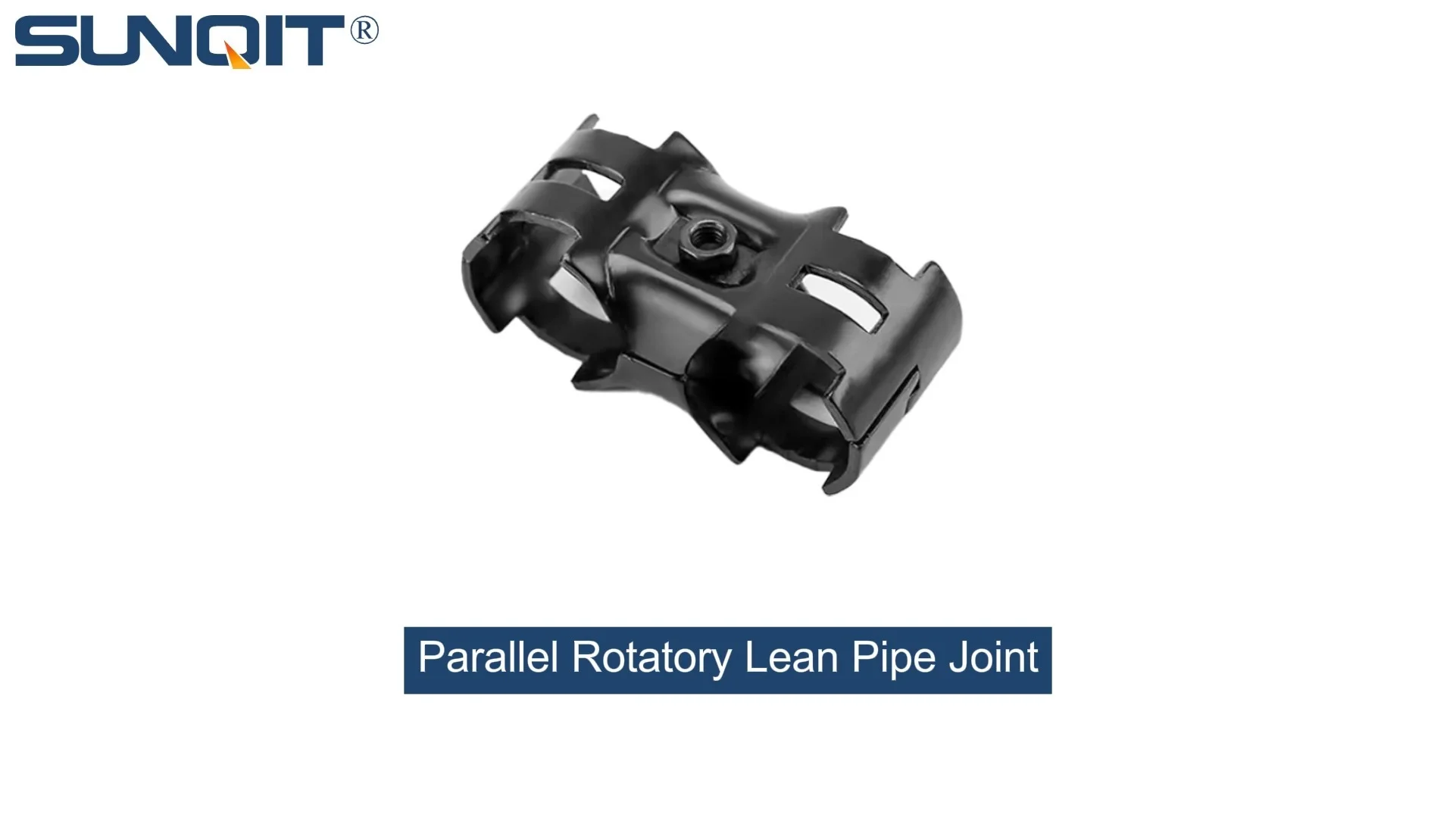
Parallel Rotatory Lean Pipe Joint
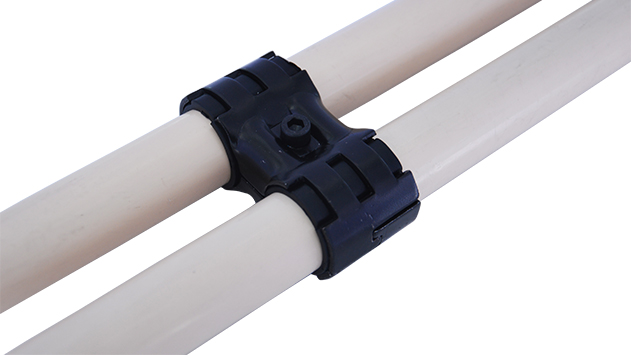
Parallel rotatory lean pipe joint, for 2 pcs pipe conenction in parallel direction with rotatory function.
In the world of lean manufacturing, where efficiency, flexibility, and adaptability are the cornerstones of success, every component plays a quiet but critical role. Among these unsung heroes are lean pipe joints—small, unassuming parts that hold together the backbone of workbenches, material racks, turnover trolleys, and countless other structures in factories and warehouses. Today, we're zeroing in on one specific type that stands out for its versatility: the parallel rotatory lean pipe joint chrome . If you've ever wondered how assembly lines reconfigure on the fly, how workbenches adjust to different tasks, or how material racks adapt to varying load sizes, this joint might just be the answer. Let's dive into its mechanism, applications, and why it's become a staple in modern lean systems.
Understanding the Basics: Lean Pipes, Joints, and the Role of Rotation
First, let's set the stage with some context. Lean pipe (also known as "lean tube") is a lightweight, durable tubing material—often steel with a plastic or chrome coating—used to build modular structures. These structures are the backbone of lean systems, designed to minimize waste, maximize space, and adapt quickly to changing production needs. But lean pipes alone are just tubes; it's the joints that bring them to life, connecting pipes at angles, allowing for height adjustments, or, in the case of rotatory joints, enabling movement.
Most lean pipe joints are fixed, meaning once you lock them into place (say, at 90° or 180°), they stay put. But in dynamic work environments—where a workbench might need a shelf that tilts for easier access, or a material rack that swivels to load/unload from multiple sides—fixed joints fall short. That's where parallel rotatory lean pipe joint chrome comes in. As the name suggests, it's a joint that connects two parallel lean pipes while allowing one or both to rotate, or "swivel," relative to each other. This rotation isn't just random; it's controlled, precise, and often lockable, making it a game-changer for flexibility.
Breaking Down the Mechanism: How Does the Swivel Action Work?
To understand how this joint operates, let's zoom in on its physical structure. At first glance, it looks like a small, cylindrical component with two or more openings (called "ports") for inserting lean pipes. But inside, there's a clever design that enables rotation without sacrificing stability. Here's a step-by-step breakdown of its key components and how they work together:
1. The Core Swivel Housing
The joint's outer body, usually made of die-cast metal (like zinc alloy) with a chrome plating, forms a protective housing. Inside this housing is a central axle or spindle that acts as the pivot point. One of the pipe ports is fixed to this spindle, while the other port (or ports) is attached to a rotating sleeve that fits around the spindle. This setup allows the connected pipes to rotate parallel to each other—think of two parallel pipes on a workbench shelf, where one can swivel up or down while staying aligned with the other.
2. Bearings and Washers: Ensuring Smooth Rotation
For the swivel action to be smooth (even after repeated use), the joint relies on small bearings or friction-reducing washers between the rotating sleeve and the spindle. These components minimize wear and tear, ensuring the joint doesn't seize up over time. In higher-quality joints, you might find ball bearings for heavier loads, while lighter-duty versions use nylon or metal washers. Either way, their job is simple: let the rotation happen without resistance.
3. Locking Mechanism: From Free Movement to Fixed Position
What good is rotation if the joint can't stay put when you need it to? The parallel rotatory lean pipe joint chrome solves this with a locking mechanism, typically a thumbscrew or a cam lever. When you want to adjust the angle, you loosen the thumbscrew, rotate the pipes to the desired position, then tighten the screw to lock it in place. The chrome plating on the joint plays a role here too: it adds a smooth, corrosion-resistant surface that prevents the locking mechanism from jamming due to rust or debris.
Some advanced models even feature a "click-stop" system, where the joint locks into preset angles (e.g., 0°, 30°, 45°, 90°) for consistent adjustments. This is especially useful in repetitive tasks, like setting up a workbench shelf at the exact same tilt for every shift.
4. Load Capacity: Balancing Flexibility and Strength
You might be thinking: "If it rotates, can it really support heavy loads?" The answer is yes—when designed well. Most parallel rotatory joints are rated to handle loads between 50kg and 150kg, depending on the size of the lean pipe (usually 28mm or 30mm diameter) and the material of the joint (zinc alloy vs. steel). The chrome plating isn't just for looks; it adds a layer of hardness, increasing the joint's durability and resistance to bending under pressure. This makes it suitable for everything from light-duty tasks (like holding tools on a workbench) to heavier applications (like supporting bins of parts on a material rack).
A Closer Look: How It Compares to Other Lean Pipe Joints
To truly appreciate the value of the parallel rotatory joint, it helps to compare it to other common lean pipe joints. Let's break down the differences in a table:
| Joint Type | Rotation Capability | Primary Use Case | Material | Best For |
|---|---|---|---|---|
| Fixed 90° Joint | None (locks at 90°) | Right-angle connections (e.g., workbench legs to frames) | Zinc alloy, plastic | Static structures with no need for adjustment |
| Three-Way Fixed Joint | None (locks pipes in 3 directions) | Intersection points (e.g., corners of a material rack) | Zinc alloy, steel | Multi-pipe structures needing stability |
| Parallel Rotatory Lean Pipe Joint Chrome | 360° swivel (with lockable positions) | Adjustable shelves, tilting work surfaces, swiveling material guides | Zinc alloy with chrome plating | Dynamic environments requiring frequent reconfiguration |
| Swivel Caster Joint | 360° rotation (for wheels) | Turnover trolleys, mobile workbenches | Steel with rubber casters | Moving structures (not pipe-to-pipe connection) |
As the table shows, the parallel rotatory joint fills a unique niche: it's not for static structures (that's fixed joints' job) or for mobility (casters handle that). Instead, it's for adjustable static structures—those that need to stay in place but change shape to fit the task at hand.

Real-World Applications: Where You'll Find This Joint in Action
Now that we understand how it works, let's explore where the parallel rotatory lean pipe joint chrome shines in real-world settings. Its flexibility makes it a favorite in industries like automotive, electronics, logistics, and even food processing (thanks to the chrome's corrosion resistance).
1. Workbenches: Customizable Work Surfaces
Imagine a factory workbench where assembly line workers switch between assembling small circuit boards and larger mechanical parts. For the small boards, they might want a flat surface; for the larger parts, a tilted surface to reduce bending. A workbench equipped with parallel rotatory joints can adjust its shelves or tool holders in minutes. For example, the "Workbench E (Single Deck–Without Caster)" model, a common design in lean systems, often uses these joints to attach side shelves that swivel up when not in use or tilt for better tool access.
2. Material Racks: Adapting to Load Sizes
Material racks, like the "Material Rack B (3 Row and 3 Floor)," are used to store bins of parts. But not all bins are the same size: some are tall, some are short, some are wide. With fixed shelves, you're stuck with one spacing. With parallel rotatory joints, you can swivel the rack's dividers to create wider or narrower sections, or tilt the shelves to make bin removal easier. This is a game-changer for warehouses handling seasonal products or frequent product changes.
3. Turnover Trolleys: Maneuvering in Tight Spaces
Turnover trolleys (used to transport parts between stations) often need to load and unload from multiple sides. A trolley with a rotatory joint on its side rails can swivel the rails outward to load from the front, then inward to secure the load during transport. This reduces the need for lifting heavy bins over fixed rails, cutting down on worker strain and time wasted.
4. Roller Tracks: Guiding Parts with Precision
Roller tracks (used to slide parts along a production line) sometimes need to change angles to feed into different machines. Parallel rotatory joints can connect sections of roller track, allowing them to pivot and align with varying machine heights or positions. For example, a plastic roller track guide rail (yellow or grey) might be attached to a rotatory joint, letting workers adjust the track's slope to control how fast parts slide—no tools required.

Why Chrome? The Benefits of Chrome-Plated Joints
We've mentioned the chrome plating a few times, but it's worth diving deeper into why it matters. Chrome plating (also called "chromium plating") is a process where a thin layer of chromium is electroplated onto the joint's surface. Here's how it enhances the joint's performance:
- Corrosion Resistance: Factories and warehouses are often dusty, humid, or exposed to oils and chemicals. Chrome resists rust and corrosion, ensuring the joint doesn't degrade over time—even in harsh environments.
- Low Friction: The smooth chrome surface reduces friction between the rotating parts, making adjustments easier. This is especially important for the locking mechanism, which needs to loosen and tighten smoothly.
- Scratch Resistance: Chrome is harder than the underlying zinc alloy or steel, so it stands up to bumps, scrapes, and contact with tools or parts without showing wear.
- Easy to Clean: Unlike painted or plastic-coated joints, chrome can be wiped clean with a damp cloth, preventing the buildup of dirt that might jam the rotation.
In short, chrome plating turns a good joint into a long-lasting, low-maintenance one—critical for lean systems, where downtime for repairs is waste to be eliminated.
Installation and Maintenance: Keeping It Working Smoothly
One of the best things about lean pipe systems is how easy they are to assemble—no welding, no specialized tools, just a few simple steps. Installing a parallel rotatory lean pipe joint chrome is no exception:
Installation Steps:
- Prepare the lean pipes: Cut the lean pipes to the desired length (using a pipe cutter or hacksaw) and deburr the edges to avoid sharp spots.
- insert pipes into the joint: Slide the ends of two parallel pipes into the joint's ports. Most joints have a set screw inside the port to secure the pipe—tighten it with a hex key to prevent slipping.
- Adjust and lock: Loosen the joint's locking thumbscrew, rotate the pipes to the desired angle, then tighten the thumbscrew until secure. Test the stability by gently pulling on the pipes—they shouldn't move.
Maintenance is equally straightforward. Here are a few tips to keep your joint working for years:
- Clean regularly: Wipe the joint with a dry cloth to remove dust and debris. For stubborn grime, use a mild detergent and water—avoid harsh chemicals that might damage the chrome.
- Lubricate the rotation point: Every 3–6 months (or more often in high-use areas), apply a drop of light machine oil to the swivel housing. This keeps the rotation smooth and prevents squeaking.
- Check the locking mechanism: Over time, thumbscrews can loosen due to vibration. Tighten them periodically to ensure the joint stays locked during use.
- replace worn parts: If the rotation becomes stiff or the locking mechanism fails, most joints can be disassembled to replace washers or the thumbscrew. This is cheaper than replacing the entire joint.
Troubleshooting Common Issues
Even the best joints run into problems occasionally. Here are some common issues and how to fix them:
Issue 1: The joint won't rotate smoothly.
Cause: Dirt or rust in the swivel housing, or dry bearings. Solution: Clean the joint with a cloth and lubricate with machine oil. If that doesn't work, disassemble the joint (if possible) and remove any debris from the bearings.
Issue 2: The locking mechanism slips.
Cause: The thumbscrew is worn, or the pipe is loose in the port. Solution: replace the thumbscrew with a new one (most suppliers sell spare parts). Also, check the set screw inside the pipe port—tighten it if the pipe is wiggling.
Issue 3: The chrome plating is peeling.
Cause: Heavy impact or exposure to abrasive chemicals. Solution: If the peeling is minor, touch up the area with a rust-resistant paint. For severe damage, replace the joint—peeling chrome can lead to rust, which will jam the rotation over time.
Conclusion: Why It Matters for Modern Lean Systems
At the end of the day, the parallel rotatory lean pipe joint chrome is more than just a connector—it's a symbol of the lean philosophy. Lean manufacturing is about eliminating waste, and what's more wasteful than a rigid structure that can't adapt to new tasks? This joint turns static pipes into dynamic tools, allowing teams to reconfigure workspaces in minutes instead of days, reduce downtime, and focus on what matters: producing quality products efficiently.
Whether you're building a workbench that needs to adjust for different operators, a material rack that adapts to seasonal inventory, or a turnover trolley that navigates tight aisles, this joint delivers the flexibility, durability, and ease of use that modern factories demand. And with its chrome plating ensuring longevity, it's an investment that pays off in reduced maintenance costs and increased productivity.
So the next time you walk through a factory or warehouse and marvel at how quickly the layout changes, take a closer look at the lean pipe structures. Chances are, you'll spot a parallel rotatory lean pipe joint chrome hard at work—quietly keeping the lean system moving forward.