- Company Articles
- Products and Technology
- Product knowledge
- How Does a Roller Track Placon Mount Center Support Bracket Enhance Conveyor Stability?

How Does a Roller Track Placon Mount Center Support Bracket Enhance Conveyor Stability?
Related Product
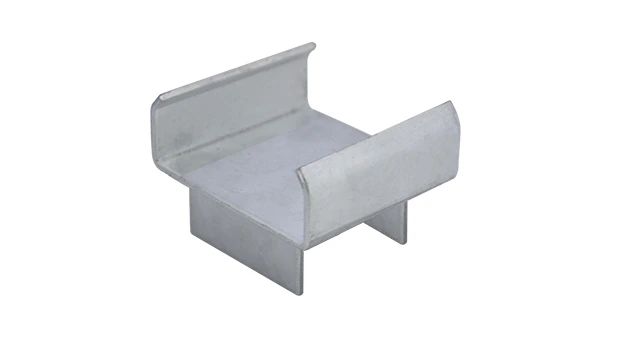
Roller Track Placon Mount Center Support Bracket
Roller track placon mount work as a connector for roller track and pipe or aluminum profile in rack syetem, it is a necessary parts in rack system which widely used in industrial plant and logistic,warehouse storage.
In the fast-paced world of manufacturing, where every second counts and efficiency is the backbone of productivity, conveyor systems stand out as unsung heroes. These mechanical workhorses keep production lines moving, transporting components from one station to the next with precision and speed. But here's the thing: even the most advanced conveyor system is only as reliable as its weakest link. When vibrations rattle the structure, when heavy loads cause sagging, or when constant use leads to misalignment, the entire operation can grind to a halt—costing time, money, and valuable resources.
That's where yet critical components like the Roller Track Placon Mount Center Support Bracket come into play. You might not notice it at first glance, hidden beneath the roller tracks and between the frame rails, but this small but mighty part is a game-changer for conveyor stability. In this article, we'll dive deep into how this unassuming bracket works, why it matters for manufacturers across industries, and how it ties into the bigger picture of lean production systems. Whether you're running a 3C assembly line, a medical device manufacturing plant, or a large-scale (warehousing and logistics) facility, understanding the role of this bracket could be the key to unlocking smoother, more reliable operations.
The Hidden Cost of Unstable Conveyors: Why Stability Matters
Before we get into the specifics of the center support bracket, let's take a step back and talk about why conveyor stability is non-negotiable. Imagine a typical day on a production floor: hundreds of components—from small electronic parts to heavy machinery components—are gliding along roller tracks. If the conveyor system isn't stable, here's what can happen:
- Product Damage : A wobbly conveyor can jostle delicate items, leading to scratches, dents, or even internal damage. For industries like (medical devices) or 3C electronics, where precision is critical, this isn't just a minor issue—it's a potential product failure.
- Production Delays : Misaligned roller tracks or sagging sections can cause items to get stuck, forcing operators to stop the line, clear the jam, and realign components. Each delay might only take a few minutes, but over a full shift, those minutes add up to hours of lost productivity.
- Increased Maintenance Costs : Unstable systems put extra stress on other components—roller wheels, bearings, frame rails. This means more frequent repairs, part replacements, and downtime for maintenance. Over time, these costs can eat into a company's bottom line.
- Safety Risks : A conveyor that's prone to shaking or shifting poses risks to workers. Loose parts could fall, or operators might need to reach into dangerous areas to fix jams, increasing the chance of accidents.
The root of many stability issues often boils down to how the roller tracks are supported. Traditional setups might rely on end supports alone, which work for light loads but struggle when faced with heavy, continuous use. Over time, the middle sections of long roller tracks can start to sag under weight, like a bridge without piers. This is where the Roller Track Placon Mount Center Support Bracket steps in—to bridge that gap and provide the reinforcement needed to keep things steady.
Meet the Hero: What Is a Roller Track Placon Mount Center Support Bracket?
At its core, the Roller Track Placon Mount Center Support Bracket is a specialized component designed to reinforce the middle section of roller tracks, preventing sagging and reducing vibration. Think of it as a "support beam" for your conveyor's roller system—installed between the end supports, it distributes weight evenly across the track, ensuring that even under heavy loads, the track remains straight and stable.
But what makes this bracket different from generic support parts? It all comes down to precision engineering and thoughtful design. Let's break down its key features:
| Feature | What It Does | Why It Matters |
|---|---|---|
| Low-Profile, Lightweight Design | Made from high-grade aluminum alloy, the bracket adds minimal weight to the system. | Prevents unnecessary strain on the conveyor frame while maintaining strength. |
| Adjustable Mounting Points | Comes with slotted holes and compatible with standard aluminum profile accessories. | Fits a wide range of roller track sizes (e.g., 40mm, 85mm) and allows for precise alignment during installation. |
| Reinforced Load-Bearing Plates | Thickened metal plates at the contact points with the roller track. | Distributes weight evenly, reducing stress on individual roller wheels and track rails. |
| Anti-Vibration Rubber Pads | Soft rubber inserts between the bracket and track/frame. | Absorbs shocks and vibrations, keeping the track steady even during high-speed operation. |
These features might seem small, but together, they address the three biggest stability challenges in conveyor systems: weight distribution , vibration control , and alignment maintenance . Now, let's explore how each of these contributes to a more stable conveyor.

How It Works: The Science of Stability
To understand how the Roller Track Placon Mount Center Support Bracket enhances stability, let's walk through a real-world scenario. Suppose you're running a conveyor line in a (consumer electronics) factory, transporting circuit boards along a 10-meter roller track. Without a center support, the middle 4-5 meters of the track would likely sag under the weight of continuous board flow, especially if some boards are stacked or heavier than others. This sagging would cause the roller wheels to misalign, leading to uneven movement, jams, or even board slippage.
1. Weight Distribution: From "Weak Middle" to "Strong Core"
The bracket's primary job is to "prop up" the middle section of the roller track, acting like a pillar under a long bridge. By installing it at the midpoint (or at regular intervals for extra-long tracks), it creates multiple support points, turning a single span into smaller, more manageable segments. This means the weight of the items on the track is spread out across the bracket and the end supports, rather than (concentrated) in the middle.
For example, a 40 steel roller track with a yellow wheel setup might typically support 50kg per linear meter without a center bracket. With the bracket installed, that capacity increases to 75-80kg per linear meter—because the weight is now shared between three points (two ends and the center) instead of two. This is a game-changer for industries like (automotive manufacturing), where conveyor systems often carry heavy metal components.
2. Vibration Dampening: Quieting the "Shake" in Production
Conveyors are never perfectly still. Motors hum, roller wheels spin, and items bump against each other—all creating vibrations. Over time, these vibrations can loosen bolts, misalign tracks, and wear down components. The center support bracket fights back with its anti-vibration rubber pads.
Made from durable, high-density rubber, these pads act like shock absorbers. When vibrations travel through the roller track, the pads compress slightly, absorbing the energy instead of letting it transfer to the frame or other components. This not only reduces noise (a nice bonus for factory workers!) but also extends the lifespan of the entire conveyor system. In (medical device) manufacturing, where even tiny vibrations can disrupt delicate assembly work, this feature is especially critical.
3. Alignment Maintenance: Keeping Tracks Straight, Shift After Shift
Even the most carefully installed conveyor track can drift out of alignment over time, especially under heavy loads or constant use. A misaligned track might cause items to veer off course, leading to jams or uneven wear on roller wheels. The center support bracket helps prevent this with its adjustable mounting points and rigid structure.
When installed, the bracket is secured to the conveyor frame using strong aluminum pipe accessories like T-slot bolts and brackets. This creates a fixed reference point in the middle of the track, ensuring that even as the system heats up, cools down, or experiences minor shifts, the track remains straight. For warehouses using (flow racks) connected to conveyors, this alignment is key to ensuring items flow smoothly from storage to shipping without getting stuck.

Why Aluminum? The Material Choice Behind the Bracket's Success
You might be wondering: Why use aluminum for the bracket instead of steel or plastic? The answer lies in aluminum's unique combination of strength, lightweight, and versatility—traits that make it ideal for lean manufacturing systems.
Aluminum profile (like the 4040 or 3030 series used in many factory setups) is known for its high strength-to-weight ratio. It's strong enough to support heavy loads but light enough that it doesn't add unnecessary bulk to the conveyor system. This is crucial because a heavier bracket would put extra strain on the frame, defeating the purpose of enhancing stability.
Another advantage of aluminum is its resistance to corrosion. In factories where moisture, chemicals, or dust are present (like in (food processing) or pharmaceutical production), steel brackets might rust over time, weakening their structural integrity. Aluminum, on the other hand, forms a natural oxide layer that protects it from rust, ensuring the bracket lasts for years with minimal maintenance.
Plus, aluminum is easy to machine and customize. Manufacturers can drill holes, add slots, or shape the bracket to fit specific roller track designs—like the 85 staggered roller track or 40 steel roller track with yellow wheels. This flexibility makes the bracket compatible with a wide range of conveyor systems, from small assembly lines to large-scale (logistics centers).
When paired with other aluminum pipe accessories—like internal rotatary aluminum joints or aluminum guide rails—the bracket becomes part of a cohesive, modular system. This modularity is a cornerstone of lean production, allowing factories to adapt and reconfigure their conveyor setups as needs change without overhauling the entire system.
Real-World Impact: Case Studies from the Factory Floor
Numbers and specs tell part of the story, but real-world results speak louder. Let's look at how the Roller Track Placon Mount Center Support Bracket has made a difference for two different manufacturers:
Case Study 1: 3C Assembly Line in Shenzhen
A major 3C electronics manufacturer in Shenzhen was struggling with frequent jams on their conveyor line, which transported smartphone motherboards between soldering and testing stations. The 6-meter roller track (40 steel roller track with black ESD wheels) would sag in the middle, causing motherboards to tilt and get stuck. After installing two center support brackets (spaced 2 meters apart), the results were clear:
- Jams decreased by 82% in the first month.
- Maintenance calls for track realignment dropped from 3 times per week to once per month.
- Production throughput increased by 15%, as the line ran more consistently.
Case Study 2: Medical Device Warehouse in Shanghai
A medical device warehouse used a combination of (flow racks) and conveyors to move sterile equipment from storage to packaging. The conveyor system, which featured 38 aluminum roller track with side guides, had issues with vibration—causing small parts to shift and misalign during transport. Adding center support brackets with anti-vibration pads solved the problem:
- Vibration-related product damage fell by 94%.
- Worker satisfaction improved, as operators no longer had to constantly monitor for shifts.
- The system's lifespan was extended by an estimated 3 years, reducing the need for early replacement.
These case studies show that the bracket isn't just a "nice-to-have"—it's a critical investment in reliability and efficiency. For manufacturers focused on lean principles, where waste reduction and continuous improvement are priorities, this bracket aligns perfectly with the goal of creating sustainable, low-maintenance systems.
Beyond the Bracket: Building a Stable Lean System
The Roller Track Placon Mount Center Support Bracket might be a small component, but its impact ripples through the entire manufacturing ecosystem. By enhancing conveyor stability, it reduces waste (time, materials, labor), improves product quality, and creates a safer, more reliable work environment. But it's important to remember that stability isn't just about one part—it's about how all parts work together.
In a lean system, every component should support the others. The bracket works with aluminum profiles to create a strong frame, with roller tracks to ensure smooth movement, and with aluminum pipe accessories to enable easy installation and adjustment. Together, these elements form a system that's not just stable, but also adaptable. As production needs change—whether you're adding new product lines, increasing load capacity, or reconfiguring the factory layout—a modular, stable conveyor system can evolve with you.
So, the next time you walk through a manufacturing plant or warehouse, take a moment to look at the conveyor systems. Notice the roller tracks, the brackets, the subtle components that keep everything moving. Behind every smooth, efficient operation is a network of small, thoughtful engineering choices—like the Roller Track Placon Mount Center Support Bracket. And in the world of manufacturing, where stability equals success, those choices are what turn good operations into great ones.