- Company Articles
- Products and Technology
- Product knowledge
- How Does a Suction Cup Anti-Slip Foot Adjuster Work? Mechanism Explained

How Does a Suction Cup Anti-Slip Foot Adjuster Work? Mechanism Explained
Related Product
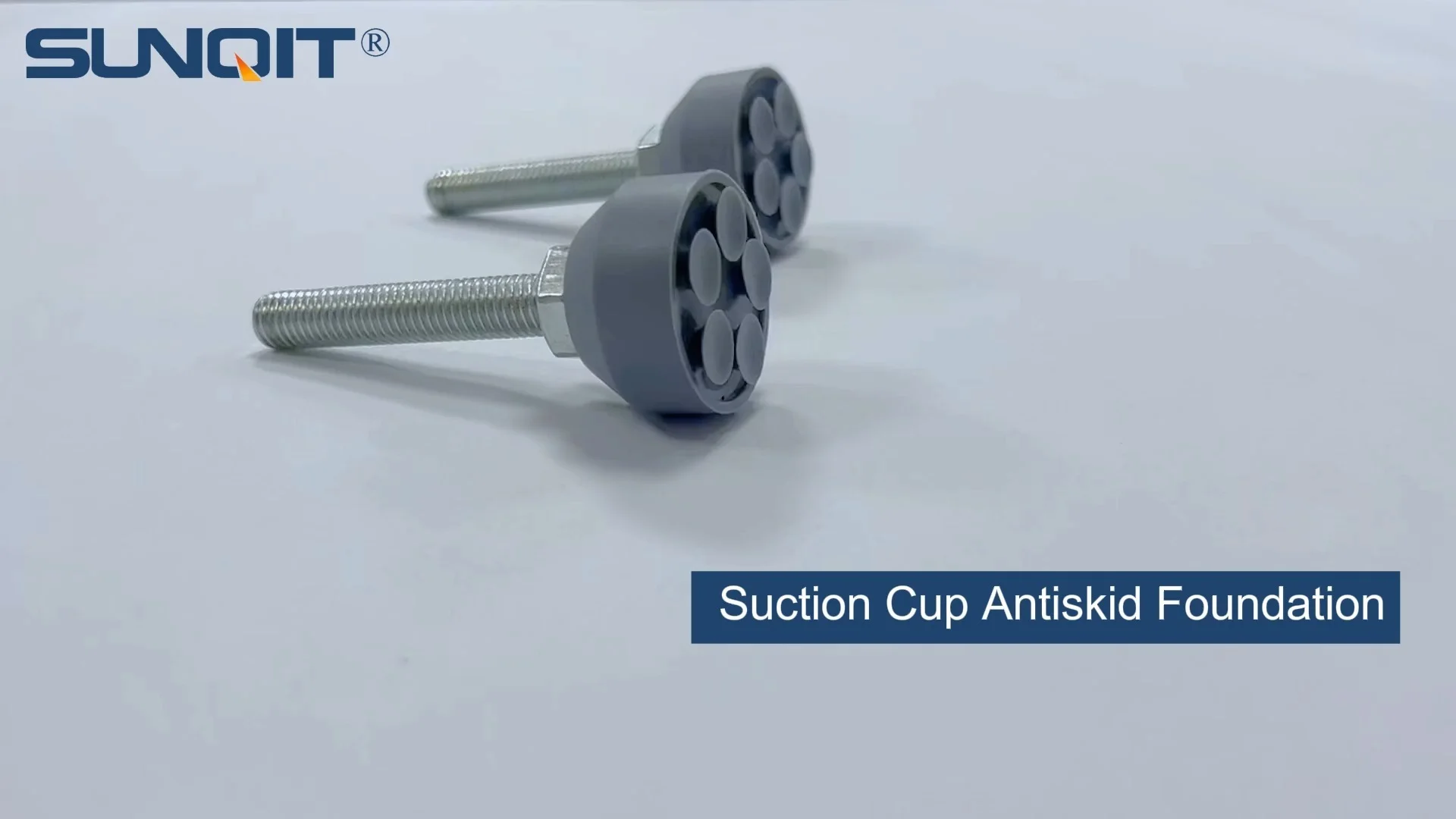
Suction Cup Anti-slip Foot Adjuster
D=35mm suction cup anti-slip foot adjusterï¼screw M10*55ï¼with a blot, used for workbench, flowrack pipe contact with groud.
Let's start with a scenario we've all encountered, whether in a workshop, a factory, or even a home garage: you're hunched over a workbench, focused on a task that requires precision—maybe assembling a small part, soldering a circuit, or organizing tools. Suddenly, the bench shifts. Not a huge movement, but enough to jostle your hands, make you misalign a component, or even knock a tool off the edge. Annoying, right? Now multiply that by a full day, a week, a month of work on an unstable surface. The frustration adds up, and so do the small errors that chip away at productivity. That's where one but critical component steps in: the suction cup anti-slip foot adjuster. It's not the flashiest part of your setup, but it might just be the unsung hero keeping your workbench steady, your workflow smooth, and your sanity intact.
What Even Is a Suction Cup Anti-Slip Foot Adjuster?
Before diving into how it works, let's clarify what we're talking about. At its core, a suction cup anti-slip foot adjuster is a type of adjustable leveling foot —a device attached to the bottom of equipment (like workbenches, conveyor systems, or material racks) to stabilize it on uneven surfaces. But what sets this particular foot adjuster apart is its design: instead of a simple rubber pad or metal plate, it features a suction cup base, often made of durable silicone or rubber, paired with a threaded stem that lets you raise or lower the foot to fine-tune height. The "anti-slip" part comes from both the suction cup's grip and the material's texture, which work together to prevent sliding, even under vibration or light movement.
Think of it as a hybrid between a standard leveling foot and a mini plunger. Just as a plunger uses suction to seal against a sink or toilet, this foot uses suction to "stick" to the floor, creating a stable anchor. And because it's adjustable, you can tweak each foot independently to compensate for dips, bumps, or sloped floors—common nuisances in busy workshops where concrete floors might settle unevenly over time or where heavy machinery has left small indentations.
Breaking Down the Components: What Makes It Tick?
To understand how the suction cup anti-slip foot adjuster works, let's take a closer look at its parts. Like any good tool, its effectiveness lies in the way these components work together:
- Threaded Stem: This is the "adjustable" part. Typically made of steel or aluminum for strength, the stem has spiral grooves (threads) that match a nut or a threaded hole in the workbench leg. By twisting the stem (or the nut around it), you can extend or retract the foot, raising or lowering that corner of the workbench. It's similar to how you might adjust a camera tripod leg to level the device.
- Adjustment Nut: Often integrated into the stem or attached to the workbench leg, this nut locks the stem in place once you've set the desired height. Without it, the stem might loosen over time, especially with vibration, undoing all your careful leveling.
- Suction Cup Base: The star of the show. Usually made of high-quality silicone or rubber (materials chosen for their flexibility and grip), the cup is shaped like a shallow dome. When pressed against a flat surface (like concrete, tile, or even smooth wood), it conforms to minor imperfections, creating a tight seal.
- Metal or Plastic Housing: A small bracket or plate connects the stem to the suction cup, reinforcing the joint and distributing the weight of the workbench evenly across the cup. This prevents the cup from tearing or deforming under heavy loads.
Each part plays a role, but the magic happens when they're combined. The stem lets you level; the nut keeps it secure; the suction cup keeps it from sliding. Simple, but surprisingly effective.

The Mechanism: How Suction + Adjustment = Stability
Now, let's get to the "how." How does this little device turn a wobbly workbench into a rock-solid surface? It all comes down to two key principles: mechanical adjustment and atmospheric pressure (that's the science behind the suction).
Step 1: Leveling the Workbench
First, you adjust the height. Let's say your lean pipe workbench has four legs, each fitted with a suction cup anti-slip foot adjuster. You notice the bench rocks when you push on one corner—probably because the floor dips there. So, you grab a wrench (or sometimes just your hand, if the nut is designed to be hand-tightened) and twist the adjustment nut on the low corner. As you turn, the threaded stem extends, lowering the suction cup toward the floor until it makes contact. You keep adjusting until the bench no longer rocks—all four feet are firmly on the ground, and the surface is level. That's the mechanical part: using the stem to compensate for uneven floors.
Step 2: Creating the Suction Seal
Once the foot is in contact with the floor, the suction cup goes to work. When you lower the foot, the weight of the workbench presses down on the cup, flattening its dome shape. As the dome flattens, air is pushed out from under the cup, creating a partial vacuum. Here's where atmospheric pressure comes in: the air pressure outside the cup is higher than the pressure inside the sealed space, so it pushes down on the cup, holding it firmly against the floor. It's the same reason a suction cup sticks to a window—there's less air inside, so the outside air "squeezes" it tight.
But unlike a window suction cup, which might lose its seal over time, the workbench's weight keeps constant pressure on the foot adjuster, maintaining that vacuum. Even better, the rubber or silicone material of the cup is flexible enough to mold to tiny cracks or bumps in the floor, ensuring the seal stays intact. If the floor is slightly porous (like some concrete), the cup's texture adds extra friction, preventing slipping even if the suction weakens a bit.
Step 3: Anti-Slip Reinforcement
The suction alone would help, but the "anti-slip" feature takes it further. The surface of the suction cup is often textured—small ridges or patterns that increase friction between the cup and the floor. This is crucial in environments where there's vibration, like near a conveyor or a production line with heavy machinery. Even if the suction weakens slightly (say, due to a tiny pebble under the cup), the texture keeps the foot from sliding, adding a second layer of stability.
Put it all together, and you've got a foot that not only levels the bench but actively resists movement. No more sliding, no more rocking—just a steady surface you can rely on.

Why It Matters: The Impact on Daily Work
You might be thinking, "It's just a foot adjuster—how big of a deal can it be?" But anyone who's worked on an unstable surface knows: it's a very big deal. Here's why the suction cup anti-slip foot adjuster stands out, especially in settings like manufacturing, assembly, or workshops where precision and efficiency matter:
- Reduced Errors: A wobbly workbench leads to shaky hands, misaligned parts, and dropped tools. Over time, those small mistakes add up—wasted materials, rework, and missed deadlines. A stable bench means more accurate work, whether you're soldering a circuit or packing delicate items.
- Safer Work Environment: A sliding workbench isn't just annoying—it's a safety hazard. Tools fall off, parts break, and in worst cases, someone could trip. The anti-slip feature keeps the bench anchored, lowering the risk of accidents.
- Less Fatigue: Subconsciously, we tense up when working on an unstable surface, trying to compensate for the wobble. Over hours, that tension leads to sore shoulders, stiff necks, and fatigue. A stable bench lets you relax and focus on the task, not the surface.
- Longer Equipment Life: Constant rocking or sliding can loosen screws, bend frames, or damage the legs of your workbench or material rack . By stabilizing the equipment, the foot adjuster reduces wear and tear, extending its lifespan.
In lean manufacturing—where the goal is to eliminate waste (including wasted time and effort)—these benefits are even more critical. A lean pipe workbench is designed to be efficient, modular, and adaptable. Adding a suction cup anti-slip foot adjuster ensures that efficiency isn't undermined by a preventable problem like instability.

Suction Cup vs. Other Adjustable Leveling Feet: A Quick Comparison
Not all adjustable feet are created equal. To see why the suction cup anti-slip version is worth considering, let's compare it to other common types. The table below breaks down key features:
| Type of Adjustable Foot | Base Material | Anti-Slip Performance | Best For | Limitations |
|---|---|---|---|---|
| Suction Cup Anti-Slip | Silicone/Rubber (suction cup) | Excellent—suction + texture grip on smooth, flat floors; resists vibration | Lean pipe workbenches, assembly stations, labs (smooth floors) | Less effective on porous or heavily textured floors (e.g., rough concrete with deep cracks) |
| Standard Rubber Pad | Hard rubber | Good—friction from rubber, but no suction; may slip on wet or oily floors | General workbenches, light equipment (even slightly uneven floors) | Prone to sliding under vibration; wears down faster than suction cups |
| Metal Pad | Steel/Aluminum | Poor—hard surface has low friction; may scratch floors | Heavy machinery (needs to bear extreme weight); outdoor use (resists weather) | Almost no anti-slip; damages floors; loud when adjusting |
| Threaded Stem Only (No Pad) | N/A (just the stem) | Very poor—no grip; stem digs into soft floors | Temporary setups; lightweight, rarely moved equipment | Unstable; damages floors; not suitable for precision work |
As you can see, the suction cup anti-slip foot adjuster shines in environments where stability and precision are priorities. It's not the best for every scenario (nothing is), but for most indoor workshops, assembly lines, or labs with smooth floors, it's a game-changer.
Installation and Maintenance: Keeping It Working
Like any tool, the suction cup anti-slip foot adjuster works best when installed and maintained properly. Here's how to set it up and keep it in top shape:
Installation Steps
- Remove Old Feet (If Needed): If your workbench already has feet, unscrew them using a wrench or pliers. Clean the threads in the leg to remove dirt or rust—this ensures the new stem screws in smoothly.
- Screw in the New Feet: Hand-tighten the suction cup foot adjuster into the threaded hole in the workbench leg. Don't overtighten yet—you'll need to adjust the height first.
- Level the Workbench: Place a spirit level on the bench surface. Adjust each foot by twisting the stem (or the nut) until the bubble is centered. Start with the lowest corner first, then work your way around.
- Lock the Nuts: Once level, tighten the adjustment nut against the leg to lock the stem in place. This prevents it from loosening over time.
- Test the Suction: Press down firmly on each corner of the bench. The suction cup should "stick"—you should feel resistance when trying to slide the bench. If a cup doesn't stick, check for debris (dust, pebbles) under it and clean the floor surface.
Maintenance Tips
- Clean the Suction Cups Regularly: Dirt, oil, or debris under the cup breaks the seal. Wipe the cups with a damp cloth weekly (or more often in dirty environments) to remove grime.
- Check for Wear: Over time, the suction cup may crack or lose elasticity, especially if exposed to chemicals or extreme temperatures. Inspect cups monthly—replace any that are cracked, torn, or no longer grip.
- Tighten Nuts: Vibration can loosen the adjustment nuts. Every few months, give them a quick twist with a wrench to keep the feet secure.
- Avoid Sharp Objects: Keep the area around the workbench clean to prevent tools or debris from puncturing the suction cups.
With minimal effort, these steps will keep your foot adjusters working like new for years.
Beyond the Workbench: Where Else Does It Shine?
While we've focused on workbenches, the suction cup anti-slip foot adjuster is versatile. Here are a few other places where it adds value:
- Conveyor Systems: Small conveyors (like those used to move parts between workstations) need to stay level to prevent jams. Suction cup feet keep them stable, even when materials are sliding over the rollers.
- Material Racks: Racks loaded with heavy boxes or tools can tip if unstable. These feet add grip, reducing the risk of accidents.
- Turnover Trolleys: Trolleys used to transport goods in warehouses often sit idle between moves. Suction cup feet prevent them from rolling away on sloped floors.
- Laboratory Equipment: Precision tools like microscopes or scales need absolute stability. The anti-slip feature ensures they don't shift during use.
In short, anywhere stability matters, this little foot adjuster can make a difference.
Final Thoughts: The Small Part That Makes a Big Impact
It's easy to overlook components like foot adjusters. They're hidden under the workbench, out of sight and out of mind. But as we've explored, they're far from insignificant. The suction cup anti-slip foot adjuster is a perfect example of how thoughtful design can solve a common problem—unstable work surfaces—with simplicity and efficiency.
Whether you're setting up a new lean pipe workbench , upgrading an old conveyor, or just trying to make your garage workshop a little less frustrating, investing in quality adjustable feet like these is worth it. Stable, slip-resistant, and easy to install, they turn a wobbly annoyance into a reliable foundation for better work.
So the next time you're at your workbench, take a second to look down. If you see suction cup feet holding it steady, give them a little appreciation. They might not get the glory, but they're working hard to keep you productive, precise, and safe.