- Company Articles
- Products and Technology
- Product knowledge
- How Does a Two Way Aluminum Pipe Joint Work? Understanding Its Rotational Mechanism

How Does a Two Way Aluminum Pipe Joint Work? Understanding Its Rotational Mechanism
Related Product
Two Way Aluminum Pipe Joint
Aluminum 2 way pipe joint for 28mm aluminum pipe connection in 2 direction.
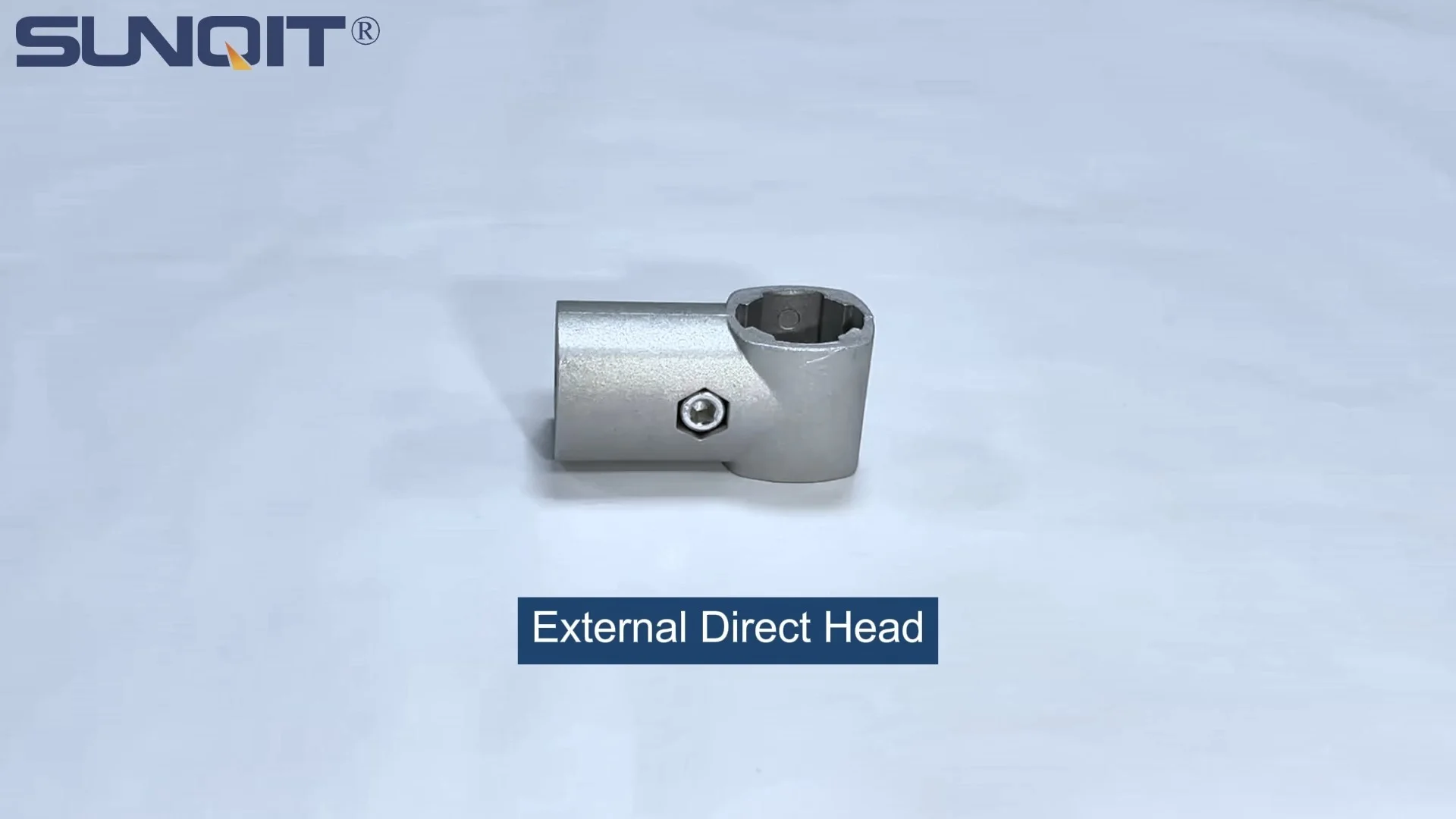
Walk into any bustling factory, warehouse, or assembly line, and you'll notice something crucial holding everything together—literally. Behind the smooth flow of materials, the sturdy workbenches, and the flexible production setups lies a small but mighty component: the two way aluminum pipe joint. These unassuming connectors are the unsung heroes of modular manufacturing, allowing teams to build, adjust, and reconfigure workspaces with ease. But have you ever stopped to wonder how they actually work? Specifically, how do they spin, lock, and hold up under the daily grind of industrial use? Let's dive in and unravel the mechanics behind this essential tool, and why it's become a staple for anyone working with aluminum lean pipe systems.
What Even Is a Two Way Aluminum Pipe Joint?
First things first: let's clarify what we're talking about. A two way aluminum pipe joint is a specialized connector designed to link two aluminum pipes at a fixed or adjustable angle, with a rotational feature that lets one pipe spin relative to the other. Think of it as a flexible hinge for industrial structures—except instead of just bending, it can rotate 360 degrees (or close to it) while still maintaining a strong grip. These joints are part of a larger family of aluminum profile accessories, which includes clamps, brackets, and end caps, all working together to build modular systems like workbenches, flow racks, and conveyors.
Unlike rigid, one-and-done connectors (looking at you, welded steel joints), two way aluminum joints are all about adaptability. Need to reposition a workbench shelf? Loosen the joint, spin the pipe to the new angle, tighten it back up, and you're good. This flexibility is why they're a favorite in lean manufacturing environments, where efficiency and quick adjustments can make or break production timelines.
Breaking Down the Anatomy: What's Inside the Joint?
To understand how the rotational mechanism works, let's take a peek inside a typical two way aluminum pipe joint. While designs can vary slightly between manufacturers, most share a few key parts:
1. The Outer Shell (Body)
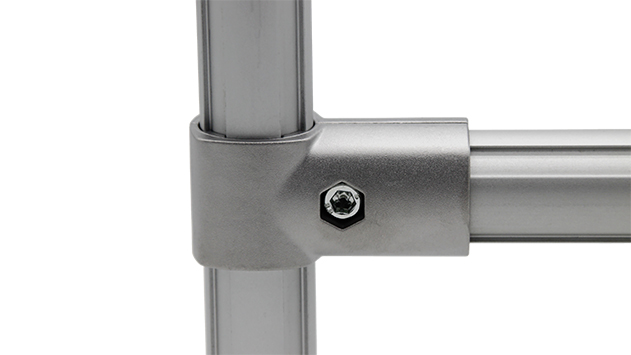
The outer shell is the "housing" of the joint, usually made from die-cast aluminum alloy. It's sturdy but lightweight—aluminum's claim to fame—and shaped to fit snugly around the other components. On either end, you'll find hollow openings (called "ports") where the aluminum pipes slide in. These ports are often lined with rubber or plastic gaskets to grip the pipes tightly and prevent slipping.
2. The Rotational Core (The "Spinner")
Here's where the magic happens: the rotational core. This is the inner component that allows one pipe to spin relative to the other. Inside the core, you'll typically find a set of ball bearings or a smooth metal sleeve that reduces friction. Imagine a tiny raceway for steel balls—when you twist the pipe, these balls roll instead of scrape, making rotation smooth and easy, even after months of use. Some joints use a simpler design with a polished metal-on-metal surface, but ball bearings are more common for heavy-duty applications.
3. The Locking Mechanism
Rotation is great, but you don't want your structure spinning uncontrollably. That's where the locking mechanism comes in. Most two way joints have a tightening bolt or lever on the side. When you twist the bolt clockwise, it presses a metal or rubber pad against the rotational core, creating friction that "locks" the joint in place. Loosen the bolt, and the core is free to spin again. It's a simple system, but surprisingly effective—tighten it enough, and the joint can hold hundreds of pounds without budging.
4. The Pipe Grips
Last but not least, the pipe grips are the teeth that bite into the aluminum pipes. These are usually small, raised ridges or serrated edges inside the ports. When you insert a pipe and tighten the joint (via a separate setscrew or the locking bolt), the grips dig into the pipe's surface, preventing it from sliding out. Aluminum pipes are slightly malleable, so the grips create a secure, non-slip connection—no welding required.
So, How Does the Rotation Actually Happen?
Let's walk through a step-by-step of how the joint goes from "loose and spinning" to "locked and sturdy." Say you're building a workbench and need to attach a side rail to the main frame. Here's what happens:
Step 1: insert the pipes. You slide one aluminum pipe into one port of the joint and the second pipe into the other port. The pipe grips inside the ports hold them in place temporarily, so you don't have to hold everything with one hand (thank goodness).
Step 2: Position and rotate. Now, you need the side rail to angle outward at 45 degrees. You loosen the locking bolt on the joint, which releases pressure on the rotational core. With the bolt loose, you can spin the second pipe (the side rail) around the first pipe (the frame) until it's at the perfect angle. The ball bearings inside the core make this spin feel smooth—no jerky movements or stuck spots.
Step 3: Lock it down. Once the rail is in position, you tighten the locking bolt. As you turn the bolt, it pushes a metal plate against the rotational core. This plate presses into the core, creating enough friction to stop the rotation. At the same time, the pipe grips dig deeper into the aluminum pipes, ensuring they don't twist or slide out. Now the joint is rock-solid, holding the rail in place even if someone leans on it or heavy tools are placed on the bench.
The key here is balance: the rotational core needs to spin freely when loose but lock firmly when tightened. Manufacturers test this balance rigorously—too much friction, and the joint is hard to adjust; too little, and it won't hold under load. Most quality joints hit the sweet spot, allowing for easy one-handed adjustment with a wrench or even just a screwdriver.

Why Aluminum? And Why Does It Matter?
You might be thinking, "Why not use steel or plastic joints instead?" Great question. Aluminum has a few advantages that make it perfect for these joints:
- Lightweight but strong: Aluminum is about a third the weight of steel, making the joints (and the structures they build) easier to move and reconfigure. But don't let the lightness fool you—aluminum alloys (like 6061 or 6063, common in industrial use) are surprisingly tough, resisting dents and bending under stress.
- Resistant to rust and corrosion: Unlike steel, aluminum forms a natural oxide layer that protects it from moisture and chemicals. This is a big deal in factories where spills, humidity, or cleaning solutions are part of daily life. No more dealing with rusted, seized joints!
- Easy to machine: Aluminum is soft enough to be die-cast into complex shapes (like the curved ports and internal ball bearing races in the joint) but hard enough to hold its form. This makes manufacturing precise, consistent joints easier and more affordable.
Compare this to plastic joints, which might be cheaper but can warp under heat or heavy loads, or stainless steel joints, which are strong but heavy and prone to seizing if not lubricated regularly. Aluminum strikes that ideal balance of strength, weight, and durability—hence its popularity in lean pipe systems.

What Are These Joints Even Used For?
Two way aluminum pipe joints aren't just for show—they're workhorses in real-world applications. Here are a few places you'll find them hard at work:
Workbenches (Yes, Your Everyday Workbench!)
Walk into any workshop, and you'll likely see a workbench with adjustable shelves, tool racks, or side rails. Those shelves? Held on by two way joints. Need to lower a shelf to fit taller tools? Loosen the joints, spin the shelf down, retighten, done. This flexibility is why workbenches built with aluminum lean pipe and two way joints are so popular—they grow with your needs.
Flow Racks and Conveyor Systems
In warehouses, flow racks use gravity to slide materials from the back to the front, making picking faster. The rails on these racks are often built with aluminum pipes and two way joints, allowing teams to adjust the angle of the rails (steeper for heavy boxes, gentler for fragile items). Conveyors, too, use rotating joints to connect roller tracks, making it easy to redirect the flow of products without rebuilding the entire system.
Turnover Trolleys and Material Carts
Ever pushed a cart loaded with parts around a factory? Chances are, the cart's frame was built with aluminum pipes and two way joints. The rotational feature comes in handy here—if the cart needs to fit through a narrow doorway, you can rotate a side rail out of the way, then lock it back when you're through. No more disassembly or awkward maneuvering.
Two Way vs. Other Joints: What Makes It Stand Out?
Not all joints are created equal. Let's put the two way aluminum joint head-to-head with a few common alternatives to see why it's a top choice:
| Feature | Two Way Aluminum Joint | Stainless Steel Fixed Joint | Plastic Snap-On Joint |
|---|---|---|---|
| Rotation | 360° rotational, lockable | No rotation (fixed angle) | Limited rotation (usually <90°) |
| Weight | Light (aluminum alloy) | Heavy (stainless steel) | Very light (plastic) |
| Load Capacity | High (up to 500 lbs per joint) | Very high (up to 1000+ lbs) | Low (up to 100 lbs) |
| Adjustability | Easy (loosen/tighten bolt) | None (welded or fixed) | Moderate (snap on/off, but may wear out) |
| Corrosion Resistance | High (natural oxide layer) | High (stainless steel) | High (but prone to UV damage) |
As you can see, the two way aluminum joint shines when you need both strength and flexibility. It's not the absolute strongest (stainless steel wins there), but it's strong enough for most industrial tasks while being lightweight and easy to adjust. And unlike plastic joints, it won't crack or wear out after a few months of heavy use.
Taking Care of Your Joints: Maintenance Tips
Like any tool, two way aluminum pipe joints work best when you take care of them. Here are a few simple maintenance tips to keep them spinning smoothly for years:
- Keep them clean: Wipe off dust, grease, or debris regularly with a damp cloth. Built-up grime can gunk up the rotational core, making it hard to spin.
- Lubricate the core (sparingly): If the joint starts to feel stiff, a drop or two of lightweight machine oil (like 3-in-1 oil) on the rotational core can help. Avoid heavy greases—they attract more dust.
- Check the locking bolt: Over time, the bolt can loosen from vibration. Tighten it gently with a wrench if you notice the joint slipping.
- replace worn grips: If the pipe starts sliding out (even when tight), the internal grips might be worn. Most manufacturers sell replacement grip inserts—swap them out, and the joint will feel like new.
Uh-Oh: Common Problems and How to Fix Them
Even the best joints run into issues sometimes. Here are a few common problems and quick fixes:
Problem: The joint won't spin smoothly.
Fix: First, check for debris inside the rotational core—blow it out with compressed air or wipe it with a cotton swab. If that doesn't work, add a tiny bit of lubricant. If it's still stiff, the ball bearings might be damaged (uncommon, but possible). Contact the supplier for a replacement core.
Problem: The pipe slips out of the joint.
Fix: Tighten the locking bolt or setscrew—sometimes it just needs a little extra torque. If that doesn't work, check the pipe grips. If they're smooth or worn, replace the grip inserts (most suppliers sell them for a few dollars).
Problem: The joint won't lock in place.
Fix: The locking pad (the part that presses against the core) might be worn or dirty. Remove the bolt, take out the pad, clean it with rubbing alcohol, and reinsert it. If the pad is cracked, replace it—again, a cheap and easy fix.
Wrapping It Up: Why This Joint Matters
At the end of the day, the two way aluminum pipe joint is more than just a connector—it's a symbol of modern manufacturing's focus on flexibility, efficiency, and adaptability. It lets teams stop building rigid, one-use structures and start creating workspaces that grow with their needs. Whether you're setting up a simple workbench or a complex conveyor system, these joints make the impossible (or at least, the really inconvenient) possible.
So the next time you walk past a modular workspace, take a second look at those aluminum pipes and joints. Behind their simple design is a clever mix of mechanics, materials, and engineering—all working together to keep the world of production moving, one rotation at a time.