- Company Articles
- Products and Technology
- Solution
- How Does Aluminum Profile Rubber Strip Enhance Lean Production Systems?

How Does Aluminum Profile Rubber Strip Enhance Lean Production Systems?
Related Product
Aluminum Profile Rubber Strip
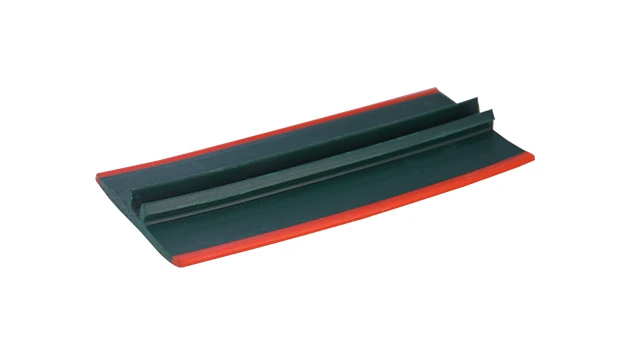
The tread strip fits into a T-slot channel and provides an anti-slip ribbed surface. It has a key pad that presses into a T-slot and is commonly used for adding traction on steps or as padding for doors. Tread strip can be ordered by rolls. The high quali
In the fast-paced world of manufacturing, where every second and every cent counts, lean production systems have become the gold standard for efficiency. At their core, lean systems aim to eliminate waste—whether it's time, materials, or energy—and create smoother, more streamlined workflows. But here's the thing: lean success often hinges on the smallest details. While grand strategies and high-tech machinery grab headlines, it's the unassuming components that often make the biggest difference in day-to-day operations. One such unsung hero? The aluminum profile rubber strip .
If you've ever walked through a busy factory, you've likely seen the backbone of modern lean setups: modular workbenches, material racks, and conveyor systems built from aluminum extrusion profiles . These profiles are prized for their strength, flexibility, and modularity—they can be easily assembled, reconfigured, and expanded to fit evolving production needs. But even the most well-designed aluminum structure can fall short without the right finishing touches. That's where aluminum profile accessories like rubber strips come into play. In this article, we'll dive into how these simple, cost-effective strips transform good lean systems into great ones, enhancing everything from worker safety to bottom-line results.
The Foundation: Aluminum Extrusion Profiles in Lean Systems
Before we explore the role of rubber strips, let's first understand why aluminum extrusion profiles are the backbone of modern lean production. Unlike rigid, one-size-fits-all metal structures of the past, aluminum extrusions are designed for adaptability. Their T-slot design allows for easy attachment of accessories—think shelves, brackets, and yes, rubber strips—making it simple to customize workstations, racks, and flow lines to specific tasks.
In a lean system , adaptability is key. Production demands change: new products are introduced, order volumes fluctuate, and workflows are optimized. Aluminum profiles rise to these challenges because they're lightweight yet durable, corrosion-resistant, and compatible with a wide range of accessories. A single profile can serve as part of a workbench today, a material rack tomorrow, and a conveyor guard next month—minimizing the need for costly replacements and reducing waste.
But even with all these benefits, aluminum profiles have one inherent limitation: their hard, smooth surface. When metal rubs against metal (or against delicate materials like circuit boards, glass, or finished products), problems arise. Scratches, dents, noise, and slippage—these might seem like minor nuisances, but in a lean context, they add up. A scratched component might need rework, a noisy workstation could distract workers, and a slipped part could lead to errors or delays. This is where aluminum profile rubber strips step in, turning potential inefficiencies into opportunities for improvement.
What Is an Aluminum Profile Rubber Strip?
At first glance, an aluminum profile rubber strip might seem unremarkable: a thin, flexible strip of rubber, often black or gray, designed to fit snugly into the T-slots or along the edges of aluminum extrusion profiles. But its simplicity is part of its genius. Made from durable, industrial-grade rubber (often EPDM or silicone), these strips are engineered to withstand the rigors of factory environments—temperature fluctuations, chemical exposure, and constant wear and tear.
Most rubber strips for aluminum profiles come in standard sizes to match common profile widths (e.g., 20mm, 30mm, 40mm), but they can also be custom-cut for specialized applications. Some are designed with adhesive backing for quick installation, while others clip directly into T-slots, ensuring a secure fit that won't loosen over time. Their flexibility allows them to conform to the shape of the profile, whether it's a straight edge, a corner, or a curved section.

4 Key Ways Rubber Strips Enhance Lean Systems
Now, let's get to the heart of the matter: how do these strips actually improve lean production? Let's break it down into four critical areas where rubber strips deliver tangible benefits.
1. Protection: Minimizing Waste Through Damage Prevention
In lean manufacturing, "waste" includes any activity that doesn't add value to the product. One of the most common forms of waste is "defects"—products or components that are damaged, scratched, or otherwise rendered unfit for use. Aluminum profile rubber strips act as a protective barrier, reducing defects by preventing scratches and dents in two key ways:
- Protecting the profiles themselves: Aluminum extrusion profiles are durable, but repeated contact with tools, materials, or even other profiles can cause scuffs and dents over time. A damaged profile might weaken the structure or become unsightly, leading to unnecessary replacements. Rubber strips absorb impact, acting as a buffer between the aluminum and external forces.
- Protecting the products: Imagine a workbench used to assemble smartphones. The aluminum surface is smooth, but when a worker places a delicate circuit board on it, the hard metal could scratch the board's components. A rubber strip along the edge of the workbench (or lining the surface) provides a soft, non-abrasive contact point, preventing costly damage to finished or in-process goods.
The result? Fewer defects, less rework, and lower scrap rates—all core goals of a lean system .
2. Noise Reduction: Boosting Focus and Morale
A busy factory floor is inherently noisy, but excessive noise isn't just a nuisance—it's a productivity killer. Studies show that constant background noise (think clanging metal, sliding parts, and rattling racks) can reduce worker focus, increase errors, and even lead to fatigue and stress. In a lean context, a distracted workforce translates to slower cycle times, more mistakes, and higher turnover—all of which erode efficiency.
Aluminum profile rubber strips tackle noise at its source. When materials slide along an aluminum surface, or when parts are placed on a metal rack, the hard surfaces create sharp, reverberating sounds. Rubber, by contrast, is a natural sound dampener. Its soft, flexible texture absorbs vibrations and reduces the impact of metal-on-metal (or material-on-metal) contact. For example:
- On a material rack, rubber strips lining the shelves muffle the sound of boxes or bins being placed or removed.
- Along the edges of a workbench , they reduce noise when tools or parts are set down quickly.
- On conveyor rails, they dampen the rattle of products as they move along the line.
The difference is noticeable. Factories that have added rubber strips report quieter work environments, and workers often comment on improved focus and reduced stress. When employees can communicate more easily and concentrate on their tasks, productivity rises—and that's a win for any lean system .
3. Stability and Grip: Preventing Slippage and Errors
In lean production, consistency is everything. A part that slips on a workbench , a bin that slides off a rack, or a component that shifts on a conveyor can disrupt the flow, leading to delays, errors, or even safety hazards. Aluminum profiles, while smooth, offer little friction—meaning materials can slide easily, especially when vibrations from nearby machinery are present.
Rubber strips solve this problem by adding grip. Their textured surface creates friction between the aluminum profile and the materials it holds, preventing slippage. For example:
- On a workbench used for assembly, rubber strips along the edges keep tools and small parts from sliding off during use.
- On a material rack storing heavy boxes, they prevent the boxes from shifting when the rack is bumped or when the floor vibrates.
- On a conveyor guide rail, they keep products centered, reducing jams and ensuring smooth transport to the next workstation.
This added stability isn't just about preventing accidents—it's about reducing variability. In lean manufacturing, variability is the enemy of efficiency. A slipped part might require a worker to stop, adjust, and reposition it, adding seconds to the cycle time. Multiply that by hundreds of parts per day, and the losses add up. Rubber strips minimize these micro-interruptions, keeping workflows steady and predictable.
4. Ergonomics: Supporting Worker Well-Being
Lean systems aren't just about machines and materials—they're about people. Worker well-being directly impacts productivity: a comfortable, safe employee is more engaged, efficient, and less likely to take time off due to injury. Aluminum profile rubber strips contribute to ergonomics in two key ways:
- Edge protection: Bare aluminum profiles have sharp edges, especially where they're cut or joined. Over time, repeated contact with these edges can cause cuts, scrapes, or "pinch points" when workers adjust the structure. Rubber strips cover these edges, creating a smooth, rounded surface that's safer to touch.
- Anti-fatigue support: While not a direct application, rubber strips can enhance anti-fatigue mats when used in conjunction with standing workbench setups. By reducing vibration and noise, they create a more comfortable work environment, allowing workers to stand for longer periods without discomfort.
In short, rubber strips turn hard, potentially hazardous aluminum edges into soft, worker-friendly surfaces—aligning with lean's focus on respect for people and continuous improvement.

From Good to Great: A Comparison of Traditional vs. Rubber-Equipped Systems
To truly grasp the impact of aluminum profile rubber strips, let's compare two hypothetical scenarios: a lean system using bare aluminum profiles, and one enhanced with rubber strips. The table below highlights key metrics and outcomes:
| Metric | Traditional Aluminum Setup (No Rubber Strips) | Rubber Strip-Equipped Setup |
|---|---|---|
| Product Defect Rate | 2.5% (due to scratches/dents on materials) | 0.8% (fewer surface damages) |
| Noise Level (Factory Floor) | 85 dB (equivalent to heavy traffic) | 72 dB (equivalent to a busy office) |
| Worker Error Rate | 4.2% (due to distractions/slippage) | 2.1% (improved focus and stability) |
| Profile Replacement Frequency | Every 2–3 years (due to damage) | Every 5–7 years (rubber protects aluminum) |
| Worker Satisfaction Score | 6/10 (noisy, uncomfortable edges) | 8.5/10 (quieter, safer work environment) |
The numbers speak for themselves. Even small improvements in defect rates, noise, and errors translate to significant gains in a lean system . For example, a 1.7% reduction in defects on a production line making 10,000 units per day would save 170 units from scrap—amounting to thousands of dollars in annual savings. Multiply that across multiple lines, and the ROI of rubber strips becomes clear.
Real-World Applications: Where Rubber Strips Make the Biggest Difference
Now that we've covered the "why," let's look at the "where." Aluminum profile rubber strips are versatile, but they shine brightest in specific lean system applications. Here are a few examples:
1. Assembly Workbenches
The workbench is the heart of many production processes—whether it's assembling electronics, packaging products, or inspecting parts. Rubber strips here serve multiple roles: protecting delicate components from scratches, reducing noise when tools are set down, and preventing small parts from sliding off the surface. For example, a workbench used in medical device assembly might line its edges with rubber strips to safeguard sterile components, while a automotive parts workbench could use strips to muffle the clang of metal fasteners.
2. Material Racks and Flow Racks
Material racks are critical for keeping inventory organized and accessible in a lean system . Rubber strips lining the shelves prevent boxes, bins, or pallets from slipping, especially when the rack is loaded or unloaded. They also protect the racks themselves from dents caused by heavy items, extending their lifespan. In flow racks (where materials slide forward via gravity), rubber strips can even be used to control the speed of descent, preventing jams and ensuring a steady flow of parts to the production line.
3. Conveyor Systems
Conveyors are the arteries of lean production, moving materials between workstations. Rubber strips along conveyor rails or guides keep products centered, reducing the risk of jams. They also dampen noise as products slide or roll along the line, creating a quieter environment for workers stationed nearby. For fragile items like glassware or electronics, rubber strips provide an extra layer of protection against impacts during transport.
4. Modular Carts and Trolleys
Modular carts are used to transport materials across the factory floor. Rubber strips on cart shelves prevent items from shifting during movement, reducing the chance of spills or damage. They also muffle noise when the cart is loaded or unloaded, and protect the cart's aluminum frame from dents during collisions with walls or other equipment.
Choosing the Right Rubber Strip: Key Considerations
Not all aluminum profile rubber strips are created equal. To maximize their benefits in a lean system , consider these factors when selecting strips for your setup:
- Material: Opt for industrial-grade rubber (EPDM or silicone) that's resistant to oils, chemicals, and temperature extremes. This ensures the strips hold up in harsh factory environments.
- Size and Fit: Choose strips that match the width and T-slot size of your aluminum extrusion profiles . A poor fit could lead to slipping or premature wear.
- Adhesion or Clip-On: Adhesive-backed strips are easy to install but may loosen over time in high-vibration areas. Clip-on strips (designed to fit into T-slots) offer a more secure, reusable option.
- Texture: For applications where grip is critical (like workbench surfaces), look for strips with a textured surface to enhance friction.
- Color: While not a functional concern, colored strips (e.g., yellow for high-visibility edges) can improve safety by drawing attention to hazards.
Conclusion: Small Strips, Big Impact in Lean Systems
In the world of lean production, success lies in the details. While aluminum extrusion profiles provide the flexible backbone of modern lean systems, it's the aluminum profile accessories —like rubber strips—that unlock their full potential. These simple, affordable strips enhance protection, reduce noise, improve stability, and support worker well-being—all while aligning with lean's core principles of waste reduction and continuous improvement.
Whether you're building a new lean system or optimizing an existing one, don't overlook the power of aluminum profile rubber strips. They may not be the most glamorous component in your factory, but they're a testament to lean's philosophy: sometimes, the smallest changes yield the biggest results. So the next time you walk through your production floor, take a closer look at those aluminum edges—and imagine how a little rubber could make a world of difference.