- Company Articles
- Products and Technology
- Product knowledge
- How Does an Aluminum Side Guard Enhance Workplace Safety? A Comprehensive Guide

How Does an Aluminum Side Guard Enhance Workplace Safety? A Comprehensive Guide
Related Product
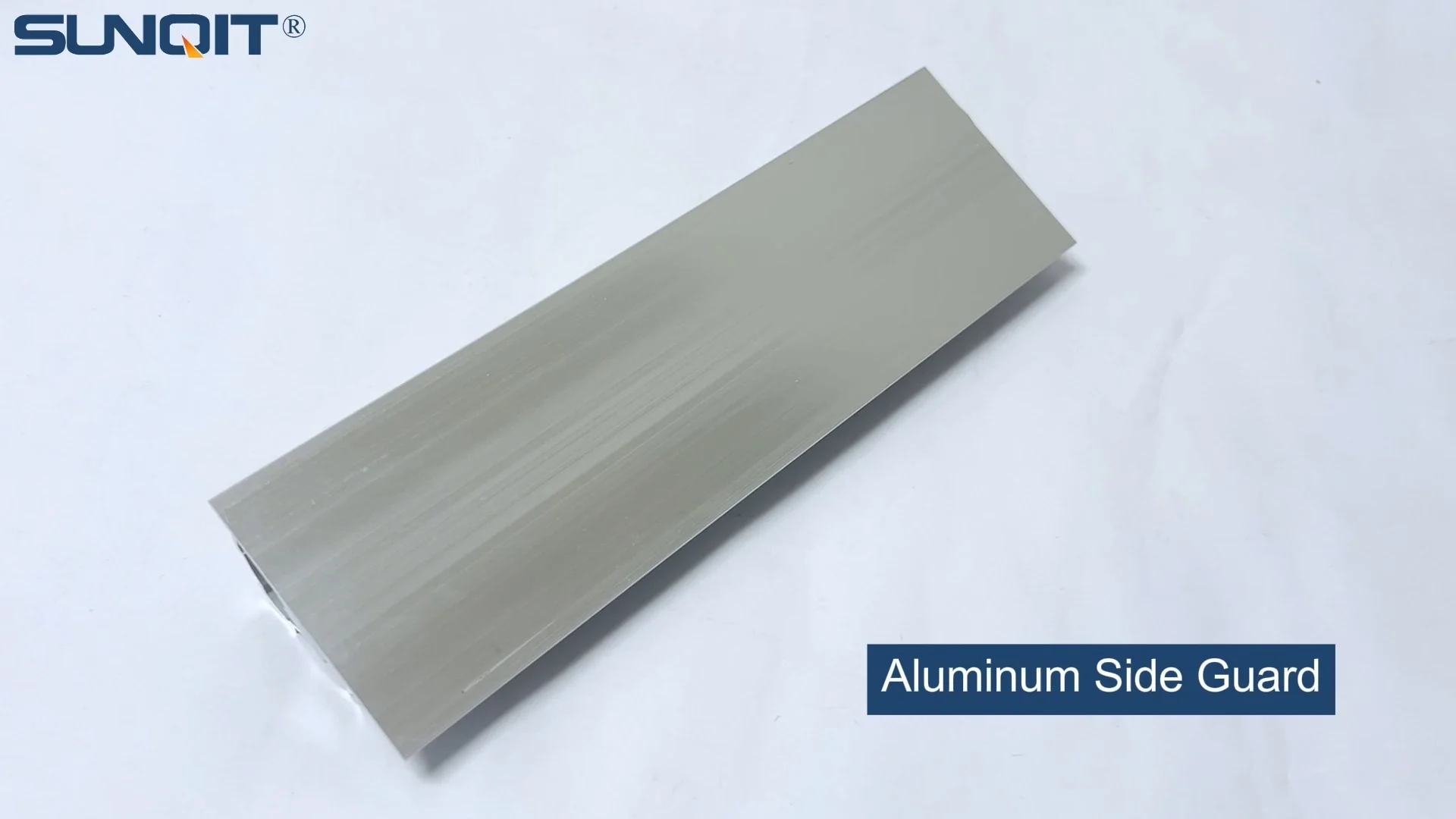
Aluminum Side Guard
Aluminum side guard, it works with a aluminum pipe or a roller track as side guard to prevent material drop,or move to wrong direction.
In the hustle of a busy workplace—whether it's a manufacturing floor clanking with assembly lines, a warehouse buzzing with forklifts, or a logistics hub where packages zip along conveyor belts—safety often feels like a moving target. Spilled tools, misaligned materials, and unexpected collisions can turn a productive day into a disaster in seconds. According to the Occupational Safety and Health Administration (OSHA), over 2.8 million non-fatal workplace injuries were reported in the U.S. alone in 2023, with many stemming from preventable hazards like falling objects, equipment mishaps, or trips and falls. While safety protocols and training play a critical role, physical barriers remain one of the most tangible ways to shield workers and operations from harm. Enter the aluminum side guard: a humble yet powerful tool that quietly reinforces safety by creating boundaries, guiding workflows, and preventing accidents before they start. In this guide, we'll explore how this unassuming piece of equipment transforms workplaces, why aluminum stands out as the material of choice, and how integrating it with systems like aluminum lean pipe structures or roller tracks can elevate your safety standards.
What Are Aluminum Side Guards, Anyway?
Before diving into their safety benefits, let's start with the basics: What exactly is an aluminum side guard? At its core, it's a protective barrier typically made from lightweight, durable aluminum, designed to line the edges of work surfaces, equipment, or pathways. Unlike clunky steel barriers or flimsy plastic guards, aluminum side guards bring a unique blend of strength and versatility—qualities that make them a favorite in industries prioritizing both safety and efficiency.
To understand their value, consider this: In a factory where workers stand at a workbench assembling small electronics, a single misplaced hand could send a tiny screw rolling off the edge, landing under a conveyor belt or into a colleague's shoe. Over time, these "small" incidents add up—wasted time retrieving parts, increased risk of trips, and even injuries from bending to pick up objects. An aluminum side guard, bolted neatly to the workbench's edge, creates a low-profile barrier that keeps tools and materials where they belong. It's a simple fix, but one that transforms chaos into order.
The Science of Safety: Key Design Features of Aluminum Side Guards
Aluminum side guards aren't just metal strips; they're engineered with workplace dynamics in mind. Let's break down their most critical design elements and how they contribute to a safer environment.
1. Material: Why Aluminum?
Aluminum isn't chosen by accident. Its natural properties make it ideal for safety barriers. First, it's lightweight—installing a 10-foot aluminum side guard doesn't require a team of workers or heavy machinery, unlike steel. This means faster setup and easier adjustments if your workflow changes. Second, it's corrosion-resistant: in environments with moisture, chemicals, or frequent cleaning (like food processing plants), aluminum won't rust or degrade, ensuring the guard stays effective for years. Third, it's malleable yet strong—able to absorb minor impacts (like a bumped cart) without bending permanently, but tough enough to withstand heavier collisions when paired with reinforced brackets.
Many side guards are crafted from aluminum lean pipe or aluminum profile —hollow, T-slot structures that are lightweight but rigid. These profiles often come pre-drilled, making it easy to attach accessories like brackets, end caps, or even tool hooks, turning the guard into a multi-functional asset rather than just a barrier.
2. Height and Thickness: Balancing Visibility and Protection
Side guards aren't one-size-fits-all. Their height depends on the hazard they're addressing. A guard for a workbench might stand 2–4 inches tall—just enough to block small parts from sliding off—while one lining a roller track (where heavier materials glide along) could be 6–8 inches tall to prevent boxes from tipping. Thickness also varies: thinner guards (1–2mm) work for low-impact areas, while high-traffic zones (like near loading docks) use 3–5mm thick aluminum for added durability.
3. Attachment Mechanisms: Secure Yet Flexible
What good is a guard if it detaches during use? Aluminum side guards rely on aluminum pipe accessories like T-slot nuts, corner brackets, and expansion bolts to stay firmly in place. For example, attaching a guard to a workbench might use flat brackets that slide into the workbench's edge and lock with screws, while mounting one to a roller track could involve clips that grip the track's rails. These accessories ensure the guard can be installed on nearly any surface—wood, metal, or concrete—without damaging the underlying equipment.
4. Edge Design: Safety for Workers, Too
Sharp edges on a "safety" guard would be counterproductive. Most aluminum side guards feature rounded or beveled edges to prevent cuts or scrapes if a worker brushes against them. Some even come with rubber strips along the top edge, adding grip for materials and extra cushioning in case of contact.

Beyond Barriers: The Hidden Benefits of Aluminum Side Guards
Aluminum side guards do more than just "block"—they actively improve workflow, reduce costs, and even boost employee morale. Let's explore these less obvious but equally impactful advantages.
1. Reducing "Small" Accidents (That Add Up)
Consider a typical day on an assembly line: A worker drops a nut, spends 2 minutes searching for it, then another 3 minutes explaining the delay to their supervisor. Multiply that by 10 workers and 5 days a week, and you're losing over 40 hours of productivity annually—just from misplaced parts. Aluminum side guards on workbenches and roller track systems keep materials contained, cutting down on these micro-delays. Over time, this adds up to significant time savings and fewer frustrated employees.
2. Protecting Equipment (and Budgets)
Workplace accidents don't just hurt people—they damage tools and machinery. A stray pallet jack slamming into an unguarded conveyor belt can bend rollers, jam the system, and cost thousands in repairs. An aluminum side guard acts as a buffer, absorbing the impact and redirecting the cart away from critical equipment. In warehouses, guards along racking edges prevent forklift collisions from puncturing boxes or toppling shelves, saving on replacement costs and inventory loss.
3. Ergonomic Support for Workers
Bending, kneeling, or reaching for fallen items is a leading cause of back strain and repetitive motion injuries. By keeping materials on the work surface, side guards reduce the need for these movements. A study by the National Institute for Occupational Safety and Health (NIOSH) found that workplaces with edge barriers saw a 22% reduction in reported back pain cases—proof that safety and ergonomics go hand in hand.
4. Compliance with Safety Standards
OSHA and other regulatory bodies often mandate edge protection in specific scenarios—for example, work surfaces higher than 30 inches off the ground, or conveyor systems with exposed moving parts. Aluminum side guards provide a clear, cost-effective way to meet these requirements, reducing the risk of fines or shutdowns during inspections.

Where Do Aluminum Side Guards Shine? Real-World Applications
Aluminum side guards aren't limited to one industry—their adaptability makes them useful in nearly any workplace with edges, pathways, or equipment. Let's look at how they're applied across key sectors.
Manufacturing: Assembly Lines and Workbenches
In auto parts manufacturing, workers often stand at long workbench stations, assembling components like wiring harnesses or brake pads. Tools, screws, and half-finished parts litter the surface, and a slight bump can send items cascading to the floor. Aluminum side guards, mounted along the workbench's front and sides, create a "containment zone" for materials. Some guards even include small slots or hooks for hanging tools, keeping the surface clutter-free and further reducing the risk of spills.
On automated assembly lines, side guards line roller track systems that carry partially assembled products. Here, guards prevent items from shifting off the track (which could jam the line) and act as a barrier between workers and moving rollers, reducing the risk of fingers getting caught.
Warehousing and Logistics: Racks, Carts, and Conveyors
Warehouses are a maze of edges: pallet racking, loading docks, and material carts. Aluminum side guards on pallet racks prevent boxes from sliding off during loading/unloading, while guards on cart edges keep contents secure during transport. For conveyor belts moving packages, side guards ensure items stay aligned, reducing jams and the need for manual intervention near moving parts.
Food and Pharmaceutical: Cleanliness and Compliance
In environments where hygiene is critical, aluminum side guards excel. Their corrosion resistance means they can be sanitized with harsh chemicals without degrading. In a bakery, for example, guards on dough-prep tables keep flour and dough scraps from falling into floor drains (which can harbor bacteria), while in a pharmaceutical lab, they prevent contamination by keeping samples and tools contained on sterile work surfaces.
Retail and E-Commerce: Order Fulfillment Centers
In e-commerce fulfillment centers, where speed is king, workers race to pick items from shelves and pack them into boxes. Side guards on packing stations keep tape dispensers, labels, and packing peanuts from spilling onto the floor, reducing trips and keeping workstations organized. Guards on sorting conveyor belts also ensure packages stay in their lanes, preventing mix-ups and delays in shipping.
Installing Aluminum Side Guards: A Step-by-Step Guide
Installing aluminum side guards doesn't require advanced engineering skills, but proper setup ensures they work as intended. Below is a general guide, though always refer to the manufacturer's instructions for your specific guard model.
| Step | Action | Tips for Success |
|---|---|---|
| 1 | Assess the Area | Measure the length of the edge you want to guard. Note any obstacles (e.g., bolts, corners) that might require cutting the guard to size. Decide on guard height based on what you're containing (e.g., 2" for small parts, 6" for larger items). |
| 2 | Gather Tools and Materials | You'll need the guard (cut to length if needed), aluminum pipe accessories (brackets, screws, T-slot nuts), a drill, level, and measuring tape. For uneven surfaces, use shims to ensure the guard is straight. |
| 3 | Mark Mounting Points | Using a pencil and level, mark where brackets will go (typically every 12–18 inches for stability). If attaching to a workbench or aluminum profile , align marks with pre-drilled holes or T-slots for easier installation. |
| 4 | Attach Brackets | Secure brackets to the surface using screws or T-slot nuts. For wood surfaces, pre-drill holes to avoid splitting. For metal, use self-tapping screws or bolts. |
| 5 | Mount the Guard | Slide the aluminum guard into the brackets and tighten screws. Double-check that it's level and doesn't wobble—give it a gentle shake to test stability. |
| 6 | Add Finishing Touches | Cap sharp ends with rubber or plastic end caps (critical for preventing cuts). If needed, add hooks or tool holders using the guard's T-slots for extra functionality. |
Keeping Guards Effective: Maintenance Tips
Aluminum side guards are low-maintenance, but a little care goes a long way in ensuring they stay safe and functional.
1. Regular Inspections
Check guards monthly for loose brackets, bent sections, or damaged edges. Tighten screws if they're wobbly, and replace any brackets that show signs of wear (e.g., cracks, rust). In high-traffic areas, inspect weekly—collisions with carts or forklifts can loosen mounts over time.
2. Cleaning
Wipe guards with a damp cloth to remove dust, grease, or debris. For tougher grime (like oil in a machine shop), use a mild detergent. Avoid abrasive cleaners, which can scratch the aluminum and reduce corrosion resistance.
3. Repairs and Replacements
Minor dents can often be gently bent back into shape. For severe damage (e.g., a bent section that won't straighten), replace the affected part—don't try to "make do" with a compromised guard. Most aluminum profile or aluminum lean pipe suppliers sell replacement sections, making repairs cost-effective.
Investing in Safety: Why Aluminum Side Guards Are Worth It
At first glance, aluminum side guards might seem like a small addition to a workplace—but their impact is anything but minor. They turn chaotic edges into controlled boundaries, reduce accidents that drain time and money, and send a clear message to employees: "Your safety matters."
In a world where every second and every dollar counts, side guards offer a rare win-win: they're affordable, easy to install, and deliver immediate returns in productivity and peace of mind. Whether you're running a small workshop with a single workbench or a sprawling factory with miles of roller track , aluminum side guards are more than a safety measure—they're an investment in your team's well-being and your business's success.
So, the next time you walk through your workplace, take a look at the edges. Are they protected? With aluminum side guards, you can turn those overlooked spaces into pillars of safety.