- Company Articles
- Products and Technology
- Product knowledge
- How Does T-Groove Aluminum Pipe Work? The Science Behind Flexible Connections

How Does T-Groove Aluminum Pipe Work? The Science Behind Flexible Connections
Related Product
T-Groove Aluminum Pipe
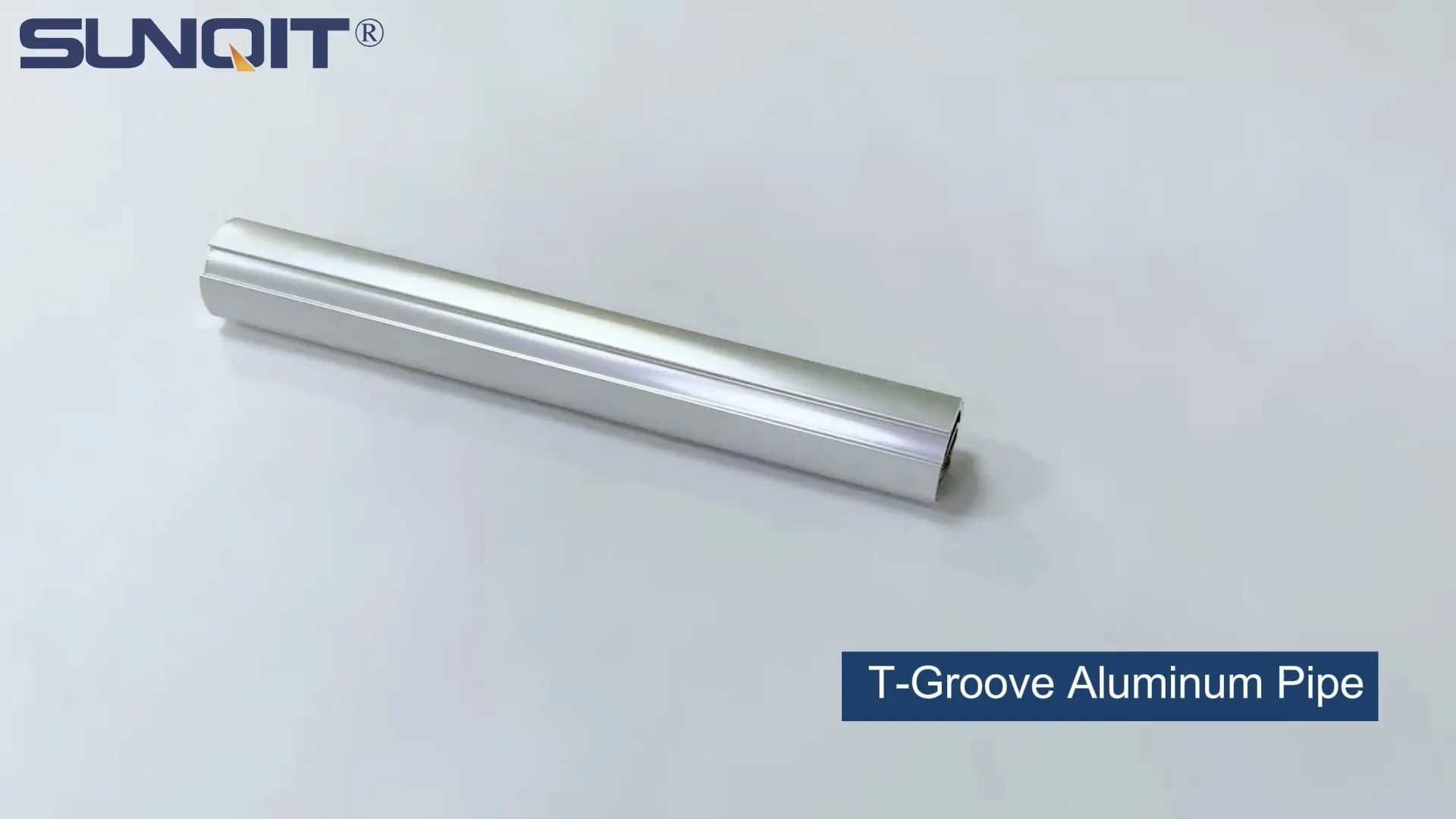
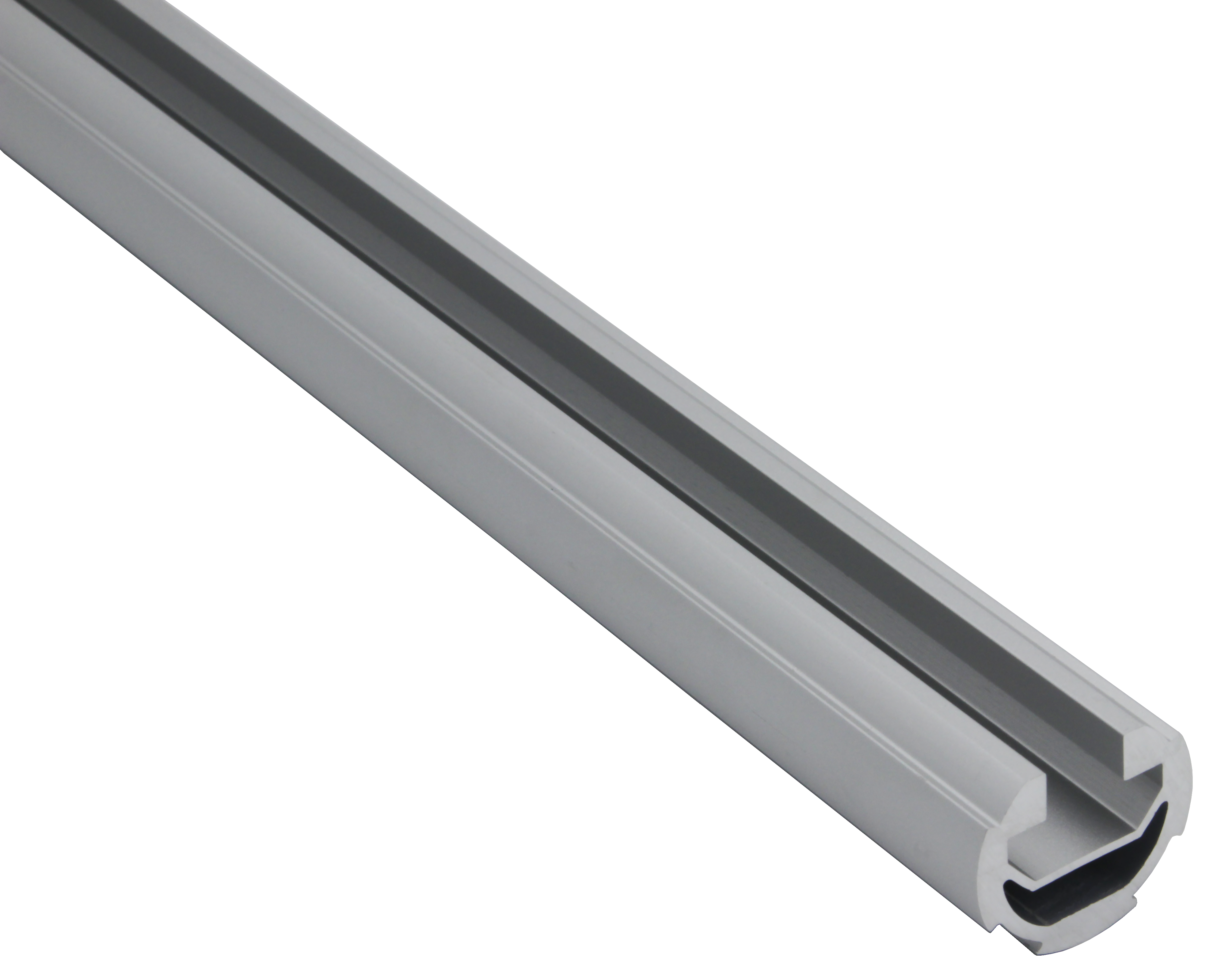
The aluminum pipe opening 10mm is installed into the T-shaped slider, which can be installed with casters or other matching functional parts. The groove can be used for positioning and is used for the track of the roller.
Introduction: The Need for Flexibility in Modern Workspaces
Walk into any manufacturing plant, warehouse, or even a busy workshop today, and you'll notice something striking: the workspaces are no longer static. Production lines shift, storage needs change, and teams adapt to new projects overnight. In this fast-paced environment, rigid, one-size-fits-all equipment just doesn't cut it. That's where T-groove aluminum pipe comes in—a modular, adaptable solution that's transforming how we build workbenches, material racks, and even entire production systems. But how exactly does this unassuming aluminum profile enable such flexibility? Let's dive into the science behind its design and the magic of its connections.
What is T-Groove Aluminum Pipe, Anyway?
At first glance, T-groove aluminum pipe looks like a simple length of aluminum with grooves running along its sides. But those grooves are the key to its versatility. Unlike traditional steel pipes or wooden beams, which require welding, drilling, or complex fasteners to connect, T-groove aluminum pipe (also called aluminum extrusion profile ) is designed with precision-engineered T-shaped channels. These channels run the length of the pipe, creating a built-in "track" that allows accessories—like brackets, connectors, and shelves—to slide in and lock securely. Think of it as a Lego set for industrial use: each piece is designed to fit together seamlessly, but with the strength to support heavy loads and the adaptability to reconfigure on the fly.
But why aluminum? And what makes the T-groove design so special? Let's break it down.
The Science of T-Groove Design: More Than Just a Groove
The T-groove isn't just a random shape—it's a feat of mechanical engineering. Imagine a groove that's narrow at the top (the "T's" horizontal bar) and wider at the bottom (the "T's" vertical bar). This geometry does two critical things: it allows accessories to slide into place easily, and once locked, it distributes weight evenly across the pipe. Here's how it works:
When you insert a bolt, nut, or connector into the T-groove, the narrow top opening holds the accessory in place, while the wider base provides space for the fastener to expand or lock. For example, a standard T-nut (a small metal component with a flared base) slides into the groove from the end of the pipe. Once positioned, tightening a bolt into the T-nut pulls the flared base against the inside of the groove, creating a secure, vibration-resistant connection. No drilling, no welding—just a few turns of a wrench, and the joint is rock-solid.
This design also allows for infinite adjustability. Need to move a shelf up by 2 inches? Loosen the bolts, slide the bracket to the new position, and retighten. The T-groove turns what would be a hours-long project (with traditional materials) into a 5-minute task. It's this blend of strength and flexibility that makes T-groove aluminum pipe a game-changer.

Flexible Connections: How Aluminum Profile Accessories Bring It All Together
A T-groove aluminum pipe is only as useful as the accessories that connect to it. From 90° aluminum profile connectors to end caps and shelf brackets, these small components are the unsung heroes of modular design. Let's take a closer look at how they work:
1. Connectors: The Building Blocks of Structure
Connectors are the "joints" of the T-groove system. The 90° aluminum profile connector , for example, is used to join two pipes at a right angle—perfect for building the legs of a workbench or the corners of a material rack. These connectors typically have T-nuts built into their design, so they slide directly into the grooves of two pipes. Once aligned, bolts are tightened to lock the connector in place, creating a rigid corner that can support hundreds of pounds.
But connectors aren't limited to 90°. There are 45° connectors for angled structures, three-way connectors for branching paths, and even swivel connectors that allow for adjustable angles. Each is designed to fit snugly into the T-groove, ensuring that the connection is both strong and easy to adjust.
2. Brackets and Shelves: Adding Functionality
Once the frame is built with pipes and connectors, brackets and shelves turn it into a functional workspace. A simple L-bracket, for instance, can be attached to two vertical pipes to support a wooden or metal shelf. Because the bracket slides into the T-groove, you can position it at any height, making it easy to customize shelf spacing for different-sized items.
Even more specialized accessories, like roller tracks or tool holders, can be added using the same T-groove system. For example, a roller track bracket slides into the groove and locks in place, instantly turning a basic frame into a conveyor for moving materials. It's this modularity that means a single set of T-groove pipes can be repurposed from a workbench one month to a material transport system the next.

Material Matters: Why Aluminum Extrusion Profile Stands Out
Aluminum might seem like an unlikely choice for industrial equipment—after all, isn't it "softer" than steel? But when it comes to extrusion profiles, aluminum's unique properties make it ideal. Here's why:
- Strength-to-Weight Ratio: Aluminum is lightweight (about 1/3 the weight of steel), which makes assembling and moving T-groove structures easy. Yet, when extruded into profiles with internal reinforcing ribs (common in T-groove designs), it's surprisingly strong. A standard 40x40mm aluminum extrusion profile can support over 500 lbs without bending.
- Corrosion Resistance: Aluminum naturally forms a protective oxide layer, so it won't rust—even in damp warehouses or outdoor settings. This longevity reduces replacement costs over time.
- Malleability: Extrusion (the process of forcing aluminum through a die to create the T-groove shape) allows for complex, precise profiles that would be impossible with steel. This precision ensures that accessories fit perfectly every time.
- Sustainability: Aluminum is 100% recyclable, and recycling it uses just 5% of the energy needed to produce new aluminum. For companies focused on eco-friendly practices, this is a huge plus.
In short, aluminum extrusion profile offers the best of both worlds: strength where it's needed, lightness where it counts, and durability to stand up to daily wear and tear.
Real-World Applications: From Workbenches to Material Rack B (3 Row and 3 Floor)
Let's put this all into context with two common applications: the humble workbench and a multi-tiered material rack.
1. The T-Groove Workbench: A Workshop Essential
A typical T-groove workbench starts with four vertical aluminum pipes (legs) connected by horizontal pipes at the top and bottom (for stability). Using 90° connectors, these pipes form a rectangular frame. Then, a wooden or metal top is attached using shelf brackets that slide into the T-grooves of the top horizontal pipes. But the customization doesn't stop there: add a tool rail along the back (using T-groove-compatible hooks), a power strip bracket, or even a vice mount—all without drilling into the frame.
What if the workbench needs to grow? Add an extension by connecting another frame to one side with straight connectors. Need to make it mobile? Swap out the fixed feet for casters (yes, caster brackets fit into T-grooves too). This adaptability is why T-groove workbenches are now standard in garages, labs, and production facilities worldwide.
2. Material Rack B (3 Row and 3 Floor): Organizing Storage with Ease
Storage racks are another area where T-groove aluminum pipe shines. Take Material Rack B (3 row and 3 floor) —a common design for warehouses needing to organize small parts, tools, or finished products. This rack uses vertical aluminum pipes as supports, with horizontal pipes and shelves creating three rows (width) and three floors (height). Each shelf is adjustable, so you can store tall items on the bottom and small parts on the top, or rearrange as needs change.
The beauty of this design is its scalability. Start with a single 3x3 rack, and as inventory grows, add more sections side-by-side using straight connectors. Unlike welded steel racks, which are fixed in size, a T-groove rack can evolve with your business. And if you move to a new location? Disassemble it in minutes, transport it in a pickup truck, and reassemble—no heavy machinery required.
How T-Groove Aluminum Pipe Compares to Traditional Systems: A Quick Comparison
| Feature | T-Groove Aluminum Pipe | Traditional Steel/Wood Systems |
|---|---|---|
| Assembly Time | 30 minutes (for a basic workbench) | 3+ hours (drilling, welding, or screwing) |
| Adjustability | Infinite (slide accessories along T-grooves) | Limited (fixed holes or welds) |
| Weight | Lightweight (easy to move/assemble) | Heavy (requires tools/machinery to reposition) |
| Durability | Corrosion-resistant, long-lasting | Prone to rust (steel) or warping (wood) |
| Cost Over Time | Lower (reusable, adaptable, minimal maintenance) | Higher (replacement costs for rigid systems) |
Advantages Beyond Flexibility: Why Teams Love T-Groove Systems
While flexibility is the star of the show, T-groove aluminum pipe offers other benefits that make it a favorite among operators and managers alike:
- Safety: Aluminum is non-conductive and won't spark, making it ideal for environments with electrical equipment or flammable materials. Its smooth finish also reduces the risk of cuts compared to rough steel edges.
- Cleanliness: Unlike wood, which can splinter or absorb moisture, aluminum is easy to clean—just wipe with a damp cloth. This is critical in industries like food processing or pharmaceuticals, where hygiene is key.
- Aesthetics: Let's face it—T-groove systems look professional. The sleek, anodized aluminum finish gives workspaces a modern, organized feel, which can boost team morale and impress clients.
Conclusion: The Future of Workspaces is Modular
In a world where change is the only constant, T-groove aluminum pipe isn't just a tool—it's a solution to the challenges of modern work. By combining the science of T-groove design, the versatility of aluminum profile accessories , and the strength of aluminum extrusion profile, it empowers teams to build, adapt, and grow without being limited by rigid equipment.
Whether you're setting up a small workshop or a large-scale production line, the question isn't "Why use T-groove aluminum pipe?"—it's "How did we ever work without it?" From workbenches that adapt to new projects to Material Rack B (3 row and 3 floor) systems that keep inventory organized, this modular marvel is redefining what's possible in the workplace. And as technology advances, one thing is clear: the future of workspaces is flexible, and T-groove aluminum pipe is leading the way.