- Company Articles
- Products and Technology
- Product knowledge
- How Does T Slot Aluminum Pipe Work? Key Mechanisms Unveiled

How Does T Slot Aluminum Pipe Work? Key Mechanisms Unveiled
Related Product
T Slot Aluminum Pipe
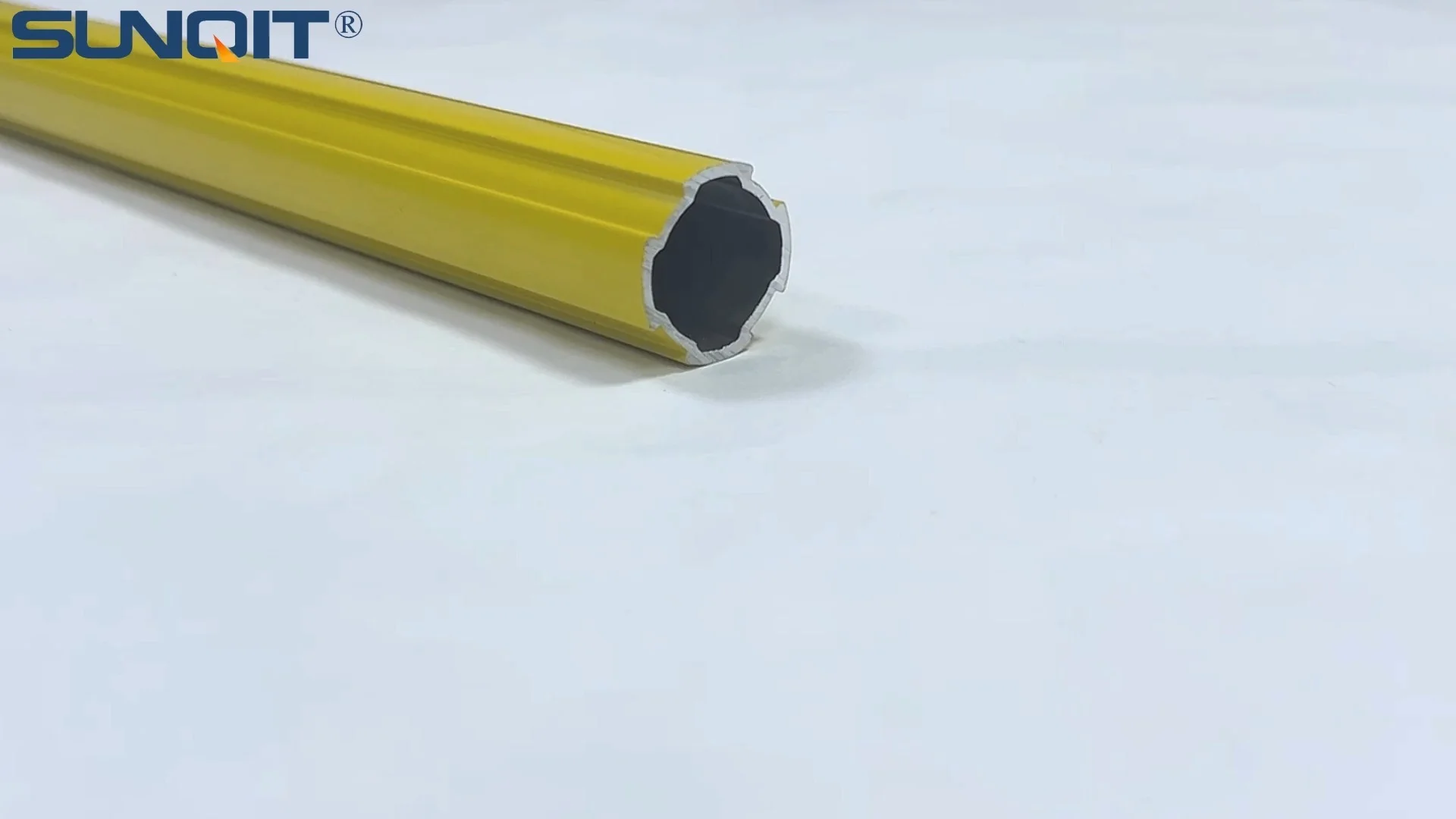
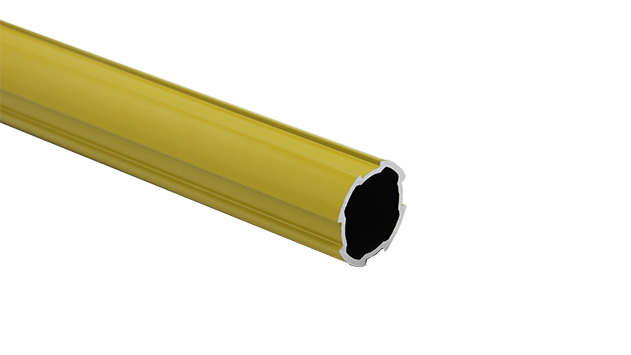
Aluminum pipe, it is used for workbench, flow rack,hand trolley assemble work with advantage of flexible and durable, yellow color makes it more attactive as a caution remind.
Imagine stepping onto a factory floor where the air hums with purpose—not the chaos of clanging tools or rigid, unchanging machinery, but the quiet efficiency of adaptability. A team of assemblers shifts a workbench to accommodate a new product line in under an hour. A material handler adjusts a rack to fit taller boxes without grabbing a wrench. A supervisor reconfigures a conveyor system to speed up a bottleneck, all while production continues. What makes this flexibility possible? At the heart of it all lies a deceptively simple component: the T Slot Aluminum Pipe. It's not just a tube of metal; it's a modular building block that transforms how industries design, build, and adapt their workspaces. Let's dive into the mechanics that make this innovation tick, and why it's become the backbone of modern lean manufacturing.
What Even Is T Slot Aluminum Pipe?
First things first: let's demystify the basics. T Slot Aluminum Pipe—sometimes called aluminum extrusion profile—is exactly what it sounds like: a lightweight, durable pipe made from aluminum, with a distinct "T"-shaped groove (or slot) running along its length. This slot isn't just a design quirk; it's the secret to its versatility. Unlike solid steel pipes or generic tubing, every inch of this aluminum pipe is engineered to connect, adjust, and evolve.
To understand its origins, we need to talk about aluminum extrusion —the process that shapes the pipe. Raw aluminum is heated until malleable, then forced through a die (a custom metal mold) under extreme pressure. The die's shape determines the final profile, and in this case, that shape includes the T-slot. This extrusion process isn't just efficient; it ensures consistency. Every pipe from the same die will have identical dimensions, slot size, and strength—critical for modular systems where parts need to work together seamlessly.
But why aluminum? Steel is stronger, right? True, but aluminum brings unique benefits: it's corrosion-resistant (no rust, even in damp workshops), surprisingly strong for its weight (perfect for reducing strain on floors or mobile carts), and infinitely recyclable (a win for sustainability). For factories, warehouses, and even labs, these traits make it far more practical than steel or wood, which can rust, warp, or require heavy tools to modify.
The T-Slot: The Unsung Hero of Modularity
Let's zoom in on the star of the show: the T-slot itself. Picture a cross-section of the pipe: the main body is a hollow rectangle or square, and along one (or more) sides, there's a groove that looks like a "T" when sliced open. The top of the "T" is a narrow opening on the pipe's surface, while the bottom is a wider channel inside. This simple shape unlocks endless possibilities.
How It Works in 30 Seconds: The T-slot acts like a built-in track for accessories. Specialized fasteners (called T-nuts or slot nuts) slide into the slot from the pipe's end, gliding along the inner channel until they reach the desired position. Once in place, a bolt or screw is threaded through an accessory (like a bracket or shelf) and into the T-nut. Tightening the bolt pulls the T-nut upward, wedging it against the slot's inner walls—securing the accessory firmly without drilling, welding, or permanent modifications.
Slot sizes vary (common widths are 6mm, 8mm, or 10mm), and each size supports different load capacities. A wider slot can accommodate larger T-nuts and bolts, making it better for heavy-duty applications like industrial workbenches or material racks. Narrower slots are ideal for lighter tasks, such as mounting small tools or guide rails.
| Slot Width | Typical Use Case | Max Load Capacity (Per Fastener) |
|---|---|---|
| 6mm | Light tools, small brackets, electronics workstations | Up to 50kg |
| 8mm | Workbenches, shelving, medium-duty racks | Up to 150kg |
| 10mm+ | Heavy machinery frames, conveyor systems, industrial material racks | Up to 300kg+ |
It Takes a Village: Aluminum Profile Accessories
A pipe with a slot is just a pipe—until you add the right friends. Aluminum profile accessories are the supporting cast that turn a single pipe into a full-blown workstation, rack, or conveyor. Think of them as the "Lego pieces" of the industrial world: joints, brackets, wheels, panels, and guides, all designed to snap (or slide) into the T-slot with zero fuss.
Joints: The Connectors That Hold It All Together
Joints are the glue of T Slot systems. Whether you need a 90° angle for a workbench corner, a 45° slope for a conveyor, or a rotating connection for a foldable shelf, there's a joint for that. Take the internal rotatory aluminum joint , for example. This clever accessory fits inside two intersecting pipes, letting them rotate 360° relative to each other. Need to fold a workstation shelf up when not in use? Just rotate it out of the way. No hinges, no pins—just a joint that locks in place when tightened.
Other common joints include 90° aluminum pipe joints (for square corners), parallel aluminum joints (to connect two pipes side-by-side), and even three-way joints (for building cube-shaped structures like material racks). The best part? Most joints use the same T-slot fastener system, so swapping them out is as easy as loosening a bolt.
Guides and Rails: Keeping Things on Track
Ever wondered how conveyor belts or assembly lines keep parts from sliding off? Enter aluminum guide rails . These long, narrow strips attach to T Slot pipes using brackets, creating a barrier or track for materials. For example, aluminum guide rail A might have a lip along one edge to keep boxes aligned on a roller track, while aluminum guide rail B could be flat, designed to mount tools or labels above a workstation.
In a busy factory, guide rails aren't just nice to have—they're essential. A misaligned part on a conveyor can jam the whole line, costing hours of downtime. With aluminum guide rails, operators can adjust the position of the rail along the T-slot in minutes, ensuring parts flow smoothly, no matter their size or shape.
Casters and Feet: Mobility Meets Stability
Sometimes you need a workstation to stay put; other times, you need it to roll across the shop floor. T Slot systems handle both with caster wheels and adjustable feet. Casters bolt directly to the bottom of T Slot pipes using bracket accessories, turning a stationary workbench into a mobile cart. Need to lock it in place? Just step on the brake pedal. For stability, adjustable feet (like suction cup anti-slip foot adjusters) screw into the pipe ends, letting you level the structure on uneven floors—no shims or wedges required.

Building Something Real: From Pipes to a Workbench
Enough theory—let's build something. Let's walk through how to create a basic workbench (think "Workbench E (Single Deck-Without Caster)" from industrial catalogs) using T Slot Aluminum Pipe and accessories. This isn't a DIY project for experts; even someone with zero construction experience can pull this off in an afternoon.
Step 1: Gather Your Parts
You'll need: 4 vertical aluminum pipes (let's say 120cm long for a standard-height bench), 4 horizontal pipes (80cm long for the top frame), 4 corner joints (90° aluminum pipe joints), 1 aluminum honeycomb panel (the work surface), 2 aluminum guide rails (to line the edges), and a handful of T-nuts and bolts.
Step 2: Build the Frame
Start by connecting the vertical and horizontal pipes with the 90° joints. Slide T-nuts into the ends of the horizontal pipes, then align them with the holes in the joints. Tighten the bolts—you'll feel the T-nuts wedge into the slot, securing the joint. Repeat until you have a rectangular frame (the bench's skeleton).
Step 3: Add the Work Surface
Lay the aluminum honeycomb panel on top of the frame. Using brackets (attached via T-slots), secure the panel to the horizontal pipes. Want the surface to be adjustable? Use sliding brackets—loosen the bolts, slide the panel forward or backward, then retighten. No need to drill holes in the panel itself!
Step 4: Attach Guide Rails
Mount the aluminum guide rails along the front and back edges of the workbench using small brackets. These rails will keep tools, screws, or small parts from rolling off. If you later need to mount a vice or a lamp, just slide new brackets into the T-slot and attach them—no need to modify the bench itself.
Pro Tip: This workbench isn't set in stone. If your team starts assembling taller products, swap the 120cm vertical pipes for 150cm ones. If you need storage, add a shelf halfway up using parallel aluminum joints. T Slot systems thrive on change—they're built for the "what ifs" of manufacturing.

Beyond Workbenches: Real-World Applications
T Slot Aluminum Pipe isn't just for workbenches. Its modularity makes it indispensable across industries. Let's explore a few common use cases:
Material Racks: Storing Smart, Not Hard
Factories live and die by how they store materials. A material rack B (3 row and 3 floor) —a common T Slot setup—solves the "one-size-fits-all" storage problem. Each shelf is held up by brackets that slide along the T-slot, so you can adjust the height between shelves to fit everything from tiny component boxes to large tool cases. Need to add a fourth shelf? Just buy more brackets and slide them into place. Rusty steel racks? A thing of the past—aluminum's corrosion resistance means this rack will look new for years, even in humid warehouses.
Conveyor Systems: Moving Parts, Not Mountains
Conveyors are the arteries of production lines, and T Slot Aluminum Pipe is their backbone. Roller tracks (like plastic roller track guide rails) mount to aluminum pipes using specialized brackets (roller track placon mounts), creating a smooth path for parts to flow. If a product changes size, operators can adjust the aluminum guide rails along the T-slot to narrow or widen the track—no need to rebuild the entire conveyor. Even better, T Slot's lightweight nature makes it easy to add curves or inclines by bending the pipe (yes, aluminum is flexible enough for gentle bends!) or using swivel joints.
Lean Manufacturing: Doing More with Less
At its core, lean manufacturing is about eliminating waste—whether that's time, space, or materials. T Slot Aluminum Pipe fits this philosophy perfectly. Instead of buying a custom steel workstation for every new product, factories can reconfigure existing T Slot setups. A workbench used for assembling phones today can become a testing station for tablets tomorrow. This reduces the need for storage (no piles of old, unused equipment) and cuts down on lead times (no waiting for custom fabrication).
Why T Slot Aluminum Pipe Beats the Alternatives
You might be thinking: "Can't I just use wood or steel for this?" Let's break down why T Slot Aluminum Pipe is the better choice:
Wood: Cheap, but Not Built to Last
Wood is affordable, but it warps, rots, and can't handle heavy loads. Drill a hole in the wrong place? You're stuck with a useless piece of lumber. T Slot Aluminum Pipe, on the other hand, is reusable—disassemble it, and the pipes and joints can be used for a completely different project.
Steel: Strong, but a Pain to Work With
Steel is strong, but it's heavy. Moving a steel workstation requires a forklift, not just two people. It also rusts, needs painting, and requires welding or specialized tools to modify. T Slot Aluminum Pipe is lightweight enough to carry by hand, corrosion-resistant, and adjustable with a simple hex key.
Custom Fabrication: Expensive and Slow
Ordering a custom steel frame from a fabricator can take weeks and cost a fortune. If you later need to change it? You're back to square one. T Slot systems are off-the-shelf—most suppliers stock pipes, joints, and accessories, so you can build or modify something today, not next month.
Choosing the Right T Slot System for You
Not all T Slot Aluminum Pipes are created equal. Here's what to look for when picking a system:
- Slot Size: Match the slot width to your needs. Heavy loads? Go with 10mm. Light tasks? 6mm is fine.
- Wall Thickness: Thicker walls mean more strength. Look for pipes with 1.2mm–2.0mm walls for industrial use.
- Accessory Compatibility: Ensure the supplier offers the accessories you need (joints, guide rails, casters). Most major brands use standardized sizes, but double-check!
- Supplier Support: A good lean pipe supplier will have technical docs, assembly guides, and even design help. Don't skimp on support—you'll thank yourself later.
The Future of T Slot Aluminum Pipe
As factories embrace automation and rapid prototyping, T Slot Aluminum Pipe is evolving too. New innovations include aluminum pipes with integrated channels for wiring (keeping cords tidy in robotic workcells), and even smart accessories with sensors that track load weight or usage. But at its core, the T-slot mechanism remains unchanged—proof that sometimes the simplest ideas are the most enduring.
So the next time you walk through a factory, workshop, or even a tech lab, take a closer look at the workbenches, racks, and conveyors. Chances are, they're built with T Slot Aluminum Pipe. It's not flashy, but it's the reason those spaces can adapt, grow, and thrive in a world that never stops changing. And isn't that the true mark of innovation? Not just solving today's problems, but making sure you're ready for tomorrow's—one T-slot at a time.