- Company Articles
- Products and Technology
- Product knowledge
- How Does Turning Angle Code 3030 Work with Aluminum Lean Pipes?

How Does Turning Angle Code 3030 Work with Aluminum Lean Pipes?
Related Product
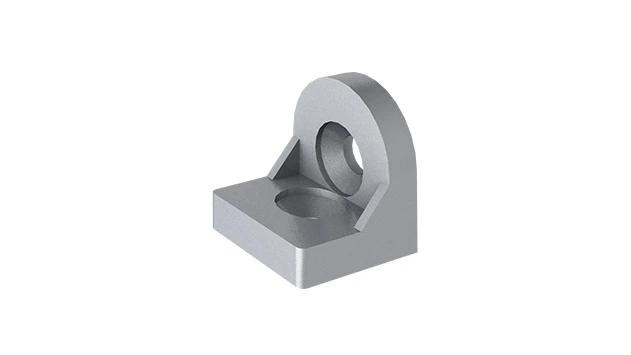
Turning Angle Code 3030
The turning angle aluminum profile connector provides a 90 degree hidden corner connection. 3030 it is means this size is used for 30 series aluminum profile.The corner code comes with set screws that allow for quick, easy connections.
Walk into any modern manufacturing facility, and you'll notice a quiet revolution happening on the shop floor. Lines move smoother, workers waste less time searching for tools, and production adapts quickly to new orders. This isn't magic—it's lean manufacturing in action. At the heart of this revolution are simple, unassuming tools that turn chaos into order: aluminum lean pipes and their unsung heroes, accessories like the turning angle code 3030. Today, we're diving into how this small but mighty component works with aluminum lean pipes to build the flexible, efficient workspaces that power lean systems worldwide.
Understanding the Basics: Aluminum Lean Pipes and Lean Systems
Before we get to the turning angle code 3030, let's set the stage with aluminum lean pipes. These aren't your average metal tubes. Made from lightweight, corrosion-resistant aluminum alloy, they're designed to be strong yet easy to handle. Unlike rigid steel structures, aluminum lean pipes are modular—meaning you can connect, disconnect, and reconfigure them as your production needs change. This flexibility is why they're the backbone of lean systems, which focus on minimizing waste (time, space, materials) and maximizing value.
Think of aluminum lean pipes as the "building blocks" of a lean workspace. They form the frames of workbenches, the rails of flow racks, the shelves of material carts, and even the tracks of conveyors. But here's the thing: a pile of pipes alone won't build anything. You need connectors to hold them together, and that's where accessories like the turning angle code 3030 come in. These small components turn individual pipes into sturdy, functional structures—without welding, without heavy tools, and without permanent commitments.
Meet the Star: What Is Turning Angle Code 3030?
If aluminum lean pipes are the building blocks, the turning angle code 3030 is the "cornerstone" that lets you stack those blocks at precise angles. In simple terms, it's a metal bracket designed to join two aluminum lean pipes at a 90-degree angle (though some versions can handle other angles, too). The "3030" in its name isn't random—it refers to the size of the aluminum profiles it's built for: 30mm x 30mm. That means if you're working with standard 30x30 aluminum lean pipes, this angle code is your go-to connector.
But don't let its small size fool you. The turning angle code 3030 is engineered to balance two critical needs: strength and adjustability. It has to hold pipes firmly enough to support heavy tools, materials, or even workers leaning on a workbench. At the same time, it needs to let you take the structure apart when you need to redesign your production line. It's a delicate balance, and this little bracket nails it.

Design and Material: Why Turning Angle Code 3030 Stands Out
Let's take a closer look at what makes the turning angle code 3030 tick. First, its design: most models are L-shaped, with two flat "arms" that wrap around the sides of the aluminum lean pipes. Each arm has pre-drilled holes (or slots) that align with the T-slots running along the length of the aluminum pipes. These T-slots are key—they let you slide in bolts or screws that lock the angle code securely to the pipe without drilling new holes.
Then there's the material. Like the aluminum lean pipes it connects, the turning angle code 3030 is usually made from aluminum alloy (often 6063-T5, a common grade for structural parts). This choice is intentional: aluminum is lightweight, so you won't struggle to lift or adjust the structure. It's also resistant to rust and corrosion, which matters in factories where spills, humidity, or coolants are part of daily life. Plus, aluminum is easy to machine, so manufacturers can precision-cut the angle code's arms and holes to ensure a snug fit with 30x30 pipes.
Some versions add a extra touch: a powder-coated finish. This not only gives the angle code a clean, professional look but also adds a layer of scratch resistance—important in busy workspaces where tools or materials might bump against the structure.

How Turning Angle Code 3030 Works with Aluminum Lean Pipes: Step by Step
Now, the million-dollar question: how exactly does this bracket bring aluminum lean pipes together? Let's break it down with a real-world example. Imagine you're building a simple workbench—a staple in any production line. You've got your 30x30 aluminum lean pipes for the legs, the frame, and the shelf supports. Here's how the turning angle code 3030 steps in:
1. Aligning the Pipes:
First, you position two pipes where you need a corner—say, the vertical leg and the horizontal frame rail of the workbench. They meet at a 90-degree angle, but right now, they're just leaning against each other.
2. Attaching the Angle Code:
You slide the turning angle code 3030 over the joint. One arm of the L-shape presses against the vertical pipe; the other arm presses against the horizontal pipe. The holes in the angle code's arms line up with the T-slots in the pipes.
3. Locking It In Place:
Next, you insert T-slot bolts into the aluminum pipes' T-slots, passing them through the holes in the angle code. Then you screw on nuts and tighten them with a wrench. As you tighten, the angle code clamps down on both pipes, creating a rigid connection. No welding, no glue—just mechanical pressure.
4. Testing and Adjusting:
Finally, you give the joint a gentle shake. If it wobbles, you tighten the bolts a bit more. If it's too stiff, you loosen them slightly. That's the beauty of it: the connection is secure, but not permanent. If next month you need to shorten the workbench or add a shelf, you can unscrew the bolts, remove the angle code, and reconfigure the pipes.
This process works for any 90-degree joint: the corners of a flow rack, the edges of a turnover trolley, or the supports of a material rack. The turning angle code 3030 turns two separate pipes into a unified structure—strong enough to hold tools, parts, or even heavy equipment, but flexible enough to evolve with your needs.
Comparing Angle Codes: Why 3030 Is a Workhorse
You might be wondering: are there other angle codes? Absolutely. Manufacturers make turning angle codes for 20x20 pipes (turning angle code 2020) and 40x40 pipes (turning angle code 4040), too. So why choose 3030? Let's compare them to see where 3030 shines:
| Angle Code Type | Compatible Pipe Size | Typical Load Capacity | Best For |
|---|---|---|---|
| Turning Angle Code 2020 | 20mm x 20mm | 80–120 kg per joint | Light-duty setups: small tool racks, mobile phone assembly workstations |
| Turning Angle Code 3030 | 30mm x 30mm | 150–200 kg per joint | Medium-duty workhorses: standard workbenches, 3-row material racks, turnover trolleys |
| Turning Angle Code 4040 | 40mm x 40mm | 250–300 kg per joint | Heavy-duty jobs: industrial conveyor frames, large storage racks |
As you can see, 3030 hits the sweet spot for most factories. It's strong enough to handle daily use—think a workbench holding a drill press, a flow rack stacked with boxes of parts, or a trolley carrying 100kg of materials—but not so bulky that it adds unnecessary weight or cost. For small to medium-sized operations, 3030 angle codes and 30x30 aluminum lean pipes are the perfect pair.
Practical Applications: Where You'll Find This Dynamic Duo
To really understand the turning angle code 3030's value, let's look at where it's used every day. These examples might sound familiar if you've spent time in a manufacturing or assembly environment:
Workbenches:
The most common spot. A typical workbench has four vertical legs, connected by horizontal rails at the top and bottom. Every corner? A turning angle code 3030. Add a shelf halfway up, and you'll use more angle codes to connect the shelf supports to the legs. The result? A sturdy surface where workers can assemble products, with tools and parts within arm's reach.
Flow Racks:
These are the sloped racks that let materials "flow" to the front as items are taken. The sides of the rack are made from aluminum lean pipes, joined by 3030 angle codes. The angle codes ensure the sides stay upright, even when the rack is loaded with heavy boxes.
Turnover Trolleys:
When materials need to move from one station to another, trolleys are essential. Their frames—vertical handles, horizontal shelves, and wheels—rely on 3030 angle codes to stay stable during transport. Even a bumpy ride across the factory floor won't loosen these joints.
Material Racks:
Picture a rack with three rows and three floors (like Material Rack B, a common model). Each vertical post and horizontal beam is connected by turning angle code 3030. This setup holds everything from raw materials to finished products, and if next quarter you need more space, you can add extra beams using—you guessed it—more 3030 angle codes.
In each case, the turning angle code 3030 isn't just a connector—it's a problem-solver. It lets factories build exactly what they need, when they need it, without waiting for custom steel fabrication or spending a fortune on permanent structures.
The Benefits of Using Turning Angle Code 3030 in Lean Systems
So, why do lean system managers swear by the turning angle code 3030 and aluminum lean pipes? Let's break down the benefits:
Flexibility:
Lean manufacturing is all about adapting to change. A customer orders a new product? You can reconfigure your workbench or flow rack in an hour using angle codes. No need to tear down walls or buy new equipment.
Cost Savings:
Welding steel structures is expensive—you pay for labor, materials, and downtime. Aluminum lean pipes and 3030 angle codes are affordable, and you can reuse them. If a project ends, take apart the structure and build something new with the same parts.
Speed:
Building with angle codes is fast. A small team can assemble a workbench in under an hour, compared to days for a welded steel one. This means you can respond to production bottlenecks or new orders in real time.
Safety:
Aluminum is lighter than steel, so workers are less likely to strain their backs when moving pipes or adjusting structures. The angle code's snug fit also reduces wobbling, which lowers the risk of accidents from falling tools or materials.
Durability:
Aluminum resists rust, and the angle code's tight connection won't loosen over time—even with daily use. This longevity means you won't be replacing parts every few months.
Installation Tips: Getting the Most Out of Your Angle Code
To make sure your turning angle code 3030 and aluminum lean pipes work together seamlessly, keep these tips in mind:
Use the Right Bolts:
Always pair 3030 angle codes with T-slot bolts designed for 30x30 aluminum profiles. Using bolts that are too short or too thin will weaken the joint.
Don't Over-Tighten:
It's tempting to crank the nuts as tight as possible, but this can strip the threads or warp the angle code. Tighten until the joint is firm, then stop.
Check Alignment:
Before tightening, make sure the pipes are at a true 90-degree angle. A misaligned joint will stress the angle code and could cause the structure to lean.
Prep the Pipes:
If your aluminum lean pipes have burrs or rough edges (from cutting, for example), file them down first. Sharp edges can scratch the angle code or make it hard to slide into place.
Maintenance: Keeping Your Joints Strong
Like any tool, turning angle code 3030 needs a little care to last. Here's how to maintain it:
Inspect Regularly:
Every month, walk around your aluminum lean pipe structures and check the angle codes. Are the bolts loose? Is the angle code bent or cracked? Tighten loose bolts and replace damaged parts immediately—small issues can turn into big problems fast.
Clean Gently:
Dust and grime can build up in the T-slots and on the angle code, making it hard to adjust later. Wipe the angle code with a damp cloth (avoid harsh chemicals—they can damage the powder coating).
Lubricate Threads:
If you plan to disassemble a structure soon, a tiny drop of machine oil on the bolts' threads will make unscrewing them easier. Just don't overdo it—excess oil attracts dust.
Conclusion: The Small Part That Powers Big Efficiency
In the world of lean manufacturing, success lies in the details. The turning angle code 3030 might not grab headlines, but it's a quiet hero—turning aluminum lean pipes into the flexible, durable structures that keep production lines moving, workers efficient, and customers happy. It's a reminder that sometimes, the most powerful solutions are the simplest: a well-designed bracket, a snug fit, and the freedom to adapt.
So the next time you walk into a factory and see a workbench, a flow rack, or a trolley that looks like it was built to fit the space perfectly, take a closer look. Chances are, you'll spot a turning angle code 3030 holding it all together—proof that great lean systems are built, one smart connection at a time.